English
 中文简体
中文简体 русский
 عربى
عربى
Content
- 1 Quick Answer: How to Choose the Right PE Pipe
- 2 PE80 vs PE100 Pipe: Material Grade Comparison
- 3 Understanding SDR Ratings and Pressure Classes
- 4 Where PE Pipe Fits: Water Supply, Irrigation and Industrial Use
- 5 Butt Fusion vs Electrofusion: Choosing a PE Pipe Jointing Method
- 6 ISO 4427 Compliance and Quality Verification
- 7 Selecting PE Pipe Fittings and System Accessories
- 8 Evaluating an HDPE Pipe Manufacturer or PE Pipe Supplier
- 9 Long-Term Performance and Service Life Expectations
- 10 Frequently Asked Questions
Quick Answer: How to Choose the Right PE Pipe
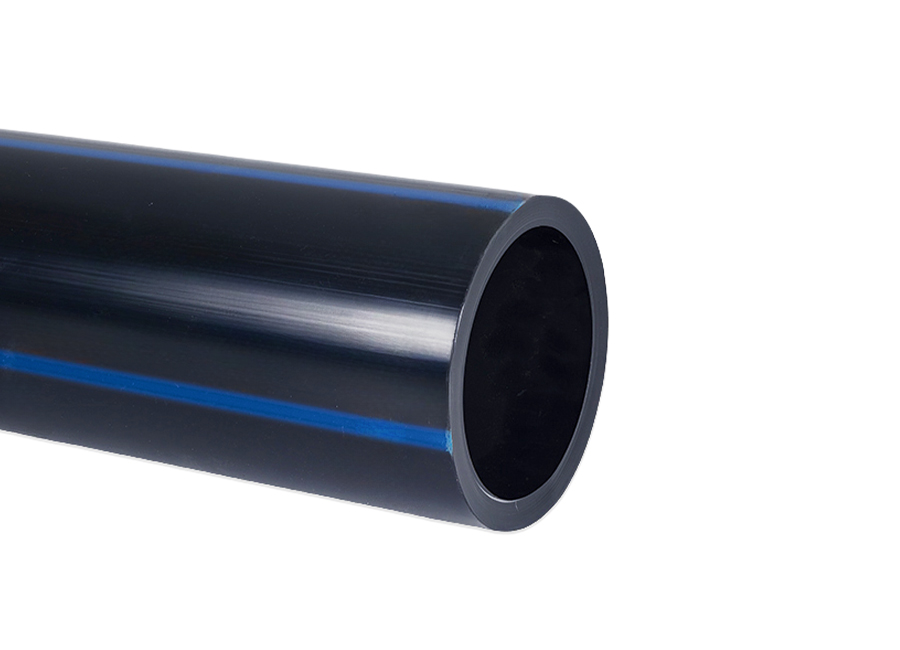
For most water supply, irrigation, and industrial pipelines, PE100 pipe is the preferred choice when higher pressure ratings or thinner wall sections are needed, while PE80 pipe remains a practical option for lower-pressure or non-critical distribution lines. The correct pipe is selected by matching three variables together: the material grade (PE80 or PE100), the SDR (Standard Dimension Ratio) that determines pressure class, and the jointing method (butt fusion or electrofusion) suited to the installation environment. The sections below break down each of these variables with data tables and charts so engineers and contractors can make a specification decision without guesswork.
In short: identify the required operating pressure and design life first, select an SDR PE pipe series that meets that pressure class under ISO 4427, then confirm the jointing method that fits the pipe diameter and site conditions. The remainder of this guide explains how each of these decisions is made in practice.
PE80 vs PE100 Pipe: Material Grade Comparison
PE pipe material grades are classified by their Minimum Required Strength (MRS), a value derived from long-term hydrostatic testing under ISO 12162. A PE80 pipe carries an MRS classification of 8.0 MPa, while a PE100 pipe carries an MRS classification of 10.0 MPa. This 25 percent difference in rated strength is what allows PE100 pipe to be manufactured with a thinner wall than PE80 pipe for the same pressure class, which in turn increases the internal flow bore for a given outside diameter.
Reading the Radar Comparison
The radar chart below compares PE80 pipe and PE100 pipe across six performance dimensions, each normalized to a 0-10 scale for readability. PE100 pipe extends further on MRS, long-term hydrostatic strength, wall-thickness efficiency, and slow crack growth resistance, which is why it is widely specified for water supply PE pipe and industrial PE pipe networks operating at higher pressure classes. PE80 pipe, on the other hand, retains a slight edge in flexibility, which can be an advantage in trenchless installation or in areas with ground movement. Neither grade is universally superior; the correct choice depends on the pressure class, bore requirement, and installation method of the specific project.
In practical terms, a project engineer specifying a new distribution main will often favor PE100 pipe because a thinner SDR wall lowers material use per meter while meeting the same pressure class, whereas a maintenance team replacing a short low-pressure branch line may find PE80 pipe entirely sufficient for the duty. (Reference: ISO 12162:2009, Thermoplastics materials for pipes and fittings for pressure applications — Classification and designation.)
Understanding SDR Ratings and Pressure Classes
SDR stands for Standard Dimension Ratio, calculated as the pipe's outside diameter divided by its minimum wall thickness. A lower SDR number means a thicker wall relative to diameter, and therefore a higher pressure rating (PN). SDR PE pipe selection is one of the most frequent specification questions engineers face, because the same nominal diameter can be supplied in several SDR series depending on the required PN class.
SDR Series and Corresponding Pressure Ratings
The table and horizontal bar chart below summarize the standard SDR-to-PN relationship for PE100 pipe operating on water at 20 degrees C, consistent with the pressure rating tables published in ISO 4427-2. As the chart shows, moving from SDR41 to SDR11 roughly quadruples the pressure class, which is why trunk mains and high-pressure irrigation PE pipe networks are typically specified in the SDR11 to SDR17 range, while low-pressure distribution or gravity-fed branch lines can use SDR21 to SDR33.
| SDR Series | Pressure Class (PN, bar) | Typical Application |
|---|---|---|
| SDR41 | PN4 | Low-pressure gravity or drainage lines |
| SDR33 | PN5 | Light irrigation PE pipe branches |
| SDR26 | PN6.3 | General irrigation and low-rise distribution |
| SDR21 | PN8 | Municipal water supply PE pipe branches |
| SDR17 | PN10 | Trunk water mains, moderate industrial duty |
| SDR13.6 | PN12.5 | Industrial PE pipe under elevated pressure |
| SDR11 | PN16 | High-pressure mains and gas distribution |
This relationship is why a bill of materials that lists only the nominal diameter is incomplete: the SDR (or PN) designation must always be specified alongside the diameter to fully define a PE pipe product, since two pipes of identical outside diameter but different SDR will have different wall thickness, different bore, and different pressure capability.
Where PE Pipe Fits: Water Supply, Irrigation and Industrial Use
PE pipe is used across a wide span of infrastructure categories because polyethylene resin can be formulated and dimensioned to suit very different duty conditions. The three most common application groups are municipal and rural water supply PE pipe networks, agricultural irrigation PE pipe systems, and process or utility industrial PE pipe lines. Each of these has a typical grade and SDR pattern, summarized below.
| Application | Common Grade | Typical SDR Range | Key Consideration |
|---|---|---|---|
| Water Supply PE Pipe | PE100 | SDR11 - SDR17 | Hygiene-grade resin, sustained pressure |
| Irrigation PE Pipe | PE80 / PE100 | SDR17 - SDR33 | UV-stable outer layer, seasonal cycling |
| Industrial PE Pipe | PE100 | SDR11 - SDR21 | Chemical resistance, abrasion allowance |
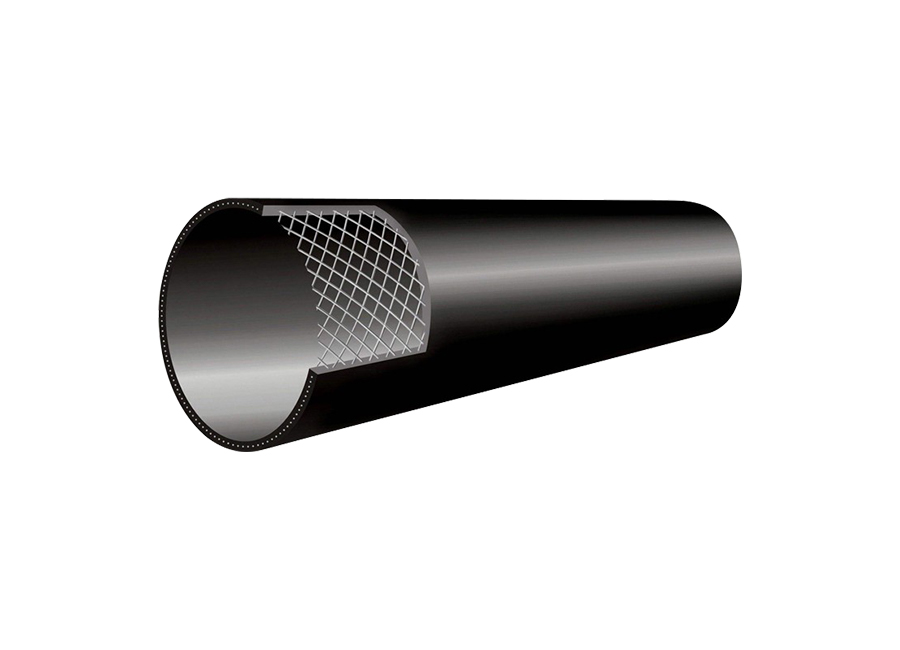
For water supply PE pipe, resin selection typically prioritizes long-term hygiene performance and consistent wall thickness so the pipe can sustain continuous internal pressure over decades. Irrigation PE pipe is exposed to more thermal cycling and above-ground UV exposure in many field layouts, so a stabilized outer layer is commonly specified. Industrial PE pipe applications range from chemical transfer to slurry and effluent lines, where chemical resistance against corrosion from a wide range of substances is a primary reason polyethylene is chosen over metallic alternatives, alongside the material's inherent resistance to impact damage during transport, handling, and installation.
- Water supply PE pipe: continuous pressure duty, hygiene-grade resin, long design life
- Irrigation PE pipe: seasonal flow variation, above-ground UV exposure, flexible routing
- Industrial PE pipe: chemical exposure, abrasive media, process temperature range
Butt Fusion vs Electrofusion: Choosing a PE Pipe Jointing Method
PE pipe systems are joined using heat fusion rather than adhesives or mechanical seals for permanent pressure joints, which is one of the reasons the material performs consistently in buried service. The two most common methods are butt fusion PE pipe jointing, where two pipe ends are heated and pressed together, and electrofusion PE pipe jointing, where a fitting with an embedded resistance wire fuses to the pipe surface when current is applied. Mechanical or compression fittings are also used, mainly for smaller diameters or where fusion equipment is impractical.
When to Use Each Method
Butt fusion is generally favored for long straight runs and larger diameters because it produces a joint with the same wall geometry as the parent pipe. Electrofusion is often preferred for tie-ins, repairs, branch connections, or confined trenches where aligning two pipe ends for a butt fusion machine is difficult. Both methods require a qualified operator following a documented fusion procedure, and the appropriate technique should always be confirmed against the pipe manufacturer's fusion joining procedure and the applicable project specification before work begins.
The bar chart above shows an illustrative pattern of how butt fusion cooling time (in minutes, on the vertical axis) tends to increase with pipe diameter, based on general trends reported in common fusion procedure guidelines. Larger-diameter butt fusion PE pipe joints require more cooling time because more heated material must fully re-crystallize under pressure before the joint can be handled. Electrofusion PE pipe joints typically follow a fixed fusion and cooling cycle set by the fitting manufacturer, so cycle time is less dependent on diameter and more dependent on fitting size and ambient temperature. Actual fusion and cooling times vary by machine, resin, and site conditions, and should always follow the specific procedure qualified for the project.
ISO 4427 Compliance and Quality Verification
ISO 4427 PE pipe is the international standard series governing polyethylene pipe and fittings for water supply and general pressure applications, and it is one of the most frequently referenced specifications in procurement documents and tender packages. Understanding what each part of the standard covers helps engineers verify that a submitted product data sheet actually addresses the requirements being asked for.
| Part | Scope |
|---|---|
| ISO 4427-1 | General requirements and terminology |
| ISO 4427-2 | Pipe dimensions and pressure ratings |
| ISO 4427-3 | Fittings dimensional requirements |
| ISO 4427-5 | Fitness for purpose of the system |
When reviewing a supplier's technical documentation, engineers should check that the quoted MRS classification, SDR series, and pressure rating are all cross-referenced to the correct part of ISO 4427, since a product data sheet that lists dimensions without a corresponding pressure rating table leaves the specification incomplete. Traceability records, batch marking on the pipe surface, and third-party test reports for MRS and slow crack growth resistance are the documents most commonly requested during a project quality review.
Selecting PE Pipe Fittings and System Accessories
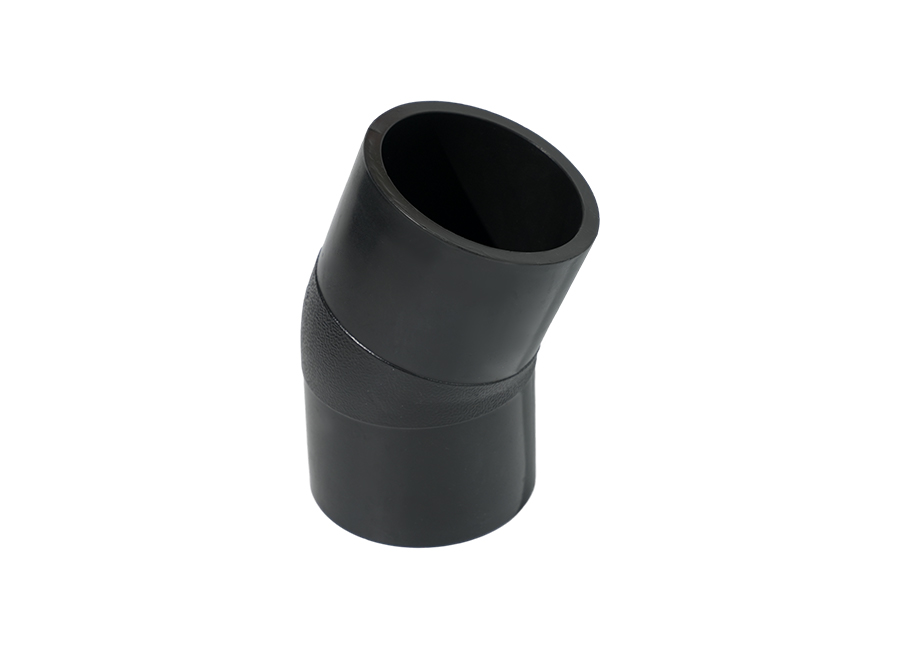
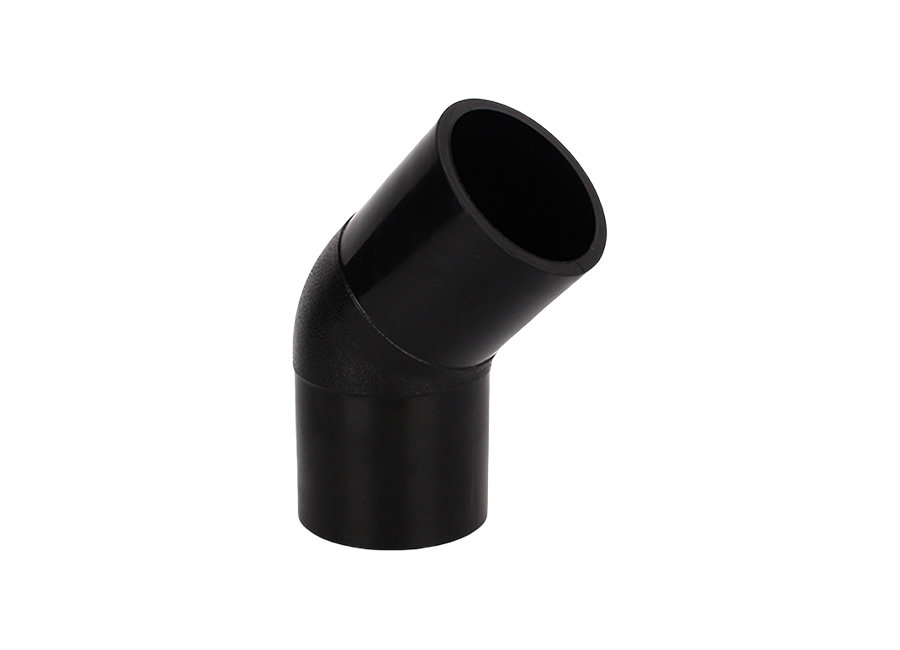
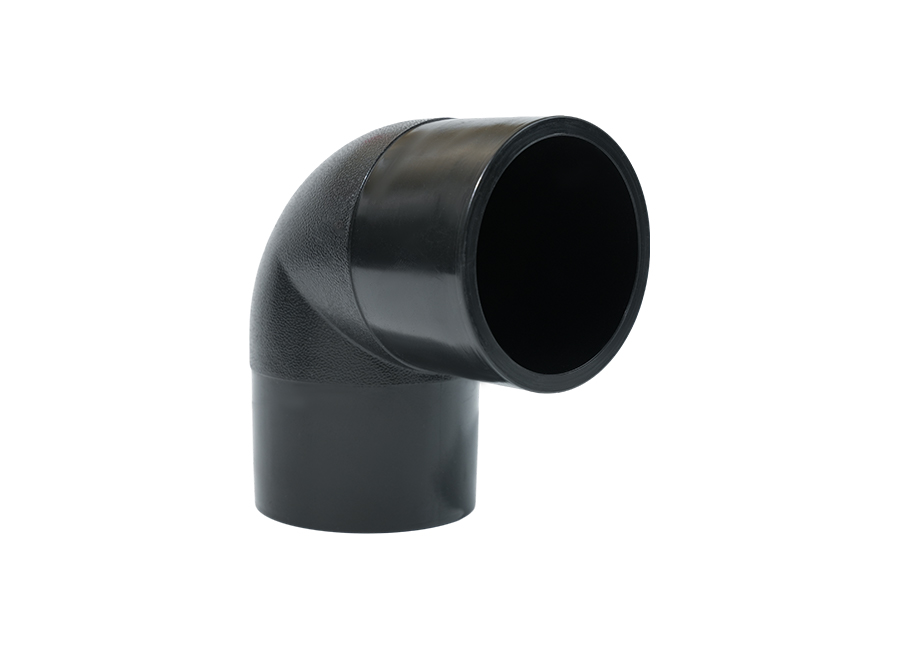
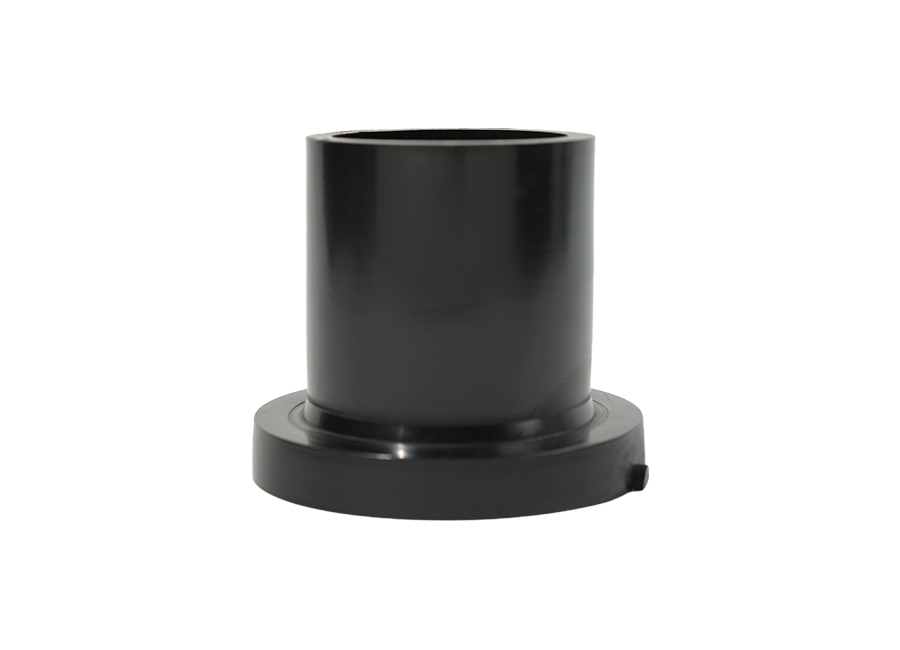
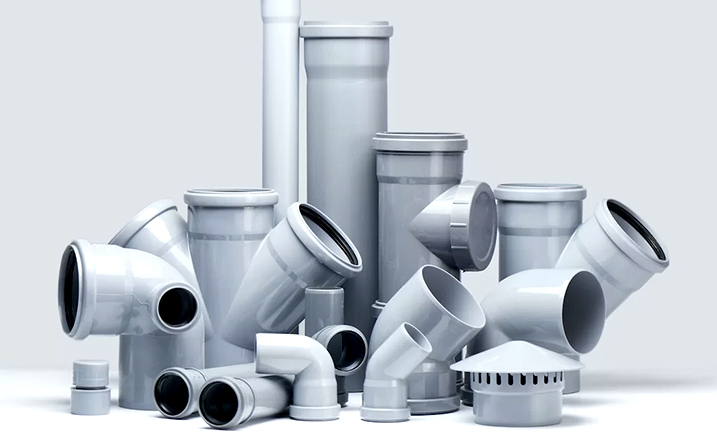
PE pipe fittings complete the piping system by handling direction changes, branch connections, reductions, and transitions to other pipe materials or valves. Fittings are generally grouped into three families, and choosing the right one depends on the jointing method already selected for the main run, the available installation space, and whether the connection needs to be dismantled in future maintenance.
- Butt fusion fittings (elbows, tees, reducers) - fused directly to the pipe end, used for permanent in-line connections on larger diameters
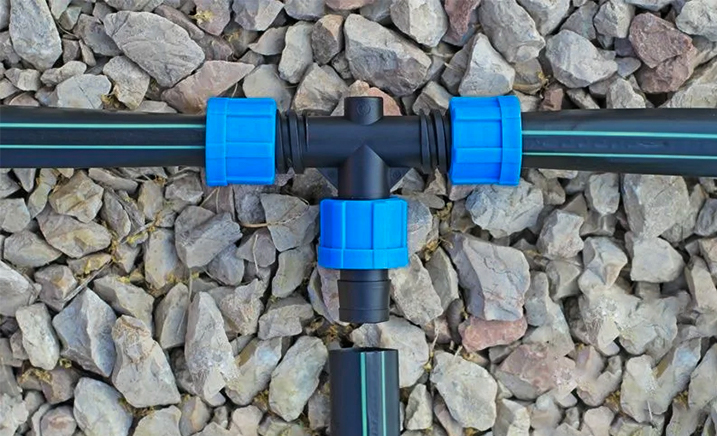
- Electrofusion fittings (couplers, saddles, branch tees) - fused using an integral heating element, suited to confined spaces and repairs
- Mechanical or compression fittings - assembled without heat fusion equipment, often used for smaller diameters or temporary connections
A common specification oversight is selecting fittings from a different SDR series than the connecting pipe, which can create a mismatch in wall thickness at the joint interface. Confirming that fittings, pipe, and jointing equipment are all rated for the same SDR PE pipe series and pressure class avoids this issue before installation begins.
Evaluating an HDPE Pipe Manufacturer or PE Pipe Supplier
When comparing an HDPE pipe manufacturer or PE pipe supplier, engineers and procurement teams typically look beyond the product data sheet to the manufacturing process itself. Consistent resin sourcing, in-house extrusion quality control, and documented batch traceability are the factors most often cited as indicators of a stable supply relationship for ongoing infrastructure projects. Since PE pipe is frequently supplied over multi-phase projects, dimensional consistency between production batches matters as much as the initial test report.
Jiangyin Huada operates as an OEM PE pipe manufacturer and PE pipe factory with a focus on product diversity across color masterbatch, plastic pipe, and pipe fitting production lines. The company's approach centers on maintaining consistent extrusion quality and supporting green manufacturing practices across its production process, which reflects the broader industry shift toward more traceable and sustainable pipe manufacturing.
- Request current test reports for MRS classification and slow crack growth resistance
- Confirm resin traceability and batch marking on delivered pipe
- Ask whether fittings and pipe are produced to the same dimensional standard
Long-Term Performance and Service Life Expectations
PE pipe's long service life is closely tied to how polyethylene resin behaves under sustained internal pressure over time, a relationship engineers evaluate through long-term hydrostatic strength (LTHS) regression testing under ISO 9080. As the line chart below illustrates, the stress a PE100 pipe can sustain gradually decreases over an extrapolated design life before stabilizing near the MRS classification point, which is the basis for the pipe's rated pressure class.
This chart is an illustrative regression trend consistent with ISO 9080 stress regression methodology rather than a specific product's raw test data, but it demonstrates why manufacturers extrapolate short-term hydrostatic testing to a projected design life rather than relying only on short-duration burst pressure figures. Because PE pipe does not rely on a corrodible metallic wall, its long-term performance profile differs from that of traditional piping materials, and its resistance to degradation from environmental factors such as UV radiation and temperature fluctuation is a major contributor to the extended service life engineers plan around. Regular inspection of exposed sections and correct installation practice remain important factors in achieving the design life reflected in this type of regression analysis.
Frequently Asked Questions
Q1. How long do PE pipes last?PE pipe design life is typically evaluated through long-term hydrostatic regression testing under ISO 9080, with pipe systems commonly planned for several decades of service when installed and operated within their rated pressure class. |
Q2. Are PE pipes suitable for drinking water?Water supply PE pipe is widely used in municipal drinking water networks when manufactured from resin and additives compliant with applicable drinking water contact standards and installed following recognized hygiene practices. |
Q3. Can PE pipes be used for natural gas?Polyethylene pipe is used in gas distribution networks in many regions, typically in SDR11 series for higher pressure classes, subject to the specific gas piping standard and local regulatory approval that applies to the project. |
Q4. What is the maximum pressure of PE pipes?Pressure capability depends on the SDR series and material grade, with common PE100 pipe classes ranging from PN4 for thin-wall SDR41 up to PN16 for SDR11, as shown in the SDR pressure rating table above. |
Q5. How are PE pipes joined?The three main jointing methods are butt fusion, electrofusion, and mechanical or compression fittings, with the choice depending on pipe diameter, site conditions, and whether the joint needs to be dismantled later. |
Q6. What is butt fusion welding?Butt fusion welding is a jointing process where two pipe ends are heated on a fusion plate, then pressed together under controlled pressure so the melted surfaces fuse into a single continuous wall as they cool. |