English
 中文简体
中文简体 русский
 عربى
عربى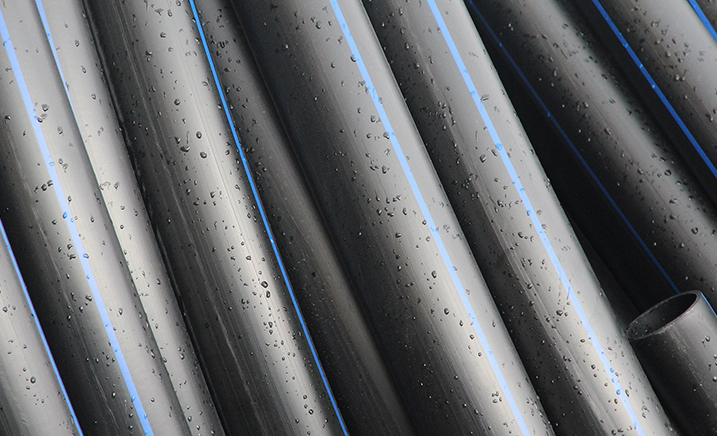
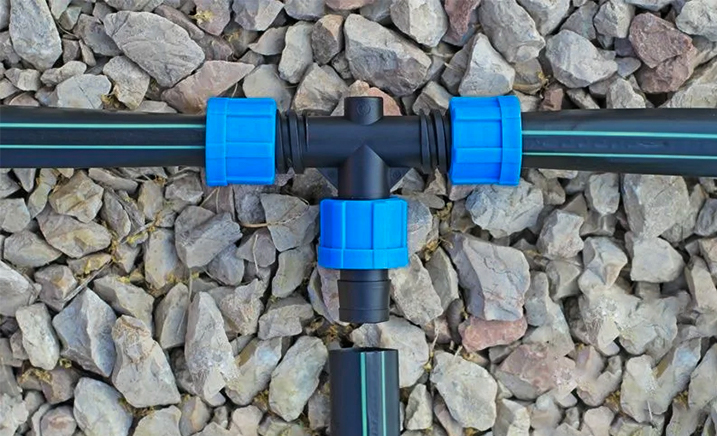
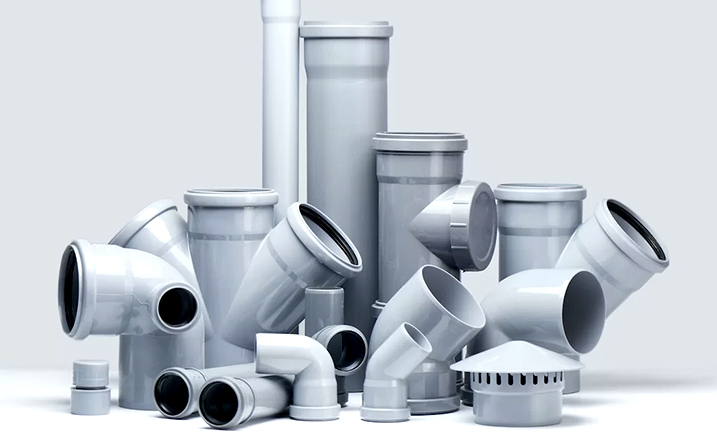
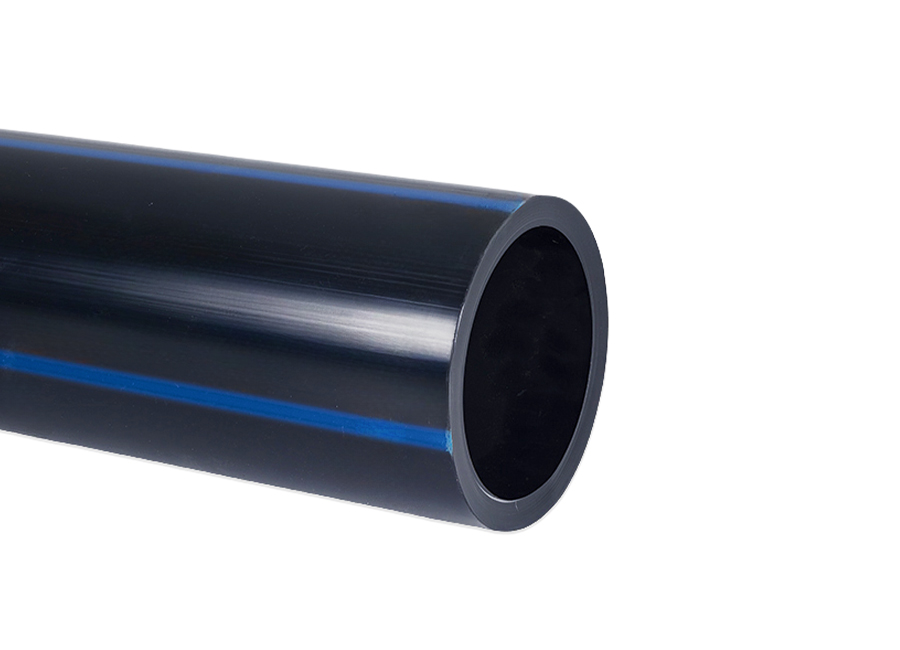
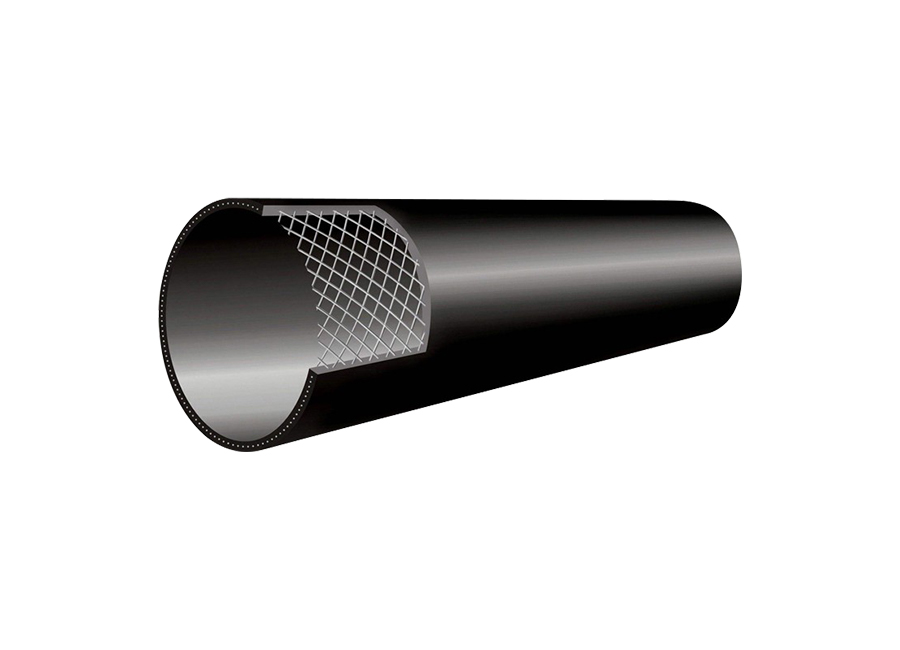
PE pipe (polyethylene pipe) and PVC pipe (polyvinyl chloride pipe) are both widely used in water supply, drainage, and underground infrastructure — but they differ fundamentally in material flexibility, chemical resistance, installation method, and service life. In short: PE pipe excels in flexibility, impact resistance, and long-term underground performance, making it the preferred choice for water supply pipe and underground polyethylene pipe systems; PVC pipe offers greater rigidity and is often favored for above-ground drainage and low-pressure applications. Understanding their differences helps engineers, contractors, and facility managers select the right pipe for each specific project.
Content
- 1 Material Composition and Basic Properties
- 2 Flexibility and Impact Resistance: A Critical Distinction
- 3 Pressure Rating and Temperature Performance
- 4 Chemical Resistance and Suitability for Water Supply
- 5 Underground Performance: Why PE Pipe Dominates Buried Applications
- 6 Side-by-Side Comparison: PE Pipe vs. PVC Pipe
- 7 Installation Methods and Field Considerations
- 8 Environmental and Sustainability Considerations
- 9 When to Choose PE Pipe and When to Choose PVC Pipe
- 10 About Jiangyin Huada
- 11 Frequently Asked Questions
Material Composition and Basic Properties
PE pipe is manufactured from polyethylene resin, most commonly PE80 or PE100 grade high-density polyethylene (HDPE). The number refers to the minimum required strength (MRS) in units of 0.1 MPa — PE100 pipe, for instance, has an MRS of 10 MPa, enabling thinner walls and lighter weight for the same pressure rating compared to PE80.
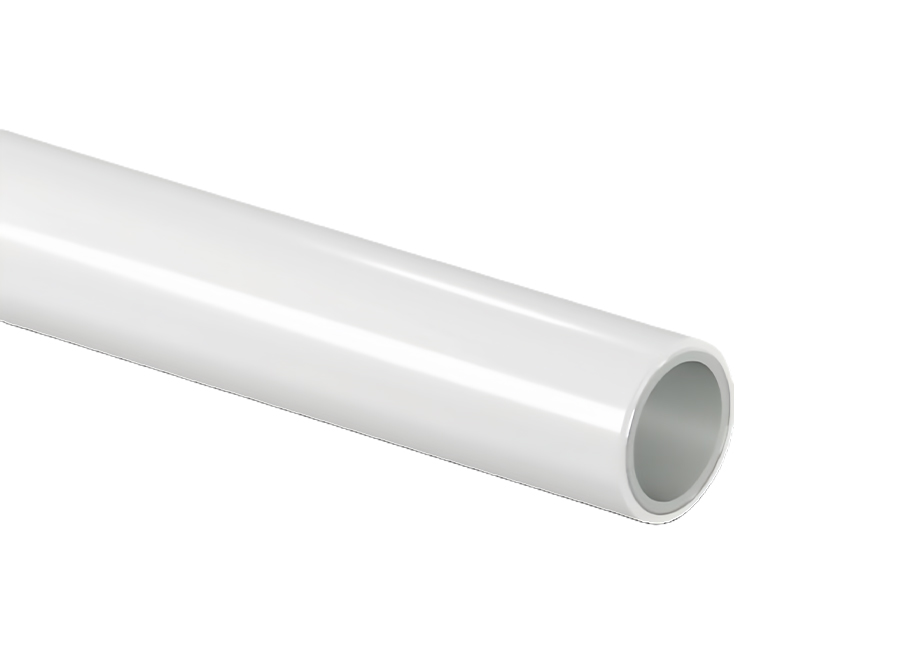
PVC pipe is made from polyvinyl chloride, typically stabilized with additives to improve processing and durability. Two subtypes are commonly used in piping: uPVC (unplasticized PVC), which is rigid and used for pressure systems and drainage, and cPVC (chlorinated PVC), which tolerates higher temperatures up to approximately 93°C.
The core difference begins at the molecular level: polyethylene is a non-polar, semi-crystalline thermoplastic with inherent flexibility, while PVC is an amorphous thermoplastic that is inherently rigid unless plasticizers are added.
Flexibility and Impact Resistance: A Critical Distinction
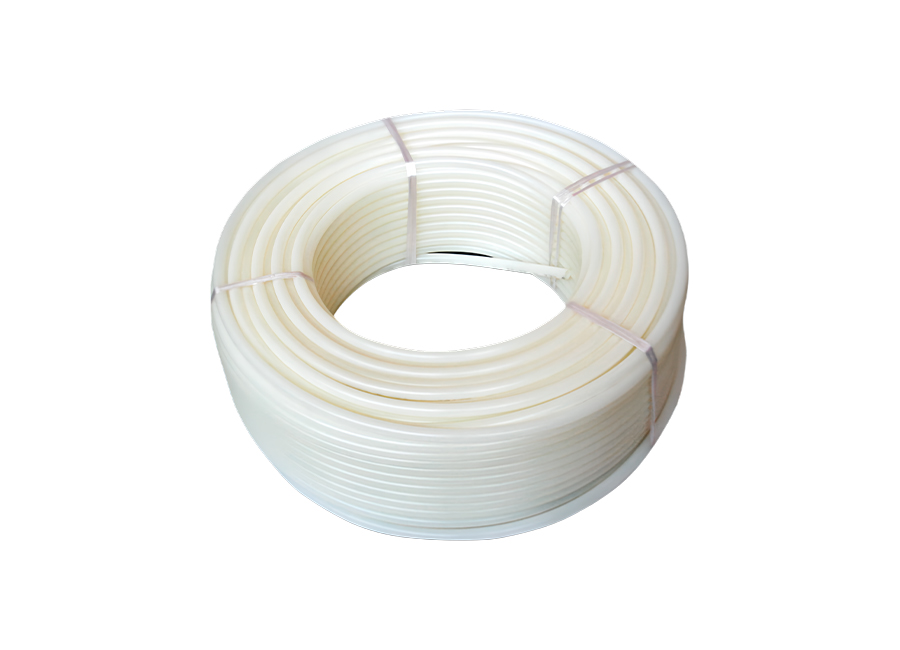
One of the most practically significant differences between the two materials is flexibility. PE pipe can be bent to a radius as small as 20–25 times its outer diameter without cracking, allowing it to be coiled and installed in long continuous runs. This dramatically reduces the number of fittings required and the potential leak points in an underground polyethylene pipe network.
PVC pipe is rigid and cannot be bent in the field. Any change in direction requires fittings with solvent-cemented or gasketed joints — each of which is a potential failure point. In areas with active soil movement, tree root intrusion, or seismic risk, PVC's rigidity is a disadvantage.
Impact resistance testing confirms this gap: PE100 pipe retains high impact toughness even at temperatures as low as -40°C, with a notched impact strength typically exceeding 50 kJ/m². PVC pipe becomes noticeably brittle below 0°C and can fracture under impact loads at cold temperatures, a serious concern for above-ground installations in colder climates.
Pressure Rating and Temperature Performance
Both PE pipe and PVC pipe are pressure-rated, but their performance diverges at elevated temperatures. PE pipe maintains useful pressure ratings up to 60°C for water supply applications, with a defined derating curve above 20°C. PVC pipe is generally limited to service temperatures below 60°C for uPVC, with pressure ratings that drop significantly as temperature rises — at 40°C, a uPVC pipe rated PN16 at 20°C may only sustain PN10 or less.
Approximate Retained Pressure Rating vs. Temperature (% of 20°C Rating)
At 20°C (baseline)
At 40°C
At 60°C
Figure 1: Approximate retained pressure capacity at elevated temperatures for PE100 and uPVC pipes
Chemical Resistance and Suitability for Water Supply
For potable water supply pipe applications, chemical inertness is non-negotiable. PE pipe offers excellent resistance to a broad range of chemicals, including acids, alkalis, salts, and disinfectants such as chlorine and chloramine. It does not corrode, rust, or scale internally, maintaining a smooth bore throughout its service life and preserving water quality.
PVC pipe also provides good chemical resistance under normal conditions. However, certain organic solvents, high chlorine concentrations, and some industrial chemicals can degrade PVC over time. Additionally, concerns have been raised in some regulatory frameworks about trace migration of stabilizer compounds from PVC into potable water, which has led several markets to prefer PE for drinking water distribution.
Both materials are approved for potable water use under international standards (ISO 4427 for PE pipe; ISO 1452 for uPVC pipe), but specifiers should always verify compliance with local drinking water regulations for the region of installation.
Underground Performance: Why PE Pipe Dominates Buried Applications
Underground polyethylene pipe has become the dominant choice for buried water mains, gas distribution, and sewer force mains for several well-documented reasons:
- Butt fusion and electrofusion jointing: PE pipe sections are joined by heat fusion, creating a monolithic, joint-free pipeline with leak-free performance. There are no gaskets, adhesives, or mechanical fittings that can loosen over time. Properly made fusion joints are as strong as the pipe itself.
- Resistance to soil movement: PE pipe's flexibility allows it to accommodate differential settlement, frost heave, and minor seismic activity without cracking. PVC rigid joints can shear or open in active soils.
- Service life: Properly installed underground polyethylene pipe is designed for a service life of 50 to 100 years under normal operating conditions, according to ISO 9080 extrapolated lifetime calculations.
- Trenchless installation compatibility: PE pipe is used extensively in horizontal directional drilling (HDD), pipe bursting, and slip-lining rehabilitation because it can be pulled through existing conduits without damaging the pipe.
PVC remains competitive in gravity sewer systems and short underground runs where rigidity assists with maintaining gradient, but for pressurized underground water supply networks, PE pipe has largely displaced PVC in modern infrastructure projects worldwide.
Side-by-Side Comparison: PE Pipe vs. PVC Pipe
| Property | PE Pipe (PE100) | PVC Pipe (uPVC) |
|---|---|---|
| Flexibility | High — can be coiled and bent | Rigid — cannot be bent in field |
| Impact Resistance (at 0°C) | Excellent (retains toughness to -40°C) | Reduced — brittle below 0°C |
| Max. Service Temp. | 60°C (pressure rated) | 60°C (uPVC); 93°C (cPVC) |
| Jointing Method | Butt fusion / electrofusion (leak-free) | Solvent cement / rubber ring gasket |
| Design Service Life | 50–100 years | 25–50 years |
| UV Resistance (uncoated) | Limited — requires carbon black or coating | Moderate — degrades with prolonged exposure |
| Trenchless Installation | Fully compatible (HDD, pipe bursting) | Limited compatibility |
| Potable Water Approval | Yes (ISO 4427, NSF 61) | Yes (ISO 1452, NSF 61) |
| Recyclability | High — thermoplastic recyclable | Moderate — recycling more complex due to additives |
Installation Methods and Field Considerations
Installation practicality often influences material selection as much as engineering performance does.
PE Pipe Installation
PE pipe is typically supplied in coils (smaller diameters up to DN 160) or straight lengths (larger diameters). Joining requires a butt fusion machine or electrofusion controller, along with trained operators. A correctly executed fusion joint takes 3–8 minutes of heating time depending on wall thickness, followed by a cooling period before the pipe can be pressurized. The result is a fully monolithic pipeline with zero leakage potential at the joint.
PVC Pipe Installation
PVC pipe requires no special equipment for jointing — solvent cement joints can be made with basic tools and cure within minutes under normal conditions. This simplicity makes PVC attractive for small-scale or above-ground plumbing projects. However, solvent-cemented joints require a cure time of 24 hours before full pressure testing in many specifications, and joints are not reversible once made.
Handling and Transport
PE pipe in coil form reduces the number of truck deliveries needed for large underground projects — a single coil of DN 63 PE pipe can contain 100–200 meters of continuous pipe, eliminating the need for multiple joints compared to 6-meter PVC sticks. For large-diameter mains (DN 200+), both materials are supplied in straight lengths.
Environmental and Sustainability Considerations
Sustainability considerations are increasingly influencing material selection in infrastructure projects. PE pipe compares favorably on several environmental metrics:
- Lower leak rate: Fused PE pipe networks have virtually zero leakage, reducing non-revenue water losses. Studies in urban water distribution show that replacing aging PVC or ductile iron mains with PE pipe can reduce network leakage by 30–50%.
- Recyclability: Polyethylene is a thermoplastic that can be reprocessed and recycled at end of life. PVC recycling is more complex due to stabilizer and plasticizer content.
- No chlorine in manufacturing: PE pipe production does not involve chlorine chemistry, unlike PVC, which requires chlorine in its monomer synthesis — a factor considered in lifecycle assessments for green building certification programs.
- Long service life reduces replacement frequency: A 100-year design life means fewer excavations, less embodied carbon from replacement materials, and lower disruption to urban environments over the infrastructure lifecycle.
When to Choose PE Pipe and When to Choose PVC Pipe
Based on the performance characteristics and application data above, the following guidelines apply:
Choose PE Pipe When:
- Installing a pressurized underground water supply pipe or gas distribution main
- Working in areas with active ground movement, seismic zones, or frost-prone soils
- Using trenchless installation methods (HDD, pipe bursting, slip-lining)
- Requiring a leak-free, long-life (50–100 year) pipeline with minimal maintenance
- Operating at low temperatures or in cold climates where impact resistance is critical
Choose PVC Pipe When:
- Installing gravity drainage, sewer, or stormwater systems where rigidity helps maintain slope
- Working on above-ground plumbing in moderate temperature environments
- Requiring simple field jointing without specialized fusion equipment
- Building in hot climates where cPVC's higher temperature rating is needed for hot water lines
About Jiangyin Huada
Color your world with excellence and innovation — Jiangyin Huada is your trusted source for premium color masterbatch, high-quality plastic pipes, and fittings. The company's unwavering commitment to the pipe and pipeline industry, emphasis on product diversity, and dedication to green environmental practices and sustainable development have earned the trust and praise of numerous customers worldwide.
As a professional OEM PE Pipe Manufacturer and PE Pipe Factory, Jiangyin Huada's brand story is one of continuous progress and innovation. The company is dedicated to creating more value for customers and contributing to the advancement of the industry. Through sustained effort and adherence to core principles — quality, reliability, and environmental responsibility — Jiangyin Huada continues to build its reputation as a leading supplier of PE pipe and related plastic pipeline products in both domestic and international markets.