English
 中文简体
中文简体 русский
 عربى
عربى
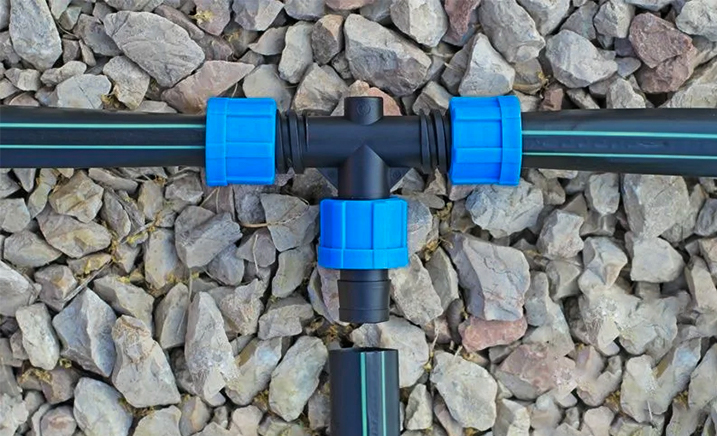
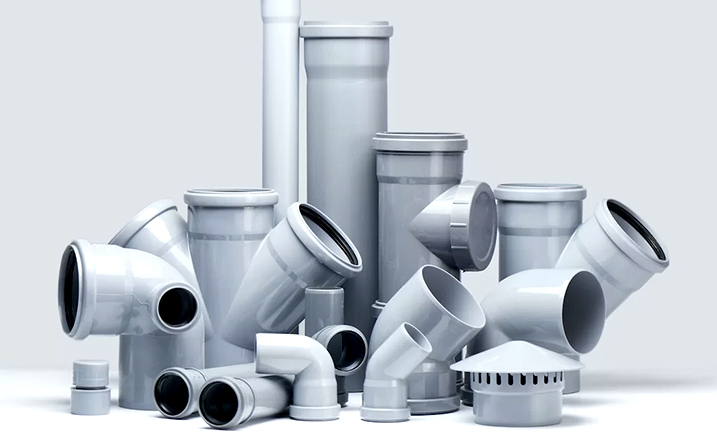
The five most common PE pipe installation mistakes — incorrect fusion parameters, inadequate bedding preparation, improper joint cooling, wrong SDR selection, and poor trench backfill — account for the majority of field failures reported in pressure pipeline systems. Each of these errors is entirely preventable with the right preparation and process discipline. This article identifies each mistake, explains why it causes failures, and provides the specific corrective action that eliminates the risk before the pipe goes in the ground.
Content
- 1 Mistake 1: Using Incorrect Fusion Parameters
- 2 Mistake 2: Inadequate Trench Bedding and Pipe Support
- 3 Mistake 3: Insufficient Joint Cooling Before Handling
- 4 Mistake 4: Selecting the Wrong SDR Rating for the Operating Pressure
- 5 Mistake 5: Poor Backfill Compaction and Trench Reinstatement
- 6 How These Mistakes Compound: The Cost of Getting It Wrong
- 7 Pressure Testing: The Final Check Before Commissioning
- 8 About Jiangyin Huada
- 9 Frequently Asked Questions
Mistake 1: Using Incorrect Fusion Parameters
Butt fusion and electrofusion are the standard jointing methods for PE pressure water pipe systems. Both are highly reliable — when performed within the correct parameter window. Deviations in temperature, pressure, or cooling time are the leading cause of joint failure in PE pipelines, responsible for an estimated 35–40% of all field leak events in fused polyethylene systems.
Why It Happens
Fusion parameters vary by pipe wall thickness (SDR), material grade (PE80 vs PE100), and ambient temperature. Crews working across multiple project types frequently apply a single familiar set of parameters to all situations — a practice that creates cold welds when heater plate temperature is too low or oxidized, degraded fusion zones when temperature is too high, and insufficient molecular entanglement when fusion pressure is below specification.
How to Avoid It
- Always source fusion parameters from the pipe manufacturer's current technical documentation, not from memory or historical job records.
- Verify heater plate temperature with a calibrated pyrometer before each session — 220–230°C ± 5°C is the standard range for most PE100 butt fusion, but confirm against your specific pipe specification.
- Adjust heating time by +10% for every 10°C drop in ambient temperature below 10°C. Cold conditions cool the pipe ends faster and require longer contact time to achieve the correct bead formation.
- Record all fusion parameters and operator ID on a joint log for each weld — this creates traceability and allows rapid identification of systematic errors if leaks appear during pressure testing.
Mistake 2: Inadequate Trench Bedding and Pipe Support
PE pipe is a flexible conduit — it relies on the surrounding soil to share external loads. When bedding is poorly prepared, point loads from rocks, hard clods, or uneven subgrade concentrate stress at specific locations along the pipe wall, leading to long-term ovality, joint stress, and eventually cracking. Studies of exhumed PE pipelines show that over 60% of ovality-related failures trace back to inadequate bedding at initial installation.
Why It Happens
Bedding preparation is time-consuming and adds cost that project schedules and budgets resist. Crews under pressure to complete linear footage will often lay pipe directly on rough subgrade or backfill with excavated material containing large aggregate, sharp stones, or frozen lumps — all of which create point contacts that PE pipe cannot sustain indefinitely under operating pressure.
How to Avoid It
- Prepare a minimum 150 mm compacted sand or fine gravel bedding layer (particle size ≤ 20 mm, no sharp edges) below the pipe invert.
- Haunch the bedding material up to the pipe centerline and compact it carefully to prevent pipe movement during backfill.
- Continue with selected fill (same specification) from centerline to 300 mm above the pipe crown before introducing native backfill.
- Never use frozen material, clay lumps, or excavated material containing stones larger than 40 mm anywhere within the pipe zone.
Mistake 3: Insufficient Joint Cooling Before Handling
A butt fusion joint must cool under pressure for the full manufacturer-specified cooling time before the clamps are released and the pipe string is moved. Releasing the fusion machine early — even by a few minutes — while the joint is still above the pipe's crystallization temperature leaves the weld in a partially amorphous state that has significantly reduced tensile and pressure resistance.
Why It Happens
Cooling time for a large-diameter pipe can exceed 30–45 minutes per joint. On projects paid by linear meter or joint count, the economic pressure to reduce cycle time is significant. Crews also underestimate how much ambient conditions affect cooling — a joint that takes 20 minutes to cool on a warm day may need 35 minutes in cold or windy conditions.
How to Avoid It
- Follow the pipe manufacturer's minimum cooling time table — cooling time scales approximately with pipe wall thickness squared. For PE100 with a 25 mm wall, this is typically 30–35 minutes at 20°C ambient.
- Use a calibrated timer, not visual judgment, to determine when cooling is complete. Bead color and surface temperature to touch are unreliable indicators of internal joint temperature.
- Never accelerate cooling with water or compressed air — rapid cooling induces thermal stresses that reduce long-term joint integrity.
- In cold weather, add a wind shield around the fusion area to slow ambient cooling of the pipe ends during heating, and extend the cooling dwell time as specified in cold-weather fusion guidelines.
Mistake 4: Selecting the Wrong SDR Rating for the Operating Pressure
SDR (Standard Dimension Ratio) is the ratio of pipe outside diameter to wall thickness. It directly determines the pipe's pressure rating. Specifying a higher SDR than the system requires means a thinner wall and a lower pressure capacity — a calculation error that is particularly consequential in HDPE water supply pipe systems where surge pressures can significantly exceed static operating pressure.
The table below shows the relationship between SDR, wall thickness, and maximum allowable operating pressure (MAOP) for PE100 pipe at 20°C:
| SDR | Wall Thickness (110 mm OD) | MAOP (bar) | Typical Application |
|---|---|---|---|
| SDR 11 | 10.0 mm | 16 | High-pressure water mains, gas distribution |
| SDR 13.6 | 8.1 mm | 12.5 | Municipal water supply, irrigation mains |
| SDR 17 | 6.5 mm | 10 | Low-pressure water distribution, drainage |
| SDR 21 | 5.3 mm | 8 | Gravity drainage, non-pressure applications |
| SDR 26 | 4.2 mm | 6.3 | Gravity sewer, conduit sleeves |
How to Avoid It
- Calculate maximum operating pressure including water hammer allowance — transient surge can be 1.5 to 2× the steady-state operating pressure in systems with fast-acting valves or pump starts.
- Apply a design factor appropriate to the service life and temperature — at 40°C, the pressure rating of PE100 pipe is reduced by approximately 20% compared to 20°C rating.
- Always confirm the SDR specification against the hydraulic design report before procurement — do not rely on SDR markings alone on pipe already delivered to site, as mislabeling errors, while rare, do occur.
Mistake 5: Poor Backfill Compaction and Trench Reinstatement
The final stage of PE pipe installation — backfilling the trench — is where many otherwise well-executed projects fail. Incorrect compaction equipment, loose lifts that are too deep, and premature trafficking over the trench before adequate cover is achieved are all common errors. The consequences include pipe ovality exceeding design limits, joint displacement at fittings, and differential settlement that breaks service connections.
Why It Happens
Backfill compaction is labor-intensive and slow. Mechanical compactors used too close to the pipe can transmit impact loads that damage fittings and connections. Conversely, hand-tamping used to protect the pipe zone is often too light to achieve the specified density, resulting in trench settlement that distorts the installed pipe geometry over time.
How to Avoid It
- Compact backfill in maximum 200 mm loose lifts within the pipe zone. Thicker lifts trap air and create voids that collapse under traffic loading.
- Use plate compactors or hand tampers only within the pipe zone (up to 300 mm above crown). Do not use vibratory rollers or heavy compaction equipment until at least 600 mm of cover exists above the pipe crown.
- Achieve a minimum 90% Proctor density in the pipe zone and 95% in the upper trench zone below pavement. Verify with nuclear density gauge or sand-cone tests at intervals specified in the project specification.
- Prohibit vehicle traffic over the trench until the full trench cross-section has been reinstated and compacted. Temporary steel trench plates may be used for short-duration access but do not substitute for proper compaction.
The chart below shows the relationship between compaction quality (expressed as Proctor density %) and long-term pipe ovality for flexible PE pipelines — illustrating how inadequate compaction directly translates to structural distortion:
How These Mistakes Compound: The Cost of Getting It Wrong
Each of the five mistakes above can cause failure independently, but in practice they often occur together. A joint made with incorrect fusion parameters installed in a poorly bedded trench with inadequate backfill compaction is subjected to bending stress, point loading, and thermally induced movement simultaneously — conditions that guarantee premature failure regardless of how high the pipe's inherent material quality is.
The chart below compares the relative contribution of each mistake category to documented field failures in PE pressure pipeline systems:
Pressure Testing: The Final Check Before Commissioning
A hydrostatic pressure test conducted before trench reinstatement and commissioning catches installation errors before they become operational failures. For HDPE water supply pipe systems, the standard test procedure involves:
- Pre-test soak: Fill the line and allow it to stand at working pressure for a minimum of 1 hour before beginning the formal test. PE pipe exhibits visco-elastic expansion that absorbs water during initial pressurization — this soak period allows the pipe to stabilize.
- Test pressure: Apply 1.5× the maximum allowable operating pressure (MAOP) for the test duration. Do not exceed the manufacturer's maximum allowable test pressure, which accounts for SDR and material grade.
- Hold period: Maintain test pressure for a minimum of 30 minutes with no make-up water added. A measurable pressure drop indicates a leak or joint deficiency that must be located and repaired before backfill.
- Documentation: Record test pressure, start/end times, and pressure gauge readings at regular intervals. This record forms part of the project as-built documentation and is required for most utility authority approvals.
About Jiangyin Huada
Color your world with excellence and innovation — Jiangyin Huada is your trusted source for premium color masterbatch, high-quality plastic pipes, and fittings. Our unwavering commitment to the pipe and pipeline industry, emphasis on product diversity, and dedication to green environmental practices and sustainable development have earned us the trust and recognition of customers worldwide. Our brand has become a symbol of reliability and trustworthiness in the fluid conveyance industry.
As a professional OEM PE Pipe Manufacturer and PE Pipe Factory, our brand story is one of continuous progress and innovation. The Huada PE Pipe Series includes HDPE, SRTP, PERT, and PERT aluminum-plastic composite pipes — all known for their corrosion resistance, pressure resistance, and environmental sustainability.
HDPE and SRTP pipes are ideal for demanding engineering projects including construction fire protection systems, underground pipelines, and critical infrastructure where high pressure resistance and corrosion immunity are required. PERT and PERT aluminum-plastic composite pipes are specifically designed for domestic water supply, floor heating systems, and hot water applications, offering flexibility, high-temperature resistance, and lasting durability.
PE pressure water pipe products from Jiangyin Huada are available in various sizes and pressure ratings, customizable to meet the unique requirements of your project — whether for water transportation, irrigation, or gas distribution. We will continue to create value for customers and contribute to the development of the industry, working toward the objective of ensuring mutual satisfaction among customers and employees.
Frequently Asked Questions
Q1: What is the minimum cover depth for a buried PE pipe?
For most PE pipe applications in non-trafficked areas, a minimum cover of 600 mm above the pipe crown is standard. In areas subject to vehicle traffic, cover should be increased to a minimum of 900 mm, or the pipe should be sleeved or encased in concrete in areas where minimum cover cannot be achieved. Always confirm with local authority and project specification requirements, as these vary by jurisdiction and pipe diameter.
Q2: Can HDPE water supply pipe be installed in freezing conditions?
Yes, but with additional precautions. HDPE water supply pipe becomes less flexible at temperatures below 0°C and more susceptible to impact damage during handling. Fusion welding should not be performed below −5°C without a purpose-built heated enclosure around the joint area. Pipe should be handled carefully in cold conditions to avoid cracking at fittings or connection points, and the fusion parameter heating time must be extended as specified in the manufacturer's cold-weather installation guide.
Q3: How do I choose between butt fusion and electrofusion for joining PE pressure water pipe?
Butt fusion is generally preferred for straight pipe-to-pipe joints in large-diameter PE pressure water pipe (typically 63 mm OD and above) because it is faster on long runs and produces a joint with no components that can fail independently. Electrofusion is preferred for connections in confined spaces, for joining pipes of different wall thicknesses, for service connections, and for repairs where the full butt fusion clamp cannot be positioned. Both methods produce joints of equivalent long-term integrity when performed correctly.
Q4: What SDR should I specify for a municipal water main operating at 10 bar?
For a system with a steady-state operating pressure of 10 bar, SDR 17 PE100 pipe has a rated MAOP of exactly 10 bar at 20°C — providing no surge margin. In practice, SDR 13.6 (MAOP 12.5 bar) or SDR 11 (MAOP 16 bar) should be specified to accommodate water hammer, elevation head variations, and the pressure de-rating that applies as water temperature rises above 20°C. Always consult the hydraulic design and apply an appropriate design factor before finalizing SDR selection.
Q5: How long does a correctly installed PE pipe system last?
PE pipe systems correctly specified, installed, and operated within their rated parameters are designed for a service life of 50 years or more, based on extrapolation of long-term hydrostatic strength (LTHS) data per ISO 9080. The key variables that affect actual service life are operating temperature (higher temperatures accelerate creep and reduce pressure rating), UV exposure (unprotected above-ground runs should be avoided or shielded), and the quality of fusion joints — which, when made correctly, match or exceed the pipe's own long-term strength.