English
 中文简体
中文简体 русский
 عربى
عربى
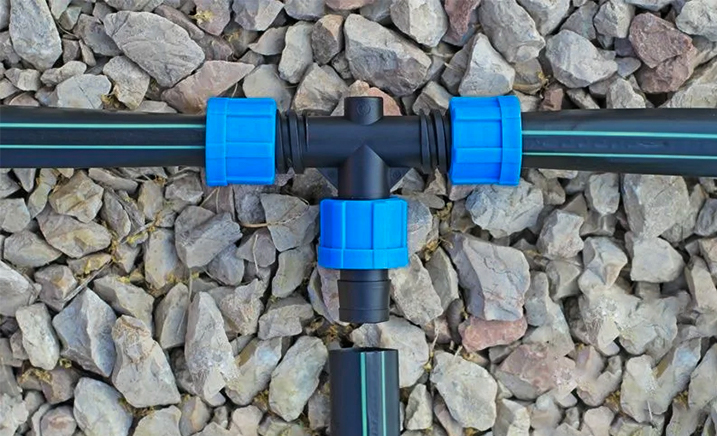
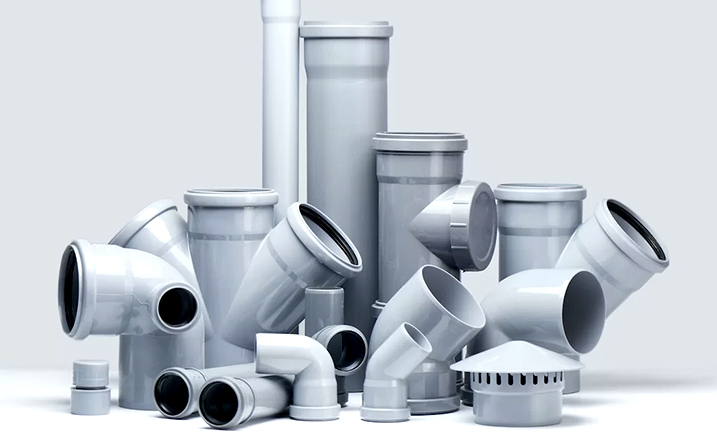
Over 99% of PVC pipe leakage failures are preventable — and the data consistently shows that virtually all of them trace back to three root causes: substandard pipe selection, improper installation technique, and inadequate joint preparation. In water supply, drainage, irrigation, and industrial piping systems alike, leaks are not random events. They are predictable outcomes of specific, correctable mistakes.
This guide gives you a complete, practical framework for preventing PVC pipe leakage — covering material selection, pressure rating verification, solvent cement jointing, mechanical fitting installation, and long-term maintenance — so that every system you install or manage performs reliably for its full service life.
Content
- 1 Why PVC Pipe Leakage Happens: The Real Root Causes
- 2 Selecting the Right PVC Pipe for Your Application
- 3 PVC Pipe Fittings: Why Fitting Quality Determines Joint Integrity
- 4 The Correct Solvent Cement Jointing Procedure — Step by Step
- 5 Managing Thermal Expansion in UPVC Water Supply Pipe Runs
- 6 Protecting PVC Pipe from UV Degradation in Outdoor Installations
- 7 Pressure Testing: The Final Gate Before System Commissioning
- 8 Preventive Maintenance Schedule for Long-Term Leak-Free Performance
- 9 About the Manufacturer: Jiangyin Huada
- 10 Frequently Asked Questions
Why PVC Pipe Leakage Happens: The Real Root Causes
Understanding failure modes is the first step to eliminating them. Field investigations of PVC pipe system failures across residential, commercial, and agricultural installations consistently identify the same contributing factors in order of frequency:
- Joint failure from incorrect solvent cement application — accounts for approximately 38% of PVC system leaks
- Pressure rating mismatch — using Schedule 40 pipe in Schedule 80 service conditions accounts for roughly 21% of failures
- Thermal expansion stress at fixed joints — causes approximately 16% of long-run failures
- Improper pipe cutting leaving rough edges — contributes to 13% of solvent joint failures
- UV degradation in above-ground unprotected installations — responsible for roughly 9% of outdoor system failures
- Water hammer and surge pressure events — accounts for the remaining 3% in pressurized systems
Every one of these causes is addressable with correct material selection, proper installation practice, and a basic preventive maintenance schedule. None require expensive specialty equipment or highly specialized skills — only disciplined adherence to established procedures.
Selecting the Right PVC Pipe for Your Application
The single most impactful decision in any piping project is made before a single joint is assembled: choosing the correct pipe specification for the service conditions. Using an undersized pressure rating or the wrong pipe type for the fluid being conveyed sets up a system for eventual failure regardless of how well it is installed.
PVC vs. UPVC: Understanding the Difference
Standard PVC (polyvinyl chloride) contains plasticizers that provide flexibility, which reduces pressure ratings and chemical resistance. UPVC (unplasticized PVC) — used in UPVC water supply pipe systems — contains no plasticizers, giving it superior rigidity, higher pressure capacity, better chemical resistance, and longer service life. For potable water supply, irrigation under pressure, and any application requiring sustained pressure performance, UPVC is the correct specification.
Pressure Class and Wall Thickness Selection
PVC pressure pipe is rated by pressure class (PN rating or Schedule designation) that specifies the maximum sustained working pressure at 23°C. Selecting a pressure class requires knowing not just the static system pressure, but also the surge pressure allowance. As a general rule, the design working pressure should not exceed 75% of the pipe's rated pressure to provide adequate safety margin for water hammer and pressure transients.
| Pipe Class | Rated Pressure (bar) | Recommended Max Working Pressure (bar) | Typical Application |
|---|---|---|---|
| PN6 / SDR 26 | 6 | 4.5 | Gravity drainage, low-pressure irrigation |
| PN10 / SDR 17 | 10 | 7.5 | Residential water supply, agricultural mains |
| PN16 / SDR 11 | 16 | 12 | Commercial water supply, pressurized irrigation |
| PN20 / Schedule 80 | 20 | 15 | Industrial, high-pressure process piping |
Note that pressure ratings decrease as temperature rises. At 40°C, a PN16 pipe should be derated to approximately PN10 service. For hot-climate outdoor installations or applications with warm fluid, always apply the manufacturer's temperature derating factor before finalizing pipe class selection.
PVC Pipe Fittings: Why Fitting Quality Determines Joint Integrity
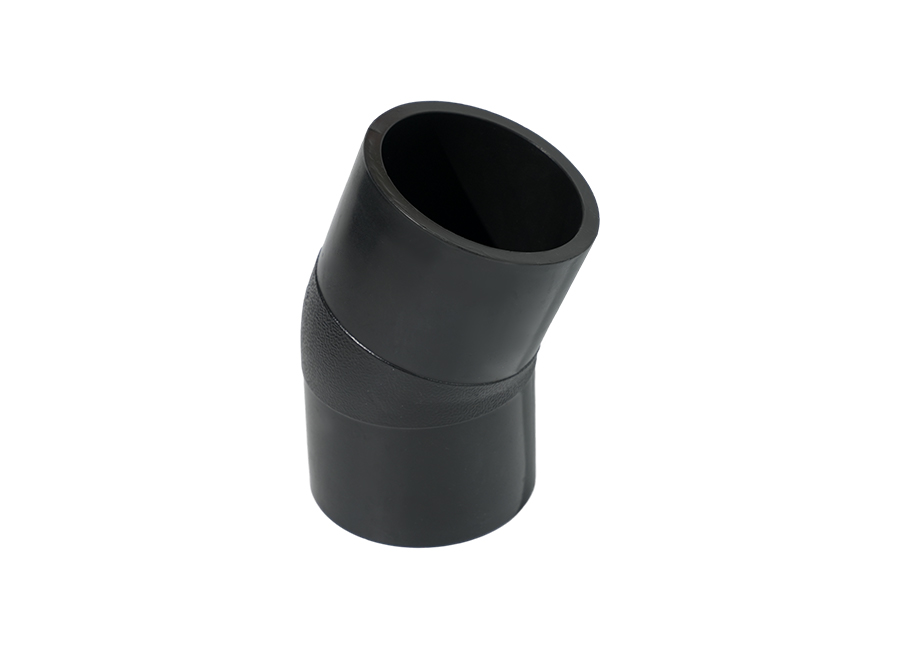
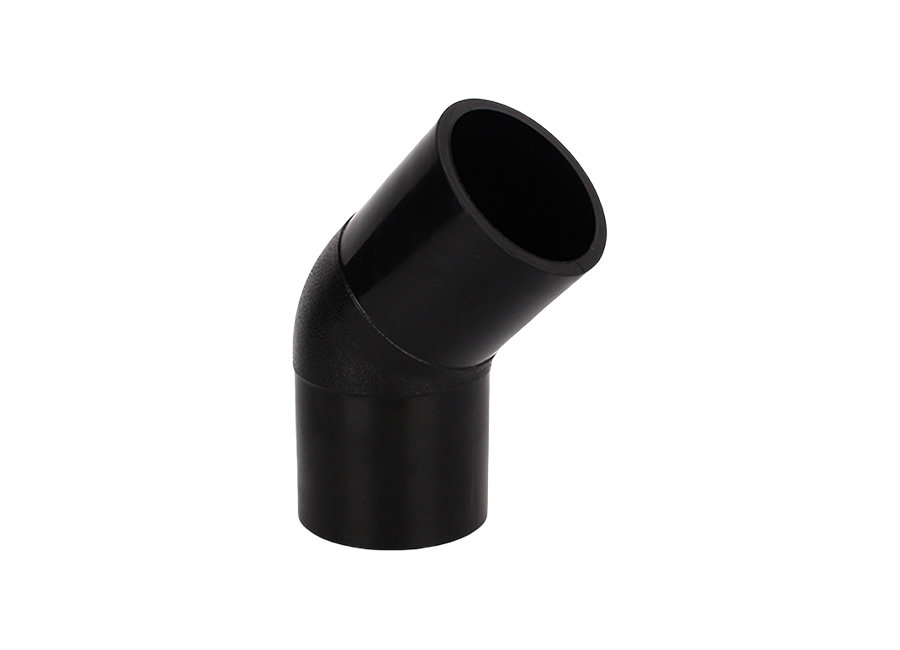
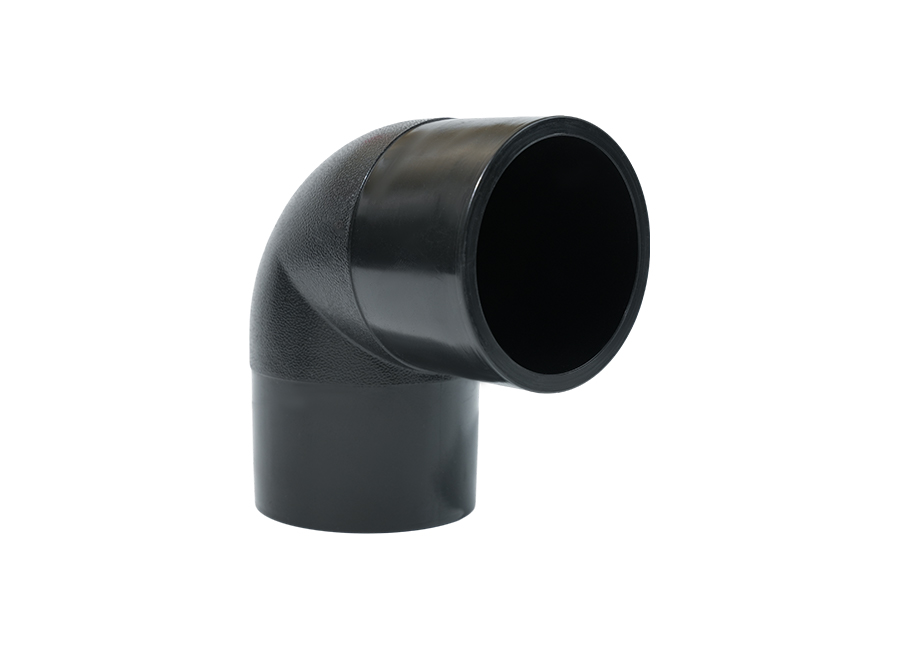
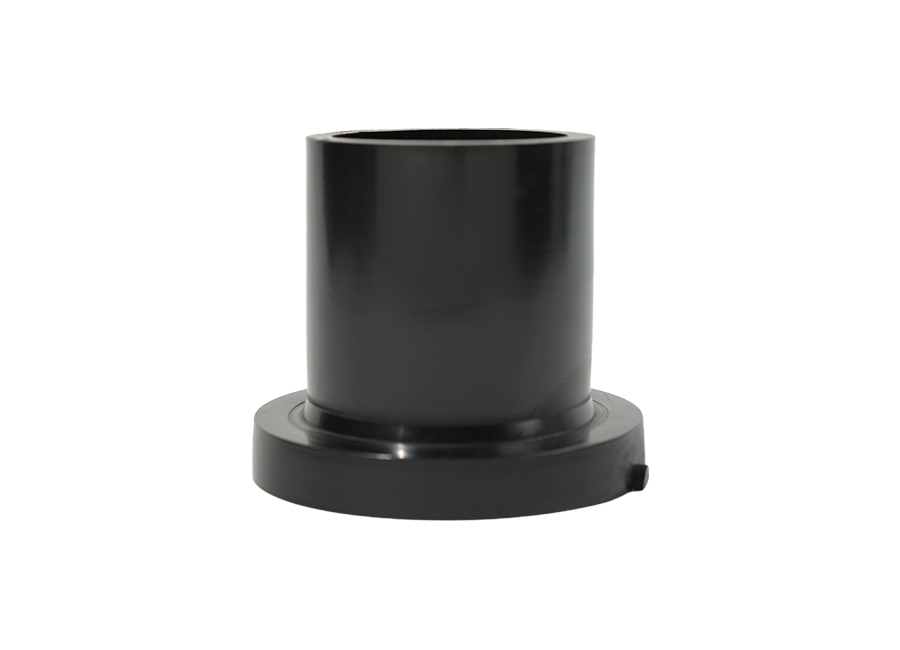
The joint between a pipe and its fitting is statistically the most leak-prone location in any PVC system. PVC pipe fittings must match the pipe's pressure rating, material specification, and dimensional standard precisely — mixing pipe and fitting specifications from different standards is one of the most common sources of premature joint failure.
Key requirements for leak-free fittings selection:
- Same pressure class: Never connect a PN16 pipe with PN10 fittings. The fitting is always the system's weak point if it is rated lower than the pipe.
- Same material specification: UPVC pipe requires UPVC fittings. Standard PVC fittings have different solvent cement compatibility and lower pressure performance.
- Same dimensional standard: ISO 4422, ASTM D2466, and AS/NZS 1477 fittings have different socket depths and tolerances. Cross-standard mixing results in poorly fitting sockets that produce weak joints.
- Verify socket fit before cementing: A correctly matched pipe and fitting should achieve a push fit of approximately one-third to two-thirds of the socket depth before cement is applied. A pipe that drops fully to the socket bottom without resistance indicates an oversized socket — do not cement this combination.
The Correct Solvent Cement Jointing Procedure — Step by Step
Solvent cement jointing — when performed correctly — creates a joint that is often stronger than the pipe itself. The solvent partially dissolves and fuses the mating surfaces of the pipe and fitting, creating a monolithic bond with no mechanical interface to leak. When performed incorrectly, however, the bond is partial, voids form in the joint, and failure under pressure is virtually guaranteed.
- Cut the pipe square: Use a pipe cutter or fine-tooth saw with a miter guide. A cut more than 1–2° off square reduces bonding area and creates stress concentration at the joint shoulder. Never use angle grinders or reciprocating saws without a guide.
- Deburr and chamfer: Remove all burrs from the cut end with a deburring tool or half-round file. Apply a 10–15° external chamfer to the pipe end — this prevents the pipe from wiping cement out of the socket during insertion and ensures full socket penetration.
- Clean both surfaces: Wipe the pipe end and fitting socket with a clean, lint-free cloth dampened with the correct PVC cleaner/primer for your pipe specification. The surfaces must be dry, free of oil, dust, and moisture.
- Apply primer (where required): For UPVC water supply pipe in potable water applications, apply a purple or clear primer to both surfaces and allow it to become slightly tacky before proceeding. Primer opens the surface for deeper cement penetration. Do not skip this step for pressure pipe applications.
- Apply solvent cement — pipe end first, then socket: Apply a full, even coat of cement to the pipe end, then a slightly thinner coat to the socket interior. Work quickly — solvent cement begins flashing off within 15–30 seconds in warm conditions.
- Insert with a quarter-turn: Push the pipe firmly to the bottom of the socket with a slight quarter-turn rotation to distribute cement evenly. Hold in place with firm pressure for 30–60 seconds — releasing pressure early allows the joint to push apart slightly as solvent vapors try to escape.
- Wipe excess cement and mark the joint: Wipe away excess cement from the joint shoulder with a clean cloth. Mark the joint orientation if alignment needs to be verified during inspection.
- Observe cure time before pressurizing: Do not apply pressure until the minimum cure time specified by the cement manufacturer has elapsed. In cool, humid conditions this is typically 24 hours for pressure pipe. In warm, dry conditions, 4–6 hours may be sufficient for smaller diameters — always follow the cement manufacturer's cure schedule, not general rules of thumb.
Managing Thermal Expansion in UPVC Water Supply Pipe Runs
PVC and UPVC expand and contract significantly with temperature changes — the coefficient of thermal expansion for PVC is approximately 0.054 mm per meter per °C. For a 10-meter straight run of pipe experiencing a 30°C seasonal temperature swing (common in outdoor installations), this produces 16 mm of movement. If that movement is fully restrained at both ends, the resulting stress is sufficient to crack the pipe body or pull a joint apart.
Preventing thermally induced leaks requires building movement accommodation into the installation design:
- Install expansion loops on straight runs exceeding 6 meters in exposed locations. An offset loop of 300–400 mm depth provides adequate flexibility for most residential applications.
- Use expansion joints (slip-type) on long straight indoor runs in buildings with high internal temperature variation — particularly in attic and roof-space installations.
- Space pipe supports correctly: Supports that are too far apart allow sag and bending; supports that are too rigid without sliding allowance lock in thermal stress. For 25 mm UPVC pipe, support at 600 mm intervals; for 110 mm pipe, support at 1,200 mm intervals, with at least one sliding support per straight run.
- Install pipe at mid-range temperature where possible — installing a cold-morning installation in a hot climate means the pipe will be in full tension by afternoon before the system is even pressurized.
Protecting PVC Pipe from UV Degradation in Outdoor Installations
Standard PVC and UPVC are not UV-stabilized for long-term direct sunlight exposure. Prolonged UV exposure causes photooxidative degradation — the pipe surface becomes discolored, brittle, and micro-cracked, reducing impact resistance by as much as 50% within 2–3 years of continuous outdoor exposure in high-UV environments. These micro-cracks eventually propagate to through-wall cracks under operating pressure.
For outdoor above-ground PVC pipe installations, apply one of the following protective measures consistently:
- Paint with water-based, UV-resistant paint: Two coats of a light-colored (white or light grey) exterior paint provide effective UV protection and also reduce thermal expansion by reflecting solar heat. Reapply every 3–5 years.
- Install conduit or cladding: Running exposed PVC pipe inside a UV-resistant conduit or wrapping with insulation/cladding completely eliminates UV exposure while also providing impact protection.
- Specify UV-stabilized pipe grades: For permanently above-ground applications, specify pipe grades manufactured with UV stabilizer packages — these maintain their mechanical properties for significantly longer periods under direct sunlight.
- Install below grade where possible: Underground installation is the definitive solution to UV degradation and eliminates thermal fluctuation as a concern simultaneously.
Pressure Testing: The Final Gate Before System Commissioning
No PVC pipe system — regardless of how carefully it was designed and installed — should be commissioned without a hydrostatic pressure test. Pressure testing exposes every joint, fitting, and pipe section to a controlled overload that reveals any weakness before the system carries live service fluid.
The standard hydrostatic test procedure for PVC pressure pipe systems:
- Fill and vent: Fill the system completely with water, venting all air pockets. Air in a pressurized PVC system stores energy and can cause violent pipe rupture — never hydropneumatically test PVC.
- Apply test pressure gradually: Raise pressure to 1.5× the system's rated working pressure in stages, pausing at 50% and 100% of rated pressure to check for visible leaks before proceeding.
- Hold for one hour minimum: Maintain test pressure for at least 60 minutes. A pressure drop of more than 10 kPa during the hold period indicates a leak that must be located and repaired before commissioning.
- Inspect all joints under pressure: Walk the full system during the pressure hold, physically inspecting every joint and fitting for seepage, moisture, or deformation.
- Depressurize gradually: Release test pressure slowly — rapid depressurization creates negative pressure transients (water hammer in reverse) that can damage freshly cured joints.
Preventive Maintenance Schedule for Long-Term Leak-Free Performance
Even a perfectly installed PVC pipe system benefits from a structured preventive maintenance program. Inspection catches developing problems — minor joint seepage, UV surface degradation, support bracket corrosion — before they become active leaks.
| Frequency | Inspection / Maintenance Task | Target Location |
|---|---|---|
| Monthly | Visual inspection for moisture, seepage, or discoloration at joints | All accessible fittings and joints |
| Quarterly | Check pipe surface for UV discoloration, chalking, or micro-cracking | All above-ground exposed sections |
| Quarterly | Inspect and tighten support brackets; check for pipe sag between supports | All pipe supports and hangers |
| Annually | Pressure test at 1.25× working pressure; inspect all PVC pipe fittings under load | Full system |
| Annually | Reapply UV-protective paint on outdoor sections as required | Above-ground runs in direct sunlight |
| Every 5 Years | Full system audit; check pipe wall thickness with ultrasonic gauge at representative points | High-pressure zones and buried sections |
About the Manufacturer: Jiangyin Huada
Color your world with excellence and innovation — Jiangyin Huada is your trusted source for premium color masterbatch, high-quality PVC pipe, and fittings. As a professional OEM PVC pipe manufacturer and PVC pipe factory, Jiangyin Huada is committed to providing reliable, innovative products backed by an unwavering dedication to product diversity, quality, and green environmental practices.
Jiangyin Huada's PVC pipe series offers a versatile and dependable solution across a wide range of applications — water supply systems, drainage, sewage, and agricultural irrigation. Manufactured with advanced techniques and high-quality materials, every pipe and fitting meets industry standards for durability and performance. The rigid structure of UPVC water supply pipe ensures long-lasting service with minimal maintenance, while the lightweight design simplifies handling and installation, reducing labor time and cost.
Through continuous innovation and adherence to core principles of integrity and precision, Jiangyin Huada has earned the trust and recognition of customers across multiple industries and regions. The company's brand is a symbol of reliability — and its commitment to creating value for customers and contributing positively to the industry drives every product decision made on the factory floor.