English
 中文简体
中文简体 русский
 عربى
عربى
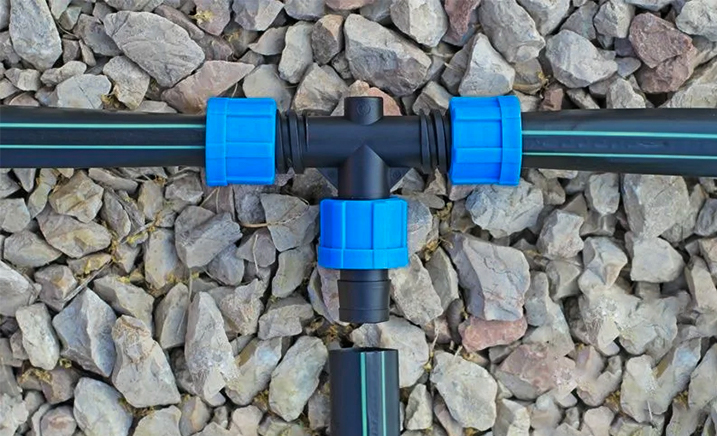
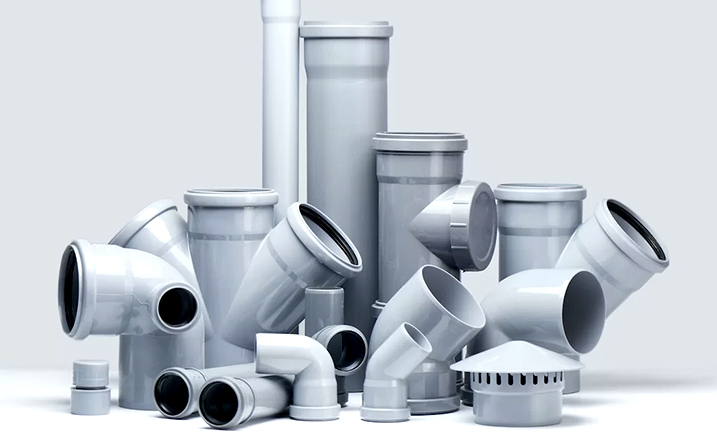
The most reliable way to repair damaged PE pipe is to use electrofusion or butt fusion welding for permanent fixes, or compression repair couplings for fast, tool-free solutions. PE pipe (polyethylene pipe) is widely used in water supply, gas distribution, and irrigation systems due to its flexibility, chemical resistance, and long service life—often exceeding 50 years. When damage occurs, acting quickly with the right method prevents leaks, pressure loss, and costly downtime.
This guide walks through every practical repair approach, from diagnosing the damage to selecting PE pipe fittings and connections that restore full system integrity.
Content
- 1 Identify the Type and Severity of Damage First
- 2 Method 1 – Electrofusion Welding (Best for Permanent Repair)
- 3 Method 2 – Butt Fusion Welding (Best for Open Trench Replacement)
- 4 Method 3 – Compression Repair Couplings (Fastest, No Tools Required)
- 5 Method 4 – Repair Clamps and Pipe Wraps (Temporary Solutions)
- 6 Choosing the Right PE Pipe Fittings and Connections for Your Repair
- 7 Special Considerations for PE Pipe in Water Supply Systems
- 8 Common Mistakes to Avoid During PE Pipe Repair
- 9 About Jiangyin Huada
- 10 Frequently Asked Questions
Identify the Type and Severity of Damage First
Before selecting a repair method, assess the damage accurately. PE pipe failures typically fall into three categories:
- Surface scratches or abrasion – Minor and often non-critical; may not require immediate repair unless depth exceeds 10% of wall thickness.
- Pinhole leaks or hairline cracks – Common in aged pipe or after freeze-thaw cycles; require prompt repair to prevent spreading.
- Full pipe fractures or large splits – Require section replacement using fusion welding or mechanical couplings.
A simple pressure test (pressurize to 1.5× operating pressure for 30 minutes) helps confirm the extent of the damage before committing to a repair method.
Method 1 – Electrofusion Welding (Best for Permanent Repair)
Electrofusion is the gold standard for repairing PE pipe for water supply systems. An electrofusion coupling is slid over the pipe ends, and an electric current heats embedded resistance wires, melting the PE and fusing the joint seamlessly.
Key advantages:
- Produces joints that are as strong as or stronger than the parent pipe.
- Works on pipe diameters from 20 mm to 1,200 mm.
- Suitable for confined spaces and wet conditions where butt fusion equipment cannot fit.
- Fusion time typically ranges from 30 to 180 seconds depending on pipe size and ambient temperature.
Always scrape the pipe surface (removing 0.2–0.3 mm of oxidized layer) and clean with isopropanol before fitting the coupler. Misalignment greater than 5° can compromise the joint.
Joint Strength Retention by Repair Method (% of Original Pipe Strength)
Source: Industry field test data, approximate values based on standard PE100 pipe conditions.
Method 2 – Butt Fusion Welding (Best for Open Trench Replacement)
Butt fusion is used when a damaged section must be cut out and a new pipe segment inserted. The pipe ends are heated on a flat plate to 200–220°C, then pressed together under controlled pressure to form a homogeneous joint.
This method is best suited for pipe diameters of 63 mm and above in open excavation conditions. The process requires a hydraulic fusion machine aligned on a stable surface—difficult in tight or muddy trenches.
Step-by-step process:
- Cut out the damaged section cleanly with a pipe cutter (not a saw, to avoid debris).
- Insert a spool piece of the same SDR rating and pipe grade (e.g., PE100).
- Face both pipe ends flat using the trimming tool.
- Heat to fusion temperature, then join under controlled hydraulic pressure.
- Allow to cool under pressure for the specified time (typically 10–30 minutes depending on wall thickness).
- Inspect bead rollback for uniformity—uneven beads indicate poor fusion.
Method 3 – Compression Repair Couplings (Fastest, No Tools Required)
Compression couplings are the fastest PE pipe fittings and connections for emergency repairs. They use a mechanical grip ring and O-ring seal to connect pipe ends without heat or special equipment.
Repairs can be completed in under 15 minutes, making this method ideal for live systems needing immediate restoration. They are rated for pressures up to 16 bar in most standard configurations.
| Method | Repair Time | Max Pressure | Tools Needed | Permanence |
|---|---|---|---|---|
| Electrofusion | 1–2 hours | Up to 25 bar | Fusion controller | Permanent |
| Butt Fusion | 2–4 hours | Full rated | Hydraulic machine | Permanent |
| Compression Coupling | Under 15 min | Up to 16 bar | Wrench only | Long-term |
| Repair Clamp | 5–10 min | Up to 10 bar | Screwdriver | Temporary |
Method 4 – Repair Clamps and Pipe Wraps (Temporary Solutions)
For minor leaks where system shutdown is not possible, saddle clamps or stainless steel repair bands can seal pinhole leaks temporarily. These are not substitutes for proper PE pipe fittings and connections but allow operations to continue until a permanent repair is scheduled.
- Repair clamps: Suitable for leaks up to 10 bar operating pressure; not rated for gas service.
- Pipe wrap tape (self-amalgamating): Effective for surface cracks; apply with 50% overlap over at least 100 mm beyond the crack in each direction.
- Epoxy repair compounds: Suitable for static, non-pressurized systems; curing time typically 24 hours before re-pressurizing.
Choosing the Right PE Pipe Fittings and Connections for Your Repair
Selecting compatible fittings is as critical as the repair method itself. Always match the fitting specification to the pipe:
- Pipe grade: PE80 or PE100 – fittings must match. Mixing grades can reduce joint integrity by up to 30%.
- SDR rating: The Standard Dimension Ratio must be consistent across the repaired section and fittings.
- Outer diameter: PE pipe OD is the controlled dimension—measure with calipers, not tape measure, for accuracy within ±0.1 mm.
- Application: PE pipe for water supply systems requires potable-water-certified fittings (e.g., compliant with ISO 4427 or ASTM D3261).
Common PE pipe fittings used in repairs:
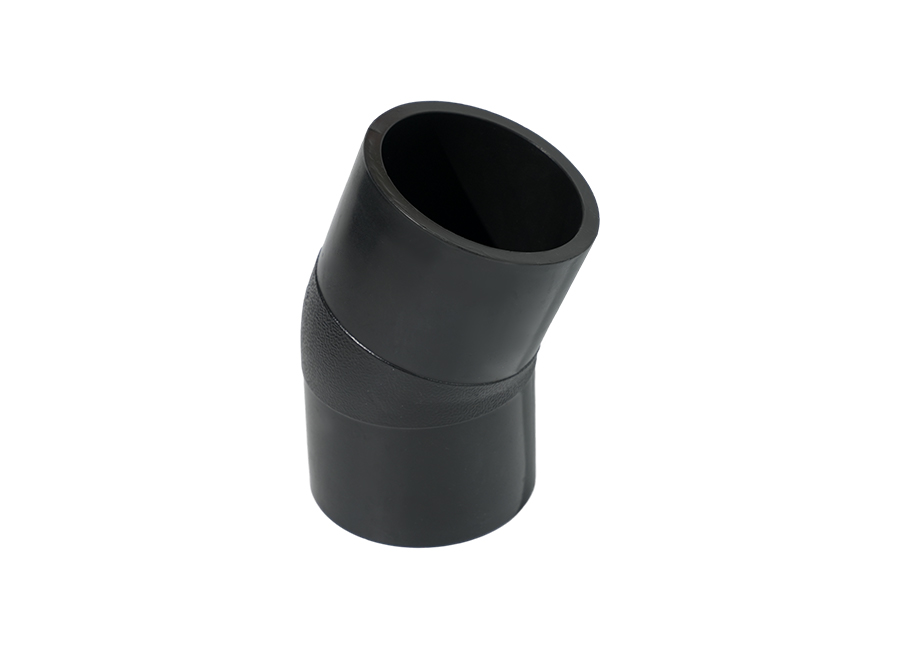
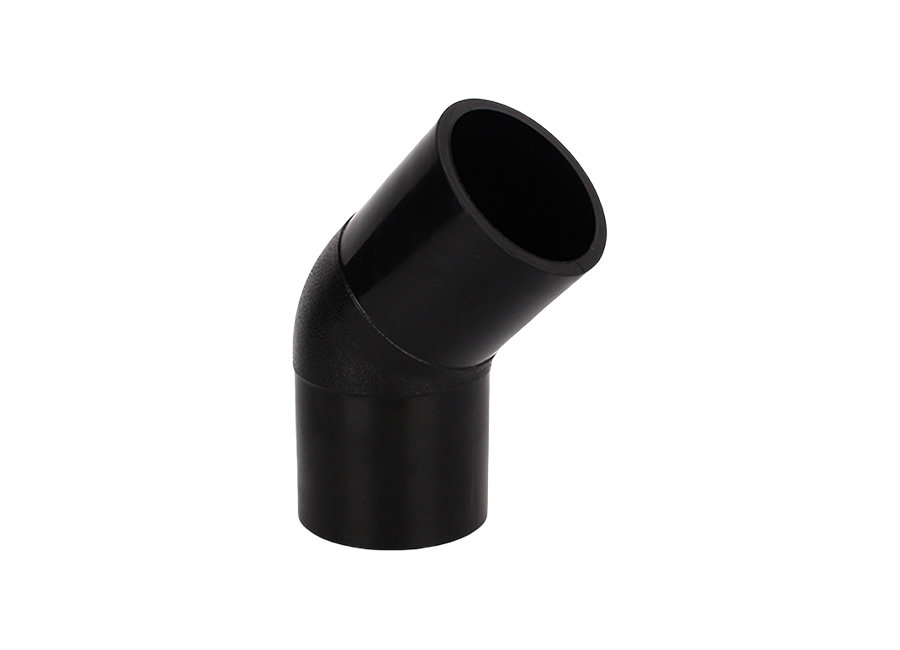
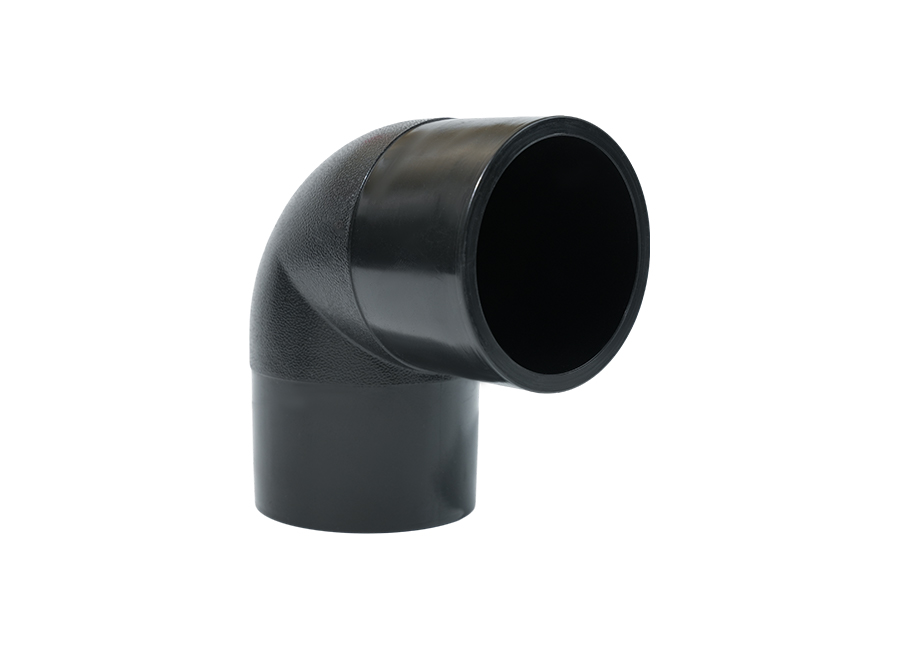
- Electrofusion couplers (straight, reducing, elbow, tee)
- Butt fusion end caps and spool pieces
- Compression-type repair couplings (demountable and permanent)
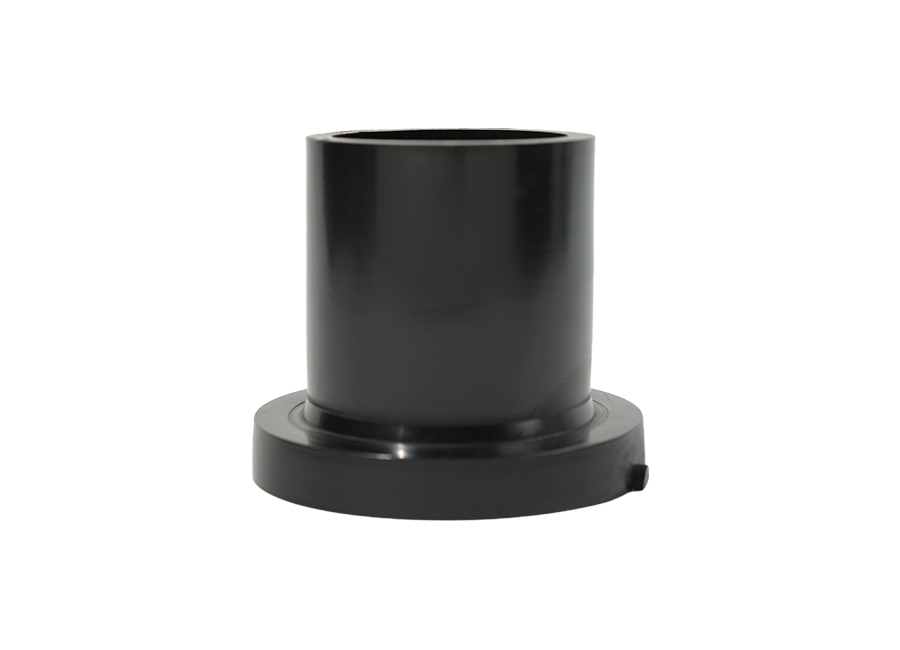
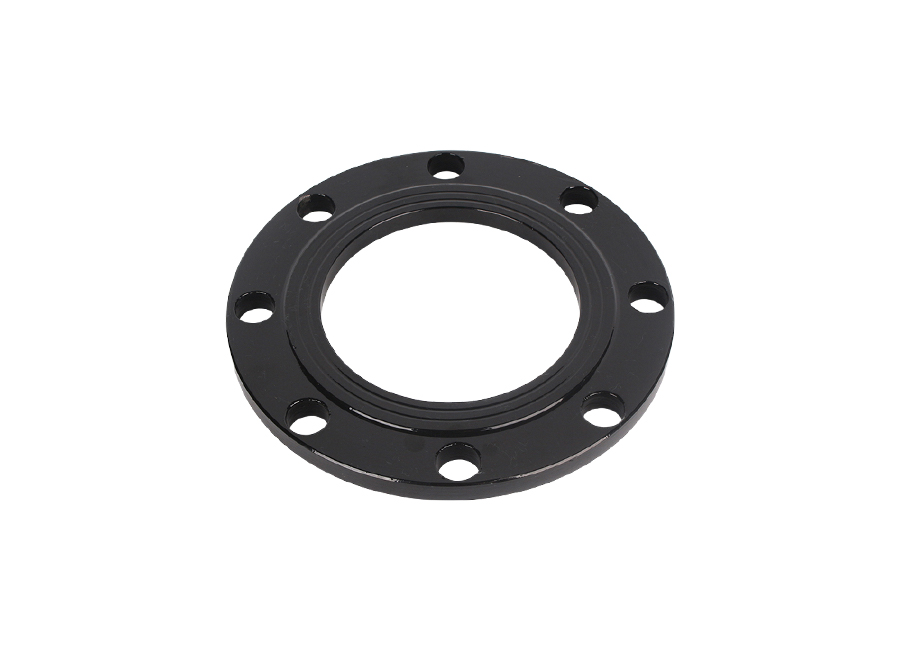
- Mechanical flange adapters for transition to metal systems
- Saddle fittings for branch connections on existing mains
Special Considerations for PE Pipe in Water Supply Systems
PE pipe for water supply systems must meet stricter hygiene and pressure standards than industrial pipe. When repairing these systems, observe the following:
- Disinfection: After any repair, flush and disinfect the line with a chlorine solution (typically 50 mg/L free chlorine, 30-minute contact time) before returning to service.
- Pressure testing: Re-test to a minimum of 1.5× maximum operating pressure for at least 1 hour before backfilling.
- Traceability: Record all fittings used, fusion parameters, and operator certification for regulatory compliance.
- UV protection: If exposed sections remain above ground, reapply protective wrapping—PE degrades under prolonged UV exposure even though it is corrosion resistant.
Estimated Remaining Service Life After Repair (Years, PE100 Pipe at 10 bar)
Estimates based on industry standards; actual results depend on operating conditions.
Common Mistakes to Avoid During PE Pipe Repair
Even experienced crews make errors that compromise repair quality. The most frequent mistakes include:
- Skipping surface preparation: Oxide layers on PE pipe surface must be scraped before electrofusion—skipping this step accounts for over 60% of premature joint failures in field studies.
- Using mismatched fittings: PE80 fittings on PE100 pipe reduce pressure rating by up to 20%.
- Insufficient cooling time: Moving or pressurizing fused joints before the cooldown period causes crystalline disruption and weakens the joint significantly.
- Contamination with water or oil: Even small amounts on fusion surfaces prevent proper bonding.
- Using repair clamps as permanent solutions: These are temporary measures only—always follow up with a fusion repair within the same maintenance cycle.
About Jiangyin Huada
Color your world with excellence and innovation—Jiangyin Huada, your trusted source for premium color masterbatch, high-quality plastic pipes, and fittings.
It is because of our unwavering commitment to the pipe and pipeline industry, our emphasis on product diversity, the importance we place on product quality, and our dedication to green environmental practices and sustainable development that our brand has gradually gained recognition. Our products have earned the trust and praise of numerous customers, and our brand has become a symbol of reliability and trustworthiness.
As a professional OEM PE Pipe Manufacturer and PE Pipe Factory, our brand story is one of continuous progress and innovation. We will continue to create more value for more customers and contribute to the development of the industry. We believe that through sustained efforts and adherence to our principles, our brand will continue to shine brightly and make a mark internationally.