English
 中文简体
中文简体 русский
 عربى
عربى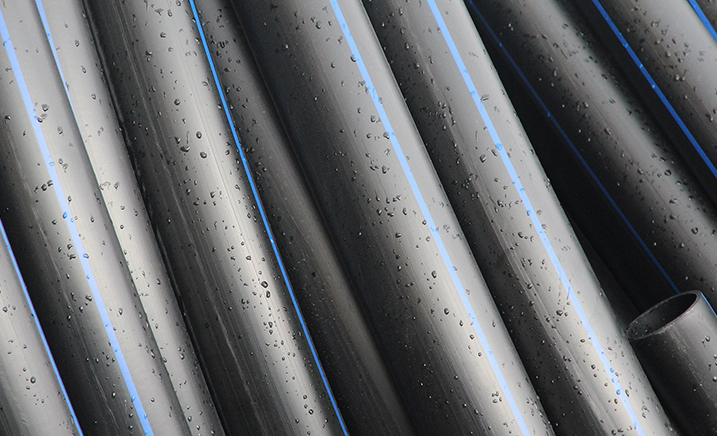
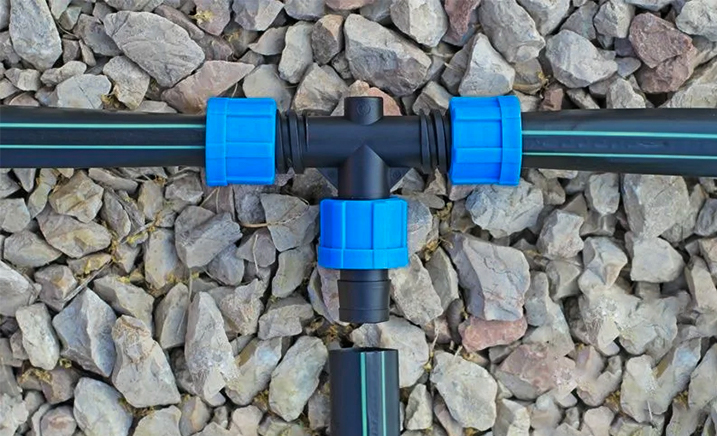
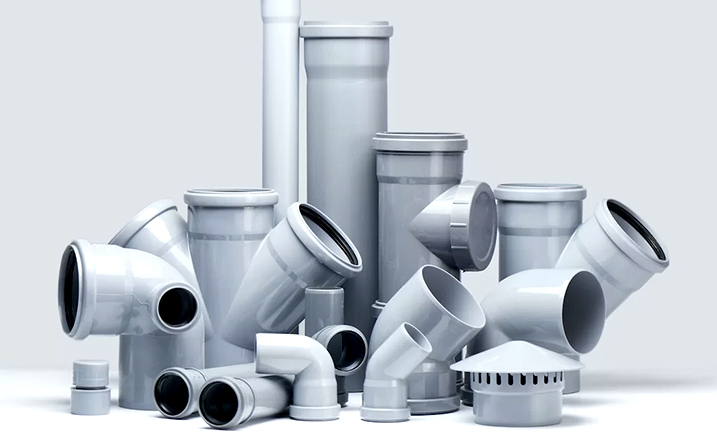
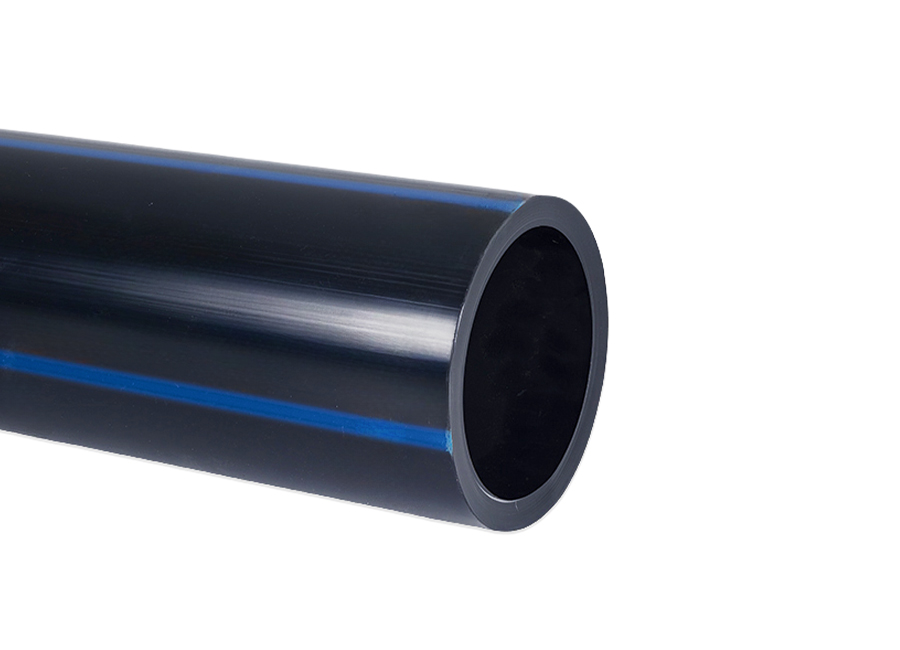
PVC pipe remains the most widely adopted piping material in residential, commercial, and infrastructure projects in 2026 — and for good reason. Its combination of corrosion resistance, long service life, ease of installation, and cost efficiency makes it the preferred choice for water supply systems, underground drainage, and irrigation networks worldwide. Whether you're specifying PVC pipe for water supply in a new development or selecting underground PVC pipe for a municipal infrastructure project, the advantages are clear, measurable, and well-documented.
Content
- 1 Exceptional Corrosion and Chemical Resistance
- 2 Outstanding Durability for Underground Applications
- 3 Reliable Performance in PVC Pipe for Water Supply Systems
- 4 Lightweight Design Reduces Installation Time and Labor
- 5 Long Service Life with Minimal Maintenance Requirements
- 6 Wide Applicability Across Industries and Environments
- 7 Environmental and Sustainability Profile in 2026
- 8 Compliance with International Standards and Certifications
- 9 About Jiangyin Huada
- 10 Frequently Asked Questions
Exceptional Corrosion and Chemical Resistance
One of the most critical advantages of PVC pipe is its inherent resistance to corrosion. Unlike metal pipes, PVC does not rust, scale, or react with most chemicals encountered in municipal water treatment, agricultural irrigation, or industrial environments. This makes it especially valuable for PVC pipe for water supply applications, where water purity and pipe longevity are non-negotiable.
PVC pipes are resistant to a wide range of acids, alkalis, salts, and organic solvents. In chemical processing environments, studies show that PVC maintains structural integrity across pH ranges from 2 to 12, covering the vast majority of real-world fluid conditions. This chemical stability eliminates the internal oxidation problems that shorten the lifespan of galvanized steel or cast iron pipes.
| Material | Corrosion Resistance | Estimated Service Life | Maintenance Frequency |
|---|---|---|---|
| PVC Pipe | Excellent | 50+ years | Very Low |
| Galvanized Steel | Moderate | 20–30 years | High |
| Cast Iron | Low | 15–25 years | Very High |
| Copper | Good | 25–50 years | Moderate |
Outstanding Durability for Underground Applications
Underground PVC pipe is engineered to handle soil pressure, traffic loads, and shifting ground conditions with minimal deformation. Its high ring stiffness and smooth internal surface prevent blockages while maintaining flow efficiency over decades. In standardized ASTM and ISO pressure tests, quality PVC pipe sustains working pressures of up to 16 bar (232 psi) depending on the pipe class, making it suitable for main water distribution networks.
The underground performance of PVC is further enhanced by its flexibility under dynamic soil loads. Unlike rigid cast iron, PVC pipe has a degree of elastic flexibility that prevents cracking from minor ground settlement. Field studies from municipal infrastructure projects across Southeast Asia and Western Europe confirm that underground PVC pipe installed in the 1980s and 1990s continues to operate reliably with no structural compromise.
Reliable Performance in PVC Pipe for Water Supply Systems
For potable water distribution, PVC pipe for water supply is trusted by utilities and engineers worldwide due to its non-toxic composition and smooth bore, which reduces turbulence and energy loss. The Hazen-Williams coefficient of PVC pipe is typically C = 150, significantly higher than that of aged steel (C ≈ 100) or cast iron (C ≈ 80), which means PVC delivers superior flow rates at lower operating pressures.
PVC pipe certified to NSF/ANSI 61 standards has been verified safe for drinking water contact — no leaching of heavy metals or plasticizers into water supplies. This certification is now a baseline requirement in many national standards across North America, Western Europe, and East Africa.
- Available in pressure classes from PN6 to PN25 (DN20 to DN630 and beyond)
- Compliant with ISO 1452, EN 1452, ASTM D1785, and AS/NZS 1477 standards
- Solvent-welded or rubber-ring jointed systems for zero-leak connections
- UV-stabilized grades available for above-ground or exposed installations
Lightweight Design Reduces Installation Time and Labor
PVC pipe weighs approximately 1/6 the weight of equivalent steel pipe and 1/3 the weight of ductile iron. This dramatic weight reduction translates into lower transport costs, easier on-site handling, and faster installation — particularly important in remote or difficult-access locations.
A crew installing a 200mm PVC water main can complete roughly 40% more linear meters per day compared to installing equivalent ductile iron pipe, based on field data from infrastructure projects in Southeast Asia. This efficiency gain directly reduces total project costs and shortens construction timelines.
Long Service Life with Minimal Maintenance Requirements
Independent research by the Plastic Pipe Institute confirms that properly installed PVC pipe carries a design service life of 100 years or more under normal operating conditions. Accelerated aging tests using the Arrhenius method show no significant degradation in material properties after simulated long-term buried service at typical ground temperatures.
Because PVC does not corrode, scale, or biofoul, maintenance intervals are extended dramatically. Water utilities using PVC pipe networks report up to 70% fewer emergency repair callouts per kilometer of pipe compared to aging metal infrastructure. This maintenance advantage becomes even more significant in underground or hard-to-access installations.
Wide Applicability Across Industries and Environments
PVC pipe is deployed across an exceptionally broad range of applications, from household plumbing to large-scale nuclear facility coolant loops. Its versatility stems from the availability of multiple formulations — standard PVC-U (unplasticized), PVC-C (chlorinated, for hot water up to 95°C), and PVC-O (oriented, for high-pressure mains).
- Potable water supply: municipal mains, building risers, metered service connections
- Underground drainage: stormwater, sewer, agricultural drainage networks
- Industrial fluid transport: chemical dosing lines, process water, cooling circuits
- Telecommunications conduit: underground cable protection ducts
- Irrigation systems: lateral mains and sub-mains for drip and sprinkler networks
Environmental and Sustainability Profile in 2026
The environmental profile of PVC pipe has improved considerably due to advances in manufacturing and recycling technology. PVC pipe production requires significantly less energy per unit length than steel or concrete pipe. Life-cycle analysis studies confirm that the energy embedded in manufacturing a PVC water main is recovered within the first few years of service, owing to reduced pumping energy from its low-friction bore.
End-of-life PVC pipe can be mechanically recycled into window frames, floor coverings, and lower-pressure pipe fittings. Several European markets now mandate minimum recycled content in new PVC pipe specifications, and the industry's overall recycling rate for rigid PVC products reached approximately 36% in 2024, a figure continuing to rise with improved collection infrastructure.
Compliance with International Standards and Certifications
For specifiers and procurement teams, the broad range of available certifications for PVC pipe reduces project risk. Leading standards that quality PVC pipe can be manufactured to include:
| Standard | Region / Authority | Application |
|---|---|---|
| ISO 1452 | International | Water supply under pressure |
| EN 1452 | Europe | Plastic piping systems for water supply |
| ASTM D1785 | North America | Rigid PVC compound pipe specifications |
| NSF/ANSI 61 | North America | Drinking water system components |
| GB/T 10002 | China | PVC-U pipes for water supply |
About Jiangyin Huada
Jiangyin Huada was established in 2003 and is a pioneering force in the plastic pipe industry, integrating professional research and development, production, testing, and sales of products and accessories. From customized design and production to procurement, installation, and after-sales maintenance, Jiangyin Huada provides customers with a comprehensive one-stop shopping experience.
The company's product system is complete and diverse, and products are exported to more than 30 countries and regions, including Western Europe, East Africa, Southeast Asia, North America, and the Middle East. All pipes meet various international standards and hold multiple certifications, including independent test reports from third-party institutions, ensuring consistently high quality.
Jiangyin Huada has the strength to undertake and successfully complete many high-level projects at home and abroad, such as the Bangladesh Nuclear Power Plant, the Belgian Telecommunications Pipeline Network, and Beijing Daxing Airport, and is widely trusted by users around the world.