English
 中文简体
中文简体 русский
 عربى
عربى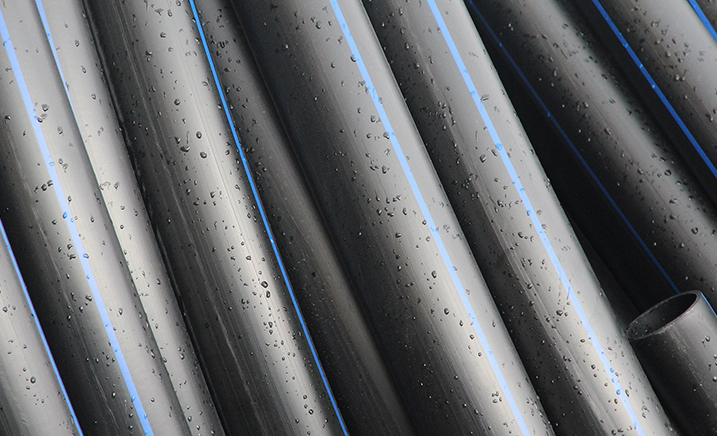
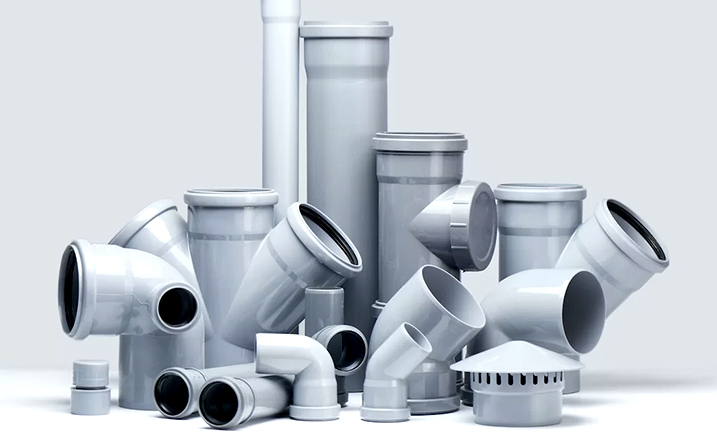
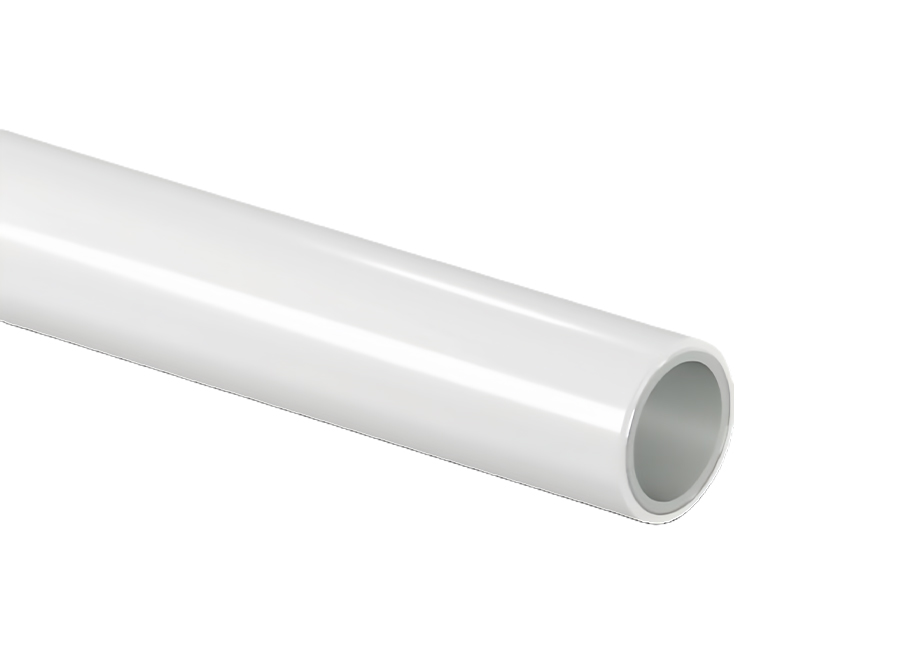
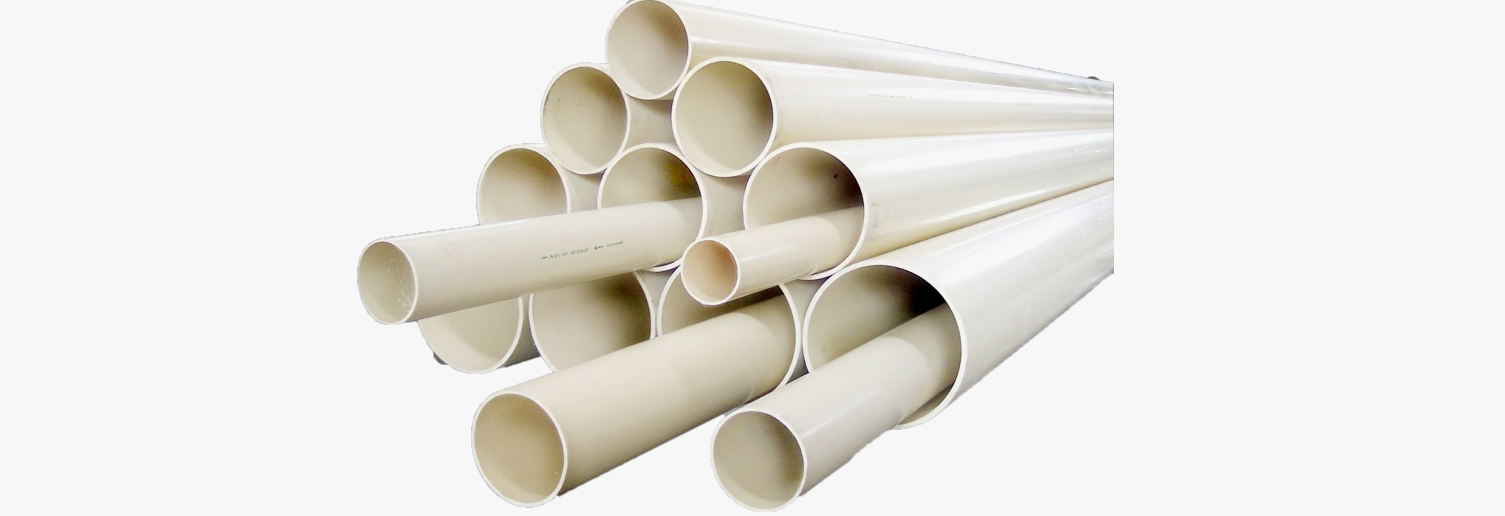
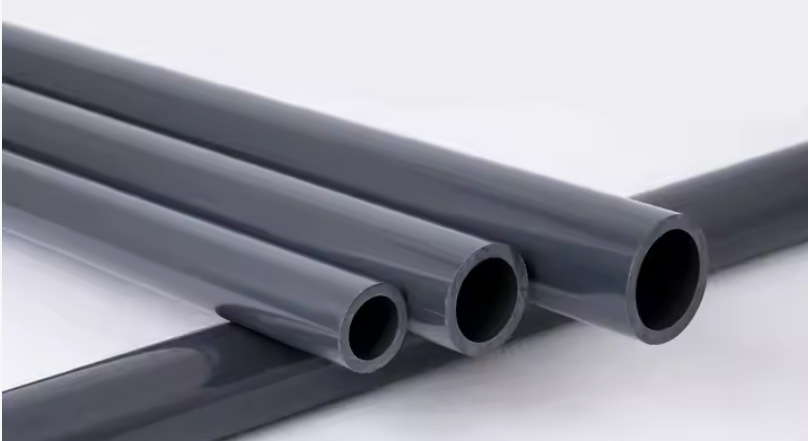
PVC pipe (polyvinyl chloride pipe) is a widely used piping material in construction, water conservancy, water supply, drainage, and power cable protection. Due to its chemical stability, corrosion resistance, low cost, and ease of installation, PVC pipe has become the preferred material in many piping systems. However, many people have questions about the service life of PVC pipes: How long can PVC pipes be used? How durable and reliable are they? This article will provide an in-depth understanding.
1. Basic Characteristics of PVC Pipes
PVC pipes are made of polyvinyl chloride (PVC) resin material and have good mechanical properties and chemical stability.
Advantages of PVC pipes include:
Strong corrosion resistance: PVC pipes are resistant to corrosion from various chemicals, such as acids, alkalis, and salts, thus performing excellently in harsh environments such as sewage and chemical liquids.
Anti-aging properties: PVC pipes have good resistance to ultraviolet (UV) radiation, making them suitable for prolonged exposure to sunlight.
Low cost: PVC pipe materials are inexpensive, and the production process is mature, making them widely used in household water supply, drainage, and fire protection.
Lightweight and Easy to Install: Compared to metal pipes, PVC pipes are lightweight, making them easy to transport and install.
2. Factors Affecting the Service Life of PVC Pipes
The service life of PVC pipes is affected by various factors, mainly including environmental conditions, pipe operating conditions, installation quality, and pipe material quality.
Environmental Factors:
Temperature: The temperature resistance of PVC pipes is one of the key factors affecting their service life. PVC material has good toughness at low temperatures, but in high-temperature environments, PVC pipes may deform and age. Generally, the optimal operating temperature for PVC pipes is between 0℃ and 60℃. Beyond this range, the aging rate of the pipes will accelerate, affecting their service life.
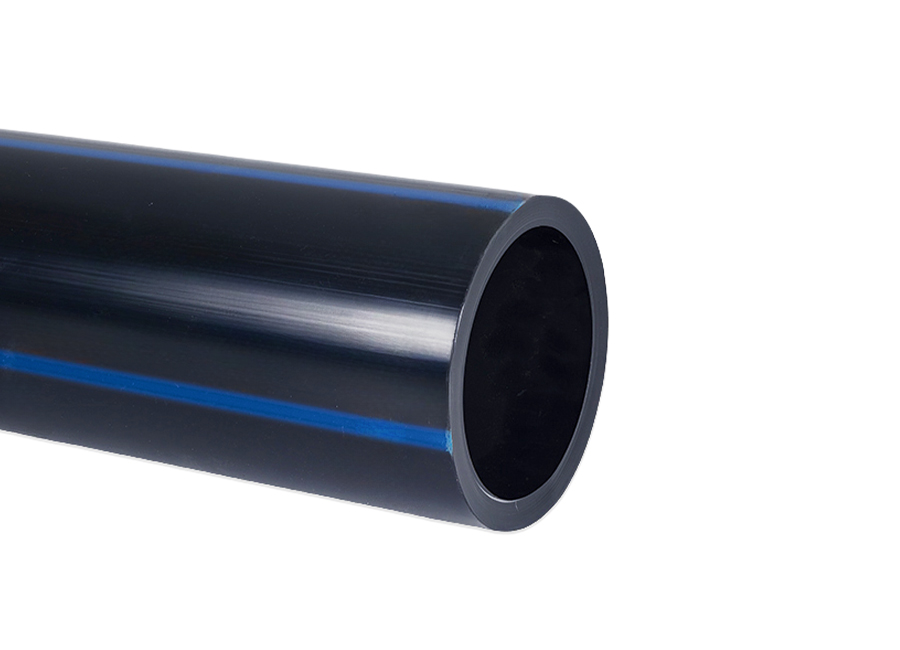
UV Radiation and Sunlight: If PVC pipes are exposed to sunlight for extended periods, their surface may be damaged by UV rays, leading to surface aging, cracking, and embrittlement. To prevent UV damage, many PVC pipes have an anti-UV coating or use black PVC pipes, which can effectively extend their service life.
Humidity and Water Quality: For PVC pipes used in underground pipelines or water systems, water quality and humidity are also key factors affecting pipe life. If the water contains corrosive chemicals, it may accelerate pipe aging. The high humidity in underground environments can also affect the stability of PVC pipes.
PVC Pipe Working Conditions:
Working Pressure: The working pressure of PVC pipes directly affects their lifespan. Under high pressure, the pipes need to withstand greater stress. Exceeding their design working pressure may lead to pipe rupture or aging. Generally, the pressure resistance of PVC pipes is suitable for conventional residential and industrial applications, but in environments requiring high pressure, other more pressure-resistant pipe materials, such as steel pipes or composite material pipes, may need to be selected.
Fluid Temperature: High-temperature fluids have a significant impact on PVC pipes. Typically, PVC pipes are used to transport liquids with temperatures not exceeding 60°C. High-temperature liquids may soften the pipes, leading to decreased sealing performance and even rupture.
Installation Quality:
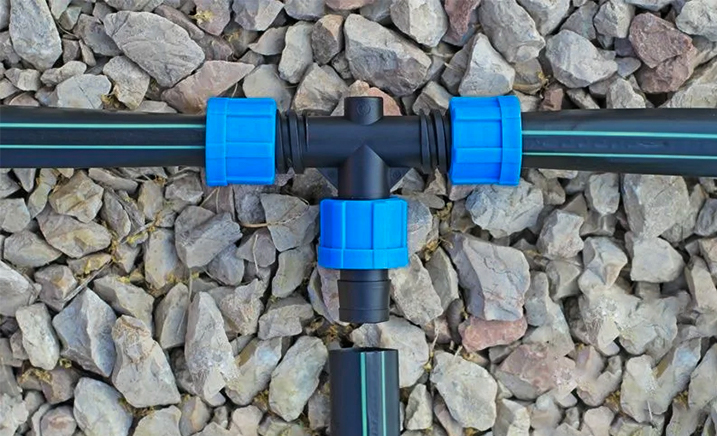
Connection Methods: PVC pipes are connected using methods such as bonding, heat fusion, and socket welding. The quality of the connection directly affects the sealing and durability of the piping system. Poor connections may lead to leaks or accelerated aging, shortening the pipe's lifespan. Especially in water pipe systems, leaks not only waste water resources but can also cause pipe corrosion, affecting its service life.
Construction Environment: If the construction environment is too humid or dirty during installation, the pipe connections and fixation may not be secure enough, affecting its long-term use.
Pipe Quality:
Material Quality: The quality of PVC pipes directly affects their service life. Inferior PVC pipes may contain more impurities, leading to increased brittleness, reduced corrosion resistance, and a tendency to break or leak. Therefore, choosing high-quality PVC pipes from manufacturers that meet national standards is crucial.
3. Expected Service Life of PVC Pipes
Based on actual usage, the service life of PVC pipes is typically around 50 years. Under proper use and maintenance, PVC pipes can operate stably for decades.
Specific service life is as follows:
Indoor Piping: For general household water supply and drainage pipes, the service life of PVC pipes is typically over 50 years. These pipes are usually in a constant temperature and humidity environment and are not affected by ultraviolet radiation or extreme temperatures.
Outdoor Piping: If PVC pipes are exposed to sunlight, the effects of ultraviolet radiation may reduce their service life. Without an anti-UV coating, the outdoor service life of PVC pipes may be shortened to 30 to 40 years. Therefore, for outdoor applications, choosing PVC pipes with UV resistance or using a protective coating are effective measures to extend their lifespan.
In underground pipelines: Underground PVC pipes are generally not affected by UV radiation, but they are affected by soil pressure and water quality changes. The service life of qualified PVC pipes in underground pipelines is typically around 50 years, but this may be affected if the soil is acidic or highly corrosive.
4. Methods to Extend the Service Life of PVC Pipes
To ensure the long-term stability and service life of PVC pipes, the following measures can be taken:
Avoid exposure to sunlight: For PVC pipes exposed to sunlight, using pipes with UV resistance or applying a UV-resistant coating can effectively extend their service life.
Avoid high-temperature environments: Minimize the exposure of PVC pipes to high-temperature liquids, especially in high-temperature fluid transportation systems. It is best to choose pipe materials suitable for high-temperature environments.
Regular inspection and maintenance: Regularly inspect the pipeline system to promptly identify potential damage or leaks. For aging pipes, consider replacement or repair.
PVC pipes, with their excellent performance, low cost, and good corrosion resistance, have become an indispensable material in modern pipeline systems. Although PVC pipes typically have a service life of around 50 years, their actual lifespan is affected by various factors, including environmental conditions, working conditions, installation quality, and the quality of the pipe materials. By selecting appropriate materials, optimizing installation, and performing regular maintenance, users can maximize the lifespan of PVC pipes and ensure the long-term stable operation of the pipeline system.