English
 中文简体
中文简体 русский
 عربى
عربى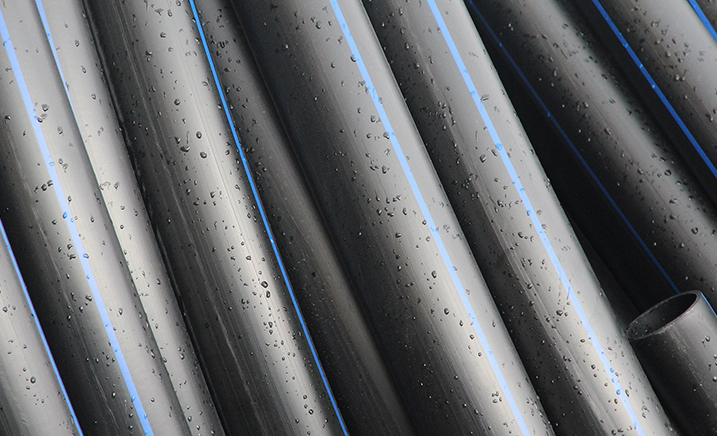
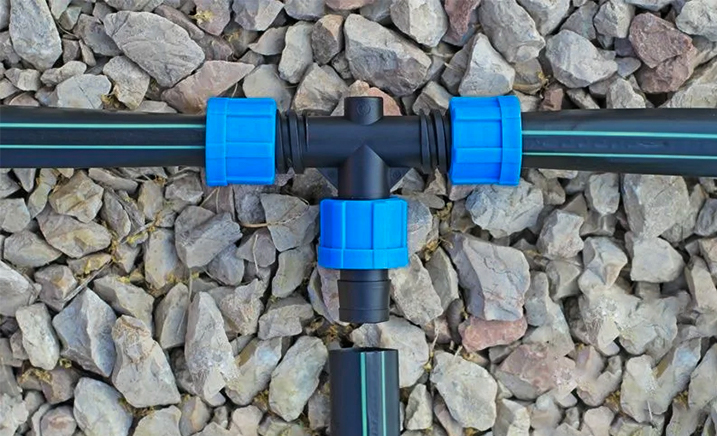
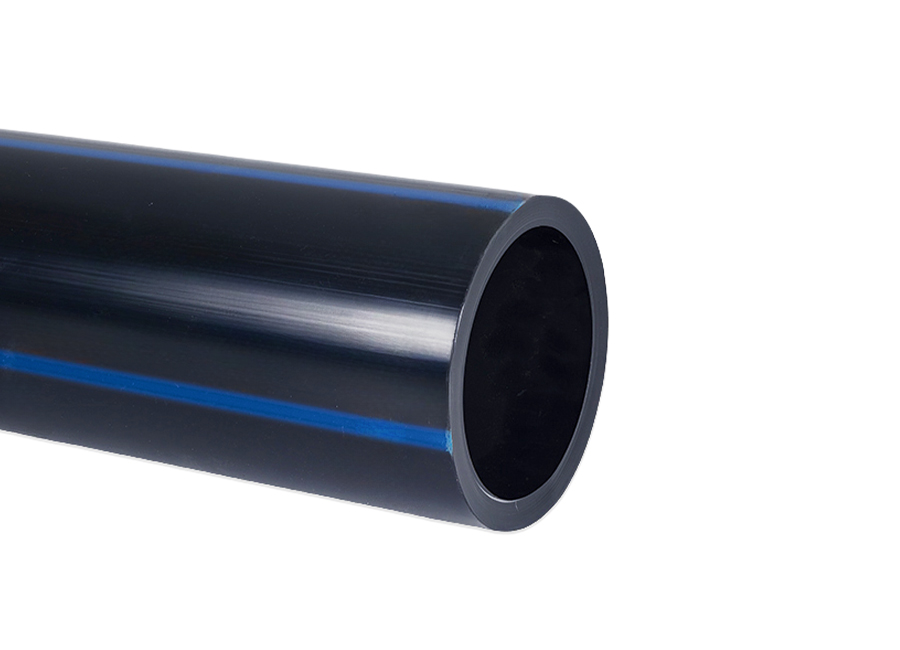
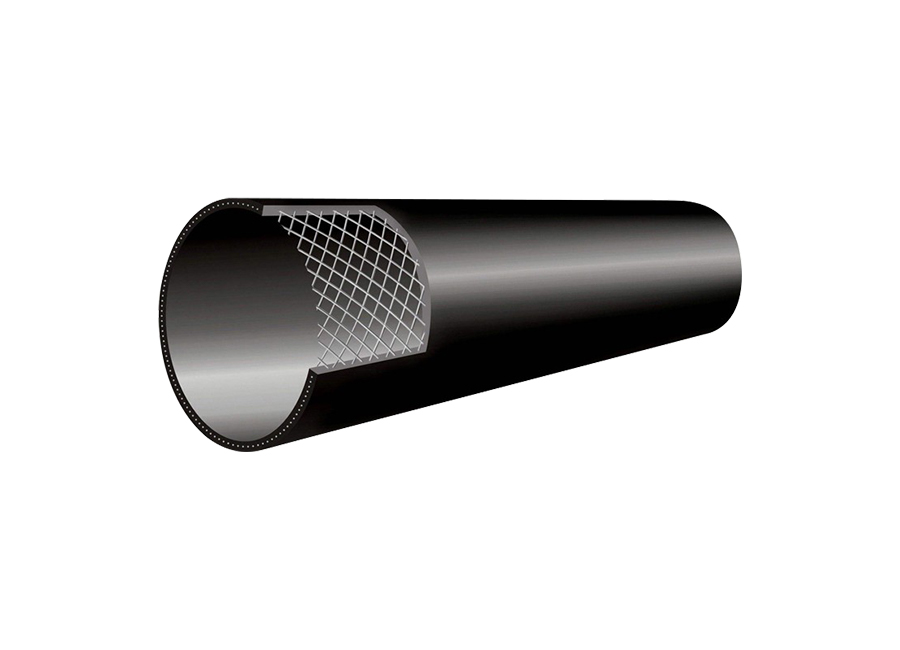
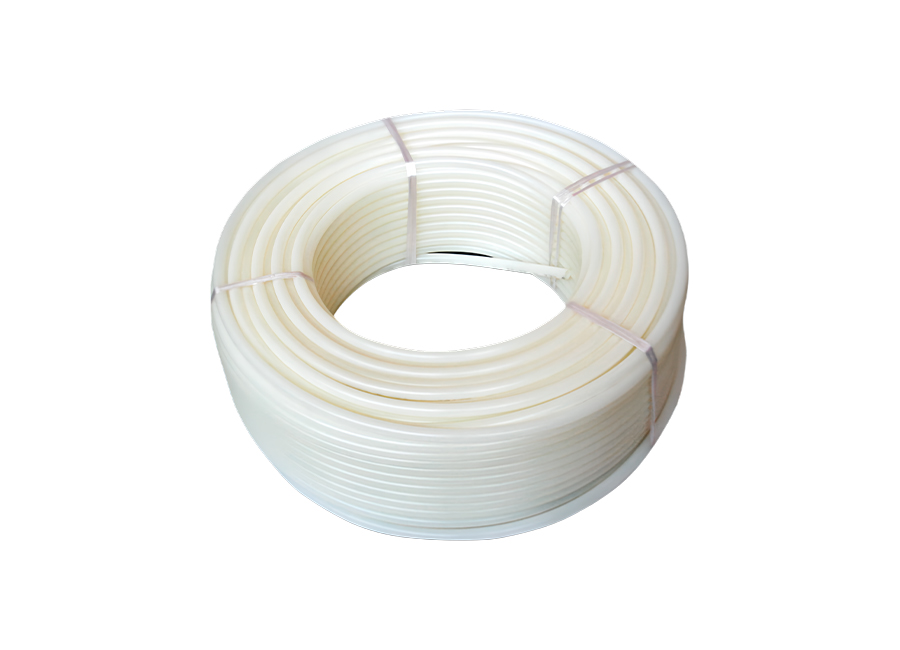
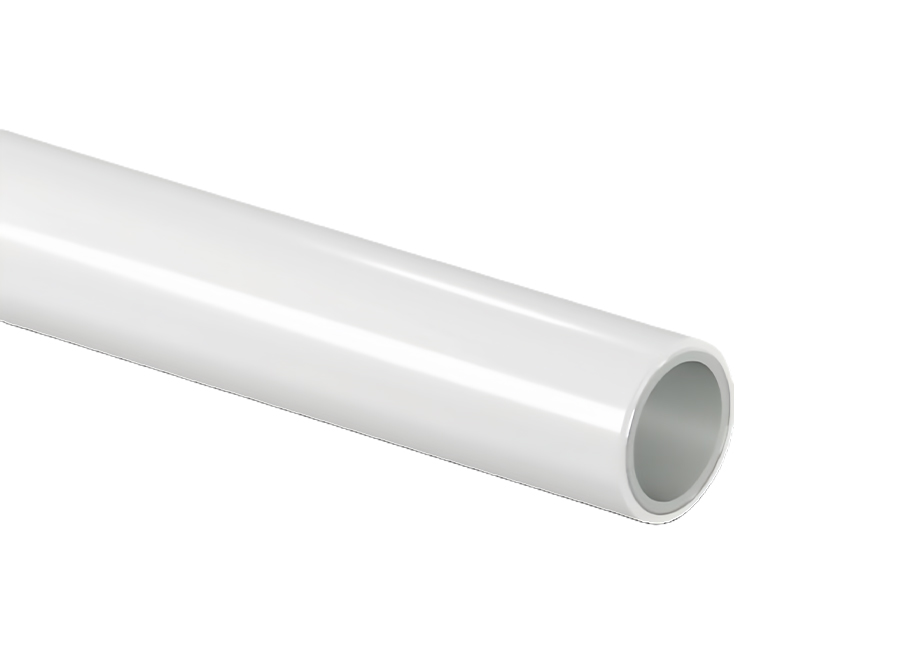
In modern water supply engineering, choosing a safe, durable, and cost-effective pipe material is crucial. In recent years, PE pipes (polyethylene pipes), especially HDPE pipes (high-density polyethylene pipes), have become the widely recommended material of choice for residential water supply, urban water supply networks, industrial pipelines, and agricultural irrigation projects. So, why are PE pipes so popular? What unique advantages do they offer compared to traditional metal pipes or PVC pipes?
1. Excellent Corrosion Resistance
One of the most significant advantages of PE pipes is their excellent corrosion resistance. Unlike steel or iron pipes, PE pipes do not react with chemicals in water, air, or soil, maintaining chemical stability over the long term.
Corrosion resistance advantages include:
No rust or scaling
Does not contaminate drinking water
Can be used for extended periods in acidic or alkaline soils
Low maintenance costs and longer lifespan
Therefore, PE pipes are particularly suitable for underground water supply pipelines, coastal areas, and areas with complex soil environments.
2. Lifespan of 50 Years or More
HDPE water pipes have excellent durability and can operate safely for 50 years or even longer under normal operating conditions.
Their long lifespan is mainly due to:
High resistance to environmental stress cracking
The inherent toughness and flexibility of the material
Anti-aging and UV-resistant formula
For urban water supply companies and industrial pipeline builders, a long lifespan means significantly reduced replacement cycles and lower long-term operating and maintenance costs.

3. High Toughness and Crack Resistance
PE pipes are more flexible than PVC and metal pipes, effectively resisting ground settlement, vibration, and pressure changes.
Flexibility application scenarios:
Earthquake-prone areas
Areas with soft or uneven soil
Long-distance water transmission pipelines
Trenchless construction (horizontal directional drilling, pipe jacking, or pipe bursting)
Compared to traditional pipe materials, PE pipes do not break under stress and can bend to absorb ground movement forces, ensuring the safety and stability of the water supply system.
4. Heat Fusion Connection for Zero Leakage
A major advantage of PE pipes is that they can be sealed using heat fusion welding, including butt welding, socket welding, or electrofusion welding. After welding, the joint strength is comparable to the pipe body, achieving a truly "integrated" pipeline network.
Zero Leakage Advantage:
Extremely low water loss rate
Stable water pressure
Significantly reduced maintenance costs
Improved safety of the water supply system
For urban water supply networks, preventing leaks not only saves water resources but also ensures the efficient operation of the pipeline network.
5. Convenient Construction, Adaptable to Various Processes
PE pipes are lightweight and flexible, making construction and transportation convenient. Compared to steel pipes, it reduces complex procedures such as lifting and welding; compared to PVC pipes, it is more suitable for long-distance pipeline laying and trenchless construction.
Construction Advantages:
Lightweight pipes, easy to handle
Can be bent directly, reducing the use of elbows
Trenchless construction is more economical
Saves labor and time costs
Therefore, whether it's urban water supply projects, industrial park pipeline networks, or rural drinking water renovation projects, PE pipes can significantly improve construction efficiency.
6. Excellent Pressure Resistance
PE pipes have extremely high pressure resistance and can adapt to various working pressure requirements. Common HDPE pipes can withstand different pressure ratings such as PN 6, PN 10, PN 16, and PN 20, meeting the needs of various scenarios such as residential water supply and industrial high-pressure water transmission.
Not prone to bursting under high pressure
Ensures safe long-distance water transmission
Suitable for pump station water supply and high-rise building water supply

7. Environmentally Friendly and Energy-Saving
PE pipes are recyclable and conform to modern environmental protection concepts. Compared with metal pipes, they have lower energy consumption in production and transportation; compared with PVC pipes, they do not release harmful substances during use and are suitable for drinking water transportation.
Environmental Advantages:
Recyclable
Long service life, reducing resource consumption
No pollution to the environment
Improves the level of urban sustainable development
PE pipes offer multiple advantages in water supply systems: corrosion resistance and no scaling, ensuring water quality safety; long service life and high pressure resistance, reducing replacement and maintenance; high toughness and crack resistance, adapting to ground settlement and trenchless construction; hot-melt joints and zero leakage, improving pipeline network stability; convenient construction, environmentally friendly and energy-saving, saving costs and resources.
Whether it's urban water supply projects, industrial park pipeline networks, or rural drinking water renovation, PE pipes are a reliable, efficient, and economical high-quality choice. Choosing PE pipes provides long-term safety and security for your water supply system, improves water supply efficiency, and reduces operating costs.