English
 中文简体
中文简体 русский
 عربى
عربى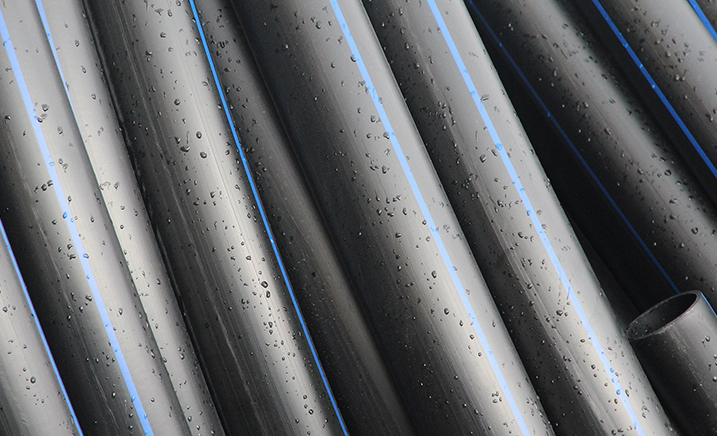
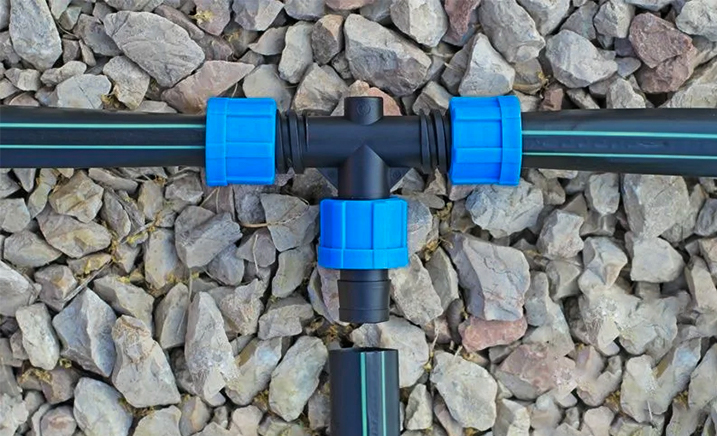
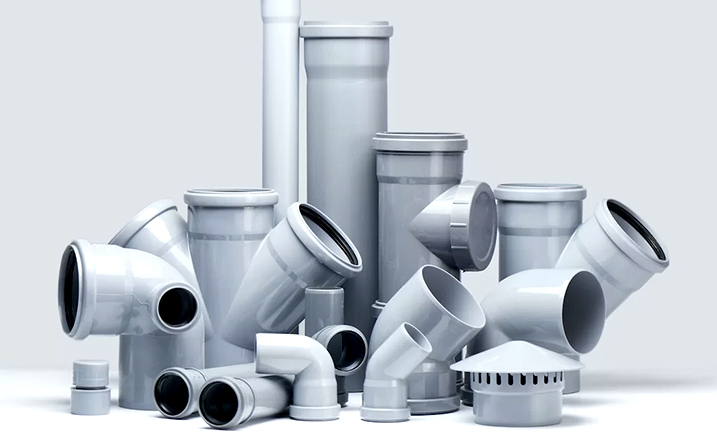
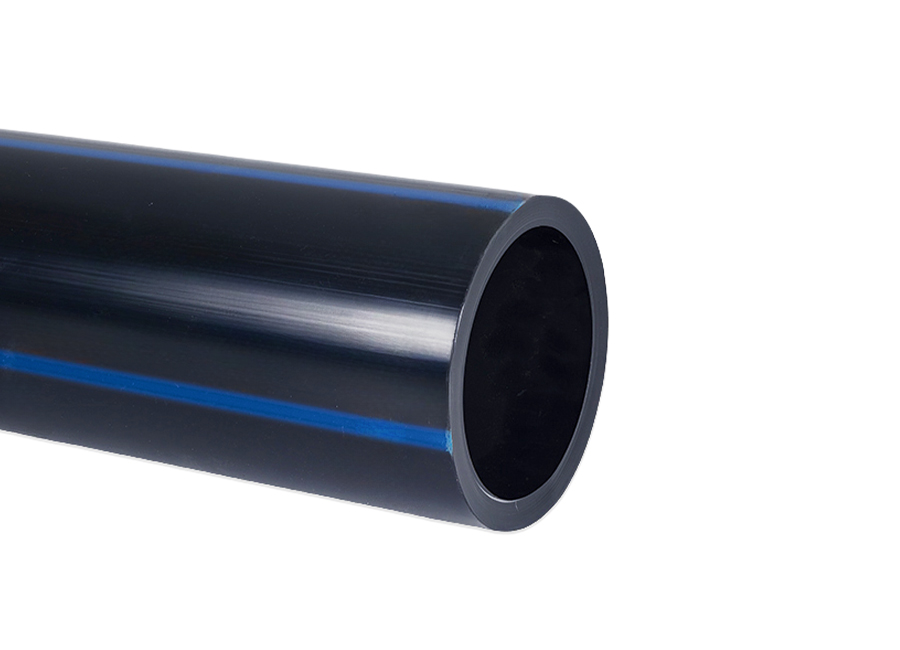
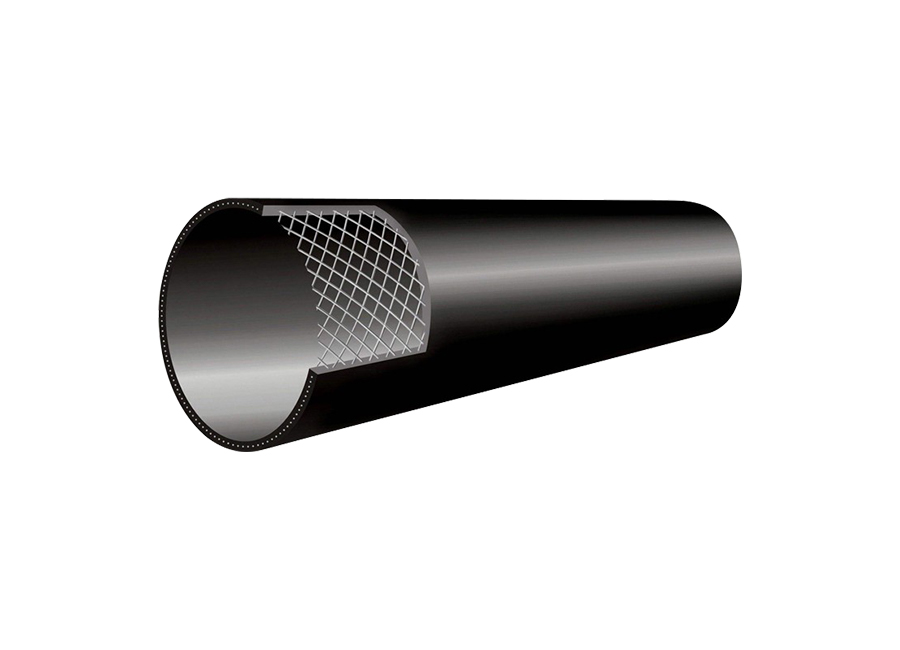
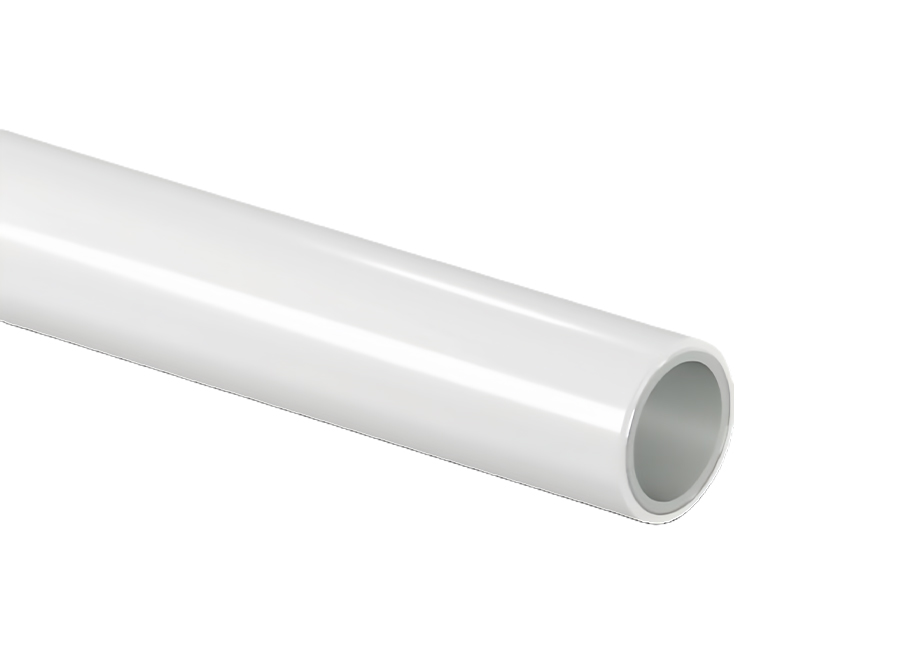
In modern construction and infrastructure projects, piping systems are a crucial component, widely used in various fields such as water supply, drainage, gas, and HVAC. With technological advancements, various types of pipe materials have emerged, and polyethylene (PE) pipes, due to their unique performance advantages, have gradually replaced many traditional pipe materials such as steel pipes and cast iron pipes.
1. Superior Performance of PE Pipes
(1) Strong Corrosion Resistance
Traditional pipe materials such as steel pipes and cast iron pipes are prone to corrosion from water quality, soil, and chemical substances during use, leading to pipe aging, leakage, and even rupture. PE pipes, on the other hand, have extremely strong corrosion resistance. Their smooth inner surface is not easily affected by the external environment and will not rust, rot, or be corroded by chemicals. Whether in environments with poor water quality or when buried underground, PE pipes can operate stably for a long time, reducing the frequency of replacement and maintenance, and lowering long-term operating costs.
(2) High Pressure Resistance
The design and manufacturing process of PE pipes fully considers pressure resistance. Compared with traditional metal pipes, PE pipes have excellent pressure resistance and can withstand high external pressure without deformation or rupture. This makes PE pipes particularly outstanding in complex geological conditions and under high construction pressure. In addition, PE pipes have good impact resistance, effectively resisting external impacts and reducing the risk of damage.
(3) Good Flexibility
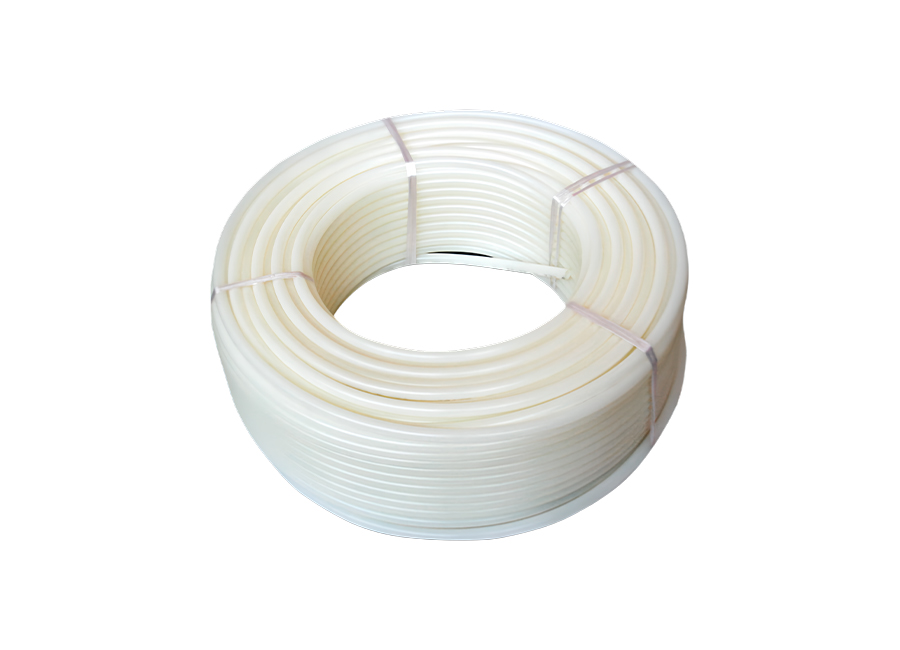
PE pipes have excellent flexibility and can be bent during construction to adapt to complex terrain and building environments. Even in low-temperature environments, PE pipes can still maintain good toughness, avoiding the risk of pipe fracture. Traditional pipe materials such as steel pipes and cast iron pipes are prone to brittle fracture in cold weather, limiting their application in some special environments. PE pipes, however, can work stably under various temperature conditions, unaffected by temperature changes, offering greater construction flexibility and a longer service life.
(4) High Freeze Resistance
PE pipes can be used normally in low-temperature environments, which is a major advantage. In some cold regions, pipes often freeze and burst in winter. PE pipes, due to their excellent toughness, are not prone to brittle fracture or bursting even at low temperatures, effectively preventing water pipe damage caused by freezing and cracking.
(5) High Safety
PE pipes themselves are non-toxic and meet environmental protection requirements, making them ideal for drinking water pipelines. Traditional metal pipes such as cast iron or steel pipes may release harmful substances, affecting water quality safety. PE pipes, however, do not pollute the water quality during installation, use, or maintenance, ensuring the cleanliness and safety of the water source.

2. Construction Advantages of PE Pipes
(1) Convenient Construction and Cost Savings
PE pipes are relatively easy to install, resulting in faster construction. PE pipes use a heat fusion connection method, which ensures the sealing and reliability of the connection, avoiding leakage problems that may occur with traditional pipe connection methods. At the same time, PE pipes are lightweight, making them easy to transport and install, reducing labor and equipment costs. Compared to traditional steel or cast iron pipes, PE pipes have lower construction difficulty and shorter construction periods, significantly shortening project construction cycles and reducing construction costs.
(2) Simple Maintenance and Reduced Maintenance Costs
PE pipes have relatively low maintenance costs. Their corrosion resistance, pressure resistance, and freeze resistance mean they are less likely to experience problems during use. If damage does occur, the repair of PE pipes is relatively simple, usually only requiring the replacement of the damaged section, without the need for large-scale dismantling and replacement. This not only reduces the complexity of maintenance work but also effectively lowers long-term operating and maintenance costs.
(3) Diverse Connection Methods
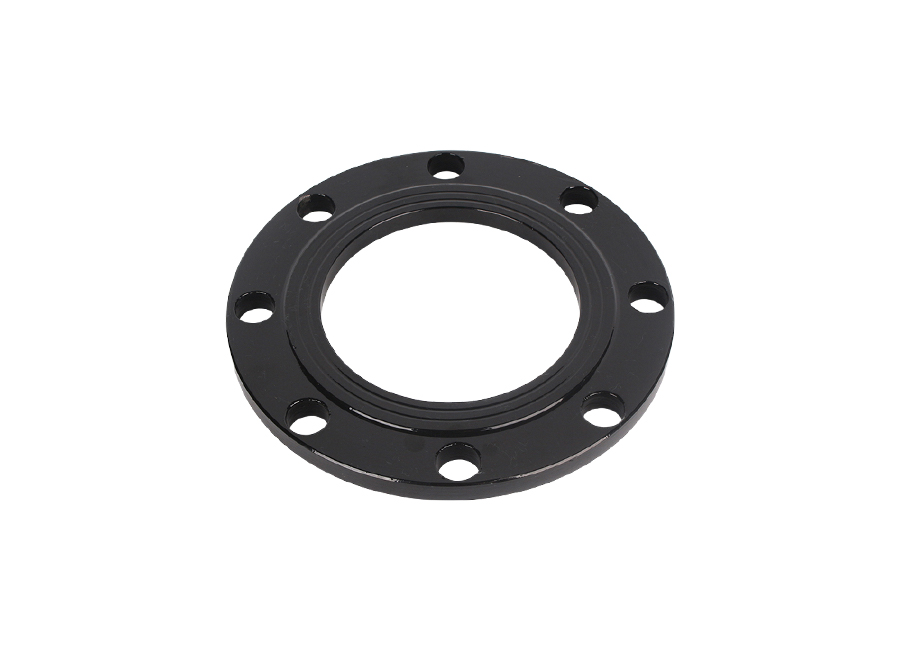
PE pipes offer a variety of connection methods, including heat fusion, butt welding, and flange connections, which can be selected according to actual needs. Among these, heat fusion connection is the most commonly used method for PE pipes due to its good sealing and fast construction. Through heat fusion connection, the pipeline system can achieve complete sealing, avoiding the risk of leakage and improving the stability and safety of the system.

3. Economic Benefits of PE Pipes
(1) Long-Term Cost Savings
Although the initial investment in PE pipes may be higher than some traditional pipe materials, the long-term savings are significant. Firstly, due to the corrosion resistance and pressure resistance of PE pipes, they have a long service life, reducing the frequency of repairs and replacements. Secondly, the faster construction speed of PE pipes reduces labor costs and construction time. Finally, due to their low maintenance costs and high durability, PE pipes demonstrate strong economic benefits in long-term operation.
(2) Enhancing the Long-Term Value of Projects
Due to their superior performance and long service life, PE pipes provide stable operational assurance for projects, reducing the occurrence of failures and accidents. This not only enhances the long-term value of the project but also increases the satisfaction of owners and users, thereby bringing higher social and economic benefits. Especially in important public facilities such as water supply and gas systems, choosing PE pipes can reduce the impact of unexpected accidents on society and ensure the safe operation of public facilities.
(3) Application Prospects of PE Pipes
With the acceleration of urbanization and the increasing demands for environmental protection and energy conservation, the application prospects of PE pipes are becoming increasingly broad. In the fields of water supply, drainage, gas, and HVAC, PE pipes have become the preferred material for more and more engineering projects due to their excellent performance and advantages.
In water conservancy projects, PE pipes have become the main force in urban water supply network construction due to their corrosion resistance and high-pressure resistance. In the construction of gas pipelines, PE pipes are widely used in the laying of natural gas and city gas pipelines due to their non-toxic, corrosion-resistant, and pressure-resistant characteristics. With the increasing demands for environmental protection, the application of PE pipes in environmental protection projects such as rainwater drainage and sewage treatment is also continuously expanding.