English
 中文简体
中文简体 русский
 عربى
عربى
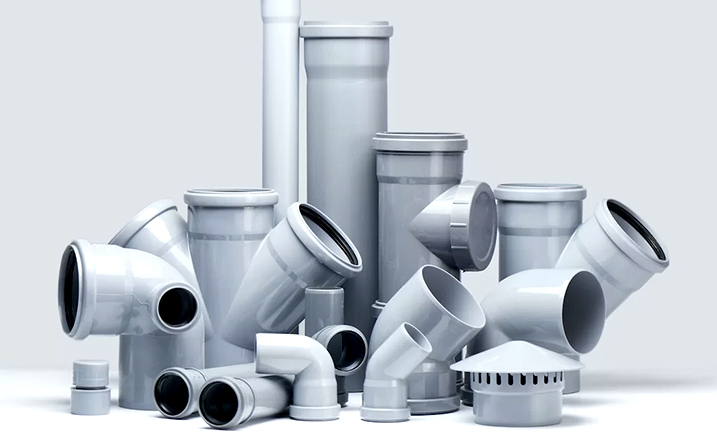
PVC pipes (polyvinyl chloride pipes), as a widely used piping material, play an indispensable role in construction, water supply, drainage, agricultural irrigation, and industrial piping systems. Their advantages include light weight, easy installation, corrosion resistance, and low cost, making them an ideal choice for many applications. However, with the widespread use of PVC pipes in outdoor environments, one frequently raised question is: Can PVC pipes be damaged by ultraviolet (UV) radiation?
This article will help you understand the performance of PVC pipes under ultraviolet (UV) radiation, the potential risks, and how to address these issues, helping you better understand the application and maintenance of PVC pipes in different environments.
1. The Impact of Ultraviolet Radiation on PVC Pipes
Ultraviolet radiation is short-wave radiation from the sun, especially UVA and UVB radiation, which can penetrate the atmosphere and directly affect objects on the ground. When PVC pipes are exposed to ultraviolet radiation for a long time, a series of chemical and physical reactions occur, leading to changes in the pipe's performance.
(1) Degradation and Embrittlement
When PVC pipes are exposed to ultraviolet radiation without protective measures, photodegradation occurs. Photodegradation is a chemical reaction where ultraviolet radiation breaks down the molecular chain structure of PVC. Over time, the breaking of molecular chains leads to a decrease in the strength and toughness of the PVC pipe, making the pipe brittle and prone to cracking and breakage.
Manifestations:
Color becomes lighter or yellowish;
The pipe surface becomes rough;
Reduced strength and compressive resistance;
The pipe becomes brittle and prone to cracks and fractures.
(2) Surface Damage
Under the action of ultraviolet radiation, the surface of PVC pipes may develop small cracks, reducing surface smoothness and increasing dirt accumulation. This surface damage not only affects the aesthetics of the pipe but also reduces its durability during long-term use. Especially in outdoor exposed environments, surface damage caused by ultraviolet radiation will gradually worsen.
Manifestations:
Small cracks appear on the surface;
Color peeling or fading;
Dirt and impurities are more likely to adhere.
(3) Thermal Aging
Ultraviolet radiation not only directly affects the physical properties of PVC pipes but also triggers the thermal aging process. The heat accumulation caused by ultraviolet (UV) radiation can further accelerate the aging of PVC pipes, especially in warm climates, where the aging effects are more pronounced on both the surface and inner layers of the pipe. This aging phenomenon affects the pipe's elasticity, corrosion resistance, and tensile strength, leading to pipe failure.
2. How to protect PVC pipes from UV damage?
To extend the service life of PVC pipes, especially when used in outdoor environments, taking effective protective measures is crucial. Here are some common protective measures:
(1) UV-resistant coatings
Many PVC pipe products on the market already contain UV anti-aging additives or have a UV protective coating applied to the surface. These coatings effectively block UV radiation, reducing the photodegradation of the pipe material and maintaining the pipe's strength and toughness. These UV-resistant coatings can significantly extend the service life of pipes, especially in outdoor and sun-exposed environments.
(2) Using PVC pipes with UV protection
Some PVC pipes already incorporate UV-resistant components, such as UV stabilizers, during the manufacturing process. This ensures that the pipes maintain good performance even after prolonged exposure to UV radiation, preventing embrittlement and breakage. Therefore, choosing PVC pipes with UV protection is an effective way to ensure the long-term stable operation of the pipes.
(3) Wrapping PVC pipes
For PVC pipes without UV protection, they can be protected by wrapping materials or applying specialized UV-resistant coatings. For example, using specialized UV-resistant coatings, paints, or wrapping with UV-resistant materials (such as black polyethylene film) can effectively block direct UV radiation from reaching the PVC pipe surface, reducing the risk of photodegradation.
(4) Pipe coverings
Where it doesn't affect the use of the pipes, sunshades or coverings can be installed on PVC pipes to reduce UV exposure. For example, using tiles, slabs, or plastic sheets to cover the pipes can prevent direct sunlight. This method is particularly effective in outdoor water pipes and irrigation systems.
(5) Regular inspection and maintenance
Regularly inspect PVC pipes, especially those used outdoors, for cracks, discoloration, or surface damage. If signs of UV damage are found, replace or repair the pipes promptly. Regular maintenance checks can help users detect problems early and prevent serious pipe failures due to aging.
3. Which PVC pipes are suitable for outdoor use?
Although PVC pipes have excellent corrosion resistance, not all PVC pipes are suitable for long-term outdoor use. When purchasing, special attention should be paid to the following points:
(1) UV-stabilized PVC pipes
As mentioned earlier, some PVC pipes have already had UV-resistant additives added during the manufacturing process. These pipes are usually marked with "UV-stabilized" or "UV-resistant" labels. Choosing this type of pipe will ensure a longer service life when exposed to sunlight for extended periods, reducing the effects of ultraviolet radiation.
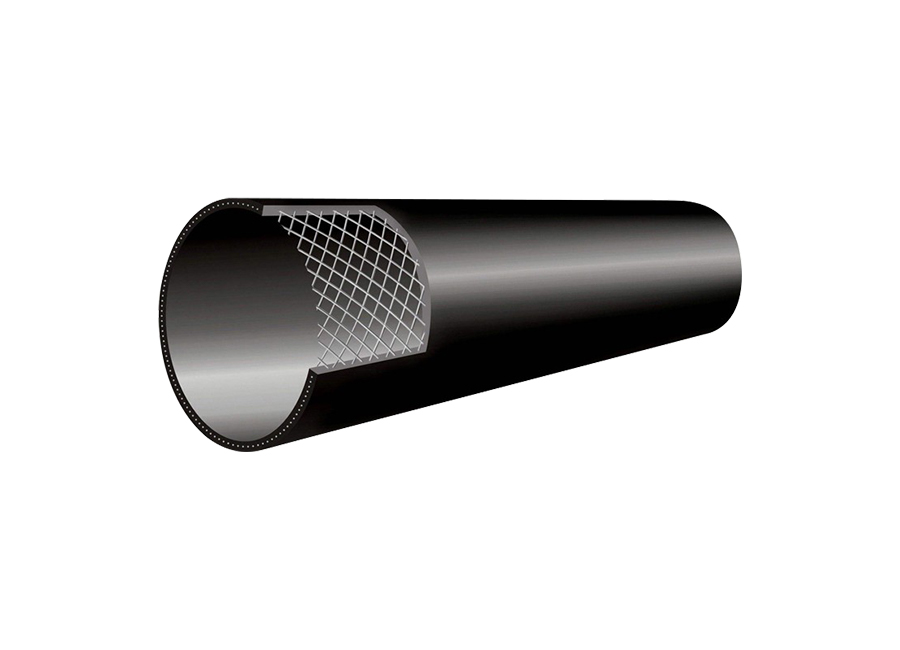
(2) Reinforced PVC pipes
Reinforced PVC pipes are generally made more durable by adding other materials or undergoing modification during the manufacturing process. These pipes can not only resist ultraviolet radiation but also withstand temperature changes and other environmental factors. They are suitable for environments requiring high strength and prolonged outdoor exposure.
(3) Coated PVC pipes
If the PVC pipe itself does not have UV protection, you can choose coated PVC pipes that have undergone special treatment. These coatings have good UV protection properties and can effectively prevent aging problems caused by ultraviolet radiation.