English
 中文简体
中文简体 русский
 عربى
عربى
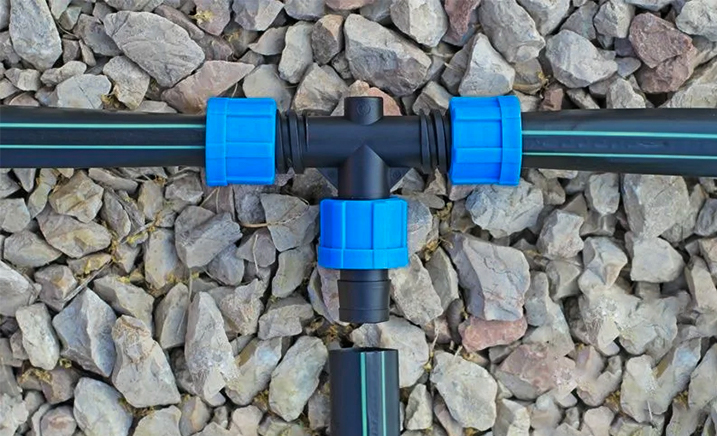
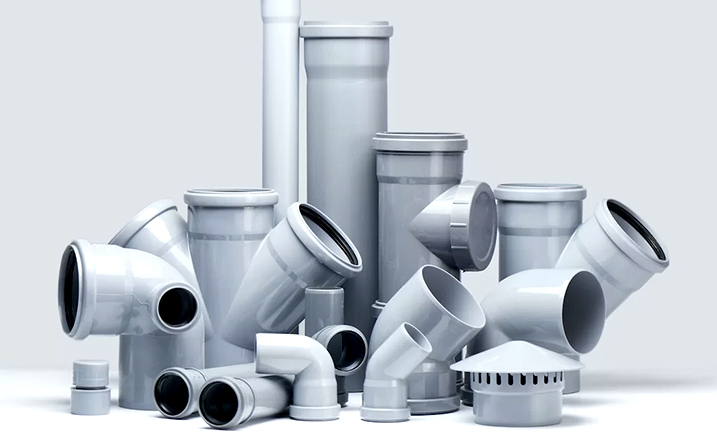
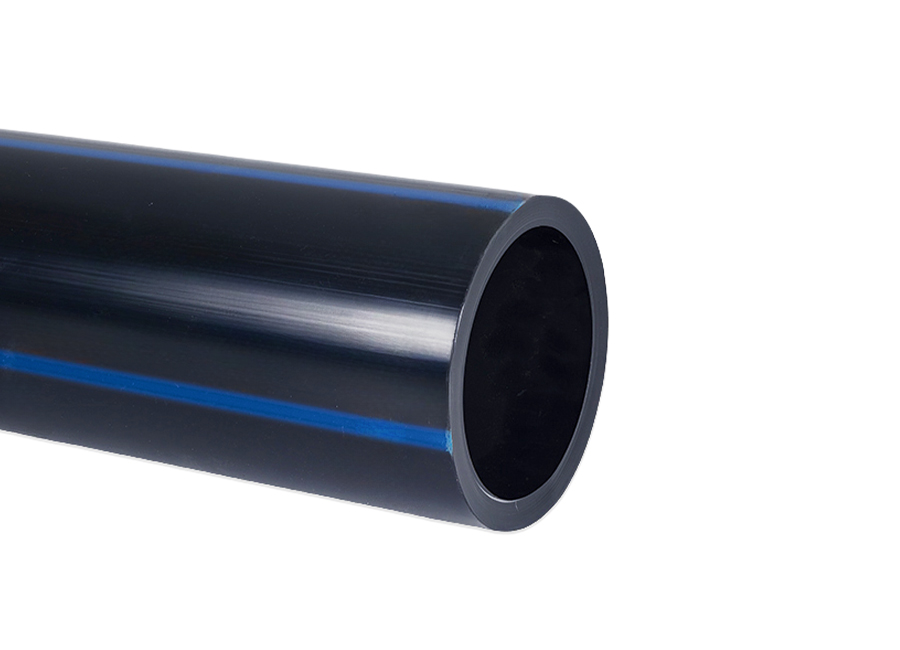
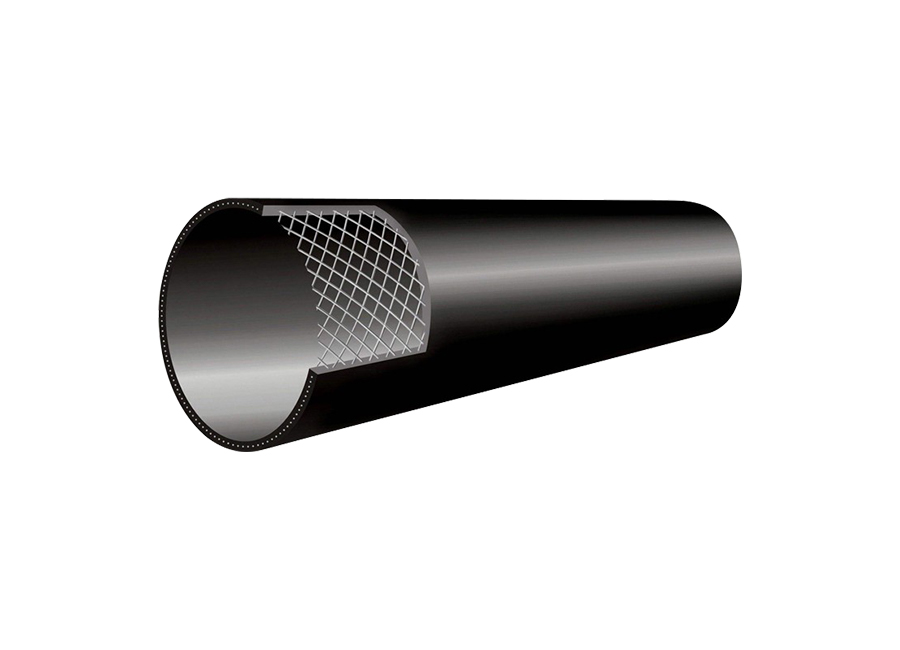
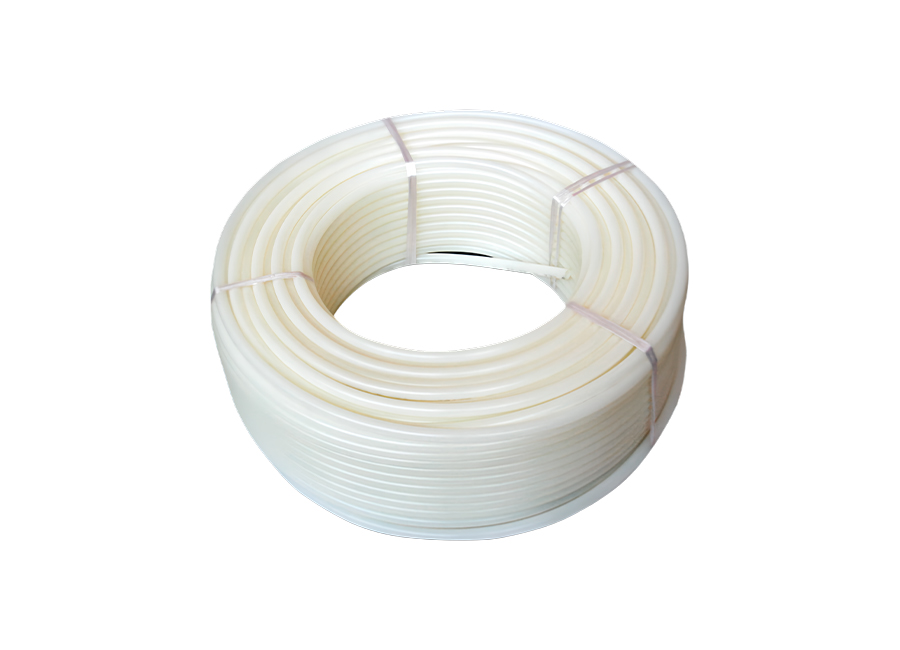
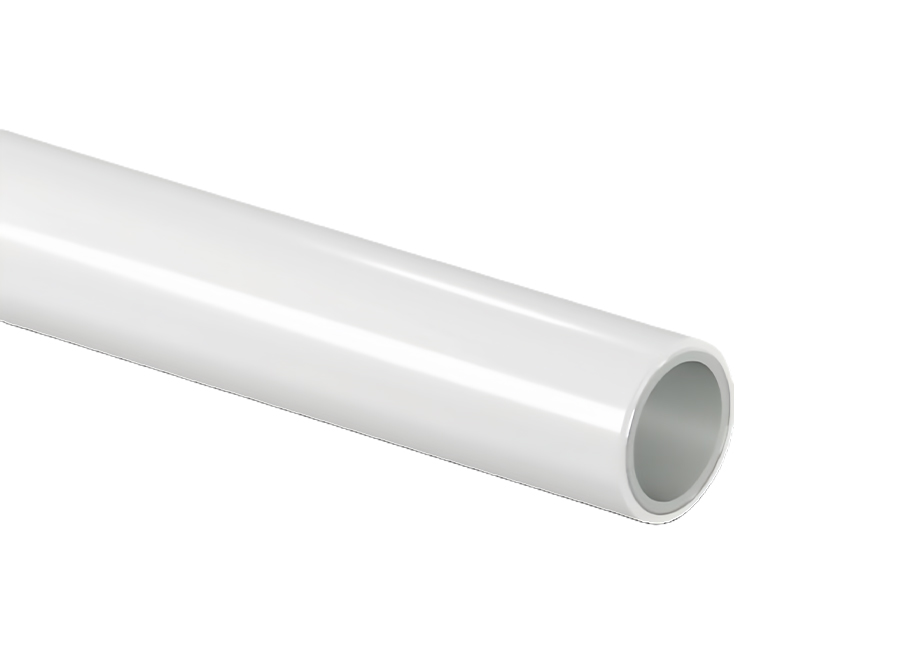
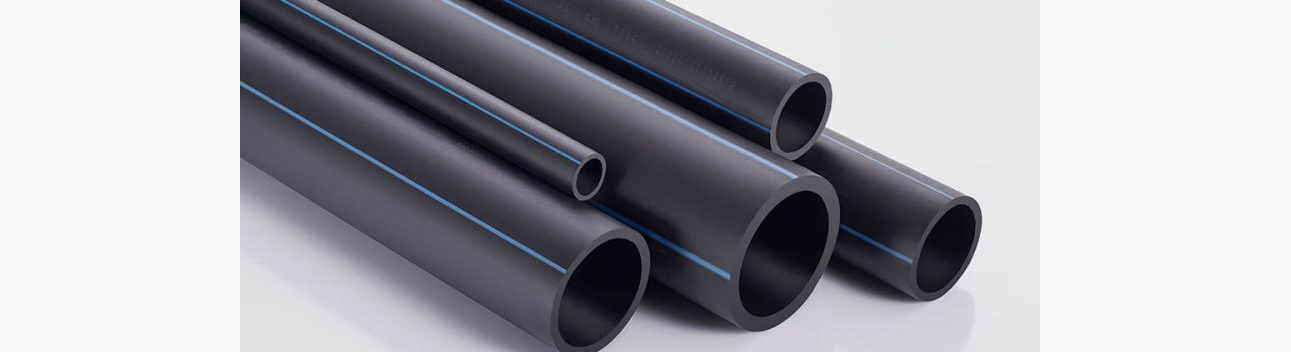
In modern industrial and construction engineering, PE pipes (polyethylene pipes) are widely used in various fields, including water supply, drainage, natural gas pipelines, and agricultural irrigation. Due to their corrosion resistance, flexibility, low weight, and long lifespan, PE pipes are gradually replacing traditional metal pipes in many industries. With the wide variety of PE pipes on the market, choosing the right PE pipe has become a key concern for many consumers and engineers.
This article will guide you through the selection process of PE pipes, helping you choose the most suitable PE pipe for various applications, and highlighting key factors to consider during the purchase.
1. Understanding the Types of PE Pipes
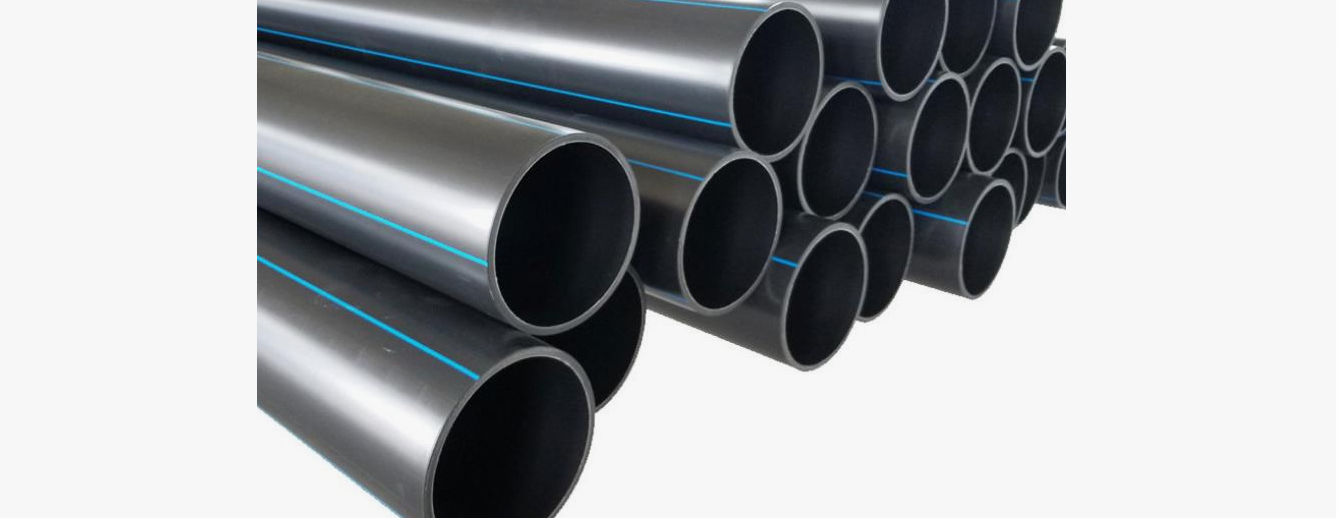
PE pipes can be divided into different types based on their performance and application areas, mainly including:
PE80 pipes: Used in general water supply and drainage systems, with relatively low compressive strength, suitable for general pressure pipelines.
PE100 pipes: Have higher compressive strength and are suitable for high-pressure applications, such as large-scale water supply and natural gas pipelines. They have better impact resistance and high-temperature resistance, making them suitable for harsh environmental conditions.
Different types of PE pipes are suitable for different scenarios and working conditions. When choosing a PE pipe, you should first determine the required type of PE pipe based on your actual needs.
2. PE Pipe Specifications and Size Selection
The specifications and dimensions of PE pipes are crucial factors to consider during the purchase. Common PE pipe specifications are usually expressed by the outer diameter (OD) and wall thickness (WT) of the pipe. Choosing the appropriate pipe diameter and wall thickness ensures the flow rate and pressure resistance of the pipeline during use.
| Pipe Specification | Outer Diameter (OD) | Wall Thickness (WT) | Applicable Scenarios |
| PE Pipe Ø20mm | 20mm | 2.3mm | Small household water pipes, low-pressure water supply systems |
| PE Pipe Ø50mm | 50mm | 4.0mm | Medium-sized water supply, irrigation systems |
| PE Pipe Ø110mm | 110mm | 6.3mm | Large construction projects, large water supply or drainage systems |
| PE Pipe Ø160mm | 160mm | 9.0mm | Industrial pipelines, high-pressure natural gas, wastewater treatment systems |
Selection Recommendations:
Household Use: For small water supply systems or household plumbing, smaller diameter PE pipes (such as Ø20mm) are sufficient, as they typically have lower pressure and flow rate requirements.
Agricultural Irrigation or Industrial Applications: Medium-sized pipes (such as Ø50mm) are suitable for agricultural irrigation or some medium-pressure industrial applications.
Large Buildings or Municipal Engineering: Large diameter pipes (such as Ø110mm or Ø160mm) are suitable for large construction projects, high-pressure water supply, or industrial wastewater discharge.
3. PE Pipe Working Pressure and Temperature Resistance
The working pressure and temperature resistance of PE pipes directly affect their suitability for different environments. When purchasing, it is necessary to understand the working pressure rating of the PE pipe (such as PN4, PN6, PN10, etc.) and its temperature range.
Working Pressure: The pressure rating of a PE pipe indicates the maximum pressure the pipe can withstand. For example, PN10 means the PE pipe can operate stably under 10 bar pressure.
Temperature Resistance: Most PE pipes are suitable for ambient temperatures ranging from -20℃ to 60℃. If used in high-temperature environments, special high-temperature resistant PE pipes should be selected.
Purchasing Suggestions:
For most household water supply systems, PE pipes with a pressure rating of PN6 or PN10 are sufficient.
In industrial environments, or for applications requiring high temperature resistance, a higher pressure rating PE100 pipe should be selected.
4. PE Pipe Material and Certification
The material of the PE pipe is crucial to its quality and service life. High-quality PE pipes usually use high-density polyethylene (HDPE) material, which has stronger corrosion resistance and impact resistance. In addition, checking whether the PE pipe complies with relevant national or international standards (such as ISO 4427, GB/T 13663, etc.) is also a key factor.
Purchasing Suggestions:
Ensure that the selected PE pipe meets industry standards and certifications to guarantee its reliable quality.
If used for water supply or drinking water pipelines, ensure that the PE pipe has food-grade certification and meets health and safety standards.
5. PE Pipe Connection Methods
There are generally two methods for connecting PE pipes: heat fusion welding and electrofusion welding.
Heat Fusion Welding: This involves heating two sections of PE pipe to melt their surfaces and then joining them together. This method is widely used for connecting large-diameter pipes. The connection is very strong and suitable for high-pressure and long-term use environments.
Electrofusion connection: This method uses electrofusion fittings, where the connection is heated by electric current to complete the pipe connection. It is suitable for small-diameter pipes and special applications, offering easier installation and suitability for on-site operations.
Purchasing Suggestions:
For long-term, stable high-pressure pipelines, it is recommended to choose heat-fusion connected PE pipes.
For small projects or temporary works, electrofusion connected PE pipes can be quicker and more convenient.
6. Corrosion Resistance and Service Life of PE Pipes
PE pipes are widely used in chemical transportation and water conservancy projects due to their corrosion resistance. Polyethylene material effectively resists most chemicals, acid and alkali corrosion, and microbial attack in water. The service life of PE pipes can usually reach more than 50 years, which is one of the reasons why it is favored by many industrial and municipal projects.
Purchasing Suggestions:
If chemical transportation or special corrosive environments are involved, choose PE pipes with strong corrosion resistance, such as PE100 pipes.
Ensure that the selected PE pipe meets long-term use requirements to avoid premature replacement due to material problems.
7. How to Avoid Choosing the Wrong PE Pipe?
When purchasing PE pipes, in addition to considering the above factors, you should also pay attention to the following points:
Avoid low-quality pipes: Cheap PE pipes may have problems such as substandard materials and insufficient wall thickness. Always confirm quality certification when choosing.
Appropriate installation requirements: Special attention should be paid to the pipe laying method during PE pipe installation to avoid pipe damage caused by improper installation.
Choosing the right PE pipe requires considering the actual application needs, the pipe's working environment, and the required technical specifications to find the most suitable pipe material. Due to its excellent physical properties, long service life, and high cost-effectiveness, PE pipe has become an important infrastructure material in industry, construction, agriculture, and daily life. Understanding the types, specifications, pressure ratings, and temperature resistance of PE pipes can help you make more informed decisions and provide a more reliable piping system for your project.