English
 中文简体
中文简体 русский
 عربى
عربى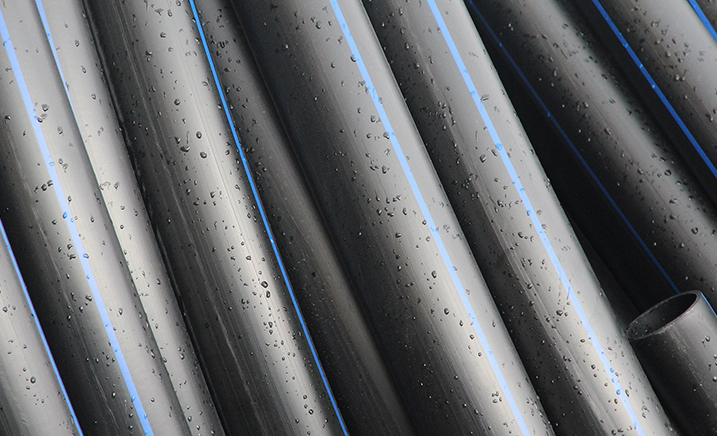
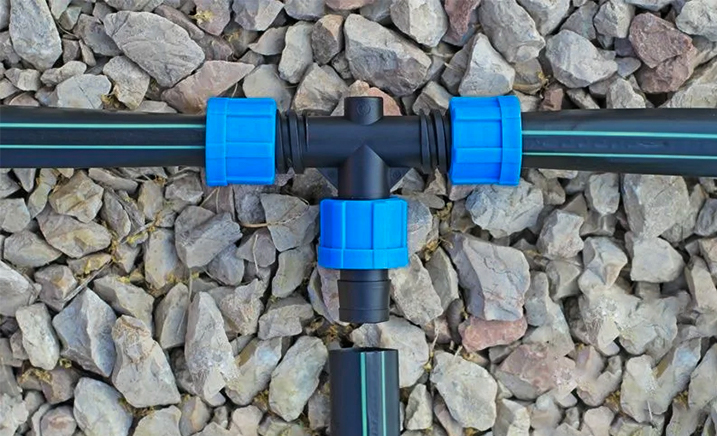
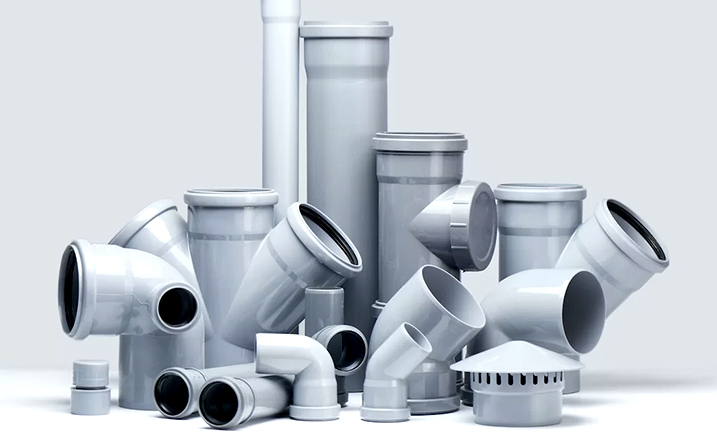
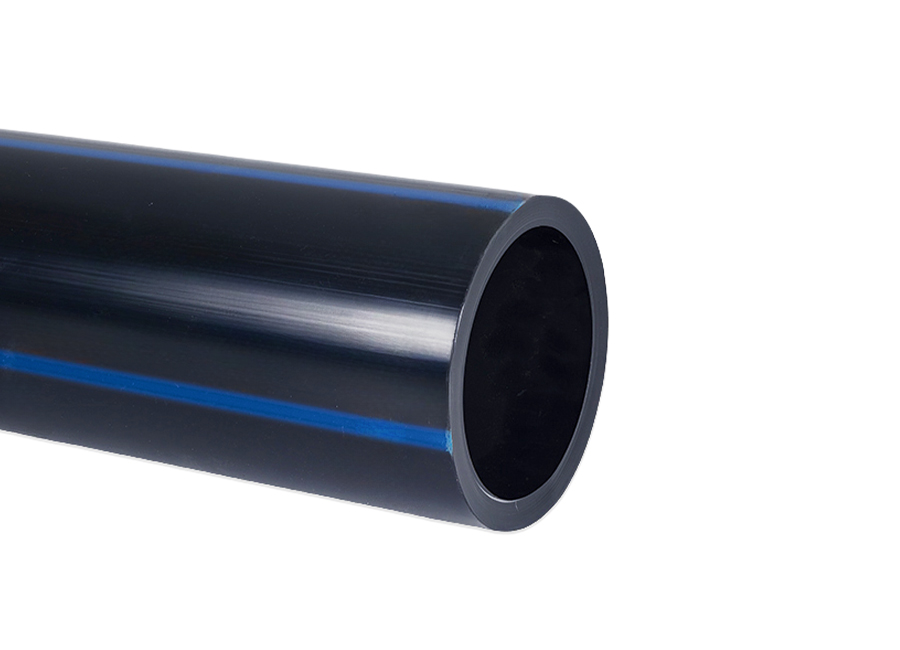
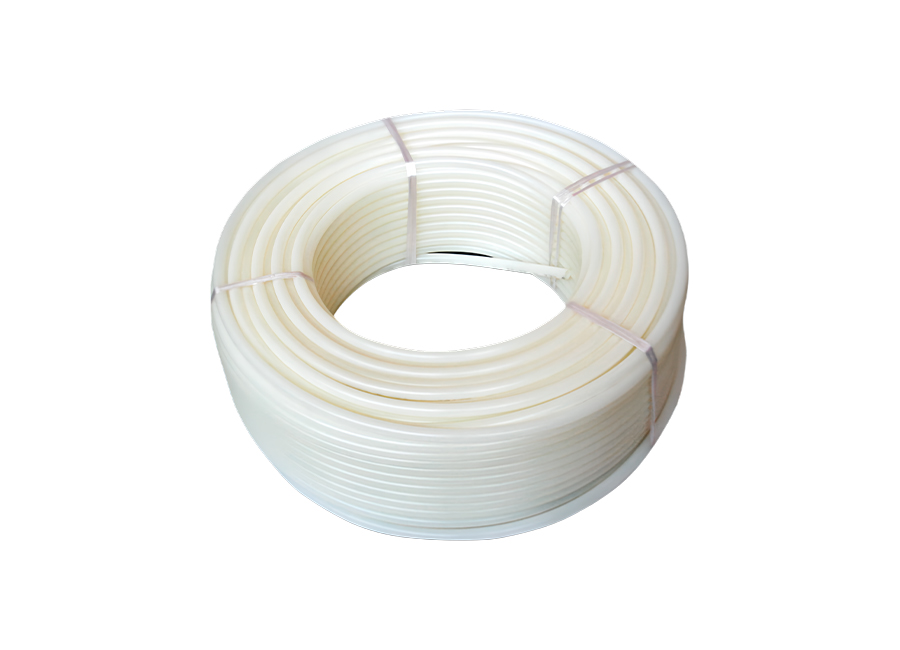
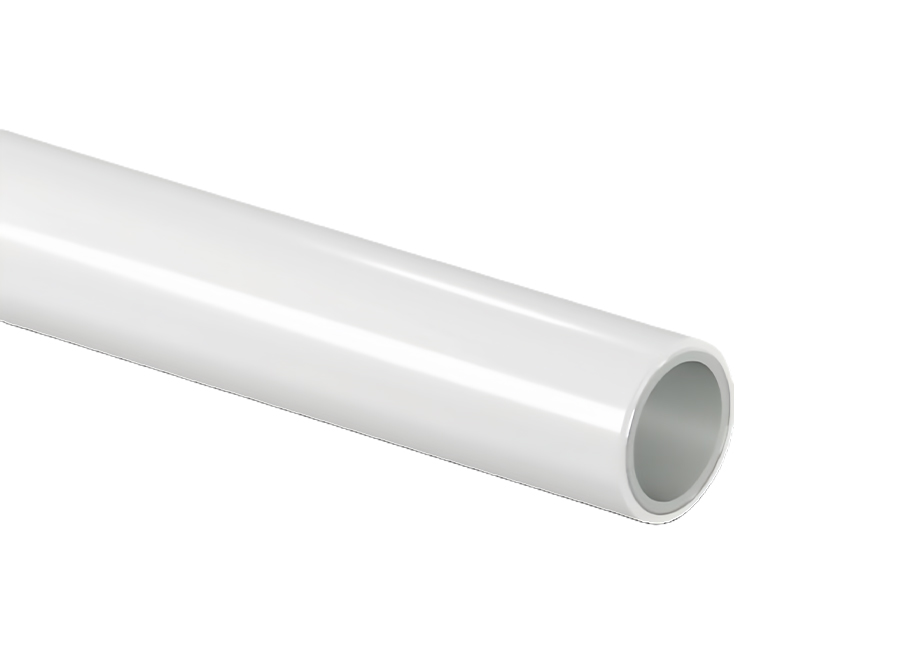
In the construction of water supply systems, the choice of materials is crucial. With increasing demands for water quality, service life, and cost-effectiveness, PE pipes (polyethylene pipes) have gradually become the preferred material for water supply systems. PE pipes have many unique advantages, such as strong corrosion resistance, light weight, and ease of construction, which have led to their widespread use in water treatment, urban water supply, and agricultural irrigation.
1. Characteristics of PE Pipes
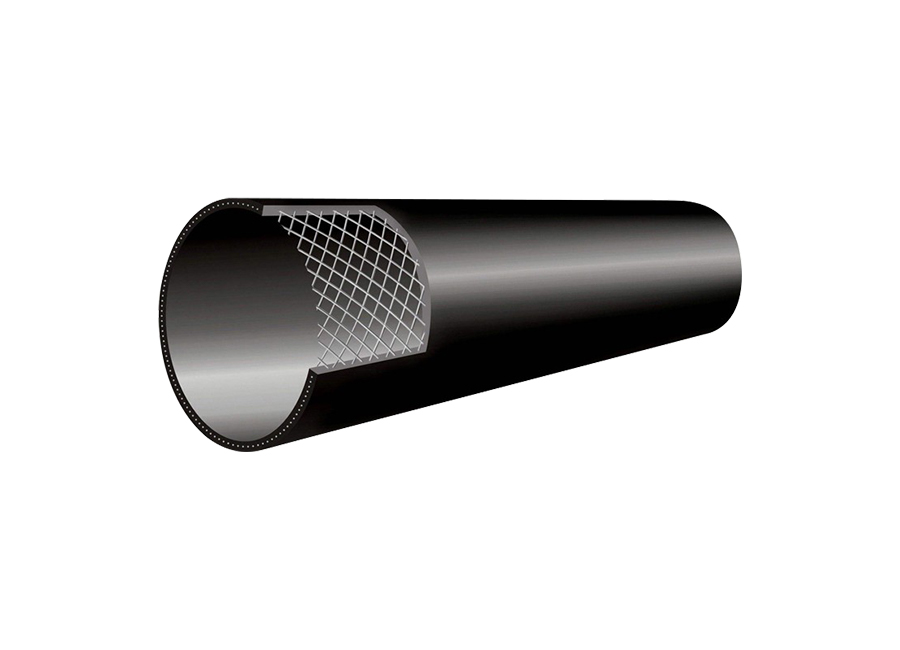
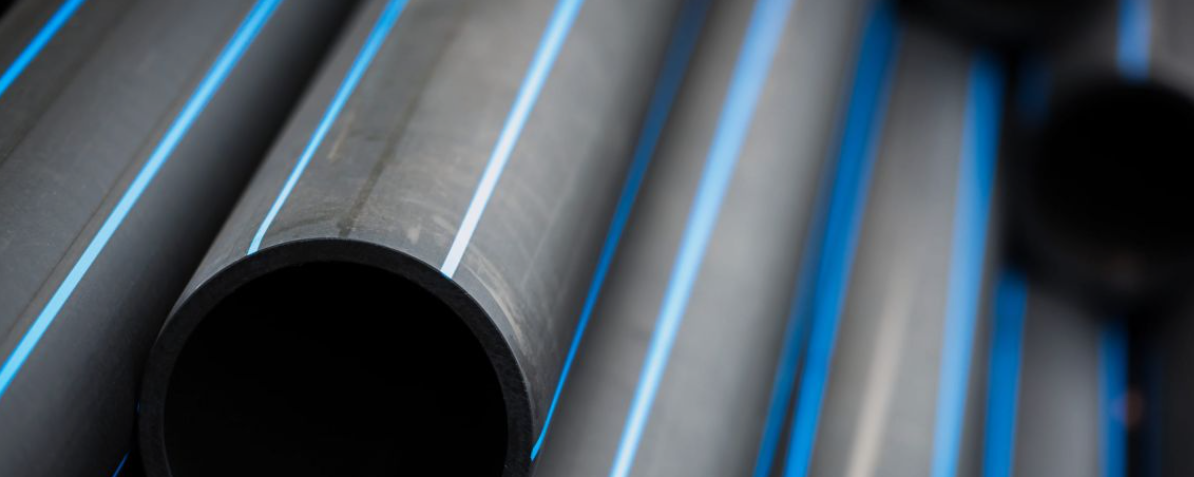
PE pipes are made of high-density polyethylene (HDPE) material and possess excellent physical and chemical properties. The following are some of the main characteristics of PE pipes:
Strong corrosion resistance: PE pipes have strong resistance to chemical substances and corrosive environments, and will not age or deteriorate due to long-term exposure to water or chemical corrosion.
Good wear resistance: PE pipes have good wear resistance and are suitable for transporting fluids containing solid substances such as mortar and sediment.
Lightweight and high strength: PE pipes are lightweight, making them easy to handle and install, yet they are very strong and can withstand considerable internal and external pressure.
Strong low-temperature adaptability: Even in low-temperature environments, PE pipes maintain good toughness and are not prone to brittle fracture.
2. Advantages of PE Pipes in Water Supply Systems
(1) Corrosion Resistance and Chemical Resistance
Water supply pipelines often face problems such as corrosion, aging, and reactions with chemical components in the water during long-term use. Traditional metal pipes such as iron and steel pipes are prone to rust, leading to water pollution, while the chemical stability of PE pipes allows them to remain unaffected by acids, alkalis, and salts in the water for a long time. They have good corrosion resistance to corrosive chemicals in water (such as chlorine, fluorine, sulfates, etc.), effectively ensuring the cleanliness of the water and the long-term use of the pipeline.
(2) Pressure Resistance and Impact Resistance
PE pipes have high pressure resistance, maintaining stable performance even in high-pressure environments, such as high-pressure water transmission in urban water supply systems. In addition, PE pipes have excellent impact resistance; even occasional impacts during transportation, installation, or operation will not cause breakage. This makes PE pipes more reliable for long-term use.
(3) High Toughness and Frost Resistance
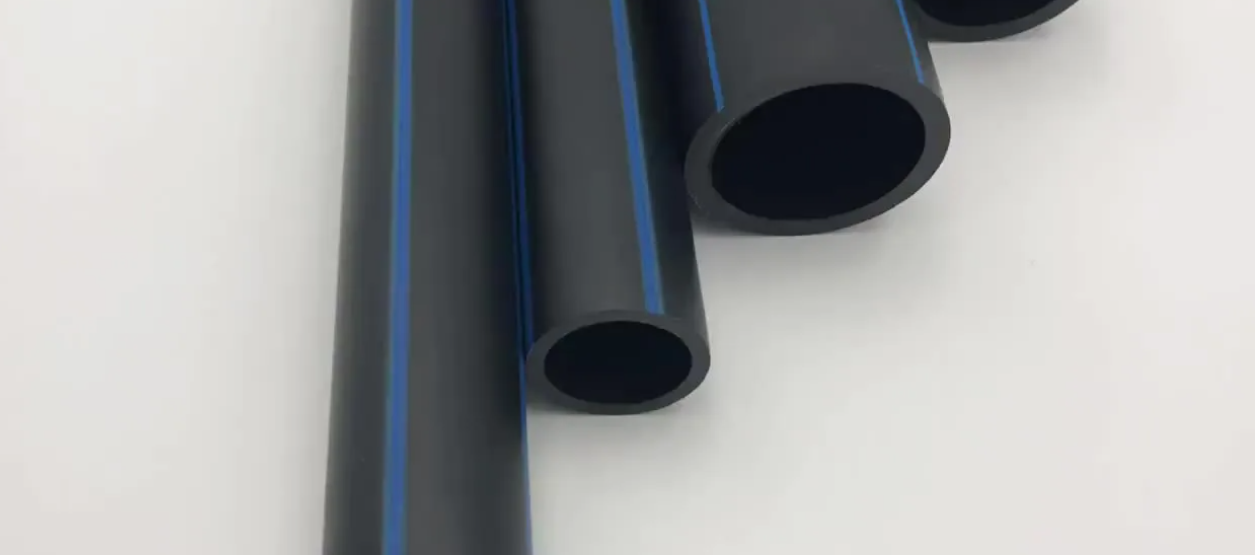
Due to the good toughness of PE pipes, they are not prone to brittle fracture even in low-temperature environments. This characteristic allows them to operate stably even in extremely cold regions. While other pipe materials may crack due to freezing expansion in cold weather, PE pipes, due to their high toughness, can avoid this problem.
(4) Cost Savings and Easy Construction
PE pipes are not only relatively inexpensive to purchase, but their lightweight nature also makes the construction process relatively simple and fast. Compared to traditional metal pipes, the installation of PE pipes does not require a large number of special tools and equipment. They can be connected through methods such as heat fusion and socket connections, reducing labor intensity and construction time. The improved installation efficiency directly reduces the total project cost and shortens the construction time.
(5) Environmental Friendliness
PE pipes are an environmentally friendly material. They do not contain harmful substances and have good recyclability. During use, they do not produce toxic substances and do not pollute water quality, meeting modern environmental protection requirements. In addition, the recyclability of PE pipes means that they can be recycled after their service life ends, reducing waste generation.
3. Applications of PE Pipes in Different Water Supply Systems
(1) Urban Water Supply Systems
In urban water supply systems, PE pipes are widely used in main pipelines, branch pipelines, and connection pipelines due to their excellent physical and chemical properties. Their corrosion resistance, pressure resistance, and long lifespan enable them to reliably transport clean water for extended periods. Whether used for underground pipelines or for replacing old pipelines that require frequent maintenance and replacement, PE pipes can ensure low maintenance costs and high efficiency for a long time.
(2) Agricultural Irrigation Systems
PE pipes also play a crucial role in agricultural irrigation. Because agricultural irrigation often requires withstanding considerable pressure and the operating environment is often harsh, the corrosion resistance and high-pressure resistance of PE pipes ensure the long-term stable operation of the irrigation network, guaranteeing the water supply for agricultural production. PE pipes are particularly suitable for precision irrigation systems such as drip irrigation and sprinkler irrigation, providing a stable water flow and precise irrigation effects.
(3) Industrial Water Systems
PE pipes also have widespread applications in industrial water pipelines, especially in industries such as chemical, metallurgical, and pharmaceutical industries. The corrosion resistance of PE pipes allows them to operate stably in environments where they come into contact with chemical solutions, avoiding the risk of corrosion that metal pipes face in chemical reactions. Therefore, PE pipes have become an ideal choice for many industrial water systems.
4. Comparison of PE Pipes with Traditional Pipes
| Comparison Item | PE Pipes | Traditional Pipes |
| Corrosion Resistance | Excellent, does not rust even when exposed to water for a long time | Prone to rust, water quality can be contaminated |
| Pressure Resistance | High, can withstand large water pressures | Average, susceptible to pressure damage |
| Installation Simplicity | Quick installation, saves labor and material costs | Requires more tools and more complex installation process |
| Service Life | Long, typically lasts over 50 years | Relatively short, affected by external factors |
| Environmental Impact | High, recyclable and non-toxic material | High environmental impact, not recyclable |
As an important material in water supply systems, PE pipes have become an indispensable choice in water supply engineering due to their excellent corrosion resistance, pressure resistance, and toughness. Whether in urban water supply systems, agricultural irrigation, or industrial water systems, PE pipes can provide long-term, stable, efficient, and safe water transportation solutions. Their advantages in environmental protection, cost-effectiveness, and ease of construction make them a mainstream choice for future water supply systems.