English
 中文简体
中文简体 русский
 عربى
عربى
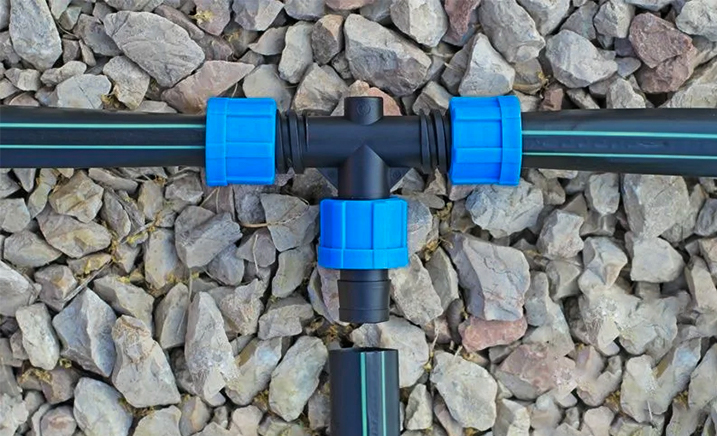
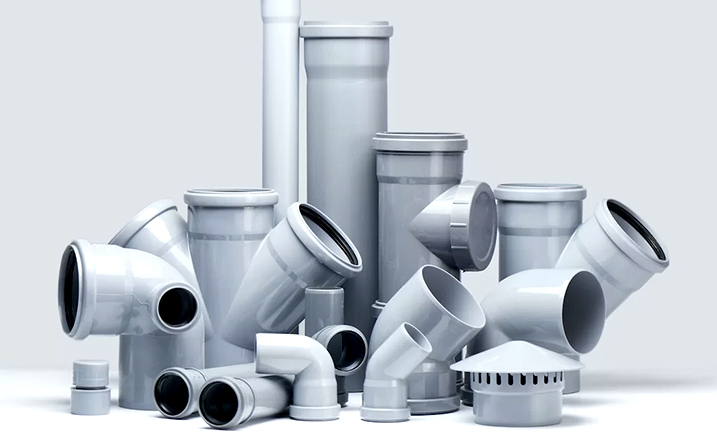
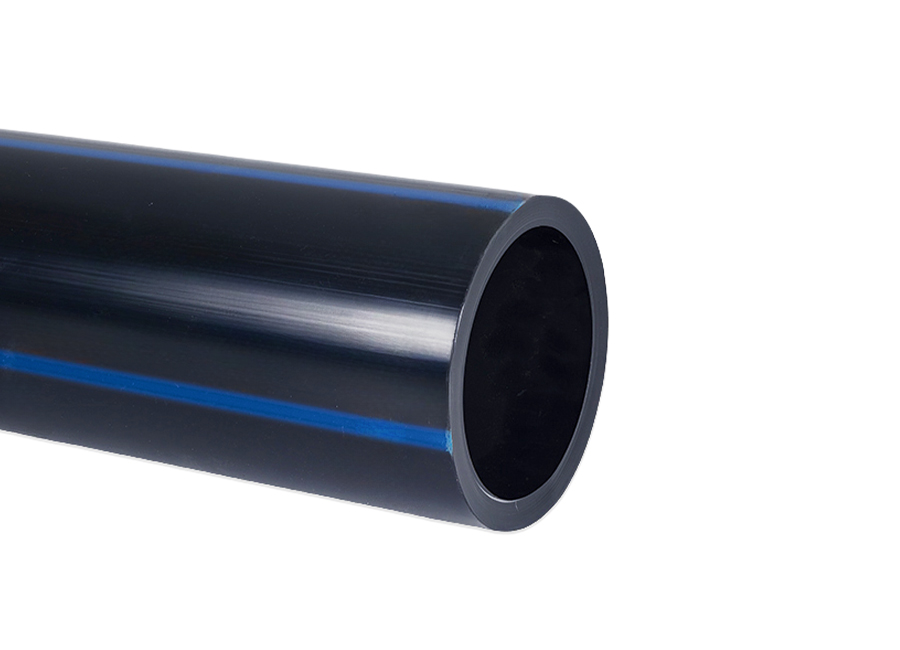
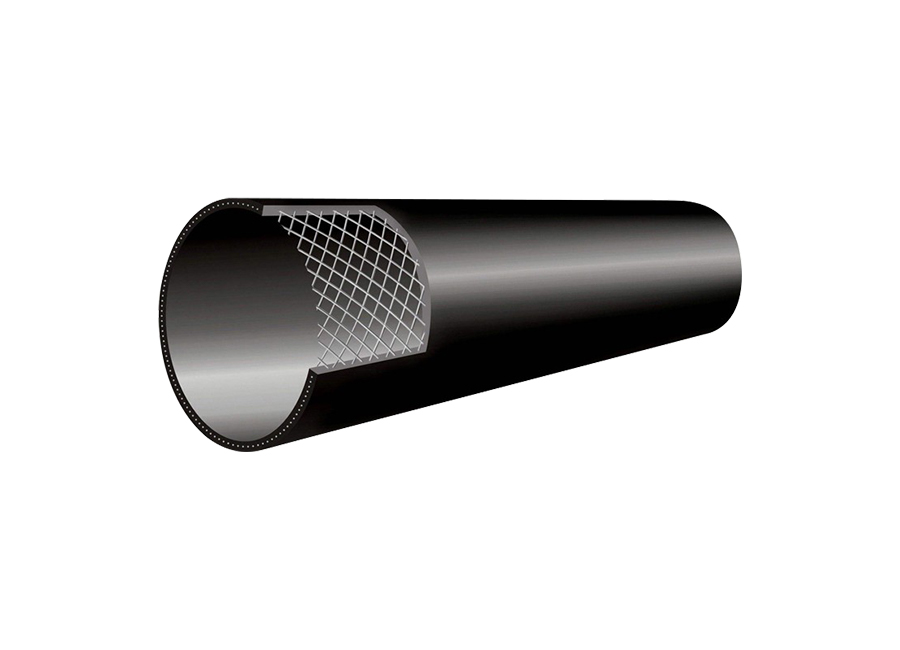
PE pipe installed and maintained according to established best practices routinely achieves a service life of 50–100 years across water, gas, irrigation, and plumbing applications. The most common causes of premature failure — joint leakage, UV degradation, improper burial depth, and incorrect fusion parameters — are entirely preventable with disciplined installation and a structured maintenance schedule. Whether you are deploying PE pipe for irrigation systems in agricultural fields, PE pipe for gas distribution in municipal infrastructure, or flexible PE pipe for plumbing in residential and commercial buildings, the core principles of correct handling, jointing, bedding, and pressure testing apply to all applications and directly determine long-term performance.
This guide provides actionable, specification-backed best practices for every phase of PE pipe use — from pre-installation handling through jointing methods, burial requirements, pressure testing, and ongoing maintenance — with specific data values for each critical parameter.
Content
- 1 Understanding PE Pipe Grades and Their Application-Specific Requirements
- 2 Pre-Installation Handling and Storage: Preventing Damage Before the Pipe Is in the Ground
- 3 Jointing Methods: Butt Fusion, Electrofusion, and Compression Fittings
- 4 Trenching, Bedding, and Burial: Installation Parameters That Protect Long-Term Performance
- 5 Application-Specific Installation Considerations
- 6 Pressure Testing: Verifying System Integrity Before Commissioning
- 7 Long-Term Maintenance Schedule and Condition Monitoring
- 8 Frequently Asked Questions About PE Pipe Installation and Maintenance
- 8.1 Q1: What is the actual service life of correctly installed PE pipe, and what factors shorten it?
- 8.2 Q2: Can PE pipe be used for hot water applications, and what grade is required?
- 8.3 Q3: How should a PE pipe system be winterized to prevent freeze damage?
- 8.4 Q4: Is PE pipe suitable for aggressive soil conditions, and does it require cathodic protection?
- 8.5 Q5: Can PE pipe be installed using trenchless methods, and which PE grade is required?
- 8.6 Q6: How do you repair a leaking buried PE pipe without replacing the entire section?
Understanding PE Pipe Grades and Their Application-Specific Requirements
Not all PE pipe is interchangeable. The grade of polyethylene — defined by its density classification and minimum required strength (MRS) — determines the pressure rating, chemical resistance, and temperature capability of the installed system. Matching the correct grade to the application is the first and most consequential installation decision.
| PE Grade | MRS (MPa) | Typical SDR Range | Max Operating Pressure | Primary Applications |
|---|---|---|---|---|
| PE80 | 8.0 | SDR 11–26 | Up to 10 bar (water), 4 bar (gas) | PE pipe for irrigation systems, low-pressure water mains |
| PE100 | 10.0 | SDR 11–17 | Up to 16 bar (water), 10 bar (gas) | PE pipe for gas distribution, high-pressure water mains |
| PE100-RC | 10.0+ | SDR 11–17 | Up to 16 bar | Trenchless installation, rocky ground, point load conditions |
| PE63 / PE40 | 6.3 / 4.0 | SDR 11–17 | Up to 6 bar | Flexible PE pipe for plumbing, low-pressure drainage |
The SDR (Standard Dimension Ratio — the ratio of pipe outer diameter to wall thickness) is equally important. A lower SDR means a thicker wall and higher pressure rating. SDR 11 at PE100 grade is the standard specification for PE pipe for gas distribution in most international codes, providing a 10 bar working pressure with the required safety factor. For PE pipe for irrigation systems operating at 3–6 bar, SDR 17 in PE80 or PE100 is typically specified, reducing material cost while maintaining an adequate safety margin.
Pre-Installation Handling and Storage: Preventing Damage Before the Pipe Is in the Ground
A significant proportion of PE pipe installation failures originate from damage sustained during transport, storage, or handling — damage that may not be visible to the naked eye but creates stress concentrators that propagate to failure under operating pressure. Following correct handling procedures eliminates this risk entirely.
Storage Requirements
- UV exposure: Carbon black-stabilized PE pipe (the standard formulation for buried service) can be stored outdoors for up to 2 years without UV degradation. Non-pigmented or colored PE pipe for indoor plumbing must be stored out of direct sunlight — UV exposure above 500 hours significantly degrades the pipe's long-term hydrostatic strength if carbon black stabilization is absent.
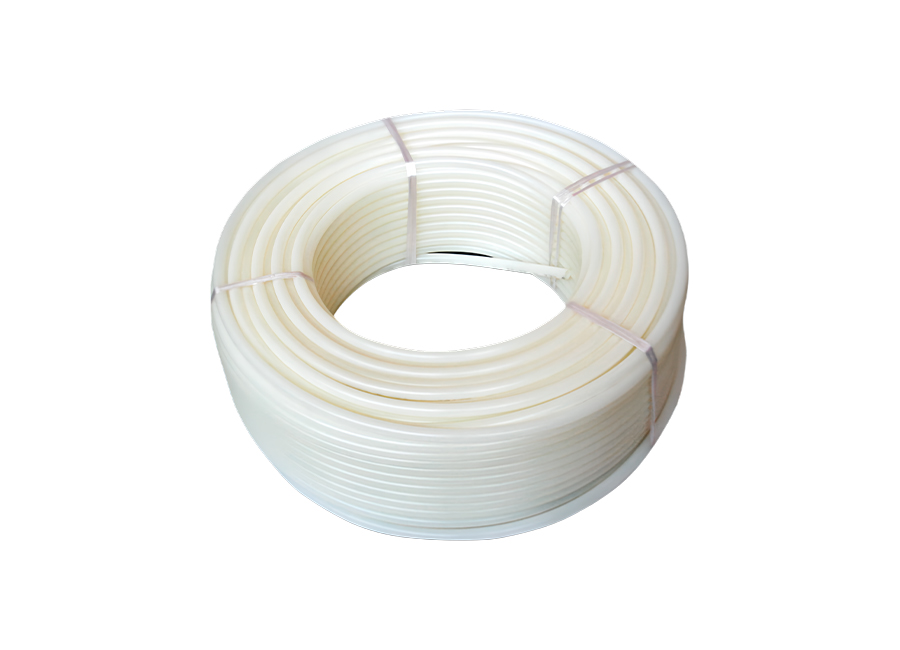
- Support and coil storage: Straight pipe lengths should be stored on flat, continuous support to prevent permanent sag deformation. Coiled pipe (common for flexible PE pipe for plumbing and small-diameter irrigation supply) should be stored on a flat surface or on the reel with the coil diameter maintained above the minimum bend radius specification — typically 20–25x the pipe outer diameter for standard PE grades.
- Temperature effects on handling: Below 5°C, PE pipe becomes notch-sensitive and impact-prone. Do not drop, drag over sharp surfaces, or apply point loads to PE pipe in cold conditions. At temperatures below 0°C, the minimum bend radius increases significantly — consult the manufacturer's cold-temperature bending data before attempting to uncoil in winter conditions.
Pre-Installation Pipe Inspection
Before each pipe section is lowered into the trench, inspect the full length visually and by hand for: surface gouges or cuts deeper than 10% of the wall thickness (reject any pipe with damage exceeding this threshold), ovality deformation (pipe should return to round within 24 hours of uncoiling at ambient temperature above 10°C), and discoloration or chalking indicating UV degradation. Mark and set aside any suspect lengths for return — do not install damaged pipe and expect the system to perform to specification.
Jointing Methods: Butt Fusion, Electrofusion, and Compression Fittings
The joint is the most vulnerable point in any PE pipe system. Selecting the correct jointing method and executing it to the specified parameters is the single most impactful factor in system reliability after pipe grade selection.
Butt Fusion Welding — Standard Method for Pipe Diameters 63 mm and Above
Butt fusion heats both pipe ends against a heated plate at 200–230°C until a controlled melt bead forms, then removes the plate and joins the molten ends under a calculated fusion pressure. A correctly made butt fusion joint is stronger than the parent pipe — it is genuinely the weakest link only when the process parameters are violated.
Critical process parameters (per ISO 21307 and EN 12007-2 for gas service):
- Heater plate temperature: 200–230°C (verify with contact thermometer before every weld — do not rely on machine display alone).
- Heating time: Minimum 10 seconds per mm of wall thickness at standard conditions. For PE pipe for gas distribution in ambient temperatures below 10°C, add 20–30% to heating time.
- Changeover time: Maximum 6–10 seconds depending on pipe diameter — the heater plate must be removed and the pipe ends joined before the melt surface cools below its fusion temperature. Exceeding changeover time produces a cold weld with significantly reduced joint strength.
- Cooling time: Minimum 10–15 minutes under cooling pressure before removing from the machine. Moving a joint before it has cooled adequately causes deformation of the melt zone.
- Bead inspection: A correctly formed butt fusion bead should be uniform, symmetrical, and roll-back to the pipe surface cleanly. An asymmetric, narrow, or flat bead indicates incorrect temperature or pressure — reject and cut out the joint.
Electrofusion — Preferred for Repairs, Fittings, and Confined Spaces
Electrofusion fittings contain embedded resistance wires that melt the fitting bore and the pipe surface when a controlled electrical current is applied. The process is governed by the fitting's barcode-encoded parameters — a quality electrofusion controller reads the fitting's barcode and automatically sets the correct voltage and fusion time. This removes operator variability from the primary fusion parameters.
The critical operator-controlled variables in electrofusion are: pipe surface scraping (a minimum 0.1–0.2 mm layer must be removed from the pipe surface in the fusion zone to remove oxidized material), pipe roundness within the fitting (pipe ovality must be corrected with a rounding tool before fusion for pipe that has been coiled), and alignment — the pipe and fitting must be held in correct alignment with clamps for the full cooling period (typically 15–30 minutes after fusion completes).
Compression Fittings — For Flexible PE Pipe for Plumbing and Small-Diameter Service
Compression fittings are the standard jointing method for flexible PE pipe for plumbing applications and small-diameter irrigation connections (typically 16–63 mm). A correctly made compression joint on PE pipe requires: a clean, square pipe cut (use a rotary pipe cutter — never a hacksaw), a support insert pushed fully to the stop inside the pipe end (mandatory for PE pipe — the insert prevents the soft pipe from collapsing under compression), and tightening to the manufacturer's specified torque, typically 1.5–2.5 turns past hand-tight depending on fitting size.
Trenching, Bedding, and Burial: Installation Parameters That Protect Long-Term Performance
PE pipe is flexible — this is one of its greatest advantages, allowing it to deflect and absorb ground movement that would crack rigid pipe. But that same flexibility means the pipe requires adequate embedment support to maintain its circular cross-section under soil load. Inadequate bedding produces oval deformation that progressively increases under sustained load, reducing flow capacity and eventually causing joint stress concentration.
Key bedding and burial requirements:
- Bedding material: Use granular material with a maximum particle size of 10 mm for pipe diameters up to 200 mm (20 mm for larger diameters). Crushed stone, sand, or selected granular backfill is appropriate. Never use clay, rock, frozen material, or debris in the embedment zone — sharp objects in direct contact with PE pipe cause stress concentration that initiates slow crack growth.
- Embedment zone: Bedding material must extend a minimum of 150 mm above the pipe crown before transitioning to selected backfill. This zone must be placed in layers and compacted uniformly on both sides of the pipe simultaneously to prevent pipe lateral displacement.
- Trench width: Minimum trench width should be the pipe outer diameter plus 300 mm (150 mm on each side) to allow adequate compaction of embedment material alongside the pipe.
- Thermal expansion allowance: PE has a coefficient of thermal expansion of approximately 0.15–0.18 mm/m/°C — significantly higher than steel or ductile iron. For above-ground installations, install expansion loops at intervals of 50–100 m and allow for free movement at supports. For buried installations in regions with large seasonal temperature swings, install the pipe at the mean annual ground temperature to minimize thermally induced axial stress.
Application-Specific Installation Considerations
PE Pipe for Irrigation Systems
PE pipe for irrigation systems is typically installed in PE80 or PE100 grade in SDR 13.6 to SDR 17, covering the 4–10 bar operating pressure range of most agricultural and landscape drip and sprinkler systems. Key installation requirements specific to irrigation:
- Install mainlines at a minimum depth of 450–500 mm to protect from agricultural equipment and freeze damage in temperate climates. Lateral lines for subsurface drip irrigation are typically installed at 200–300 mm depth.
- Allow free-coil loops at zone valves and at direction changes to accommodate the thermal movement of surface-exposed or shallow-buried sections during seasonal temperature cycling.
- Flush the complete system before connecting emitters or drip tape — fusion and compression jointing produces debris that will block drip emitters with orifices of 0.5–1.2 mm if not removed before operation.
PE Pipe for Gas Distribution
PE pipe for gas distribution operates under the most stringent installation requirements of any PE pipe application. In most jurisdictions, PE100 SDR 11 is the minimum specification for intermediate pressure gas service (up to 4 bar in many European codes; up to 10 bar in higher-pressure systems). Critical additional requirements include:
- All fusion joints must be made by trained and certified operators — certification is mandatory under EN 13067 (Europe) and equivalent national codes. Uncertified fusion work on gas distribution PE pipe is a regulatory violation in most jurisdictions.
- Minimum burial depth is typically 600–900 mm to the top of the pipe in road crossings, with warning tape (yellow, inscribed "GAS") installed 300 mm above the pipe crown.
- All butt fusion joints must be recorded with a data logger documenting time, temperature, and pressure parameters — these records are retained as part of the asset management documentation for the lifetime of the gas main.
Flexible PE Pipe for Plumbing
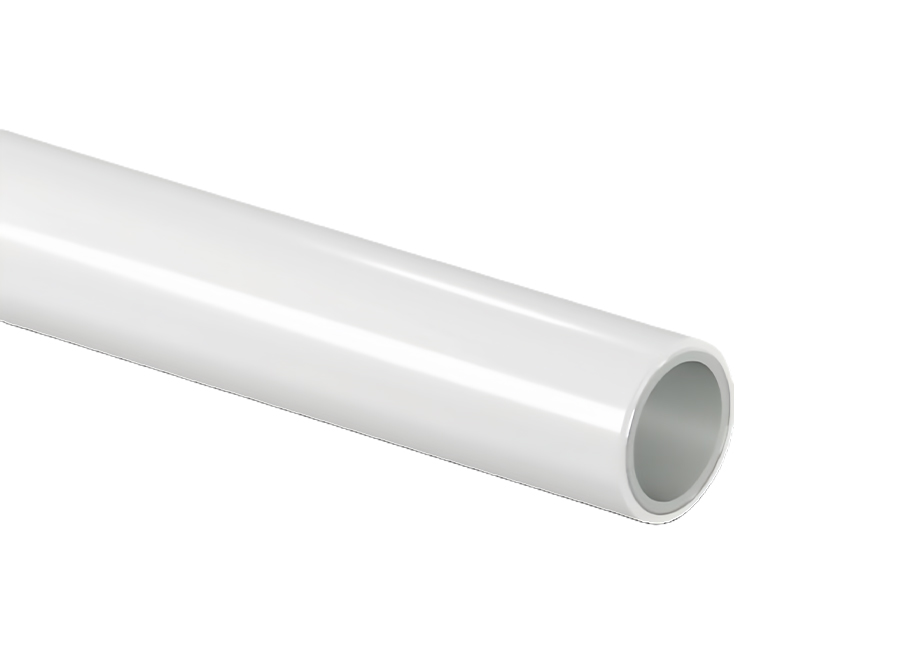
Flexible PE pipe for plumbing — typically PE-RT (raised temperature resistant polyethylene) or PE-X in smaller diameters from 16 to 63 mm — is used for hot and cold water distribution in residential and commercial buildings. Installation considerations specific to this application:
- Verify that the pipe specification includes the temperature rating required — standard PE pipe is not rated for continuous hot water service above 60°C, while PE-RT is rated to 70°C continuous / 80°C short-term. Using standard PE in hot water service causes accelerated creep and premature joint failure.
- Support spacing for horizontal runs of flexible PE pipe for plumbing at 20°C: 500 mm intervals for 16–25 mm pipe; 800 mm for 32–50 mm pipe. At 60°C service temperature, reduce support spacing by 30% — elevated temperature reduces the pipe's stiffness and increases sag under its own weight.
- Do not embed PE-RT or PE-X plumbing pipe in concrete without a protective sleeve — concrete alkalis can attack certain PE formulations over time, and thermal expansion within the concrete encasement generates uncontrolled stress on the pipe wall.
Pressure Testing: Verifying System Integrity Before Commissioning
All PE pipe systems must be pressure tested before commissioning. PE pipe's viscoelastic behavior means that it undergoes measurable expansion under sustained pressure — a phenomenon that must be accounted for in the test procedure to avoid false failure readings.
The chart illustrates the key distinction: in a leak-free PE system, pressure drops steadily in the first 60–90 minutes due to pipe wall creep expansion, then stabilizes. A leaking system shows a continuous, non-stabilizing pressure decline. The standard PE pipe hydrostatic pressure test procedure (per ISO 1167 or EN 805 for water; EN 12007 for gas) accounts for this by:
- Pre-conditioning phase: Pressurize to test pressure and hold for 30 minutes, adding water as needed to maintain pressure. This allows initial pipe wall expansion before the measurement phase begins.
- Test pressure: Typically 1.5x the maximum allowable operating pressure (MAOP) for water systems; specific values per the applicable gas distribution code for PE pipe for gas distribution.
- Acceptance criterion: After the pre-conditioning phase, the system passes if pressure loss over the subsequent 60-minute test period does not exceed the code-permitted allowable — typically 0.5–1.0 bar for water systems after stabilization.
Long-Term Maintenance Schedule and Condition Monitoring
PE pipe's 50–100 year design life is achieved through a combination of correct installation and a structured maintenance and monitoring program. The following schedule applies across water, irrigation, and gas applications, with additional requirements for gas distribution noted where applicable.
| Maintenance Activity | Frequency | Method | Applicable System |
|---|---|---|---|
| System pressure monitoring | Continuous or daily | Pressure gauge / SCADA logging | All systems |
| Above-ground section UV inspection | Annually | Visual — check for chalking, cracking, discoloration | Irrigation, exposed plumbing |
| Leak detection survey | Annually | Acoustic listening, correlator | Water mains, gas distribution |
| Filter and strainer cleaning | Seasonally | Backflush or manual clean | PE pipe for irrigation systems |
| Fusion joint records review | At each major repair/extension | Data logger archive review | PE pipe for gas distribution |
| Full system pressure re-test | Every 10 years or post-repair | Hydrostatic test per applicable code | All pressurized systems |
| Cathodic protection check (if applicable) | Annually | Potential measurement at test points | Systems with metallic fittings or valves |
Frequently Asked Questions About PE Pipe Installation and Maintenance
Q1: What is the actual service life of correctly installed PE pipe, and what factors shorten it?
Correctly specified and installed PE100 pipe has a design life of 50 years at 20°C under the ISO 9080 long-term hydrostatic strength methodology, and field data from water utilities shows many PE mains exceeding 40 years of service without failure. The factors that most significantly shorten service life are: sustained operating temperatures above the design temperature (each 10°C increase approximately halves long-term hydrostatic strength); point loading from sharp stones in the embedment zone (initiates slow crack growth from the pipe outer surface); UV exposure on non-stabilized pipe; and incorrect fusion parameters that produce sub-standard joint strength.
Q2: Can PE pipe be used for hot water applications, and what grade is required?
Standard PE80 and PE100 pipe is not suitable for continuous hot water service above 60°C. For flexible PE pipe for plumbing in hot water systems, PE-RT (polyethylene of raised temperature resistance) or cross-linked PE (PE-X) must be specified. PE-RT Type II is rated for 70°C continuous service at 6 bar and 80°C short-term peaks. PE-X provides similar temperature capability with higher long-term pressure ratings due to its cross-linked molecular structure. Always verify the pipe's temperature-pressure derating curve against your system's design conditions before specifying.
Q3: How should a PE pipe system be winterized to prevent freeze damage?
PE pipe can withstand freezing of the contained water without pipe failure — its flexibility allows it to expand with the ice — provided the ice plug does not create hydraulic pressure that exceeds the pipe's working pressure rating. However, fittings, valves, and compression joints are more vulnerable to freeze damage than the pipe itself. For PE pipe for irrigation systems that will be left dormant in winter, drain the system completely using compressed air blow-down through drain valves at the system's low points. Above-ground sections, compression fittings, and backflow preventers should be insulated or brought indoors for winter storage. Buried PE pipe below the frost depth requires no special winterization.
Q4: Is PE pipe suitable for aggressive soil conditions, and does it require cathodic protection?
PE pipe itself is inherently corrosion-resistant and requires no cathodic protection — this is one of its primary advantages over steel and ductile iron in aggressive or corrosive soil environments. PE pipe for gas distribution is widely used as the pipe of choice in highly corrosive soils precisely because it does not require the extensive cathodic protection infrastructure that metallic pipe demands. The caveat is the metallic components of the system: steel valves, transition fittings from PE to steel mains, and valve boxes in contact with aggressive soil should be assessed for corrosion protection needs independently of the PE pipe itself.
Q5: Can PE pipe be installed using trenchless methods, and which PE grade is required?
Yes — PE pipe is one of the most compatible pipe materials for trenchless installation methods including horizontal directional drilling (HDD), pipe bursting, and slip lining of deteriorated existing mains. For trenchless installation where the pipe is pulled through the bore and may contact rocky soil or the host pipe, PE100-RC (resistance to crack) grade is strongly recommended. PE100-RC has enhanced resistance to slow crack growth initiated by point loads — the primary failure mechanism encountered in HDD pulls through rocky ground. Standard PE100 is acceptable for pipe bursting where the new pipe is pulled into a pre-fractured host pipe in relatively clean conditions.
Q6: How do you repair a leaking buried PE pipe without replacing the entire section?
The standard repair method for a localized leak in a buried PE pipe is to excavate to expose the affected section, cut out the damaged length, and install a repair coupling using electrofusion fittings. The repair section must be at least 3 pipe diameters in length on each side of the damage to ensure the new fusion joints are made on undamaged, structurally sound pipe wall. For small-diameter flexible PE pipe for plumbing, compression repair couplings rated for the system's operating pressure are an acceptable alternative. Never attempt to repair a PE pipe leak with adhesives or patch materials — these do not form a pressure-rated joint and will fail in service.