English
 中文简体
中文简体 русский
 عربى
عربى
A familiar scene on site: the trench is open, the solvent cement is ready, and the installer finds that the 90-degree elbow will not seat on the pipe spigot the way the drawing promised. The socket bottoms out early, the insertion mark disappears inside the fitting, and a joint that passes inspection at hand-over becomes a leak two winters later.
The short version: a PVC pipe fitting is defined by four things — the resin grade it is moulded from, its geometry (socket depth, wall thickness, bore), the connection method it is designed for, and the pressure and temperature range it may carry. Price per piece comes fifth.
That order matters because most joint problems on projects are interface problems rather than material failures: the fitting and the pipe were produced to different tolerances, a solvent-welded joint was asked to work at 45 °C, or a threaded adapter was installed where the line should have been flanged. Each of those is settled before the purchase order is signed, not on site.
Content
- 1 What Counts as a PVC Pipe Fitting
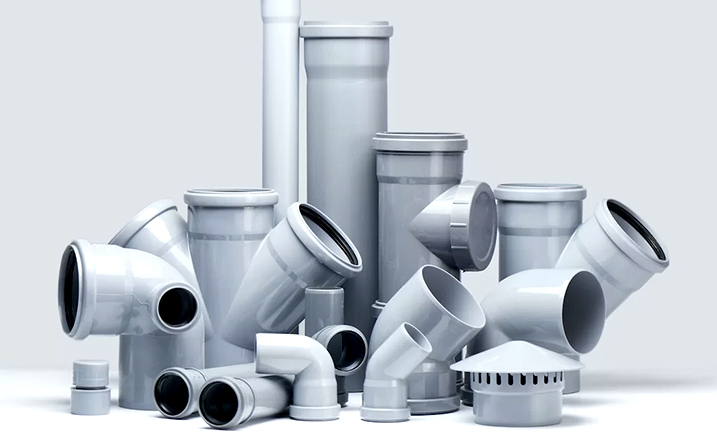
- 2 The Core Fitting Families and What Each One Does
- 3 Connection Methods Decide More Than the Fitting Does
- 4 Pressure, Temperature and Tolerance: The Numbers for the Purchase Order
- 5 Standards and Documents Worth Requesting
- 6 Sourcing Risks: Price per Piece Is the Wrong Number to Compare
- 7 Frequently Asked Questions
What Counts as a PVC Pipe Fitting
A fitting is any moulded component that connects, turns, branches, reduces, terminates or controls flow in a PVC pipeline. Straight pipe is not a fitting; everything attached to it is.
Terminology causes real ordering errors, so settle it first. PVC-U, uPVC and UPVC all describe the same material: unplasticized polyvinyl chloride, the rigid grade that dominates cold-water supply, drainage, irrigation and cable ducting. PVC-M is a modified grade with improved impact resistance, and PVC-O is molecularly oriented for higher strength at a thinner wall. If a supplier presents "PVC fittings" and "UPVC fittings" as two separate product families, ask which resin grade sits behind each one and request the resin certificate, not only a catalogue photo.
Material selection is also a temperature decision, and the ceiling is lower than many buyers expect.
Rigid PVC-U is normally rated for continuous service up to about 60 °C, which is why it is the default for cold water, drainage and ducting, and why hot-water circuits need a different material. Within the PVC family, PVC-M and PVC-O share that temperature ceiling but differ in impact behaviour and in pressure performance at equal wall thickness.
The Core Fitting Families and What Each One Does
Catalogue names vary between suppliers; the functions do not. The table below lists the fittings that appear on almost every bill of materials, together with the detail that most often causes rework.
| Fitting | Function | Detail to confirm |
|---|---|---|
| Coupling (socket) | Joins two plain pipe ends in a straight line | Socket depth, bore tolerance, stop position |
| Reducing coupling | Joins two different pipe diameters | Which end takes which diameter |
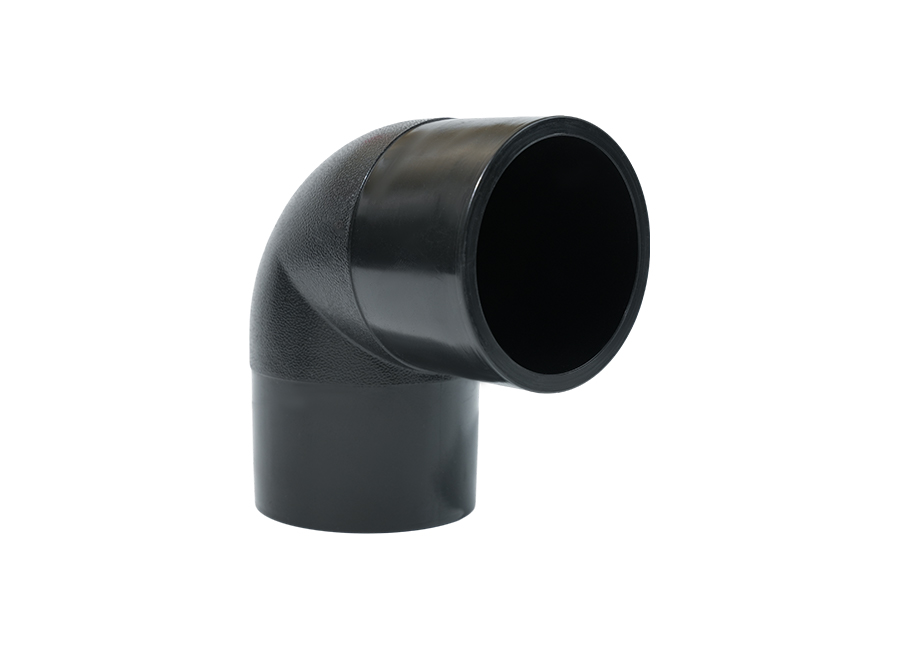
| 90-degree elbow | Turns the line through a right angle | Bend radius; short-radius bends raise pressure loss |
| 45-degree elbow | Gentler direction change with lower pressure loss | Angle tolerance and socket depth |
| Equal tee | Splits flow into two equal branches | Branch bore and internal throat finish |
| Reducing tee | Splits flow into a smaller branch | Whether the run, the branch, or both are reduced |
| Cross | Provides two perpendicular branches | Availability in the required pressure class |
| Union | Allows a joint to be opened without cutting pipe | Thread form, seat material, pressure rating |
| End cap | Terminates a line permanently | Wall thickness; solvent-weld or threaded version |
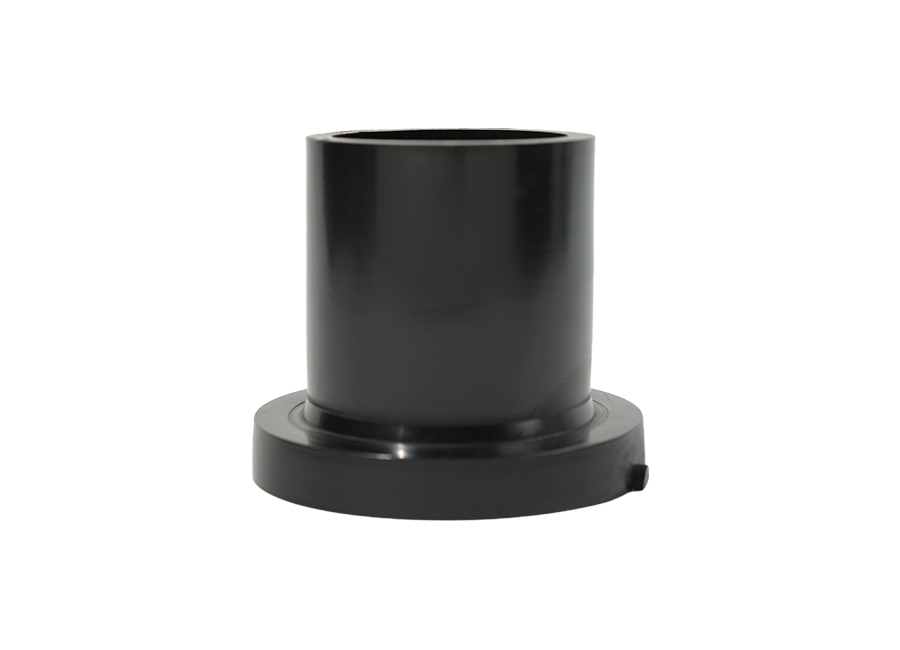
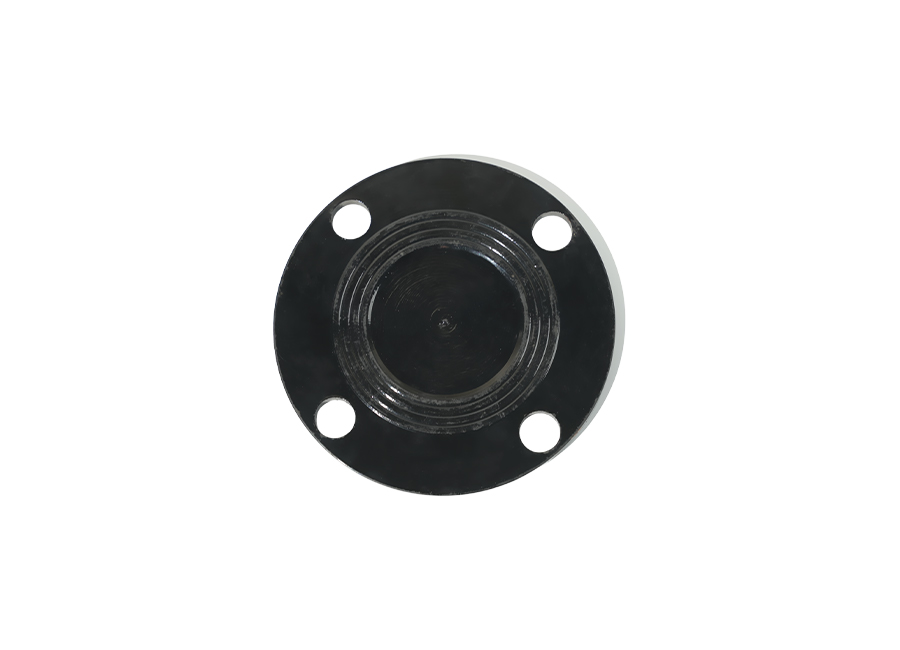
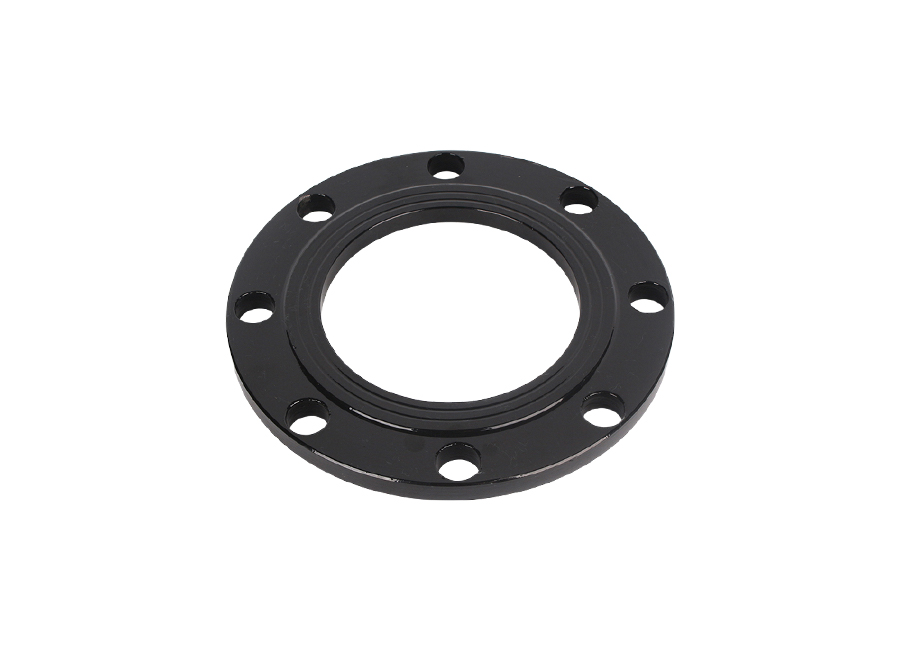
| Flange | Bolted connection to pumps, valves and tanks | Bolt circle, drilling standard, gasket type |
| Bushing or adapter | Changes diameter or joins PVC to metal | Thread form — BSP and NPT do not interchange |
| Saddle clamp | Adds a branch without cutting the main line | Saddle radius must match pipe outside diameter |
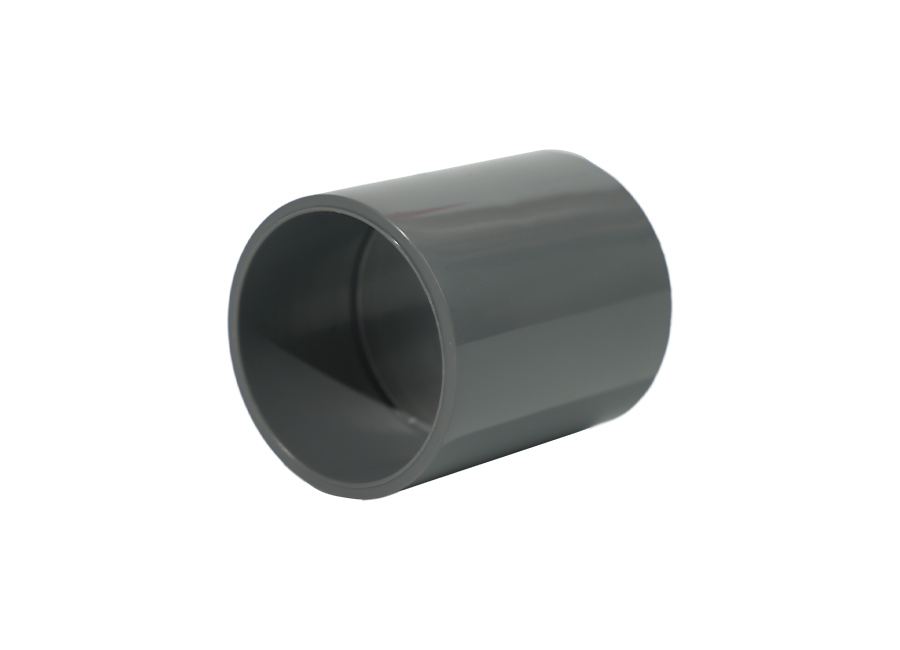 PVC-U Coupling for PVC Pipe ConnectionsA PVC-U coupling for joining pipes and fittings, with solvent-cement and flange connection options, useful when reviewing common bill-of-materials fittings.View Product →
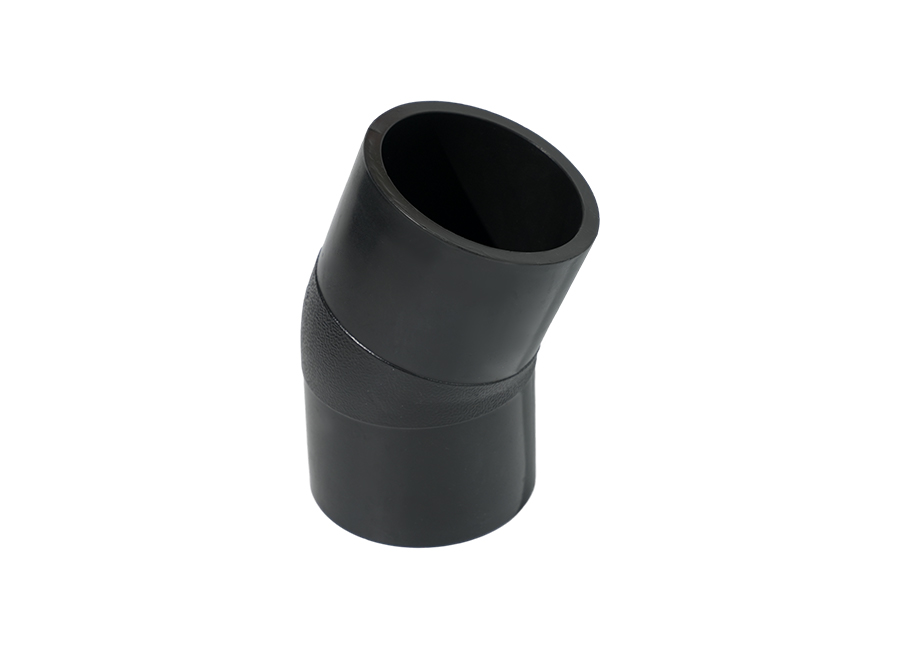
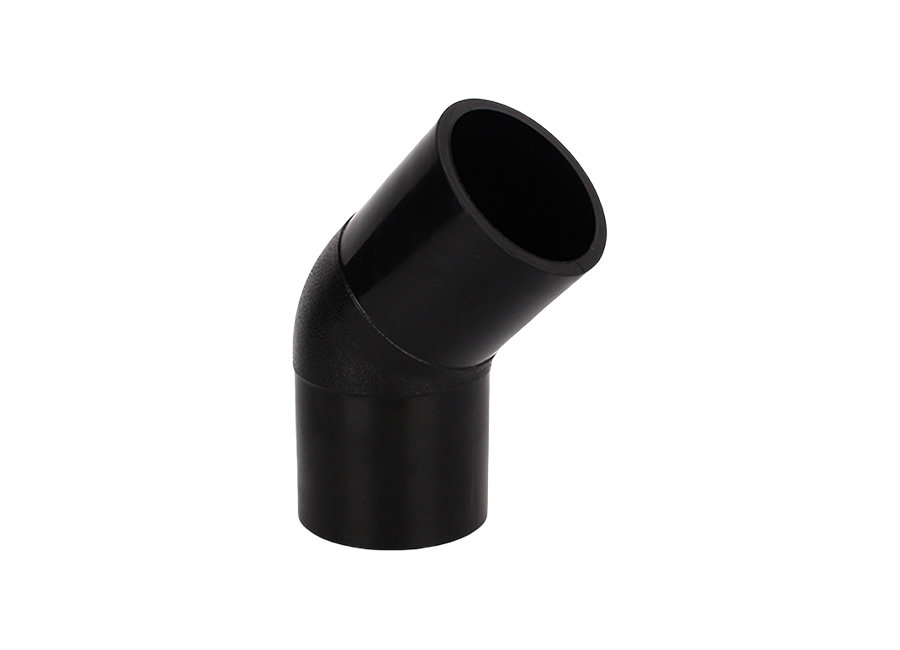
Elbows deserve separate attention because they are where pressure loss accumulates. Replacing two 90-degree bends with a pair of 45-degree bends plus a short offset reduces turbulence and, on pumped lines, cuts energy use over the life of the system. The elbow itself must also be checked for socket depth: a shallow socket on a 90-degree fitting is the most common source of a weeping joint on irrigation mains.
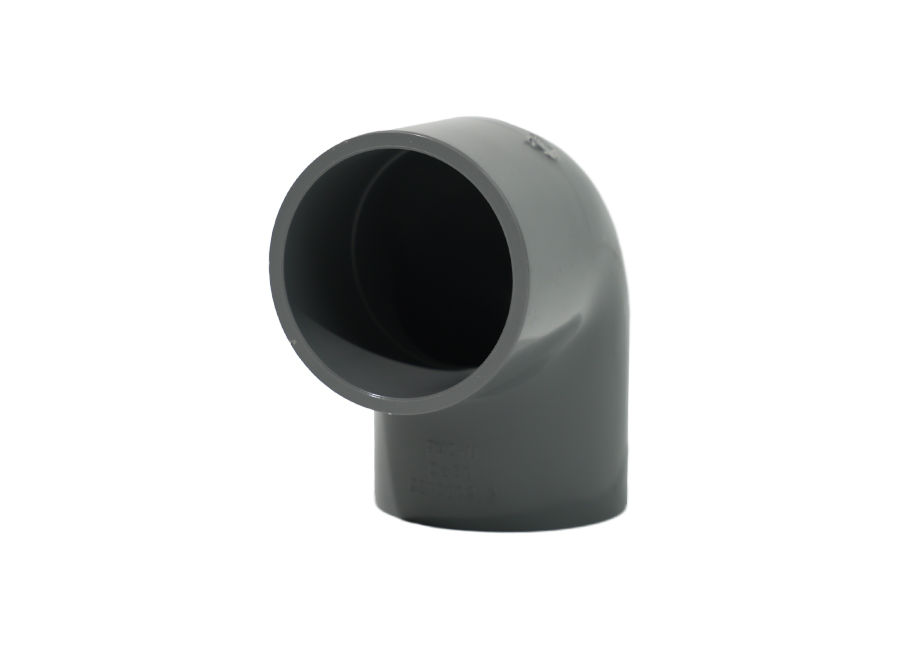 PVC-U 90 Degree Elbow for Direction ChangesA PVC-U 90-degree elbow for changing piping direction, offered in 1.0 MPa and 1.6 MPa ratings, relevant where bends affect pressure loss.View Product →
Connection Methods Decide More Than the Fitting Does
Two fittings with the same name behave differently depending on how they are joined. Each method carries its own installation conditions and its own sensible size range.
- Solvent-welded socket joints — the default for PVC-U water and drainage lines. The bond is chemical, so surface preparation, primer coverage and cure time all matter. Cement manufacturers generally set an application window of roughly 4 °C to 43 °C, and cold weather slows curing considerably.
- Threaded joints — practical in small sizes where a line meets a pump, filter or metal fitting. Threads should be tapered and sealed properly; forcing a parallel thread into a tapered socket cracks the fitting.
- Flanged joints — used at equipment, valves and access points. Bolt torque, gasket alignment and pipe support at the flange matter more than the fitting itself.
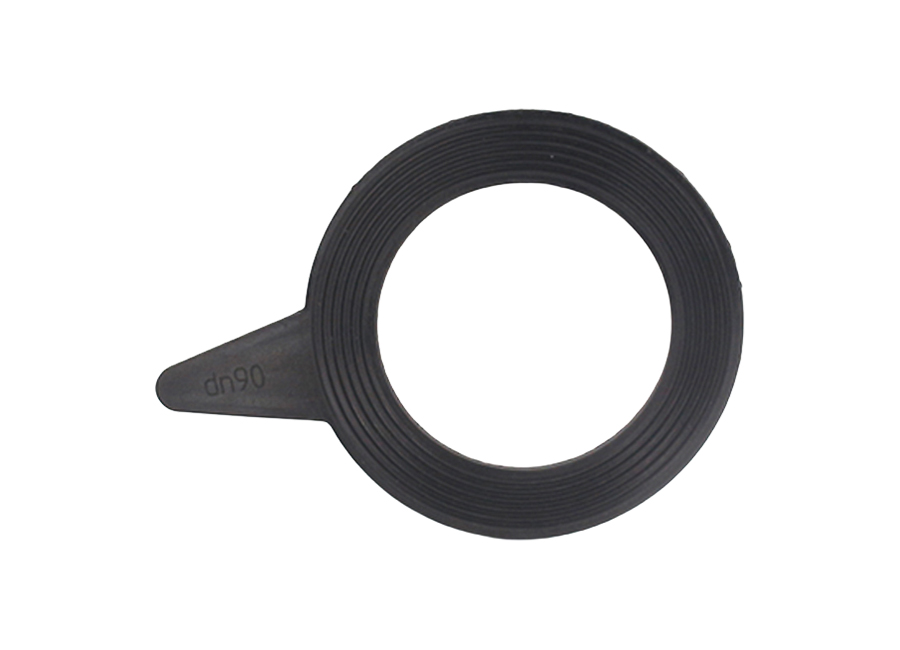
- Gasketed push-fit joints — common in drainage and larger diameters where slight movement is expected. The elastomer compound must suit the medium being carried.
- Unions and compression fittings — allow a component to be removed without cutting pipe, which is usually worth the extra cost at pumps, filters and dosing points.
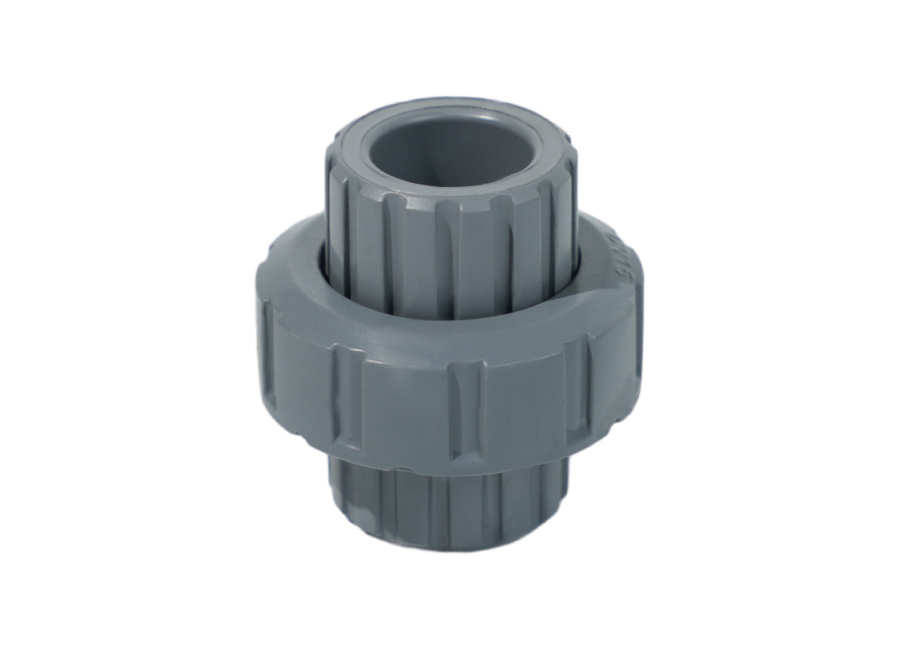 PVC-U Union for Plumbing and Irrigation ConnectionsA PVC-U union with socket-and-spigot structure for quick pipe connections, useful when planning joints that may need inspection or repair.View Product →
Insertion depth is the most repeated instruction in correct selection and installation of PVC pipes, and for good reason. A joint that is not fully inserted has a fraction of the intended bond area, while a joint forced home with no allowance for thermal movement can bow the pipe or split the socket.
Pressure, Temperature and Tolerance: The Numbers for the Purchase Order
A nominal pressure rating describes one temperature, normally 20 °C. Change the temperature and the number changes with it.
As a practical reference, a PVC-U line rated PN 10 at 20 °C retains roughly 87 % of that rating at 30 °C, about 70 % at 40 °C and close to half at 50 °C. Published derating curves differ slightly between standards and manufacturers, so the figure that matters is the one on the data sheet for the exact compound used.
Two consequences follow for fittings. First, the fitting class should match or exceed the pipe class. Second, three measurements decide whether a fitting will work with your pipe:
- Socket inside diameter at the mouth, which sets the interference fit.
- Socket depth and stop position, which set the bonded area.
- Wall thickness measured at the socket, not at the spigot, because the socket carries the joint load.
Ask for the inspection record for the production batch rather than a generic drawing. On a pressure line, a socket that is 2 mm shallow is not a cosmetic issue.
Standards and Documents Worth Requesting
Standards tell you what was tested; documents tell you what was actually shipped. Both matter on an imported order.
Common standards for PVC fittings
- ISO 1452-3 — unplasticized PVC fittings for water supply and buried drainage.
- EN 1401 and EN 13476 — PVC-U systems for non-pressure underground drainage.
- ASTM D2466 and D2467 — socket-type PVC fittings in Schedule 40 and Schedule 80 dimensions.
- ASTM D2665 — PVC drainage, waste and vent fittings.
- GB/T 10002.2 and GB/T 5836.2 — Chinese national standards for water supply and drainage fittings.
Documents to attach to the order
- Resin grade certificate, including the K-value or equivalent specification.
- Dimensional inspection report covering socket diameter, depth and wall thickness.
- Hydrostatic or burst test record for the batch.
- Third-party test report where the project specification requires independent verification.
- Packing list with carton dimensions and gross weight, so container loading can be checked before shipment.
Sourcing Risks: Price per Piece Is the Wrong Number to Compare
Two quotations for the same DN 110 elbow can differ by 40 % and both still be "correct", because the resin grade, wall thickness and socket depth are not the same. The gaps usually appear in five places.
- Regrind content. Recycled material lowers cost and impact strength at the same time. Ask what maximum regrind percentage the supplier permits in pressure-rated fittings.
- Short sockets. A few millimetres less socket depth saves resin on every piece and reduces the bonded area of every joint.
- Substituted seals. EPDM, NBR and silicone behave differently in water, oils and UV exposure.
- Thread form drift. BSP and NPT threads look similar and do not interchange; a mixed pallet stops a site.
- Packing and transit damage. Thin-wall fittings crack when cartons are stacked loosely or containers are loaded without internal bracing.
The cheapest verification is also the most revealing: order three pieces from the production batch, cut one lengthwise, and measure socket depth, bore and wall thickness against the drawing. That single cut tells you more than any brochure.
Frequently Asked Questions
Q1. What are the most common types of PVC pipe fittings?
Couplings, elbows, tees, reducers, unions, end caps, flanges and saddle clamps cover most water supply, irrigation and drainage systems, in solvent-weld, threaded or gasketed versions.
Q2. What is the difference between PVC and UPVC pipe fittings?
In most markets there is no difference: uPVC, PVC-U and UPVC all mean unplasticized PVC. Confirm the resin grade, because PVC-M and PVC-O are genuinely different materials.
Q3. How do I choose the correct PVC fitting size?
Match the fitting to the pipe outside diameter and pressure class, then confirm socket depth and thread form. Nominal size alone is not enough for pressure lines.
Q4. Can PVC pipe fittings be used for hot water?
Not above roughly 60 °C continuous service. Use CPVC or a suitable thermoplastic for hot-water circuits and check the derating curve for the actual temperature.
Q5. What pressure rating do PVC pipe fittings have?
Fittings are rated PN 6 to PN 16 typically, and the rating applies at 20 °C. The fitting class should match or exceed the pipe class at the working temperature.
Q6. How do I buy PVC pipe fittings in bulk from a manufacturer?
Send the size list, pressure class, connection type and standard, request a batch sample for cut-testing, and confirm packing details before the deposit.
PVC pipe fittings are simple products with an unusually large number of ways to go wrong, and almost all of them are decided before anything reaches site: the resin grade, the socket geometry, the connection method and the pressure and temperature envelope.
Fix those four in writing, attach the inspection documents to the order, and the fittings stop being the part of the project that surprises you. Jiangyin Huada Polyester Plastic Co., Ltd. manufactures pipe from 20 mm to 1600 mm alongside its PE, UPVC and PVDF fitting ranges, and can supply batch inspection reports and cut samples for verification.