English
 中文简体
中文简体 русский
 عربى
عربى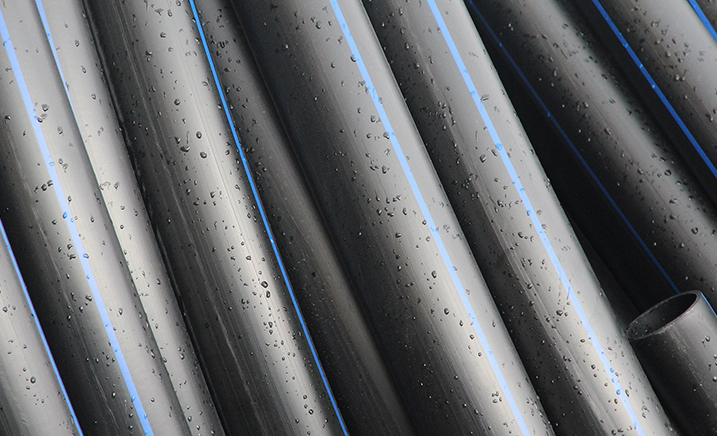
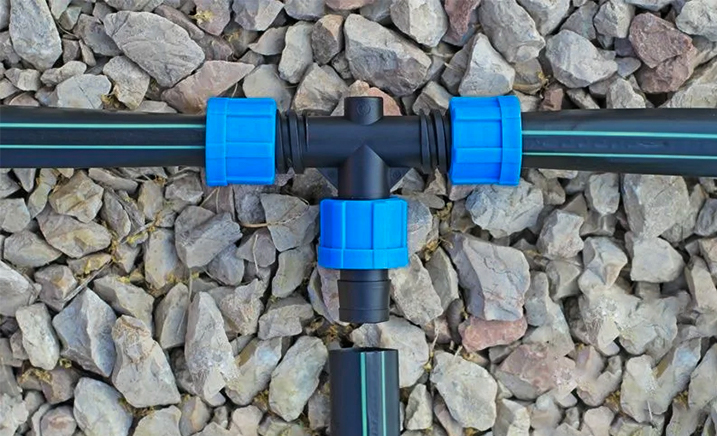
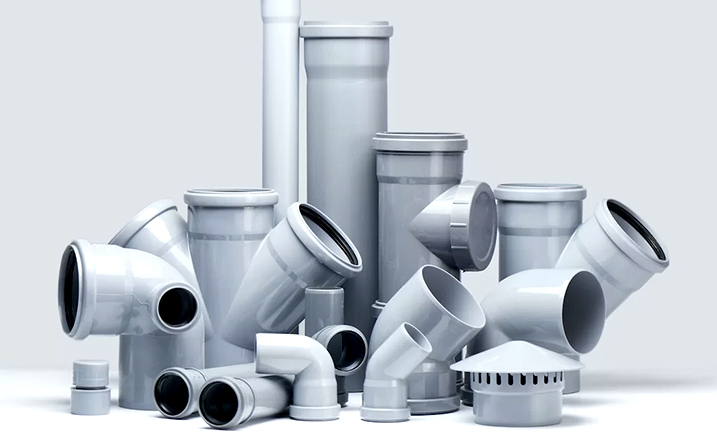
A purchase order that says only "PE pipe, 200 mm" tells a supplier almost nothing, and it is one of the most common reasons a project receives the wrong coil. Two pipes can carry that identical description and behave completely differently in the trench: one is a PE 100, SDR 11 pressure pipe rated PN 16 for a pumped water main; the other is a thin-wall drainage coil that will deform well below 6 bar. The material name alone defines neither.
The short answer is this: PE pipe is a flexible pipe extruded from polyethylene (PE), a thermoplastic polymer, and its usable performance is defined by three numbers that always travel together, namely the compound's minimum required strength (MRS), the standard dimension ratio (SDR) of the wall, and the resulting nominal pressure (PN). Joining method, coil length, colour, certification and service life all follow from those three, which is why they are the first things an experienced buyer checks on a quotation.
Content
- 1 What "PE Pipe" Means in Standards and on Site
- 2 The Three Numbers Behind Every PE Pipe Definition
- 3 What PE Pipe Is Actually Made Of
- 4 Joining: The Part of the Definition Contractors Check First
- 5 Where PE Pipe Is Used
- 6 PE Pipe Compared with PVC-U and Steel
- 7 What a Complete PE Pipe Definition Should Include
- 8 Frequently Asked Questions About PE Pipe
What "PE Pipe" Means in Standards and on Site
PE pipe is produced by melting a polyethylene compound and extruding it through a die, then sizing and cooling it so the outside diameter is held within a tight tolerance. Because the material is a thermoplastic, the pipe is not solvent-cemented the way PVC-U is; it is joined by melting the material itself, either by butt fusion or with electrofusion fittings, which is why a correctly made joint is normally treated as equal in strength to the pipe body.
The definition is also written into product standards. Water pipe is defined by ISO 4427 and EN 12201, gas pipe by ISO 4437, and in North America by ASTM F714 for polyethylene pipe and ASTM F2610 for larger diameters. These documents fix the dimension tolerances, the hydrostatic design basis, the colour and marking requirements, and the test regime a pipe must pass before it can legally be sold as PE pipe. A pipe without printed marking showing material grade, SDR, size and standard reference is, in practical procurement terms, undefined.
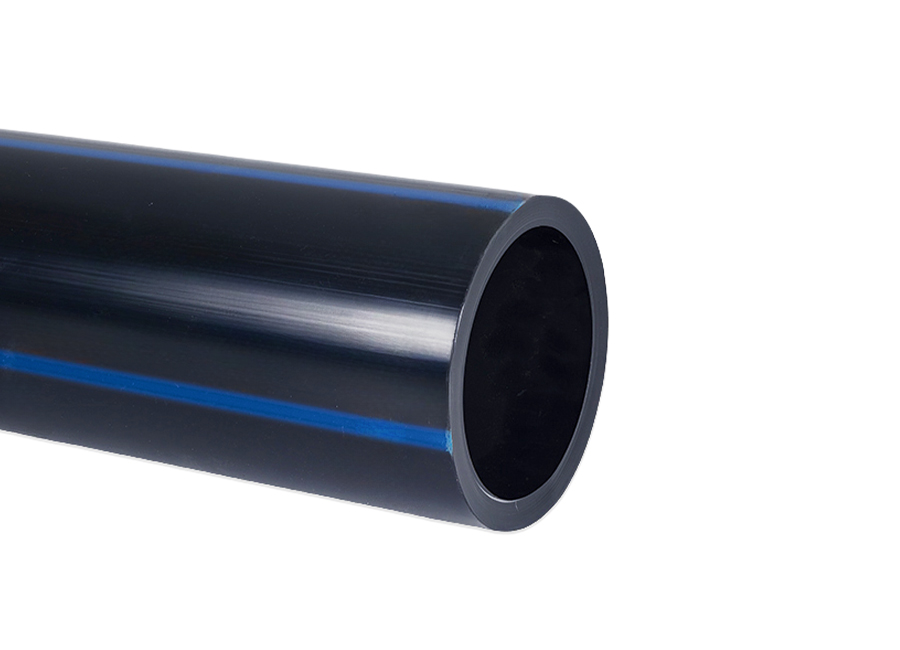
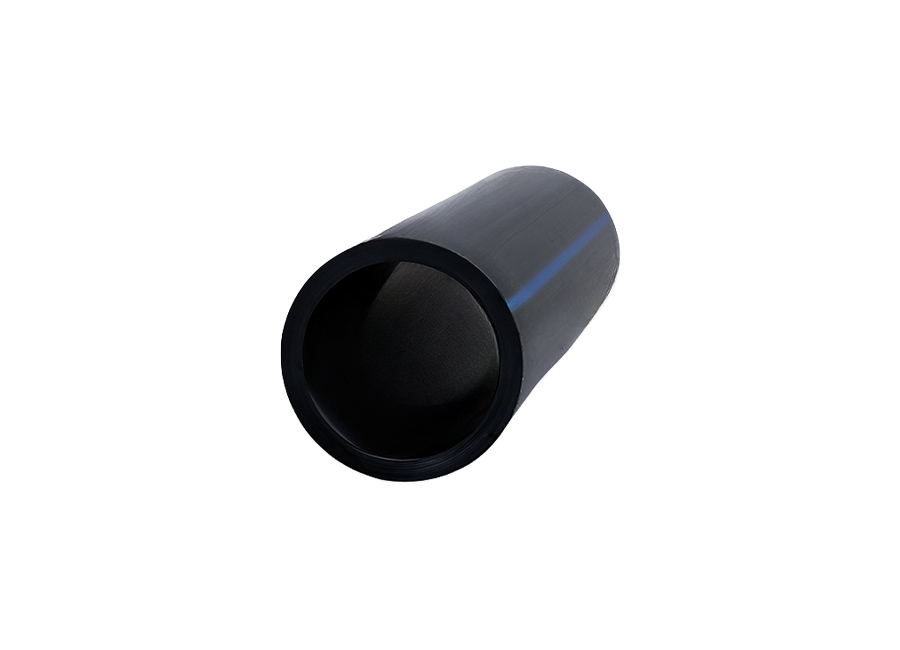 HDPE pipeThe HDPE pipes from Jiangyin Huada are made from high-quality PE100 virgin material. Through precise processing, our HDPE pipes are available in various pressure grade...View Product →
Commercially, the definition is simpler still: PE pipe is a coiled or straight length of polyethylene pipe whose compound grade, SDR and certification match the medium, pressure and installation method of your project. If any one of those three is missing from the specification, you are not buying a defined product, you are buying a diameter.
The Three Numbers Behind Every PE Pipe Definition
Material designation, SDR and PN are what buyers actually compare when quotes come back from three suppliers.
| Material designation | MRS (MPa) | Design stress, water (MPa) | Typical role |
|---|---|---|---|
| PE 63 | 6.3 | 5.0 | Legacy networks, low-pressure and non-critical lines |
| PE 80 | 8.0 | 6.3 | Medium-pressure water distribution, irrigation mains |
| PE 100 | 10.0 | 8.0 | Pressure water mains, gas distribution, industrial lines |
MRS is the minimum required strength the compound must still reach after long-term hydrostatic testing, classified in ISO 12162. PE 100 has become the default for pressure work; PE 80 still appears in older networks and in lower-pressure duties where the cost difference matters.
SDR describes geometry rather than material: it is the outside diameter divided by the wall thickness. A smaller SDR means a thicker wall and a higher rating. The two are linked by an equation used across ISO 4427 and EN 12201:
PN = 2 x design stress / (SDR - 1), where design stress = MRS / C, and C is the service coefficient (1.25 for water, commonly 2.0 for gas).
This is the practical consequence: at the same outer diameter, changing from SDR 17 to SDR 11 gives you a 60 percent higher pressure rating and a noticeably heavier, more expensive pipe. For a fuller material-side explanation, this analysis of polyethylene pipe characteristics and advantages covers how the compound itself behaves under load.
What PE Pipe Is Actually Made Of
PE pipe compounds are not pure polymer. A typical pressure pipe compound contains the polyethylene base resin, roughly 2 to 2.5 percent carbon black for ultraviolet protection, plus antioxidants and stabilisers that protect the material during extrusion and through decades of service. Colour is standardised as well: black with blue stripes for potable water, yellow or orange for gas, and other colours for specific utility networks.
Density defines the family. HDPE, the grade used for pressure pipe, sits at 0.941 g/cm3 and above; MDPE covers roughly 0.926 to 0.940 g/cm3; LDPE is lighter and rarely used for pipelines. Because polyethylene is non-polar and contains no plasticiser, PE pipe does not corrode, does not take part in galvanic reactions, and resists a wide range of chemicals, which is why it is often chosen for aggressive soils and saline ground.
The design basis quoted by most PE pipe standards is a 50-year service life at 20 degrees Celsius. Temperature is the largest variable in that assumption: allowable pressure falls as the conveyed medium gets hotter, while low temperatures make the material stiffer, which changes handling and welding practice rather than the pressure rating itself.
Joining: The Part of the Definition Contractors Check First
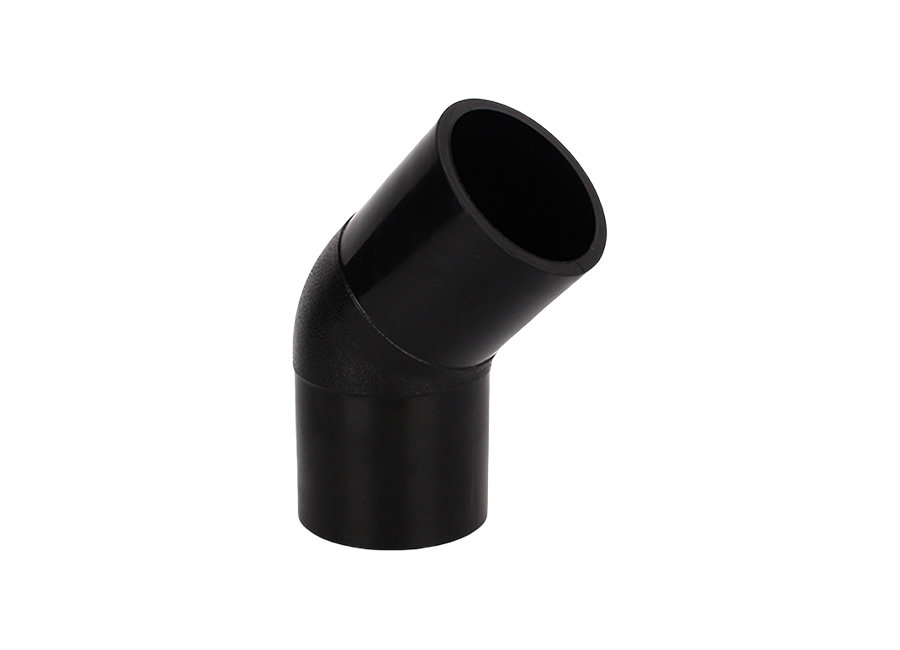
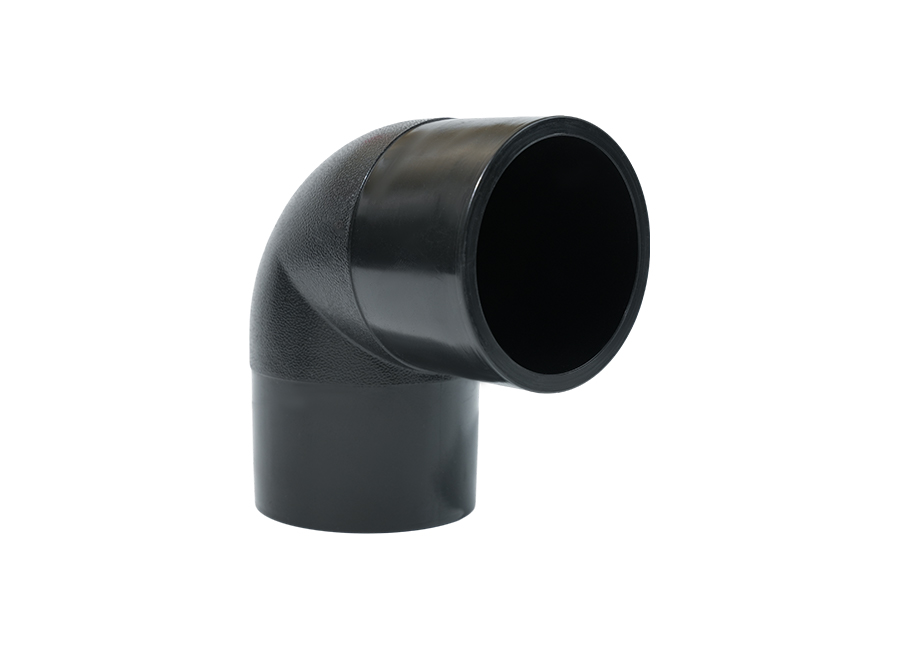
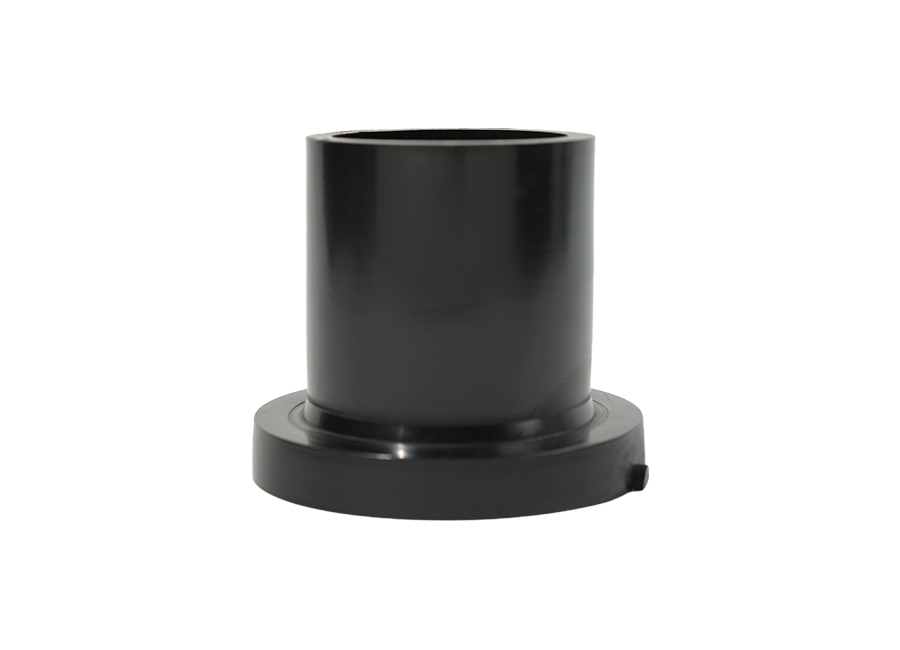
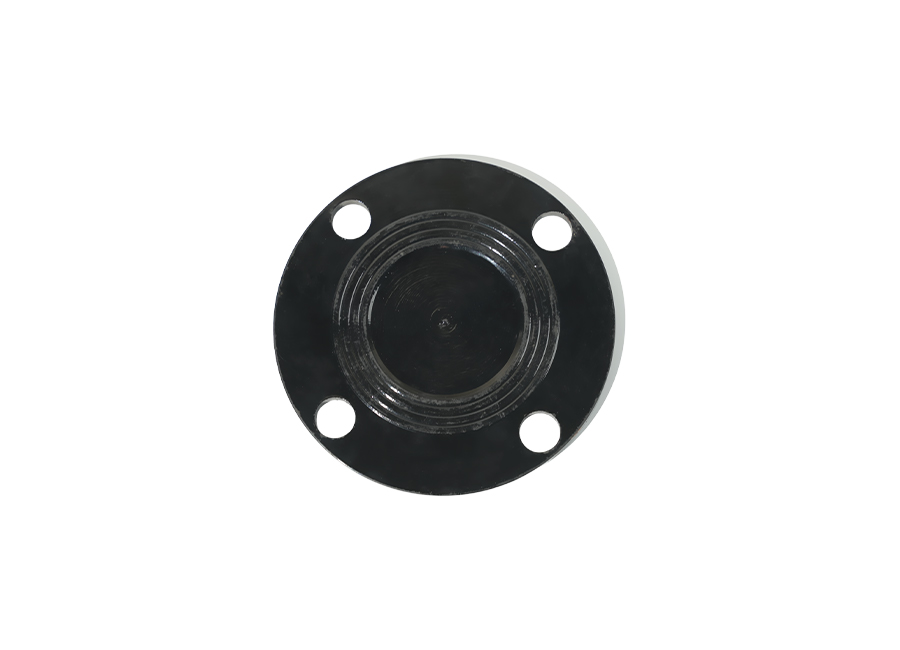
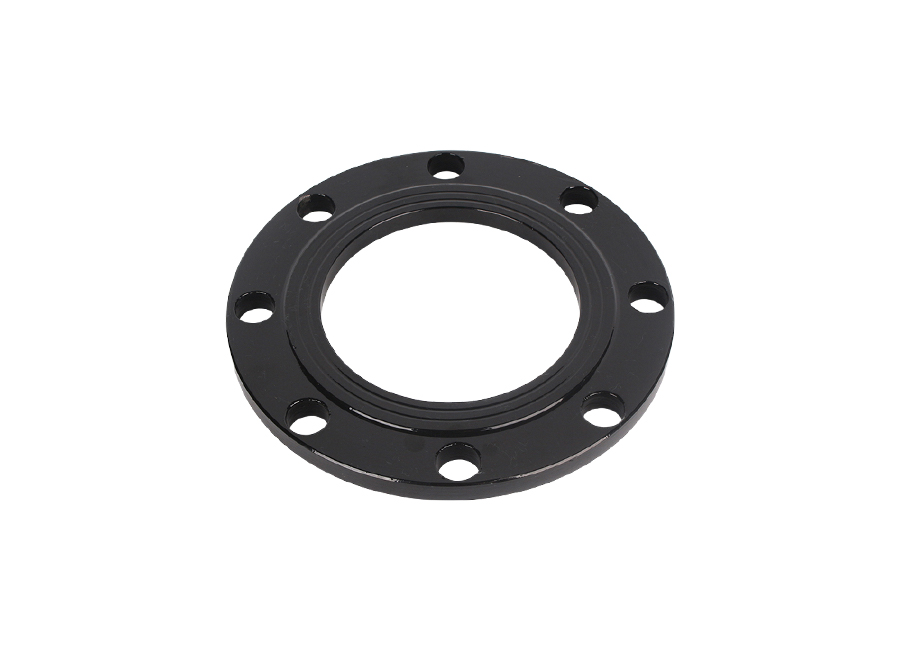
PE pipe is joined by heat, and the method chosen depends mostly on diameter. Butt fusion covers pipe-to-pipe connections from roughly 63 mm upward and produces a homogeneous joint with no additional material. Electrofusion is used for fittings, tie-ins and repairs in tight trenches, where a fitting with an embedded heating coil is energised to weld itself to the pipe. Compression fittings and flanged assemblies handle transitions to valves, pumps and metal pipework.
What matters commercially is that joint quality is measurable rather than a matter of opinion. Heating time, interface pressure, cooling time and ambient temperature all have specified ranges, and a weld log from a qualified operator is normally required on water and gas projects. The fitting range therefore forms part of the PE pipe definition on any serious project, not an accessory to be sourced later.
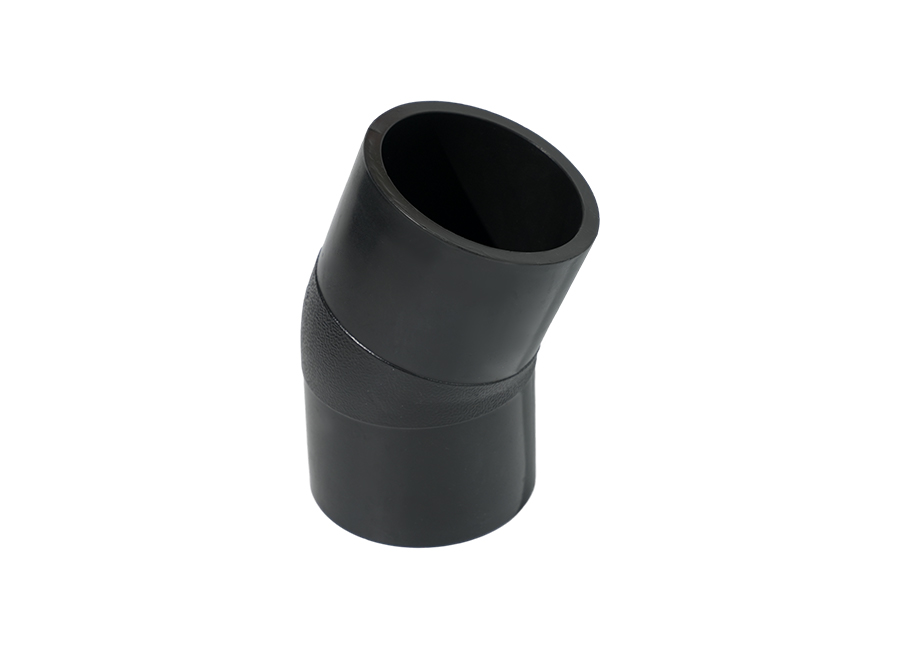
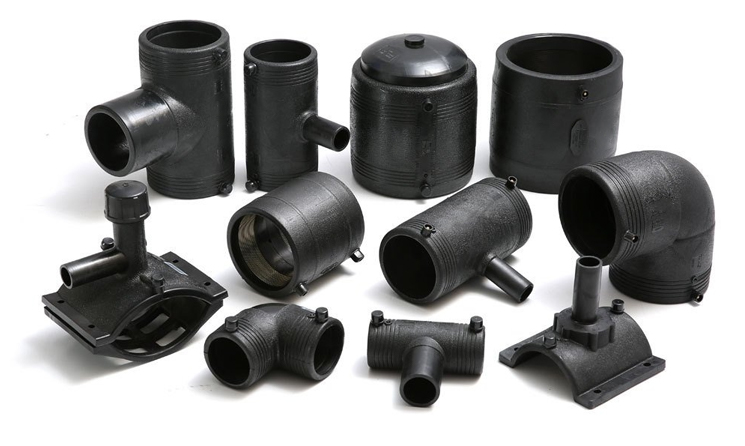 PE Electrofusion Fittings ManufacturerPE Fittings PE Butt & Socket Fusion FittingsView Product →
For transparency on site, ask for the fitting's material designation and SDR before ordering. A PE 100 fitting welded onto a PE 80 pipe is a common and avoidable source of weakness.
Where PE Pipe Is Used
The combination of flexibility, fusion joints and corrosion resistance has pushed polyethylene pipe into a predictable set of duties:
- Potable water mains and distribution networks, typically PE 100 in SDR 11 to SDR 17.
- Natural gas distribution, where the service coefficient is higher and wall thickness greater.
- Sewerage, drainage and rising mains, including slip-lining of failing legacy pipes.
- Agricultural irrigation, a market that values long coil lengths and fast installation.
- Telecommunication ducting, where PE protects cables in trenched and directional-drilled routes.
- Mining slurry lines, industrial process water and cooling circuits.
Above the standard pressure envelope, reinforced constructions are used. Steel-reinforced thermoplastic pipe, for example, is designed for higher pressures and larger diameters while keeping a polyethylene inner and outer layer, which extends the same material logic into transmission lines.
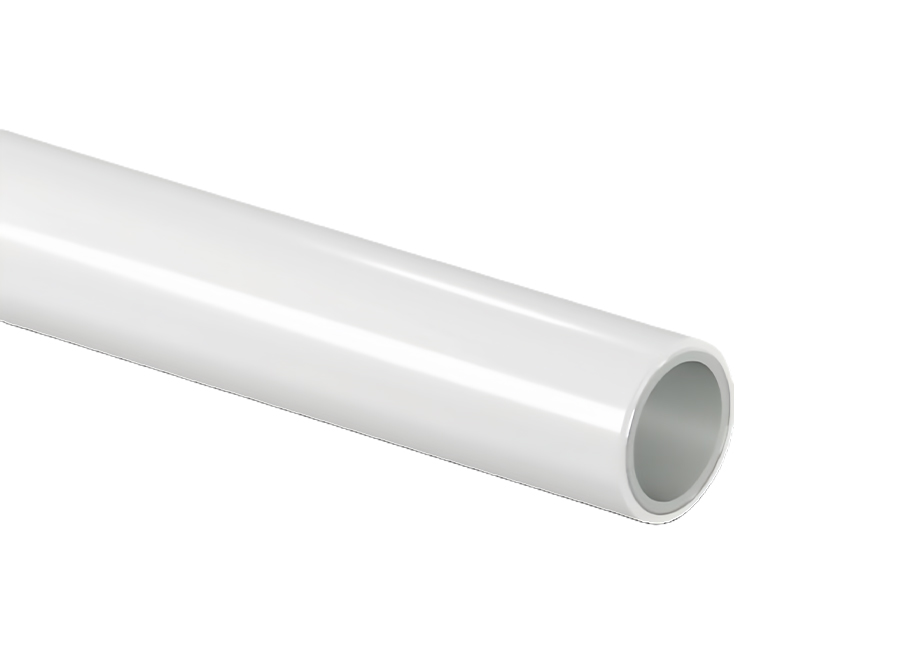
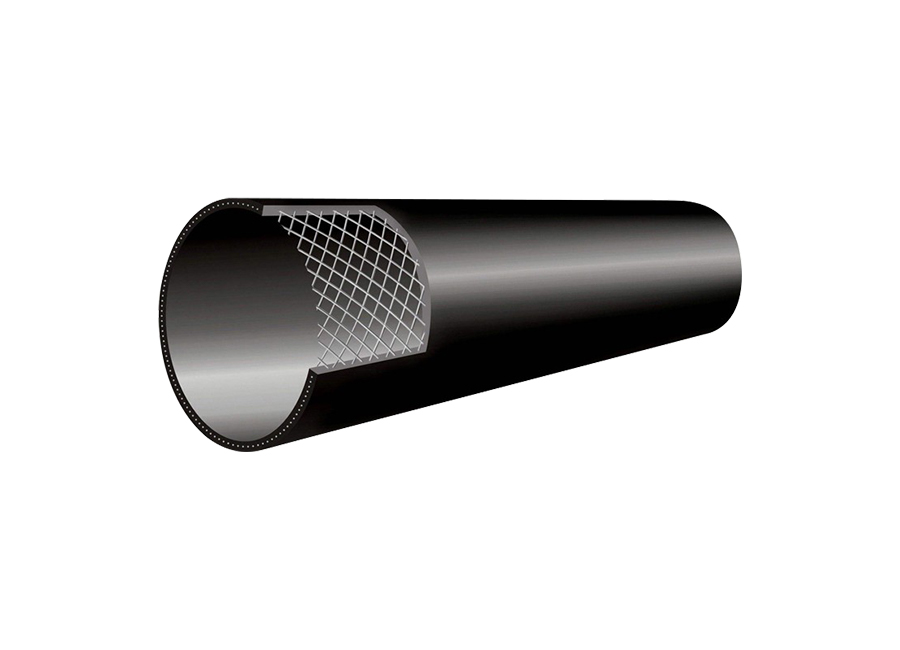 SRTP pipeSteel wire reinforced thermoplastics composite pipe/SRTP pipe is a pipe product made from high-quality PE100 and strong steel wire. It combines the performance of HDPE...View Product →
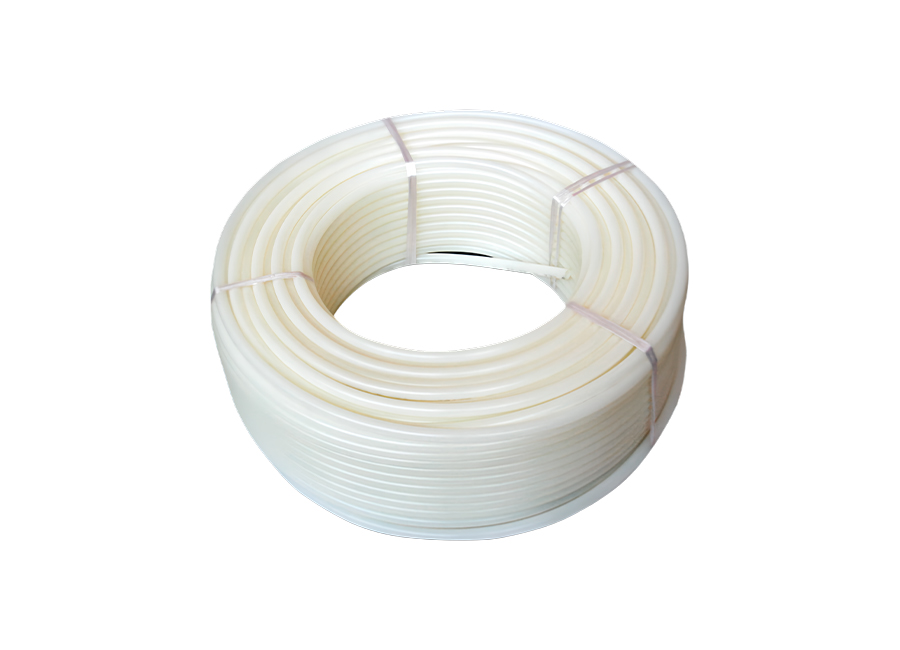
Small diameters are supplied in coils that can be several hundred metres long, which reduces the number of joints per kilometre; from roughly 110 to 160 mm and upward, pipes are normally delivered in 6 m or 12 m straight lengths.
PE Pipe Compared with PVC-U and Steel
The comparison below is a qualitative profile of the three material families rather than a bench test, and it reflects the properties that matter most during installation and service.
In practice the choice usually turns on installation rather than pressure. PE pipe can be coiled, laid in long runs with few joints and installed by horizontal directional drilling or sliplining, which suits unstable ground and urban projects where open trenching is expensive. PVC-U is rigid, cheaper for gravity drainage, but brittle under impact and requires more joints. Steel handles higher temperatures and pressures, but demands coating, cathodic protection and a heavier lifting plan.
Frequently Asked Questions About PE Pipe
Q1. What does PE pipe stand for?
PE stands for polyethylene, a thermoplastic polymer made by polymerising ethylene. PE pipe therefore means pipe extruded from a polyethylene compound; the grades used for pipelines are normally HDPE and MDPE.
Q2. Is HDPE pipe the same as PE pipe?
HDPE is a subset of PE. Polyethylene is grouped by density, and pipe compounds at 0.941 g/cm3 or above are called HDPE. Most PE 100 and PE 80 pressure pipes are HDPE, but not every PE pipe is HDPE.
Q3. What is PE pipe used for?
Potable water mains, gas distribution, sewer and drainage, irrigation, telecom ducting, mining slurry lines and industrial process water. Pressure duties generally use PE 100 in SDR 11 to SDR 17.
Q4. What is the difference between PE pipe and PVC pipe?
PE pipe is flexible and joined by heat fusion, so it can be coiled, laid in long runs and installed by directional drilling. PVC-U is rigid, joined with solvent cement or rubber rings, and is often cheaper for gravity drainage.
Q5. How long does PE pipe last?
ISO 4427 and EN 12201 design on a 50-year basis at 20 degrees Celsius. Actual service life depends on pressure, temperature, chemical exposure and installation damage; higher temperature or aggressive media shorten it.
Q6. What do SDR and PN mean on PE pipe?
SDR is outside diameter divided by wall thickness, so a smaller SDR means a thicker wall. PN is the nominal pressure. For PE 100 water pipe at C = 1.25, SDR 26 is PN 6, SDR 17 is PN 10, SDR 11 is PN 16 and SDR 9 is PN 20.