English
 中文简体
中文简体 русский
 عربى
عربى
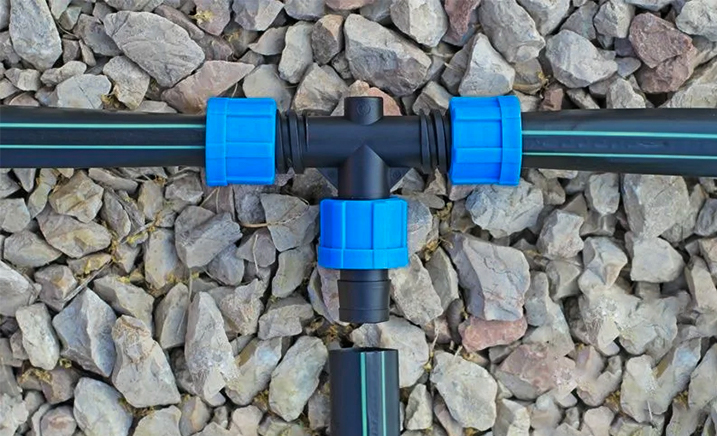
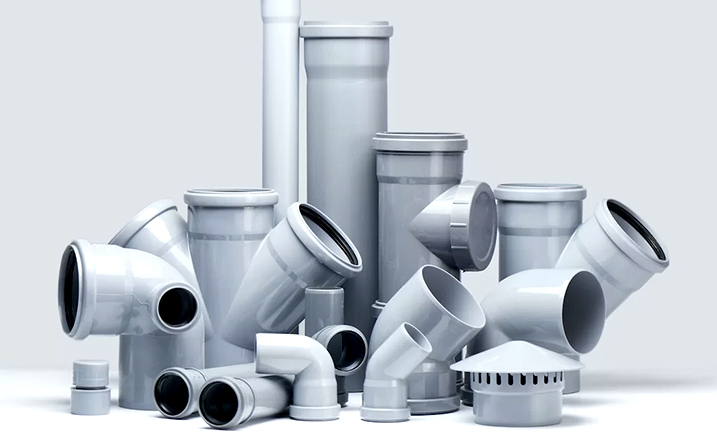
The core difference between PE pipe and PVC pipe comes down to material chemistry and mechanical behavior: PE (polyethylene) is a flexible thermoplastic known for impact resistance, freeze tolerance, and long coiled lengths, while PVC (polyvinyl chloride) is a rigid thermoplastic known for high tensile strength, chemical resistance, and dimensional stability under pressure. Neither material is universally "better" — the right choice depends on installation method, operating pressure, soil conditions, and the fluid being transported. Below, we break down the technical, performance, and application differences in detail, supported by data visualizations and comparison tables to help you make an informed decision for your piping project.
Content
- 1 PE Pipe Definition: What Polyethylene Pipe Actually Is
- 2 What Is PE Piping Used For? Common Applications
- 3 PE vs PVC: Material Composition and Molecular Differences
- 4 PVC vs Polyethylene Pipe: Mechanical Property Comparison
- 5 Polyethylene vs Polyvinyl Chloride: Pressure Rating Over Time
- 6 PE Pipe vs PVC Pipe: Installation and Joining Methods
- 7 PVC vs PE: Environmental and Temperature Performance
- 8 Vinyl vs Polyethylene Tubing: Flexibility in Smaller Diameter Applications
- 9 PE Versus PVC Film: A Quick Note on Flexible Sheeting
- 10 PE vs PVC Pipe: Choosing the Right Material for Your Project
- 11 About Jiangyin Huada Polyester Plastic Co., Ltd.
- 12 Frequently Asked Questions
PE Pipe Definition: What Polyethylene Pipe Actually Is
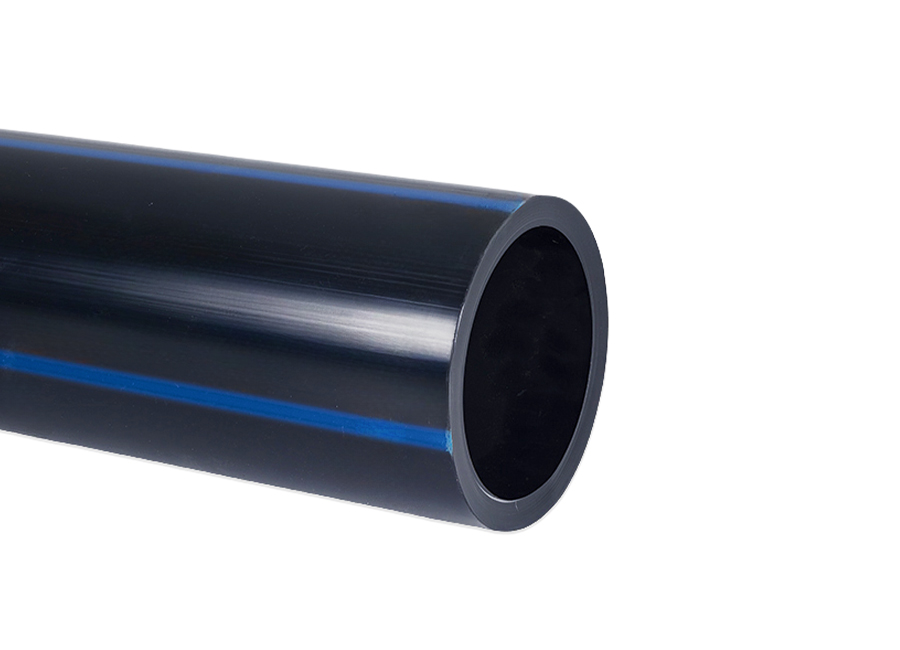
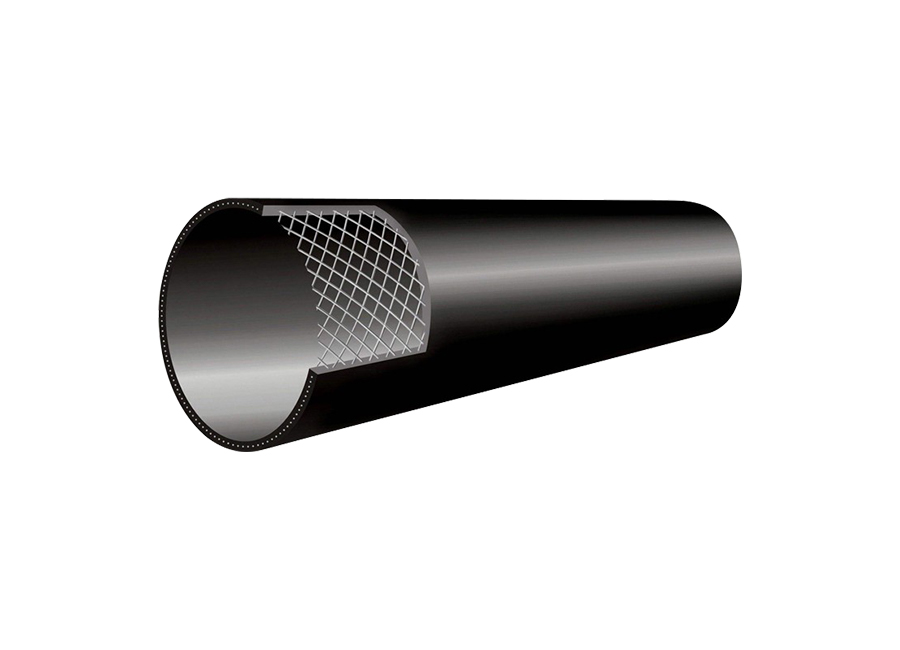
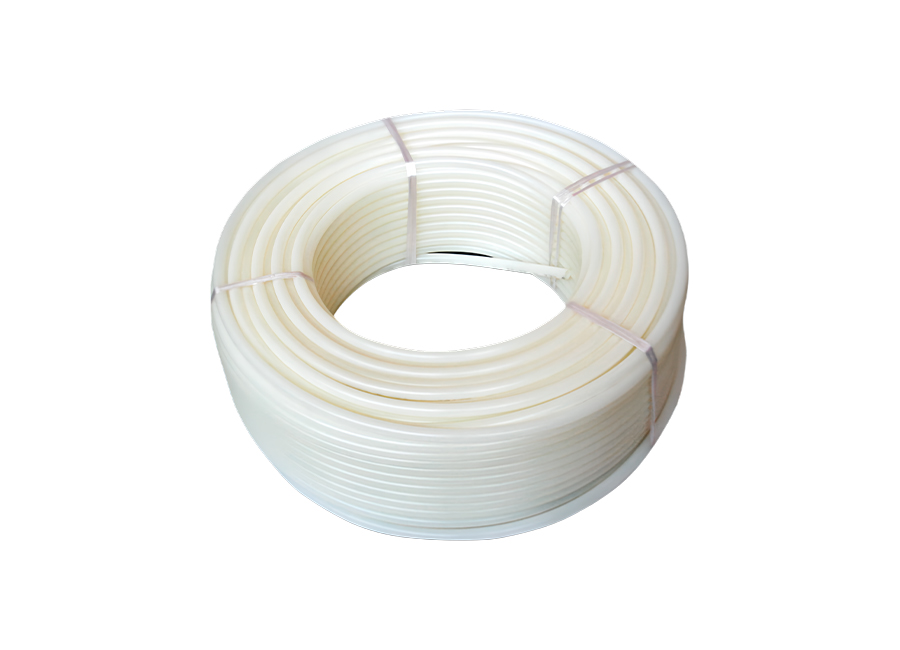
By definition, a PE pipe is a tube extruded from polyethylene resin, a semi-crystalline thermoplastic polymer made from ethylene monomers. PE piping is typically classified by density and generation, most commonly PE80 and PE100, with PE100 offering a minimum required strength (MRS) of 10 MPa, making it suitable for higher-pressure water and gas distribution networks. Because polyethylene is flexible, PE pipe is usually supplied in long coils for smaller diameters, which reduces the number of joints needed during trenchless or directional drilling installations.
PE pipe is widely used for buried water mains, gas distribution lines, agricultural irrigation, and mining slurry transport. Its molecular structure gives it excellent resistance to stress cracking and the ability to absorb ground movement without fracturing, which is one reason engineers in seismic or freeze-thaw regions often specify polyethylene piping over rigid alternatives.
What Is PE Piping Used For? Common Applications
Understanding what is PE piping used for helps clarify why it's specified so often in underground infrastructure. PE pipe's flexibility allows it to be installed using horizontal directional drilling (HDD), pipe bursting, and sliplining methods that would be far more difficult with rigid PVC. This makes it a preferred choice for projects where minimizing surface excavation matters.
- Municipal water distribution and transmission mains
- Natural gas distribution piping (yellow PE gas pipe)
- Agricultural and landscape irrigation systems
- Mining and dredging slurry transport lines
- Geothermal loop and ground-source heat exchange piping
PE vs PVC: Material Composition and Molecular Differences
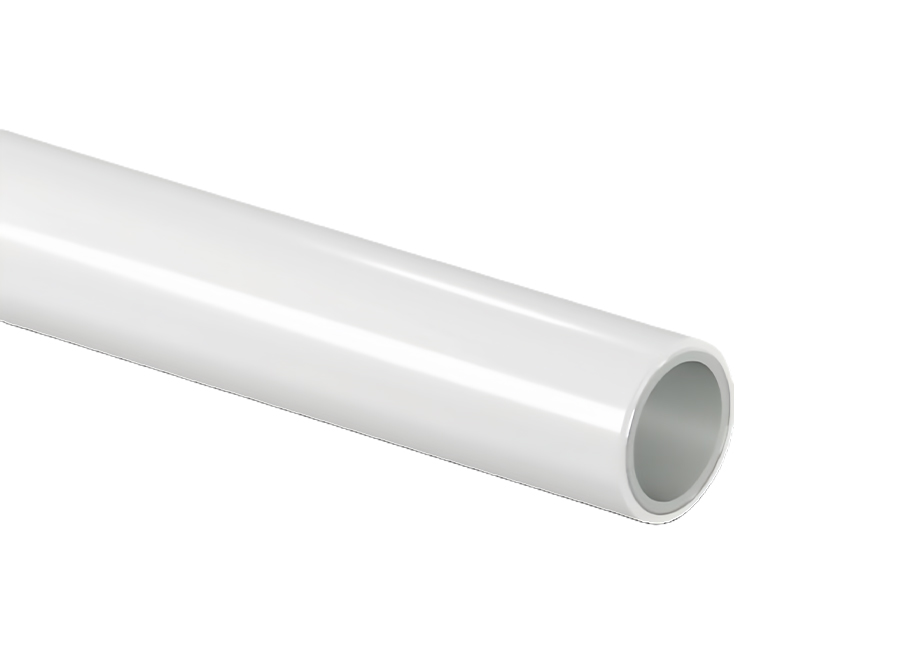
When comparing PE vs PVC, the starting point is chemistry. Polyethylene is composed purely of carbon and hydrogen atoms arranged in long, flexible chains, which is why it bends easily and resists brittle fracture. Polyvinyl chloride, by contrast, contains chlorine atoms in its molecular backbone, which contributes to its rigidity, flame resistance, and higher tensile strength compared to polyethylene.
This molecular distinction explains nearly every practical difference between the two materials: PVC's chlorine content gives it a naturally higher density and stiffness, while PE's simpler hydrocarbon chain gives it elasticity and superior cold-weather impact performance. Below is a radar chart comparing five key performance dimensions side by side.
As the radar chart illustrates, PE pipe scores higher on flexibility, impact resistance, and cold-weather performance, while PVC pipe pulls ahead on rigidity and tensile strength. Chemical resistance is roughly comparable for both materials in most non-solvent applications, though specific chemical compatibility should always be checked against the exact fluid being conveyed. This visual comparison helps explain why the two materials are often chosen for different segments of the same overall piping network rather than competing for identical use cases.
PVC vs Polyethylene Pipe: Mechanical Property Comparison
A direct PVC vs polyethylene pipe comparison on mechanical properties shows clear trade-offs. PVC generally has a higher tensile strength, often in the range of 45-55 MPa, compared to PE100's typical tensile strength of around 20-25 MPa. However, polyethylene compensates with significantly higher elongation at break, frequently exceeding 350%, versus PVC's elongation which typically falls in the 80-150% range depending on formulation.
This bar chart demonstrates the inverse relationship between strength and flexibility in these two materials. PVC's higher tensile strength makes it well-suited for above-ground or pressurized rigid pipe runs where dimensional stability matters most, while PE's high elongation at break means it can stretch and flex under ground settlement or seismic activity without cracking, which is a critical advantage for buried infrastructure in unstable soils.
Polyethylene vs Polyvinyl Chloride: Pressure Rating Over Time
A common question in the polyethylene vs polyvinyl chloride debate is long-term pressure performance. Both materials are rated using a "design life" approach, typically modeled at 50 years of continuous service, but their pressure de-rating curves differ based on temperature sensitivity. PVC pipe tends to lose pressure rating more rapidly as operating temperature rises above 23°C, while PE pipe maintains a comparatively gentler de-rating curve due to its higher inherent flexibility and thermal expansion tolerance.
As shown in the line chart, both materials retain close to full pressure rating near 20°C, but as temperature climbs toward 40-50°C, PVC's curve drops more steeply than PE's. This is one reason PE pipe is frequently selected for hot-climate irrigation or geothermal applications, while PVC remains a strong choice for cooler buried water and drainage lines where temperature fluctuation is minimal.
PE Pipe vs PVC Pipe: Installation and Joining Methods
Installation method is often the deciding factor in a PE pipe vs PVC pipe comparison. PE pipe is joined using heat fusion techniques such as butt fusion and electrofusion, which create a homogeneous, leak-free joint that is often as strong as the pipe wall itself. PVC pipe, in contrast, is typically joined using solvent cement (gluing) or gasketed bell-and-spigot connections, both of which are fast to install but rely on the integrity of the joint material rather than fusing the pipe itself.
Why Joining Method Matters for Long-Term Reliability
Heat-fused PE joints eliminate a common failure point in buried piping systems, since there is no separate gasket or adhesive layer that can degrade over time. This is particularly valuable in trenchless installation methods like HDD, where the pipe must be pulled through bore paths without the joint integrity being compromised by lateral stress.
| Factor | PE Pipe | PVC Pipe |
|---|---|---|
| Primary Joint Type | Heat fusion (butt/electrofusion) | Solvent cement or gasketed |
| Trenchless Compatibility | Excellent (HDD, pipe bursting) | Limited |
| Standard Supply Form | Coils (small dia.) or straight lengths | Straight rigid lengths |
| Skilled Labor Requirement | Fusion technician certification | General plumbing/installer skill |
| Joint Failure Risk Profile | Very low (fused, monolithic) | Low to moderate (adhesive/gasket dependent) |
PVC vs PE: Environmental and Temperature Performance
Temperature extremes reveal some of the sharpest contrasts in the PVC vs PE comparison. Polyethylene retains ductility even in sub-zero conditions, which is why PE pipe is commonly specified for cold-region water mains where freeze-thaw cycling is a recurring stress. PVC, while resistant to UV degradation when properly stabilized, can become more brittle at very low temperatures and is generally rated for a narrower service temperature range than PE.
On the other end of the spectrum, PVC pipe handles higher ambient and fluid temperatures within its rated range more predictably for rigid applications such as drainage and conduit, while PE pipe is favored when ground flexibility, vibration resistance, or long continuous runs without joints are priorities. Below is a horizontal bar chart summarizing typical service temperature ranges reported across common industry technical datasheets.
This visualization shows that PE pipe generally covers a wider service temperature window than standard PVC pipe, which directly supports its popularity in regions with harsh winters or hot summers. That said, exact ratings vary by formulation, wall thickness, and manufacturer specification, so always confirm service temperature limits against the specific product datasheet for your project.
Vinyl vs Polyethylene Tubing: Flexibility in Smaller Diameter Applications
For smaller-diameter applications, the vinyl vs polyethylene tubing question often comes up in contexts like irrigation drip lines, pneumatic systems, and lab or food-grade fluid transfer. Vinyl tubing (a flexible PVC formulation) offers high clarity and resistance to kinking at very small diameters, making it a common choice where visual flow monitoring matters. Polyethylene tubing, meanwhile, is valued for its low-friction interior surface, chemical inertness, and lower cost-to-performance ratio in bulk irrigation or pneumatic control applications.
Both tubing types are lightweight and easy to cut, but polyethylene tubing generally has better long-term resistance to UV-driven brittleness outdoors when properly stabilized, while flexible vinyl tubing tends to perform well in indoor, low-UV-exposure environments such as laboratories and dispensing equipment.
PE Versus PVC Film: A Quick Note on Flexible Sheeting
It's worth briefly addressing what is the difference between PE and PVC film, since this question often overlaps with pipe-related searches but refers to a different product category: flexible plastic sheeting rather than rigid or semi-rigid tubing. PE film is the thin polyethylene sheeting used in agricultural mulch, packaging, and vapor barriers, valued for its low cost, tear resistance, and moisture-blocking properties. PVC film, by comparison, is generally more rigid, has higher clarity in calendared form, and is often chosen for applications requiring printability or specific surface texture.
While film and pipe are different product forms, the same base polymer differences apply: polyethylene favors flexibility and tear resistance, while polyvinyl chloride favors rigidity, surface finish, and dimensional consistency.
PE vs PVC Pipe: Choosing the Right Material for Your Project
When deciding between PE vs PVC pipe for a specific project, the decision generally comes down to four practical questions: Is the installation trenchless or open-trench? Will the pipe experience ground movement or seismic activity? What is the expected temperature range of the application? And does the project require long continuous runs with minimal joints, or shorter rigid segments with fixed fittings?
- Choose PE pipe for trenchless installation, freeze-prone regions, seismic zones, and long continuous runs.
- Choose PVC pipe for rigid above-ground or shallow-trench runs, drainage, conduit, and applications needing maximum dimensional stiffness.
- Consult local plumbing and water authority codes, since some jurisdictions specify material requirements for potable water or gas service.
- Work with an experienced PE pipe manufacturer or PVC pipe manufacturer to confirm pressure class and wall thickness for your specific operating conditions.
About Jiangyin Huada Polyester Plastic Co., Ltd.
Jiangyin Huada Polyester Plastic Co., Ltd. is a manufacturer specializing in premium color masterbatch, plastic pipes, and pipe fittings, serving the pipe and pipeline industry with an emphasis on product diversity, quality consistency, and sustainable manufacturing practices. As an experienced OEM PVC pipe manufacturer and PVC pipe factory, the company also supports customers seeking reliable PE pipe manufacturers for buried infrastructure, irrigation, and gas distribution projects. With a continued focus on innovation and green production standards, Jiangyin Huada works to support engineers, contractors, and distributors who need consistent, code-compliant piping solutions for a wide range of applications.
Frequently Asked Questions
| Q1: Is PE pipe stronger than PVC pipe?
PVC pipe generally has higher tensile strength and rigidity, while PE pipe offers greater flexibility and elongation, so "stronger" depends on whether the application needs rigid strength or flexible impact resistance. |
Q2: Can PE pipe be glued like PVC pipe?
No, polyethylene cannot be solvent-welded with standard PVC cement. PE pipe is joined through heat fusion methods such as butt fusion or electrofusion instead. |
| Q3: Which pipe handles cold weather better, PE or PVC?
PE pipe typically performs better in cold and freeze-thaw conditions because its flexibility allows it to absorb expansion stress without cracking, unlike more rigid materials. |
Q4: Is PE pipe suitable for drinking water systems?
Yes, PE pipe rated for potable water use (such as PE80 or PE100 grades meeting relevant water-contact standards) is widely used in municipal drinking water distribution networks. |
| Q5: Why is PE pipe sold in coils instead of straight lengths?
Polyethylene's flexibility allows smaller-diameter pipe to be coiled for transport and trenchless installation, reducing the number of joints needed over long runs. |
Q6: Does PVC pipe degrade in sunlight?
Unstabilized PVC can become brittle with prolonged UV exposure, which is why exposed PVC pipe is often painted, coated, or formulated with UV stabilizers for outdoor use. |