English
 中文简体
 русский
 عربى
Content
- 1 PE in Pipes Stands for Polyethylene
- 2 What PE Pipe Is Made Of and How the Material Is Classified
- 3 PE63, PE80 and PE100: What the Grade Numbers Mean
- 4 SDR and Pressure Rating Explained
- 5 Temperature Effects on PE Pipe Performance
- 6 Where PE Pipe Is Used
- 7 PE Pipe Compared with Steel Pipe
- 8 Huada PE Pipe Series
- 9 PE Pipe Installation and Joining Methods
- 10 Choosing a PE Pipe Bulk Order Supplier
- 11 PE Pipe FAQ
- 11.1 Q1. What is PE pipe?
- 11.2 Q2. What is PE pipe used for?
- 11.3 Q3. What is the difference between PE and HDPE pipe?
- 11.4 Q4. What are the advantages of PE pipe?
- 11.5 Q5. Is PE pipe suitable for drinking water?
- 11.6 Q6. How long does PE pipe last?
- 11.7 Q7. Can PE pipe be installed underground?
- 11.8 Q8. How do you connect PE pipes?
PE in Pipes Stands for Polyethylene
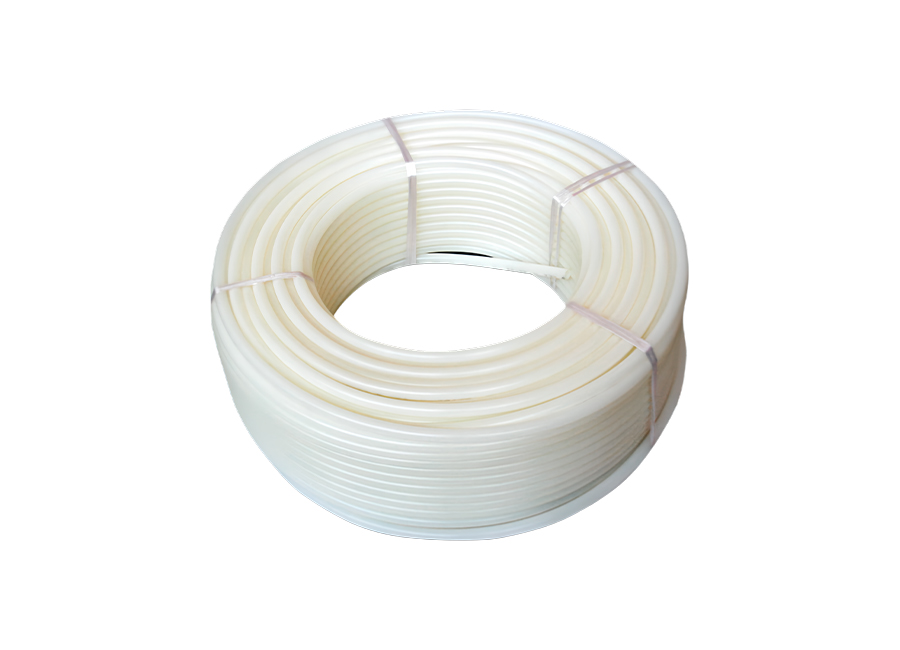
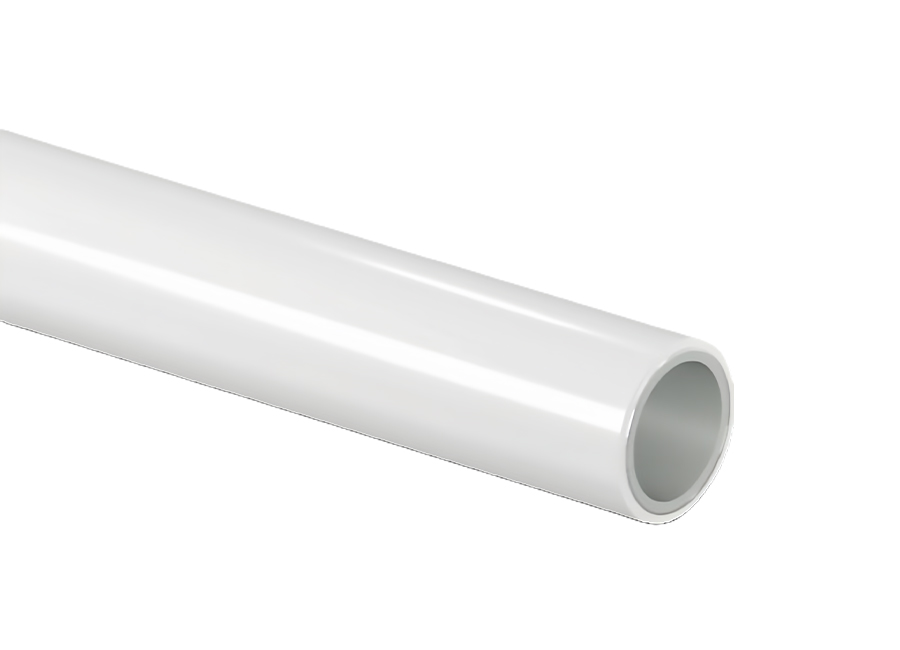
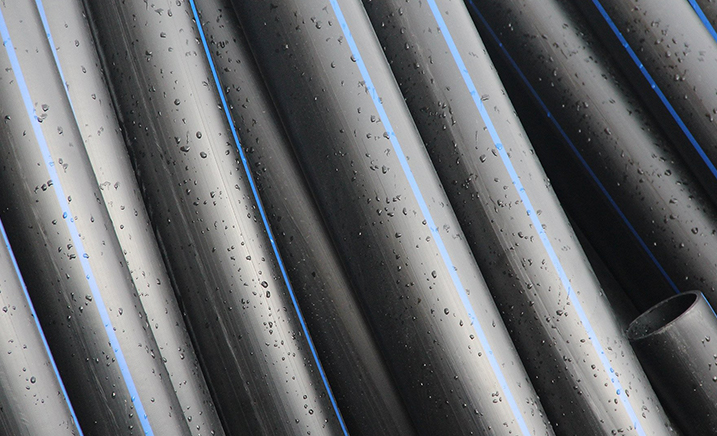
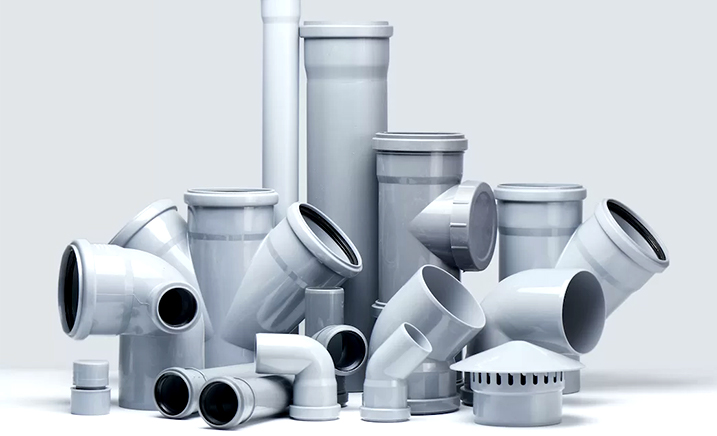
PE means polyethylene, a thermoplastic polymer made from ethylene gas. A PE pipe is a pipe extruded from polyethylene resin, and it is sold mainly in the strength classes PE63, PE80 and PE100. Because the material resists corrosion, bends without cracking and can be fused into a continuous line, PE pipe is used for water supply, irrigation, drainage, industrial fluids, mining slurry and gas distribution.
PE = PolyethyleneGrades: PE63, PE80, PE100Design basis: 50 years at 20 C
When people search for the meaning of PE in pipes, they often want to know whether PE is the same as HDPE, how strong it is and where it can be installed. The sections below answer each point, starting with the material itself and moving on to ratings, temperature limits, applications, joining methods and supplier selection.
What PE Pipe Is Made Of and How the Material Is Classified
Polyethylene is built from long chains of repeating ethylene units. The way those chains branch and pack together decides the density, and density decides stiffness and strength. Under ASTM D1248 style classification, polyethylene falls into low, medium and high density groups.
| Type | Density (g/cm3) | Typical role |
|---|---|---|
| LDPE | 0.910 - 0.925 | Film and small flexible tubing |
| MDPE | 0.926 - 0.940 | Service lines for water and gas |
| HDPE | 0.941 - 0.965 | Pressure mains, drainage, irrigation, industrial lines |
PE pipe and HDPE pipe: the relationship
HDPE is one density class inside the PE family. Most modern pressure pipes sold as PE80 or PE100 are made from high density or bimodal HDPE resin, so in daily trade the terms PE pipe and HDPE pipe often point to the same product. The wider PE label also covers MDPE and cross-linked variants such as PERT, which is used for hot water.
Structure of a typical PE pipe
A solid wall PE pipe has a smooth bore, a wall whose thickness is set by the SDR value, and a color marking that signals the service. Blue marking is widely used for drinking water lines, while black pipe with colored stripes is common in many regions. Color rules differ by country and project, so confirm them in the project specification.
PE63, PE80 and PE100: What the Grade Numbers Mean
The number after PE refers to the Minimum Required Strength (MRS) of the resin, measured in megapascals and multiplied by ten. PE100 therefore has an MRS of 10 MPa, PE80 has 8 MPa and PE63 has 6.3 MPa. A higher grade lets the pipe carry the same pressure with a thinner wall, which saves material and increases the internal flow area.
| Grade | MRS (MPa) | Design stress (MPa) |
|---|---|---|
| PE63 | 6.3 | 5.0 |
| PE80 | 8.0 | 6.3 |
| PE100 | 10.0 | 8.0 |
SDR and Pressure Rating Explained
SDR stands for Standard Dimension Ratio, the outside diameter divided by the wall thickness. A lower SDR means a thicker wall and a higher pressure rating. For PE100 the nominal pressure in bar can be estimated as 160 divided by (SDR minus 1), then rounded to the nearest standard class.
Reading the SDR number
SDR 11 means the wall is one eleventh of the outside diameter. SDR 17 gives a thinner wall and a lower pressure class for the same diameter.
Reading the PN number
PN 10 means a nominal working pressure of 10 bar at 20 C for the design life. PN 16 suits higher pressure mains.
Wall and flow trade-off
A thick wall resists pressure but narrows the bore. For long distribution lines, designers often balance pressure class and flow area.
Temperature Effects on PE Pipe Performance
Pressure ratings are based on 20 C water and a 50-year design basis. As the fluid warms, polyethylene softens slightly and the allowable pressure falls. Plastic pipe association guidance commonly publishes derating factors close to the values below, although the exact figures depend on the resin and the governing standard.
For hot water lines such as floor heating or domestic hot supply, cross-linked PERT pipe is the usual choice because its structure holds up at higher temperatures. Standard PE pipe is better matched to cold and ambient service.
Where PE Pipe Is Used
PE pipe appears in nearly every sector that moves fluids through buried or surface lines. The most common applications are listed below.
PE pipe for water supply
PE pipe for water supply is used for mains and house connections. The smooth bore keeps friction low and the fused joints limit leakage.
PE pipe for agricultural irrigation
Flexible PE pipe for irrigation can be laid in long coils across fields and tolerates ground movement. It suits drip lines, sprinkler feeders and farm reservoirs.
PE pipe for underground water supply
Buried PE pipe for underground water supply resists soil corrosion, so it does not need coatings or cathodic protection.
PE pipe for drainage systems
PE pipe for drainage systems carries storm water and wastewater. Large diameter and corrugated forms are common in road and site drainage.
PE pipe for industrial water supply
PE pipe for industrial water supply handles cooling water, process water and many dilute chemical streams in plants.
PE pipe for mining applications
PE pipe for mining applications moves slurry, tailings and dewatering flows. The material resists abrasion and is lighter than steel on remote sites.
PE pipe for water distribution is also widely used in fire protection mains and gas networks, where the same fusion joining method creates a continuous line.
PE Pipe Compared with Steel Pipe
Choosing a pipe material means weighing several traits together. The radar chart gives a simple relative view of PE pipe and steel pipe across five characteristics.
Strengths of PE pipe
- No rust, scale build-up or soil corrosion.
- Flexible enough to coil, bend and follow uneven ground.
- Fusion joints form a leak-resistant line with the strength of the pipe wall.
- Light weight makes handling and transport easier.
Limits to plan for
- Lower stiffness than steel, so trench bedding and backfill need care.
- Pressure rating drops as temperature rises.
- Fusion work needs trained operators and suitable equipment.
Huada PE Pipe Series
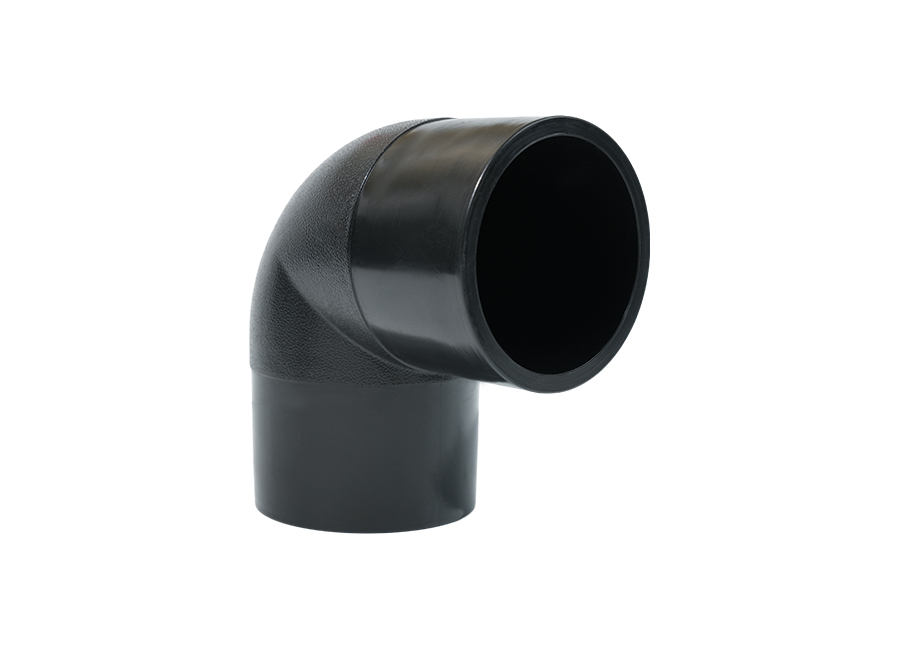
The Huada PE Pipe Series covers HDPE, SRTP. All share corrosion resistance, pressure resistance and environmental sustainability, but they differ in raw materials and manufacturing processes. Sizes and pressure ratings can be customized to fit the project.
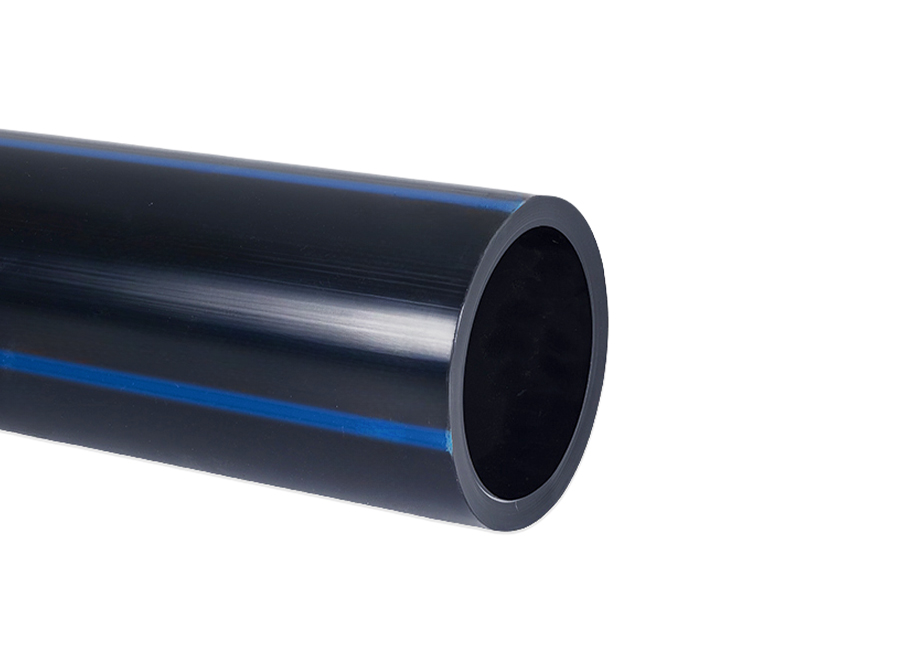
HDPE Pipe
For fire protection systems, underground pipelines and water transportation.
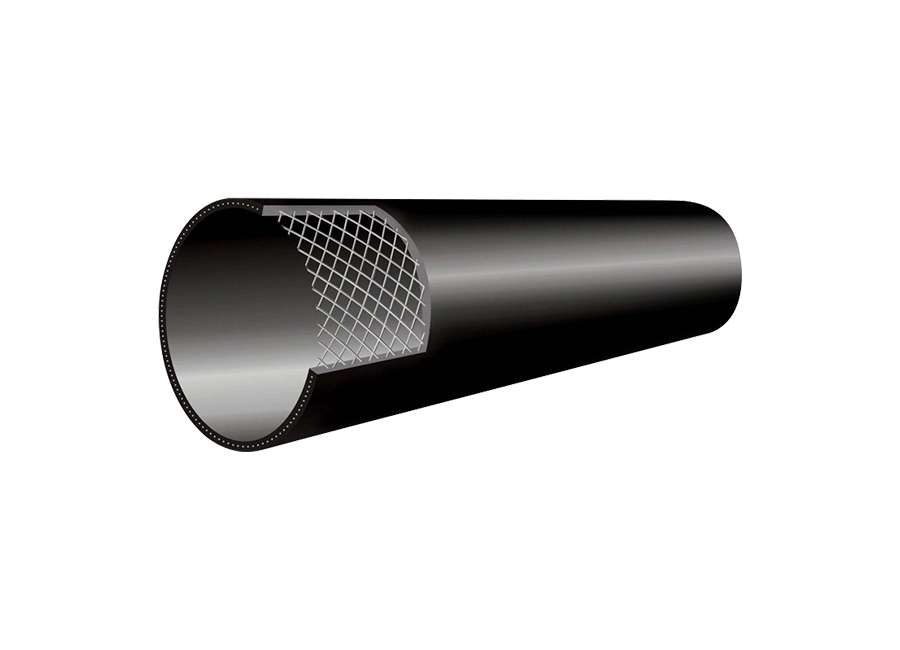
SRTP Pipe
For demanding engineering projects that call for high pressure strength.
PE Pipe Installation and Joining Methods
PE pipe installation and joining methods decide how well the finished line performs. The following sequence is a common field workflow.
- Confirm the pressure class, diameter and route against the design drawings.
- Inspect pipe and fittings for scratches, ovality or damage.
- Prepare the trench with a smooth sand or fine gravel bed.
- Cut the pipe square, clean the ends and remove the oxidized surface layer where the method requires it.
- Join the pipe using the chosen method and follow the cooling time for the wall thickness.
- Lower the pipe, backfill in layers and compact evenly around the sides.
- Flush and pressure test according to the project procedure.
Butt fusion
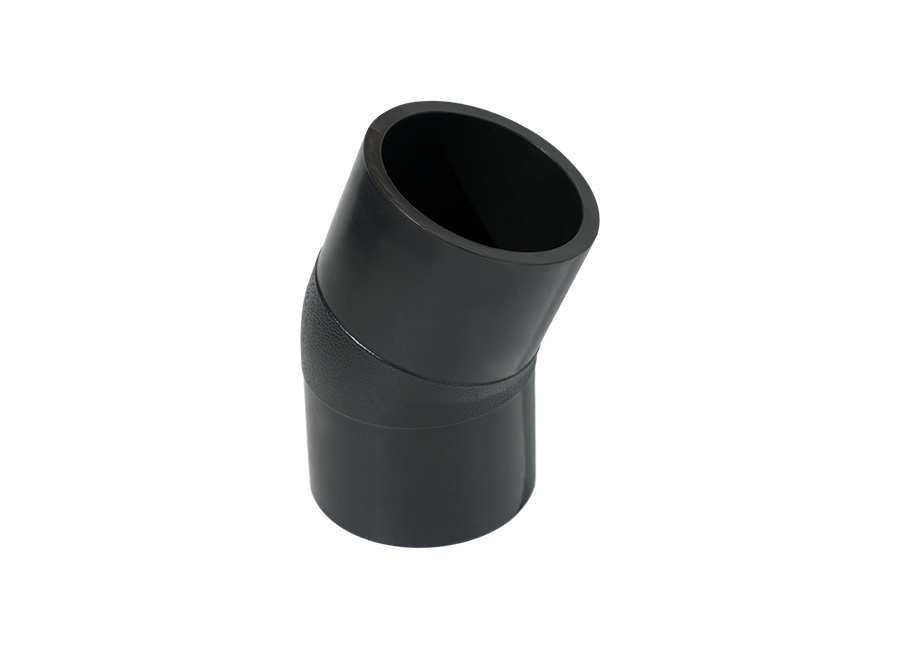
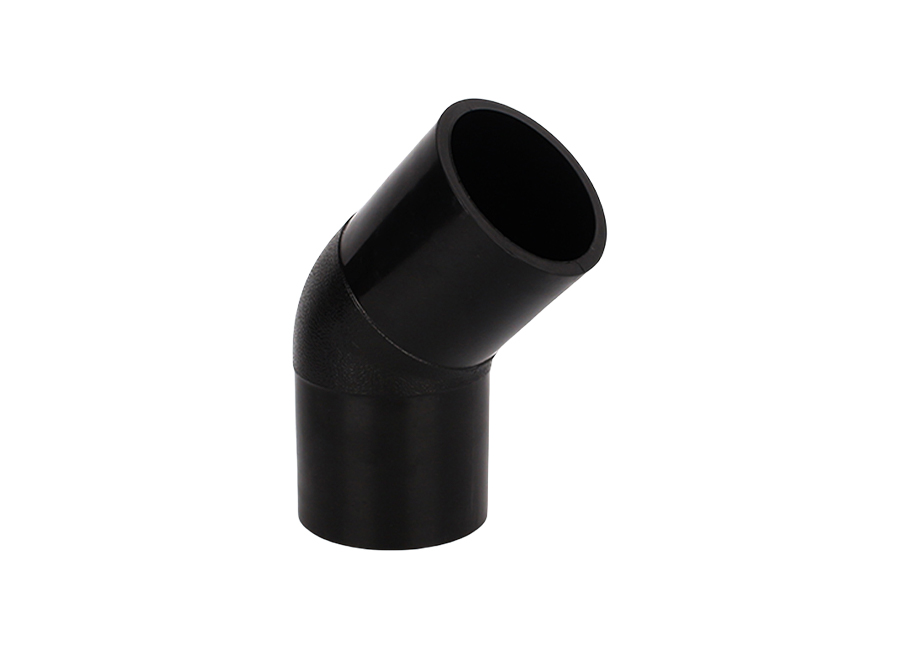
Two pipe ends are faced, heated against a plate at about 200 to 230 C, then pressed together. It is the usual method for mid and large diameters and gives a joint as strong as the pipe.
Electrofusion
A fitting with a built-in heating wire is placed over the pipe ends. Current melts the surfaces together, which suits repairs and tight spaces.
Mechanical compression fittings
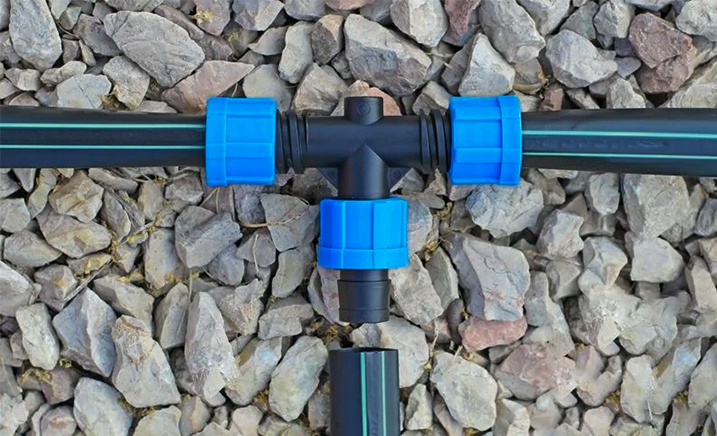
Compression fittings grip the pipe without heat. They are common on small irrigation and service lines.
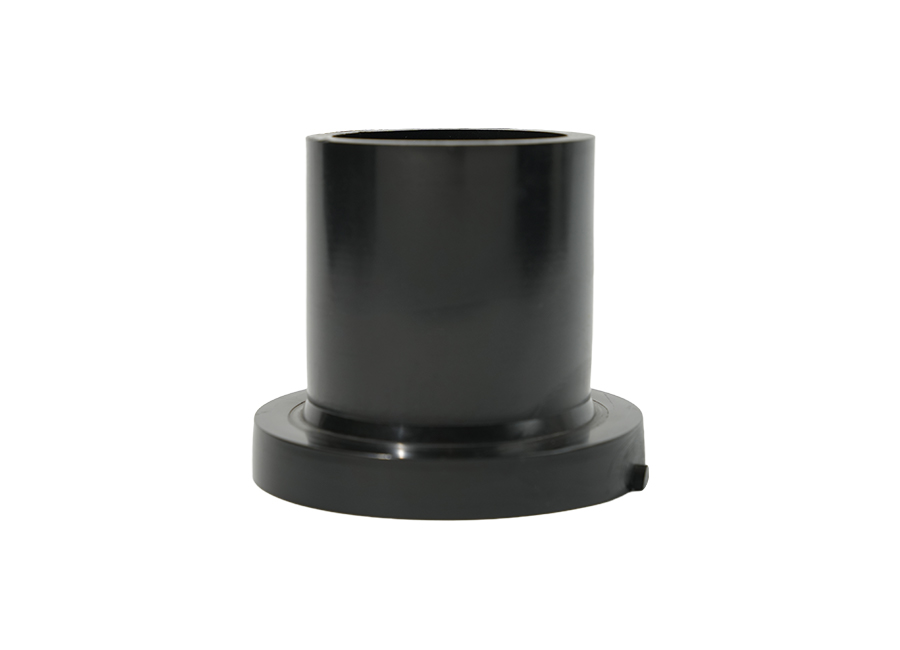
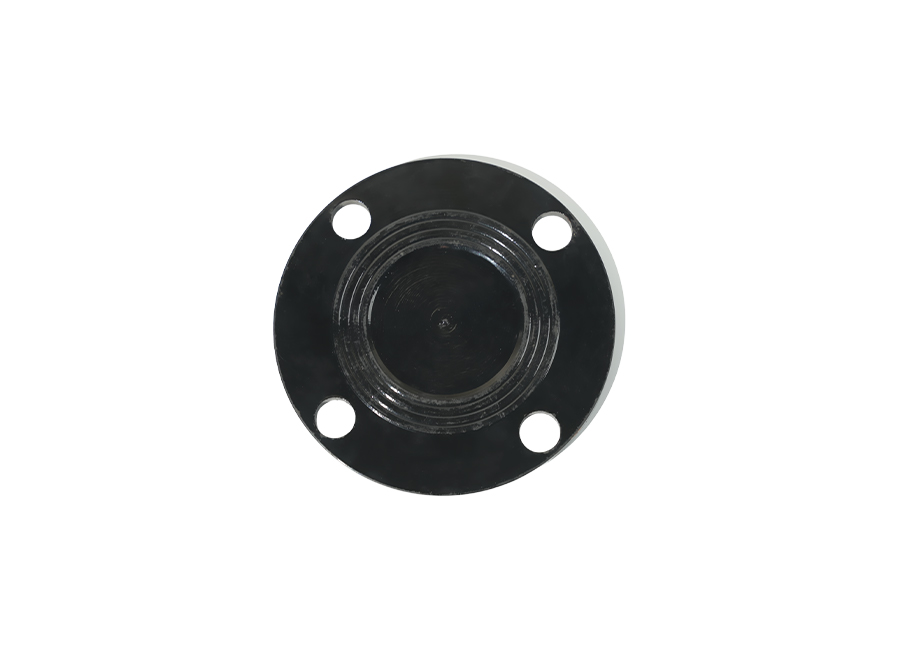
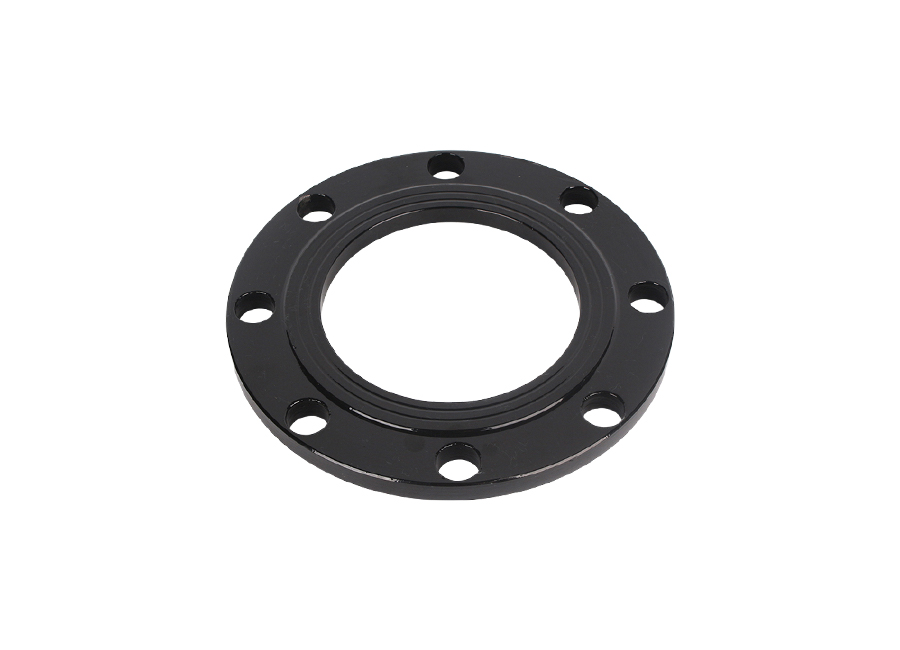
Flange adapters
A fused stub end with a backing flange connects PE pipe to valves, pumps and metal pipework.
Choosing a PE Pipe Bulk Order Supplier
A PE pipe bulk order supplier should be able to document the resin grade, SDR range and dimensional tolerances for every batch. Use the checklist below when comparing options.
- Resin grade stated for each pipe size, such as PE80 or PE100.
- Range of diameters and SDR values that matches the project schedule.
- Coil and straight length options for the installation method.
- In-house testing of dimensions, pressure and material properties.
- Support for fittings, joining advice and custom specifications.
Sharing the working pressure, fluid type, temperature range and burial conditions at the start helps a supplier recommend the right grade and wall thickness.
PE Pipe FAQ
Q1. What is PE pipe?
PE pipe is a pipe made from polyethylene resin. It is flexible, resists corrosion and is joined by fusion or mechanical fittings.
Q2. What is PE pipe used for?
Common uses include water supply, irrigation, drainage, industrial fluids, mining slurry and gas distribution.
Q3. What is the difference between PE and HDPE pipe?
HDPE is a high density type within the PE family. Most pressure PE80 and PE100 pipes are made from HDPE resin.
Q4. What are the advantages of PE pipe?
Corrosion resistance, flexibility, light weight, smooth bore and leak-resistant fused joints.
Q5. Is PE pipe suitable for drinking water?
Yes, when the pipe and fittings are produced for potable use under the applicable local standard. Check the product specification for the project.
Q6. How long does PE pipe last?
Pipes are designed on a 50-year basis at 20 C. Actual life depends on pressure, temperature, installation quality and the fluid carried.
Q7. Can PE pipe be installed underground?
Yes. Buried PE pipe is common, with a clean bed and layered backfill around the pipe.
Q8. How do you connect PE pipes?
The usual methods are butt fusion, electrofusion, compression fittings and flange adapters.