English
 中文简体
中文简体 русский
 عربى
عربى
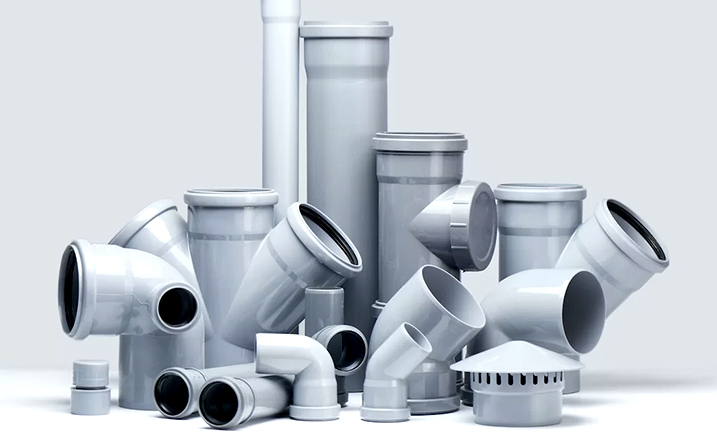
PVC (Polyvinyl Chloride) pipe is one of the most commonly used materials in plumbing, construction, and various industrial applications. Known for its durability, flexibility, and ease of installation, PVC pipe has become a go-to choice for a wide range of projects. In this article, we will answer the key questions about PVC pipe, its uses, and why it’s so popular in different industries.
Content
What Is PVC Pipe?
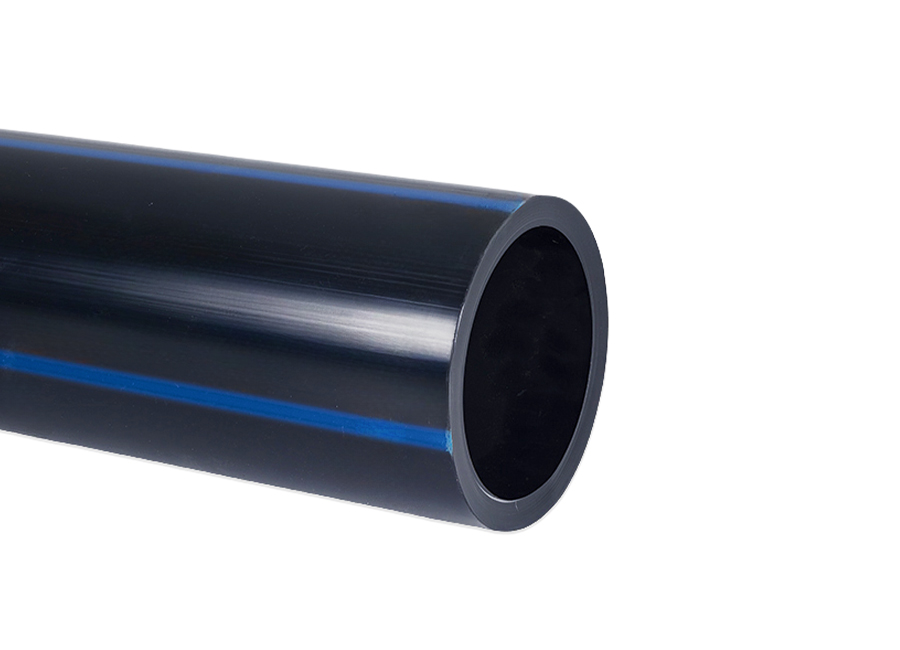
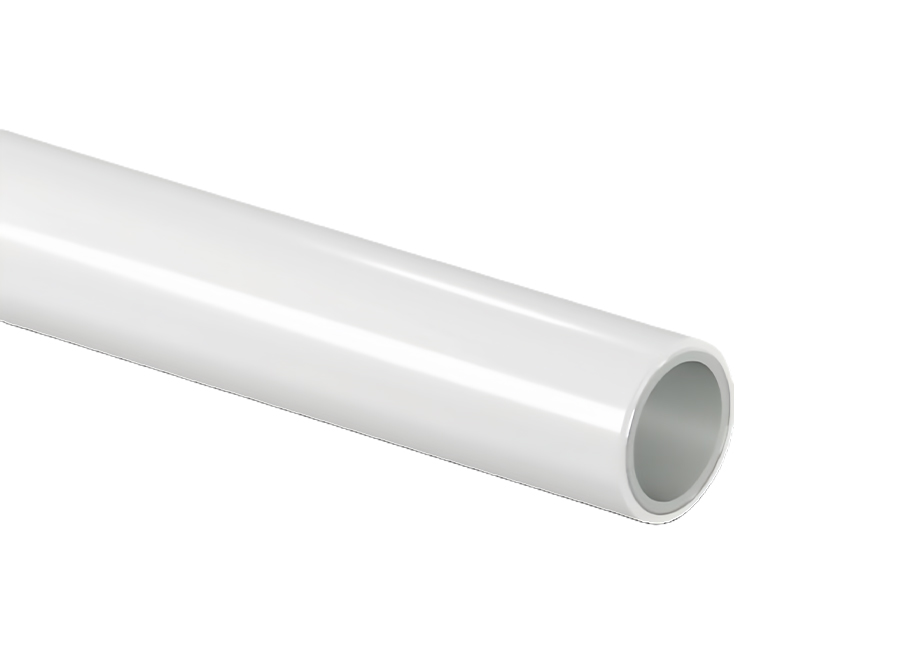
PVC pipe is a type of plastic pipe made from polyvinyl chloride, a synthetic polymer. It is widely used for plumbing, irrigation, and electrical conduit systems due to its resistance to corrosion, chemicals, and its low maintenance requirements. PVC pipes are lightweight yet strong, making them an ideal choice for various applications, from residential plumbing to large-scale industrial projects.
What Are the Advantages of Using PVC Pipe?
There are several reasons why PVC pipe is so popular across multiple industries. Below are the key advantages that make it a preferred choice:
1. Durability and Longevity
PVC pipe is incredibly durable and resistant to wear and tear. Unlike metal pipes, which can corrode or rust over time, PVC pipes maintain their integrity and functionality for many years. This durability reduces the need for frequent replacements, making them a cost-effective choice in the long term.
2. Lightweight and Easy to Handle
One of the standout features of PVC pipe is its lightweight nature. This makes it easy to transport, handle, and install, even in large-scale projects. The ease of handling reduces labor costs and installation time, which is particularly beneficial for plumbing or irrigation systems.
3. Resistance to Corrosion and Chemicals
PVC pipe is highly resistant to a wide range of chemicals, acids, and bases. It also doesn’t rust, unlike metal pipes, which can be affected by water and harsh environmental conditions. This makes PVC pipes ideal for use in both residential and industrial environments where exposure to chemicals or moisture is common.
4. Cost-Effective Solution
Compared to other piping materials such as copper or steel, PVC pipe is relatively inexpensive. Its low cost, combined with its durability and low maintenance needs, makes it an affordable solution for a wide range of applications, from plumbing to drainage systems.
What Are the Common Uses of PVC Pipe?
PVC pipe is versatile and is used in a wide variety of applications across multiple industries. Some of the most common uses include:
1. Residential Plumbing
PVC pipes are widely used in residential plumbing systems for water supply and drainage. Their resistance to corrosion and easy installation makes them ideal for both cold and hot water systems, as well as waste and vent systems.
2. Irrigation Systems
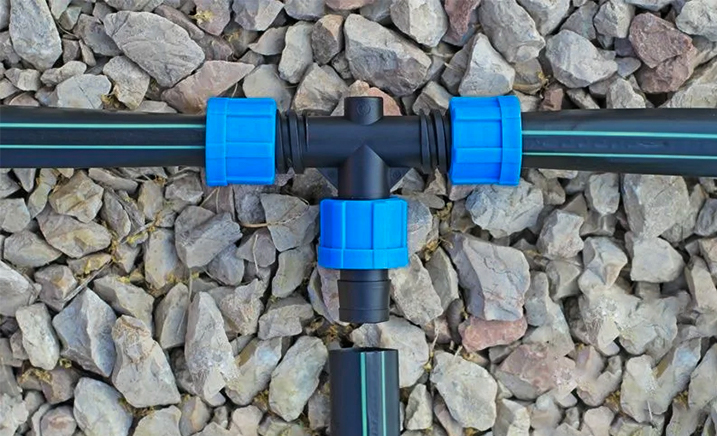
Due to its durability and flexibility, PVC pipe is commonly used in irrigation systems. It can withstand outdoor elements and provides an efficient means of distributing water to gardens, lawns, and agricultural fields. Its ability to resist chemicals also makes it suitable for transporting fertilizers and pesticides in agricultural applications.
3. Electrical Conduit
PVC pipes are often used as electrical conduit for protecting and routing electrical wiring. They provide an affordable, durable, and safe solution for electrical installations in both residential and commercial buildings.
4. Industrial Applications
PVC pipe is also used in a variety of industrial settings, including the transportation of chemicals, slurries, and other fluids. Its resistance to corrosion, combined with its ability to handle high pressure, makes it an excellent choice for industrial piping systems.
How to Choose the Right PVC Pipe for Your Project?
Selecting the appropriate PVC pipe for a particular project is essential for ensuring durability and efficiency. Here are some important factors to consider when choosing PVC pipe:
1. Pipe Size and Pressure Rating
Consider the size of the pipe and its pressure rating, as these will determine the amount of fluid the pipe can handle. For residential plumbing, standard sizes are typically sufficient, but for industrial applications, larger pipes with higher pressure ratings may be necessary.
2. Application Type
Choose the right type of PVC pipe based on its intended use. Schedule 40 PVC pipes are commonly used in residential applications, while Schedule 80 pipes are designed for industrial applications requiring higher strength and pressure tolerance.
3. Environment and Exposure
If the PVC pipe will be exposed to outdoor conditions, UV resistance and weatherproofing are important factors to consider. For underground use or in corrosive environments, ensure the pipe is rated for such applications to maintain long-term functionality.
PVC pipe has proven itself as one of the most reliable and cost-effective materials in plumbing, irrigation, and industrial systems. Its durability, lightweight nature, and resistance to corrosion make it a top choice for both residential and industrial applications. By understanding its advantages, uses, and how to select the right type of PVC pipe for your needs, you can ensure the longevity and efficiency of your systems. Whether you're building a new home, setting up an irrigation system, or managing industrial plumbing, PVC pipe is an essential material that provides a practical and sustainable solution.