English
 中文简体
中文简体 русский
 عربى
عربى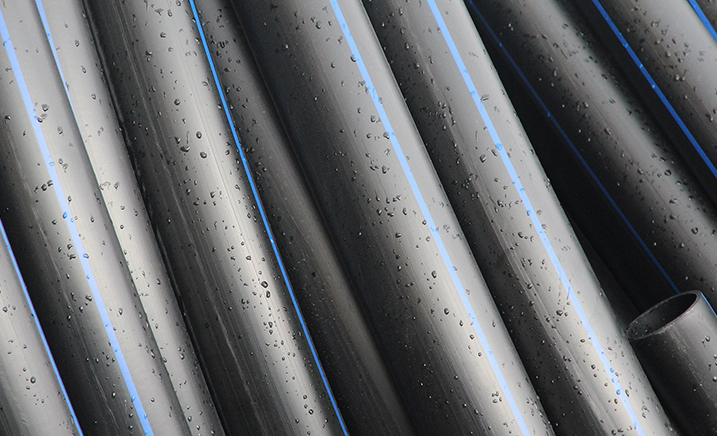
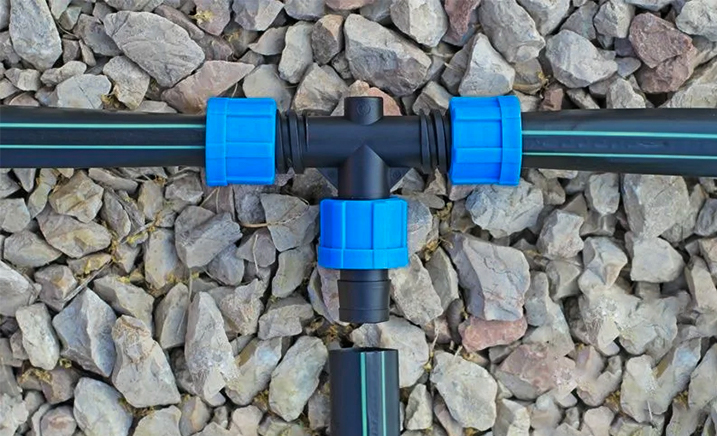
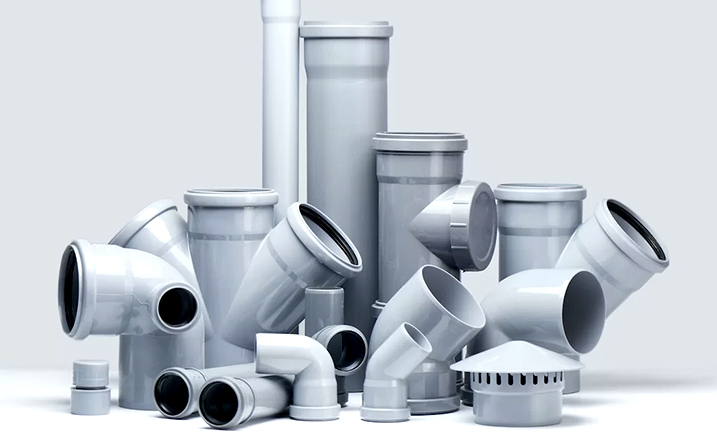
The answer is simple: PE (Polyethylene) pipes provide exceptional durability, flexibility, and corrosion resistance, making them an ideal choice for modern plumbing, water distribution, and drainage systems. Their long lifespan and ease of installation make them superior to traditional materials like copper or PVC.
Content
What Are PE Pipes?
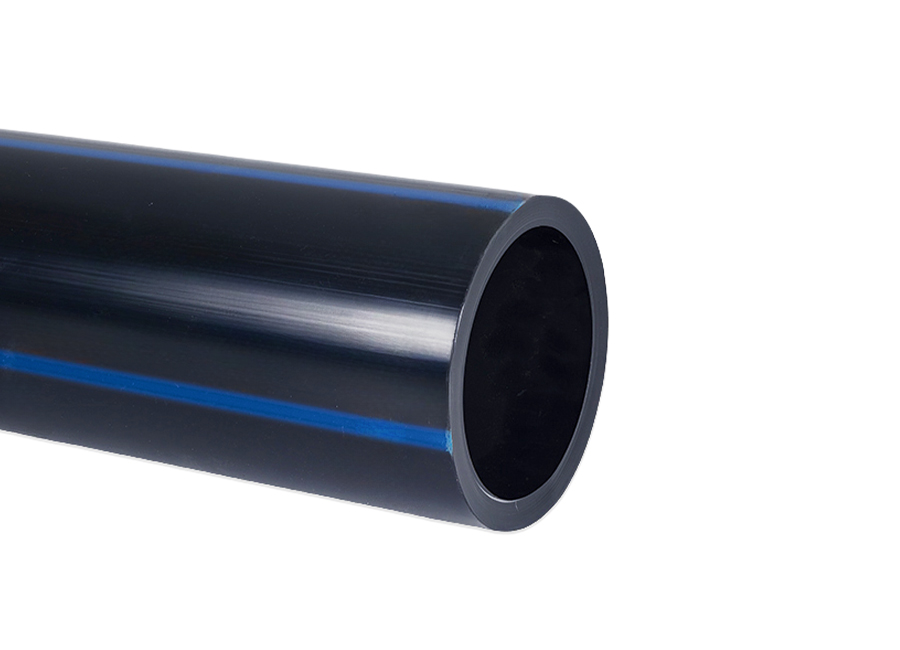
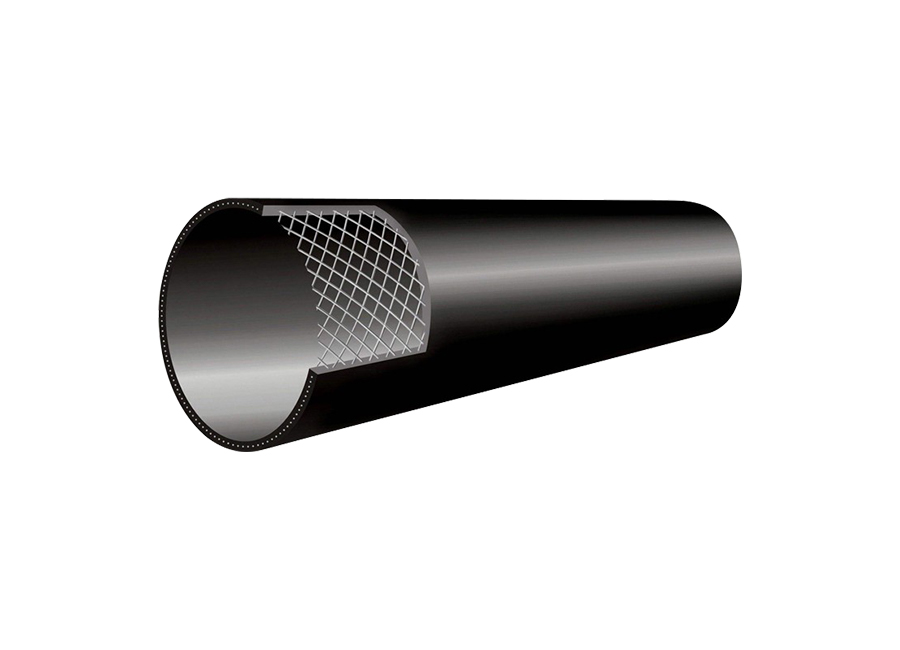
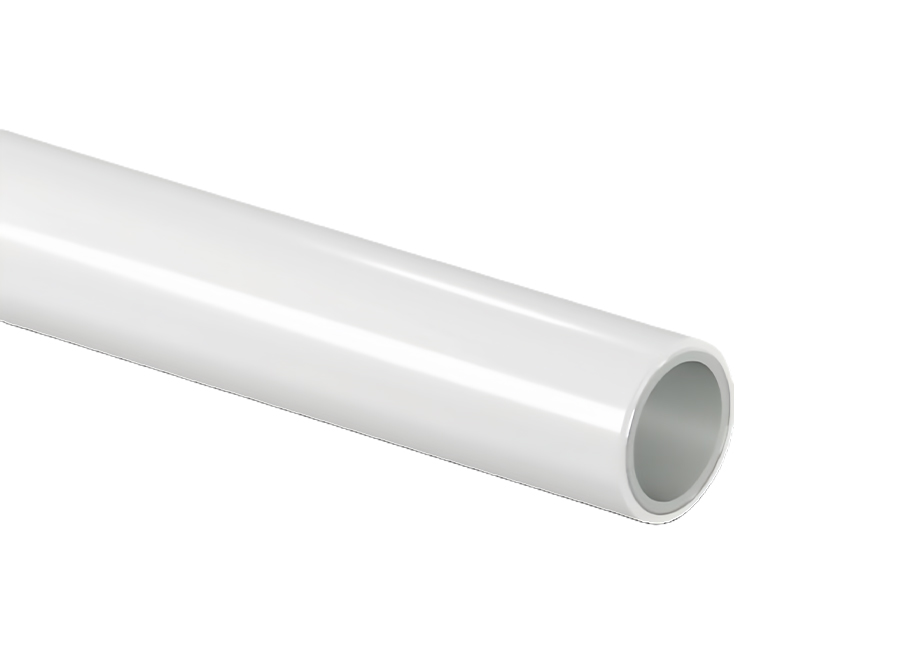
A PE pipe is a plastic pipe made from polyethylene, known for its strength, flexibility, and resistance to corrosion and chemicals. It’s widely used in a variety of industries for water and gas distribution, as well as for sewage and drainage systems.
Types of PE Pipes
- HDPE (High-Density Polyethylene): Known for its high strength and durability, used in water and gas distribution.
- MDPE (Medium-Density Polyethylene): Offers greater flexibility, commonly used for lower pressure systems.
What Are the Advantages of PE Pipes?
PE pipes offer several distinct advantages that make them highly desirable for a wide range of applications, especially in water and gas distribution systems.
Durability and Longevity
- PE pipes are highly resistant to corrosion, reducing the need for replacements.
- With proper installation, PE pipes can last up to 100 years in some environments.
Flexibility and Ease of Installation
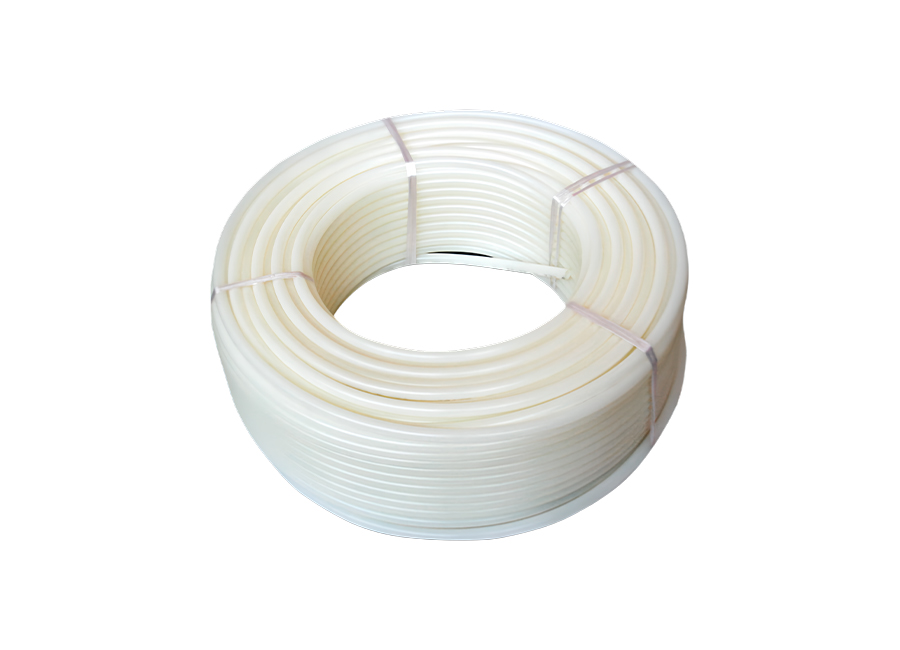
- The flexibility of PE pipes allows them to be bent into tight spaces without needing joints or fittings, which reduces the risk of leaks.
- They are much easier to handle and install compared to rigid materials, reducing installation time and costs.
Resistance to Chemicals and Temperature Extremes
- PE pipes can withstand exposure to harsh chemicals, making them ideal for industrial applications.
- They maintain their structural integrity even under temperature fluctuations, from freezing cold to high heat.
Applications of PE Pipes
PE pipes are used in a wide variety of applications, thanks to their strength, durability, and versatility.
Water and Gas Distribution
- PE pipes are commonly used for potable water and gas supply systems due to their reliability and cost-effectiveness.
- They are available in various pressure ratings, making them suitable for both residential and industrial uses.
Sewage and Drainage Systems
- PE pipes are an excellent choice for sewage and stormwater drainage systems, as they can withstand harsh wastewater environments.
- The smooth interior of PE pipes reduces the buildup of deposits, ensuring long-term performance.
Industrial Applications
- PE pipes are widely used in industries for transporting chemicals, food-grade liquids, and even fuel, owing to their resistance to various chemicals.
- Their flexibility allows them to be laid across uneven terrain, making them suitable for remote industrial locations.
How to Install PE Pipes
The installation of PE pipes is relatively simple and involves a few essential steps:
Installation Process
- Cutting the pipe to the desired length with a pipe cutter or saw.
- Joining the pipes using butt fusion, electrofusion, or socket fusion methods, depending on the type of PE pipe.
- Testing the system for leaks by pressurizing the pipes and checking for any sign of failure.
Compared to metal pipes, PE pipe installation is faster, easier, and less costly due to the reduced need for fittings and joints.
FAQ About PE Pipes
Are PE pipes safe for drinking water?
Yes, PE pipes are widely used for drinking water systems and meet the necessary safety standards for potable water distribution.
Can PE pipes be used for high-pressure systems?
Yes, PE pipes come in various pressure ratings and can be used for high-pressure applications like gas distribution, as long as the proper type is selected.
How long do PE pipes last?
PE pipes are designed to last up to 100 years, depending on the application and environmental conditions.
Can PE pipes withstand extreme temperatures?
Yes, PE pipes maintain their integrity in temperatures ranging from -40°C to +60°C, making them suitable for various climates.