English
 中文简体
中文简体 русский
 عربى
عربى
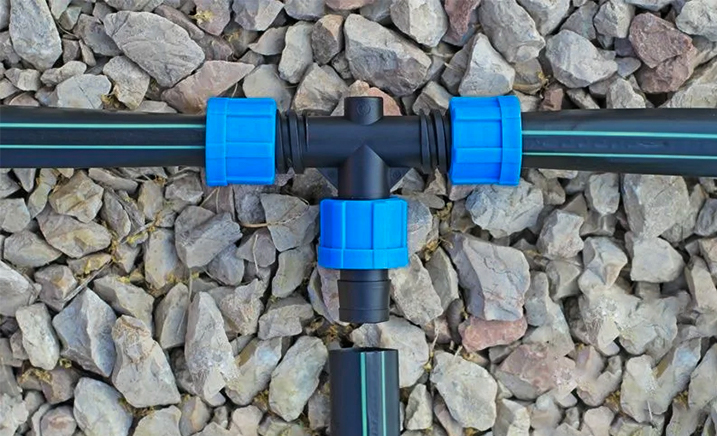
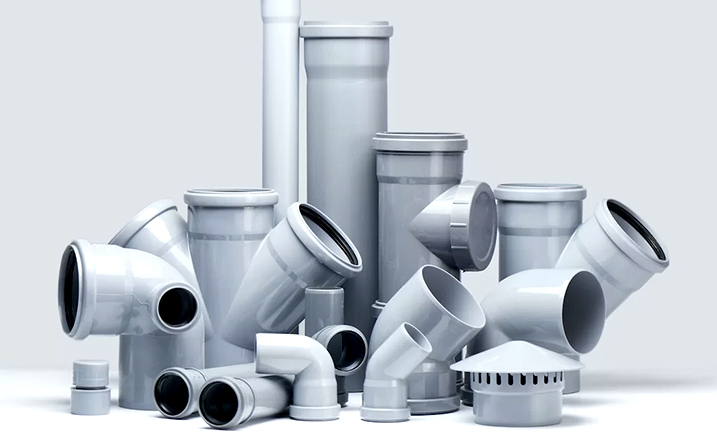
The direct answer: HDPE pipe fittings are the most practical choice for construction projects because they combine exceptional chemical resistance, leak-free jointing, a service life exceeding 50 years, and compatibility with a wide range of installation methods. Compared to ductile iron, PVC, or concrete alternatives, HDPE fittings deliver lower lifetime maintenance cost, greater flexibility under ground movement, and full recyclability at end of service. This article explains exactly why — with data, sizing guidance, and installation detail — so you can specify and buy HDPE pipe fittings with confidence.
Content
- 1 What Makes HDPE Pipe Fittings the Right Material for Construction
- 2 HDPE Pipe Fittings Sizes: What the Standards Cover
- 3 HDPE vs Other Pipe Fitting Materials: A Performance Comparison
- 4 Construction Applications Where HDPE Fittings Excel
- 5 HDPE Pipe Fittings Installation: Methods, Steps, and Key Requirements
- 6 How to Evaluate and Buy HDPE Pipe Fittings: Specifications to Check
- 7 About Jiangyin Huada and the Huada PE Pipe Series
- 8 Frequently Asked Questions
What Makes HDPE Pipe Fittings the Right Material for Construction
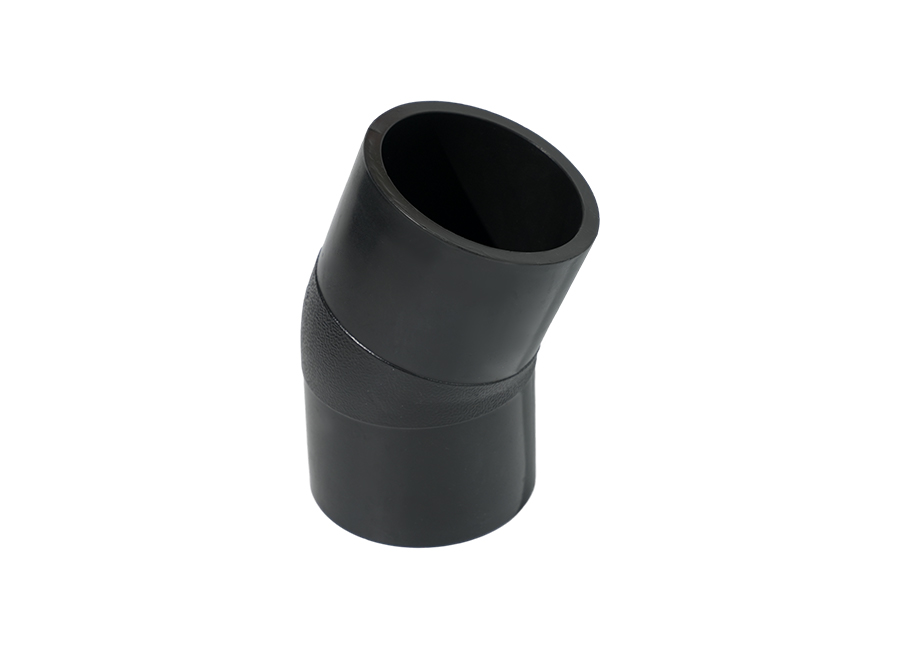
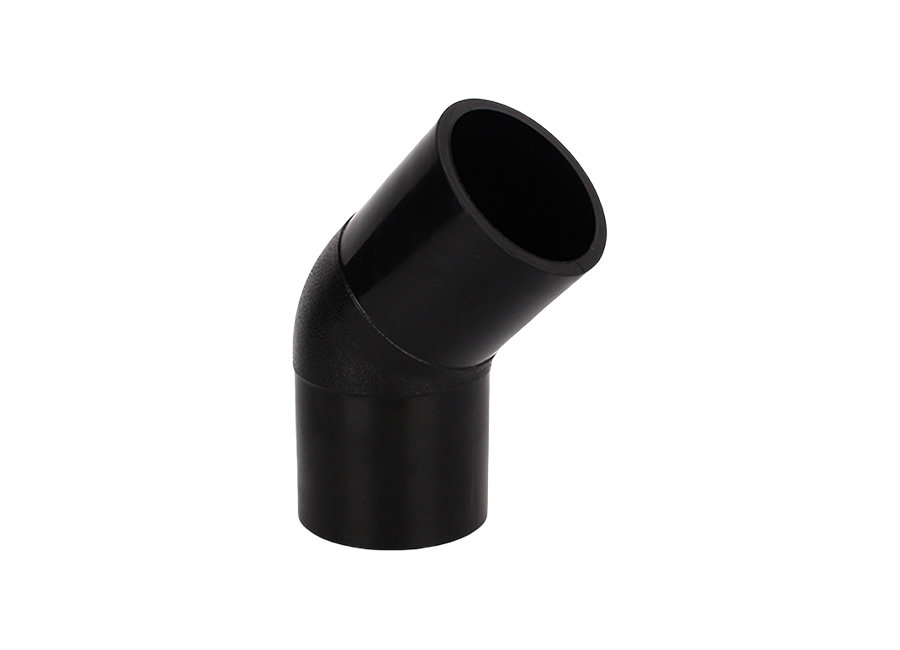
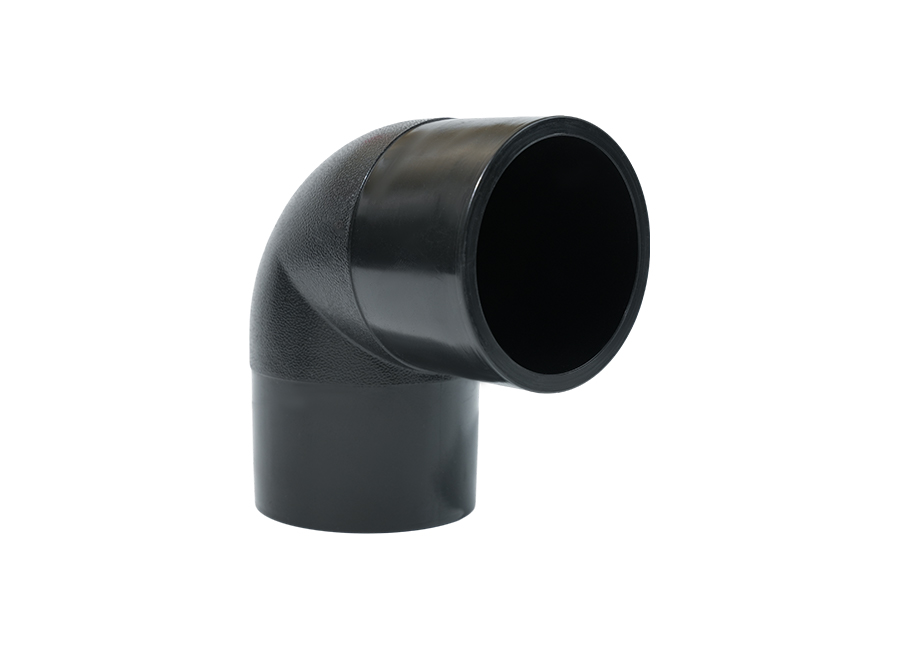
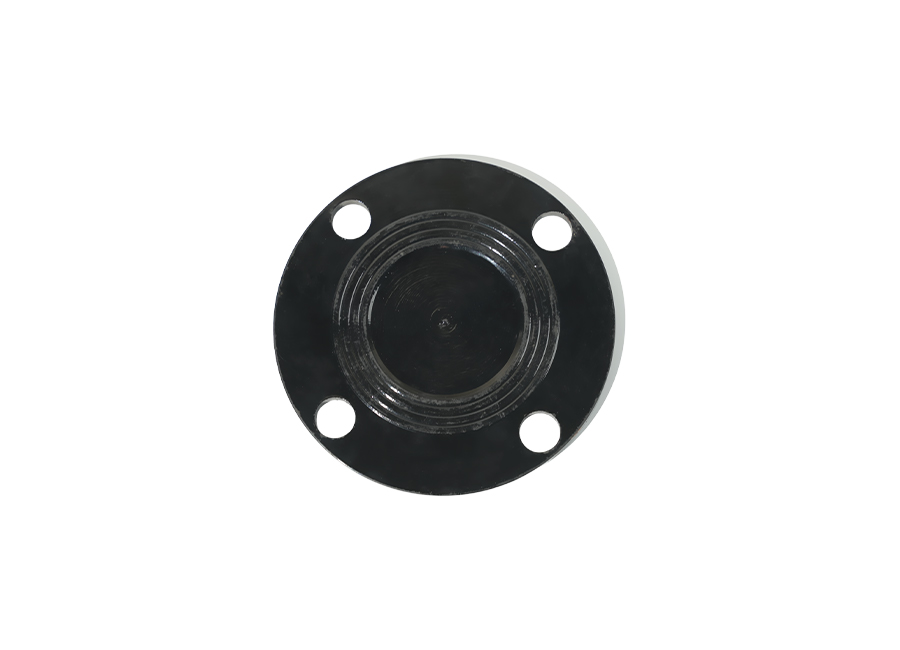
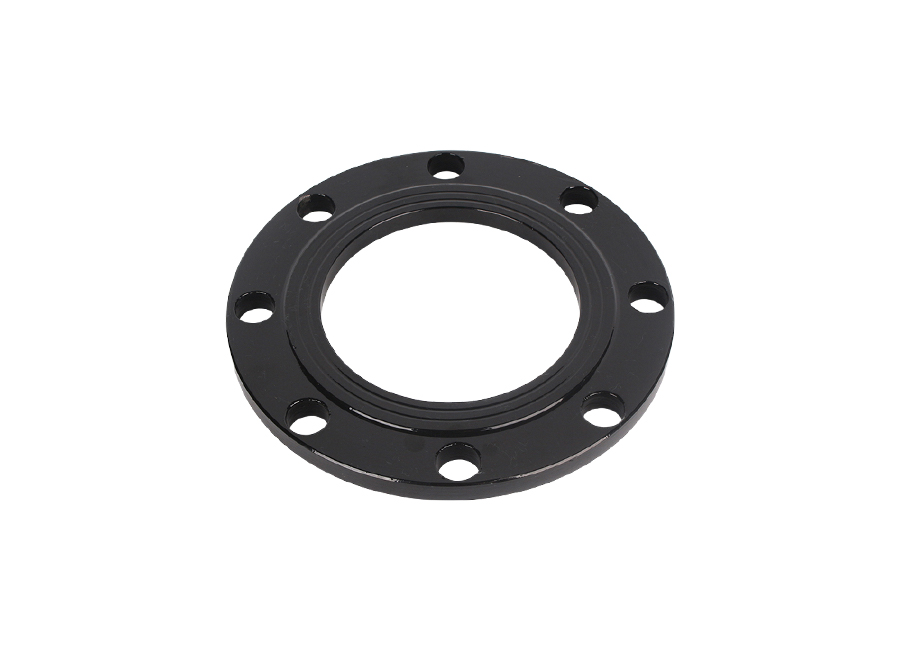
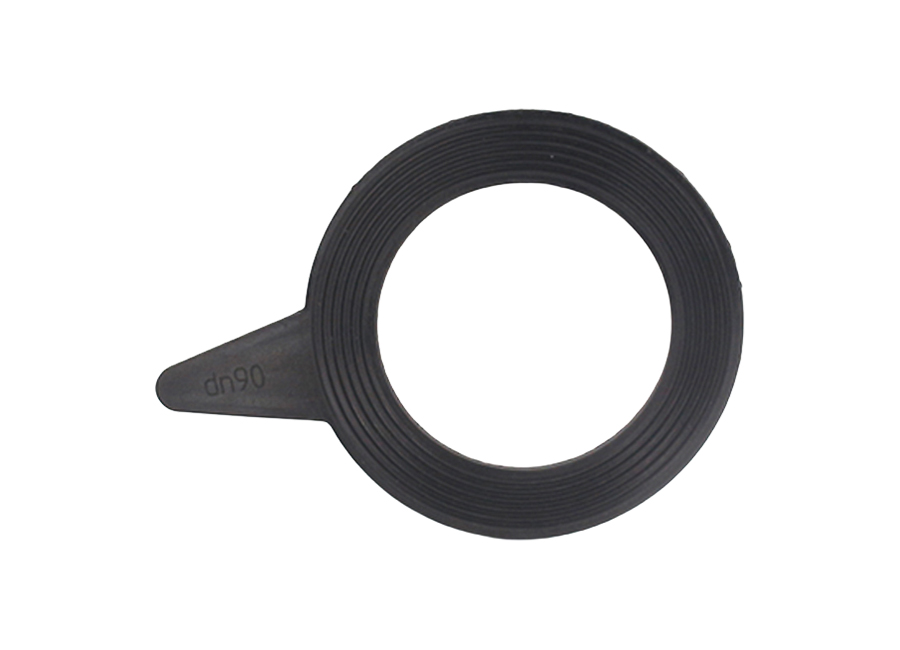
High-Density Polyethylene (HDPE) is a thermoplastic polymer with a density range of 0.93 to 0.97 g/cm³ and a molecular structure that gives it a unique combination of toughness, flexibility, and chemical inertness. When formed into pipe fittings — elbows, tees, reducers, couplings, flanges, and end caps — this material profile translates into several concrete advantages over metal or rigid plastic alternatives.
- Corrosion immunity: HDPE does not corrode, rust, scale, or pit regardless of soil chemistry, groundwater pH, or the fluid conveyed. Metal fittings in aggressive soils can fail within 10–15 years; HDPE fittings perform reliably for 50+ years under the same conditions.
- Leak-free fusion joints: Butt fusion, electrofusion, and socket fusion jointing methods create monolithic connections that are as strong as or stronger than the pipe body itself. There is no gasket to degrade and no mechanical joint to loosen over time.
- Flexibility and impact resistance: HDPE absorbs ground movement, seismic activity, and water hammer without cracking. This is critical for underground infrastructure in seismically active zones or areas with expansive soils.
- Wide operating range: HDPE pipe fittings operate reliably from -40°C to +60°C, covering virtually all outdoor construction and buried infrastructure environments.
- Low weight, fast handling: HDPE fittings weigh approximately one-eighth the weight of equivalent ductile iron fittings, reducing crane requirements, labor hours, and installation cost on large construction sites.
HDPE Pipe Fittings Sizes: What the Standards Cover
Understanding HDPE pipe fittings sizes is essential before specifying for a construction project. HDPE fittings are sized by Nominal Outside Diameter (OD) in accordance with ISO 4427, EN 12201, ASTM D3261, and equivalent national standards. The key sizing parameters are outside diameter (OD), Standard Dimension Ratio (SDR), and pressure rating (PN).
Standard Dimension Ratio (SDR) and Pressure Rating
SDR is the ratio of pipe outside diameter to wall thickness. A lower SDR means a thicker wall and a higher pressure rating. The relationship is direct: SDR 11 pipe rated at PN 16 (16 bar) has a wall thickness roughly twice that of SDR 26 pipe rated at PN 6 (6 bar) for the same diameter.
| SDR Rating | Pressure Rating (PN, bar) | Typical Application |
|---|---|---|
| SDR 9 | PN 20 | High-pressure gas distribution, industrial |
| SDR 11 | PN 16 | Water mains, fire protection, gas supply |
| SDR 13.6 | PN 12.5 | Municipal water supply |
| SDR 17 | PN 10 | Irrigation, drainage, general construction |
| SDR 26 | PN 6 | Low-pressure drainage, gravity sewers |
Available Diameter Range
Standard HDPE pipe fittings are manufactured across a diameter range of 20 mm to 1,200 mm OD. Injection-molded fittings typically cover 20 mm to 315 mm; fabricated (butt-welded) fittings cover 315 mm to 1,200 mm and above. Custom sizes can be produced by qualified HDPE fittings manufacturers for non-standard infrastructure projects.
HDPE vs Other Pipe Fitting Materials: A Performance Comparison
When construction project managers evaluate fitting materials, the comparison typically comes down to HDPE, ductile iron, PVC-U, and polypropylene. The table below summarizes the key performance differences relevant to construction decisions.
| Property | HDPE | Ductile Iron | PVC-U |
|---|---|---|---|
| Corrosion Resistance | Excellent | Requires lining/coating | Good |
| Design Service Life | 50+ years | 30–50 years | 25–50 years |
| Flexibility / Seismic | Excellent | Limited | Poor |
| Joint Integrity | Monolithic (fusion) | Gasketed / mechanical | Solvent / gasketed |
| Relative Weight | Very Light | Very Heavy | Light |
| UV Resistance (uncoated) | Moderate (carbon black grade: good) | Good | Poor |
| Recyclability | Fully recyclable | Recyclable (metal) | Limited |
Design Service Life Comparison: HDPE vs Alternative Fitting Materials
Design service life ranges are indicative and depend on operating conditions, installation quality, and maintenance. HDPE values based on ISO TR 10358 and industry field data.
Construction Applications Where HDPE Fittings Excel
HDPE pipe fittings are used across a broad range of construction project types. The following categories represent the highest-volume applications where their material properties deliver the most measurable advantage.
Underground Water Supply and Distribution
Municipal water mains and building service connections are among the largest markets for HDPE fittings. Fusion-jointed HDPE systems achieve leak rates below 0.1% per year — a significant improvement over legacy cast iron systems with gasketed joints that can lose 20–30% of flow through leakage. SDR 11 (PN 16) and SDR 17 (PN 10) are the most commonly specified classes for potable water distribution.
Construction Site Fire Protection Systems
Fire protection pipework in construction environments demands reliable pressure containment and resistance to mechanical impact during building activity. HDPE fittings rated to PN 16 or above are suitable for fire suppression header loops. Their light weight simplifies overhead installation, and fusion joints eliminate the risk of vibration-induced joint failure that affects mechanical couplings.
Drainage, Sewerage, and Stormwater
HDPE fittings are fully compatible with the chemical environment of municipal sewage — including hydrogen sulfide gas, acids, and biological matter — without the internal lining requirements of concrete or ductile iron sewers. For stormwater drainage, HDPE's flexibility accommodates differential settlement without joint failure, a common failure mode in rigid pipe systems.
Irrigation and Agricultural Infrastructure
Large-scale irrigation projects rely on HDPE pipe fittings in diameters from 63 mm to 630 mm for mainline distribution, with SDR 17 or SDR 26 typically specified for operating pressures of 6–10 bar. The material's resistance to UV radiation (in carbon-black stabilized grades) and freeze-thaw cycling makes it suitable for exposed above-ground runs in agricultural settings.
Gas Distribution Networks
Yellow-coded HDPE pipe fittings to PE 100 grade are the global standard for medium-pressure gas distribution (up to 10 bar). Their leak-free electrofusion joints and resistance to soil stress cracking make them the preferred choice for gas utility infrastructure upgrades replacing aging steel or cast iron networks.
HDPE Pipe Fittings Installation: Methods, Steps, and Key Requirements
Correct HDPE pipe fittings installation is critical to achieving the material's rated service life and leak-free performance. There are three primary jointing methods, each suited to different fitting types and site conditions.
Butt Fusion (Thermal Butt Welding)
Butt fusion is used for pipe-to-pipe and pipe-to-fabricated fitting connections in diameters 90 mm and above. The process involves heating both pipe ends and fitting faces to 200–230°C on a flat heater plate, withdrawing the plate, and pressing the molten faces together under controlled pressure until fully cooled. The resulting joint has tensile strength equal to or greater than the pipe itself.
- Clamp pipe ends in the fusion machine, ensuring axial alignment within 10% of wall thickness
- Face (skim) pipe ends with the trimming tool until continuous, uniform shavings are produced
- Check for contact gap less than 0.3 mm before inserting the heater plate
- Apply heat at specified temperature and pressure per pipe diameter and SDR
- Remove heater plate and join faces within the changeover time (typically 3–10 seconds)
- Apply joining pressure and hold for the specified cooling time before releasing clamps
Electrofusion
Electrofusion couplings and fittings contain an embedded resistance wire. After inserting pipe ends into the fitting and connecting the controller, electrical current heats the wire to fuse the HDPE surfaces together from the inside. Electrofusion is preferred for repair work, confined-space installation, and connections in diameters from 20 mm to 630 mm. The process is less sensitive to weather than butt fusion and can be performed in wet conditions with appropriate preparation.
Mechanical and Flanged Connections
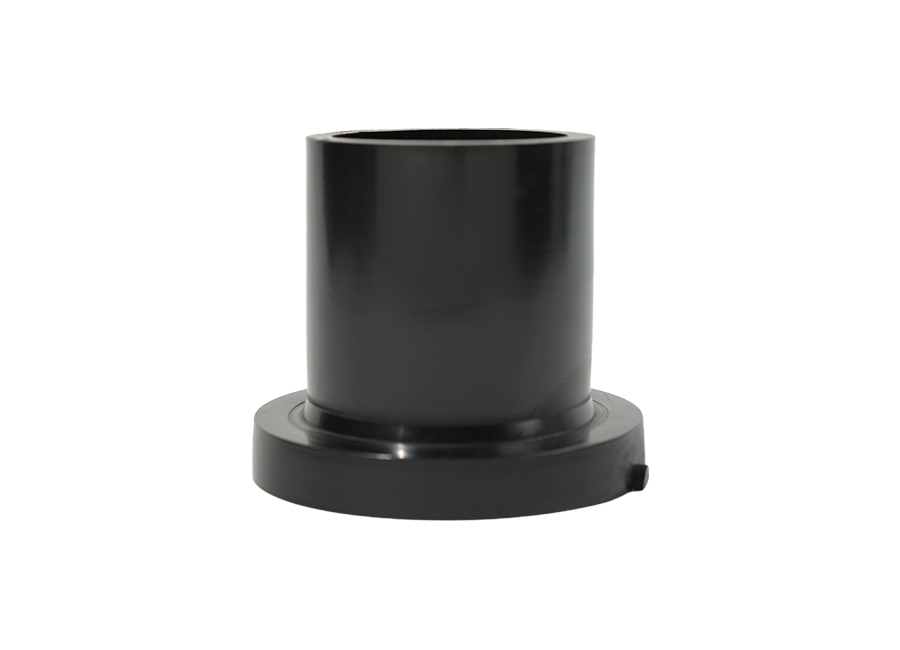
Where HDPE must connect to metal pipework, valves, or equipment, stub-end and backing-ring flange assemblies or compression mechanical couplings are used. These transitions are standard in pump stations, valve chambers, and at building entry points. Flange bolts must be torqued to specification and re-torqued after initial pressurization and thermal cycling.
Butt Fusion Minimum Cooling Time vs Pipe Outside Diameter (SDR 11, PE 100)
Indicative minimum cooling times for butt fusion of PE 100 SDR 11 pipe at 20°C ambient. Actual times vary with ambient temperature and machine type; always follow equipment manufacturer specifications.
How to Evaluate and Buy HDPE Pipe Fittings: Specifications to Check
When you need to buy HDPE pipe fittings for a construction project, the following specification checklist ensures you receive a product that will perform as expected and meet project standards.
- Material designation: Confirm the fitting is manufactured from PE 100 or PE 80 grade resin, with the MRS (Minimum Required Strength) value clearly stated. PE 100 (MRS = 10 MPa) is preferred for pressure applications.
- Standard compliance: Request test reports confirming compliance with ISO 4427, EN 12201, or ASTM D3261 as applicable for your project specification.
- Dimensional verification: Request dimensional certificates showing OD, wall thickness, and fitting geometry within standard tolerance. For large fabricated fittings, individual piece inspection certificates are standard.
- Hydrostatic test results: Pressure fittings should be supplied with hydrostatic pressure test results demonstrating leak-free performance at the rated pressure class.
- Traceability markings: Each fitting should carry permanent marking including: OD, SDR/PN, material grade, production date code, and manufacturer identification.
- Factory and quality system: Working with established HDPE fittings manufacturers who operate under ISO 9001 quality management reduces the risk of off-specification material reaching site.
For large construction contracts, specifying a pre-qualification process for fitting suppliers — including factory audit, sample testing, and reference project verification — is a practical step that prevents material quality disputes during construction.
About Jiangyin Huada and the Huada PE Pipe Series
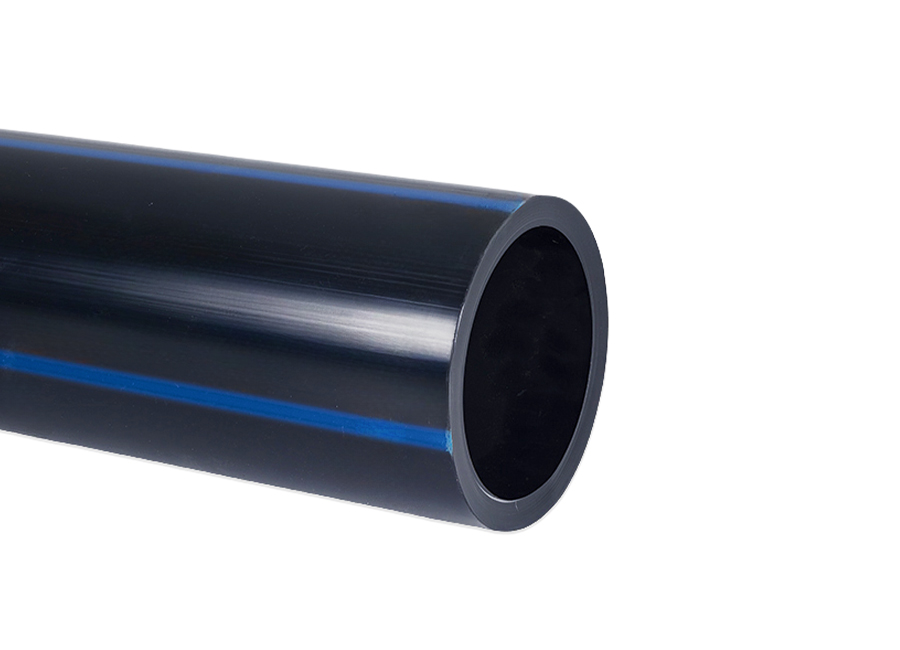
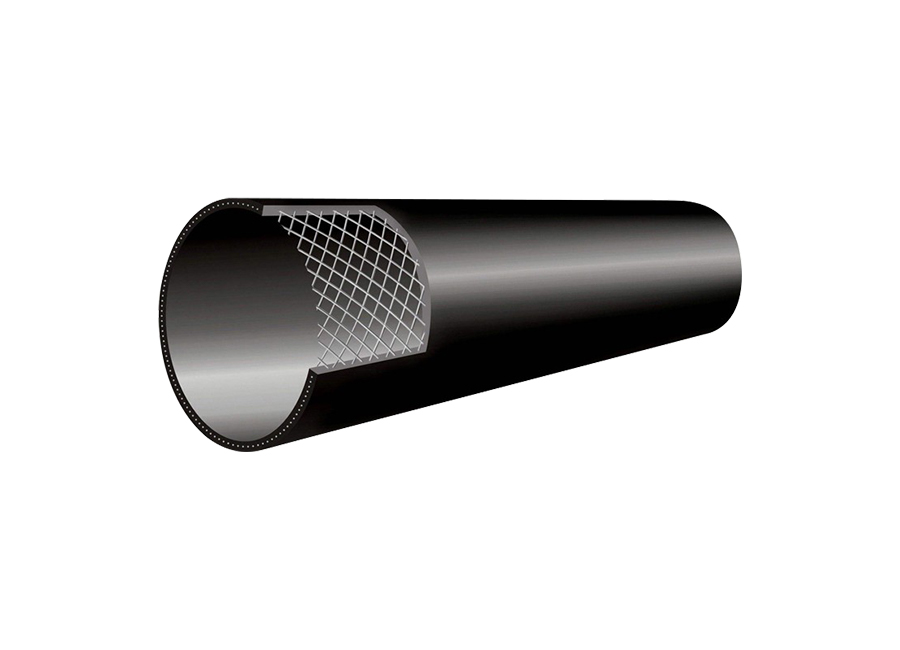
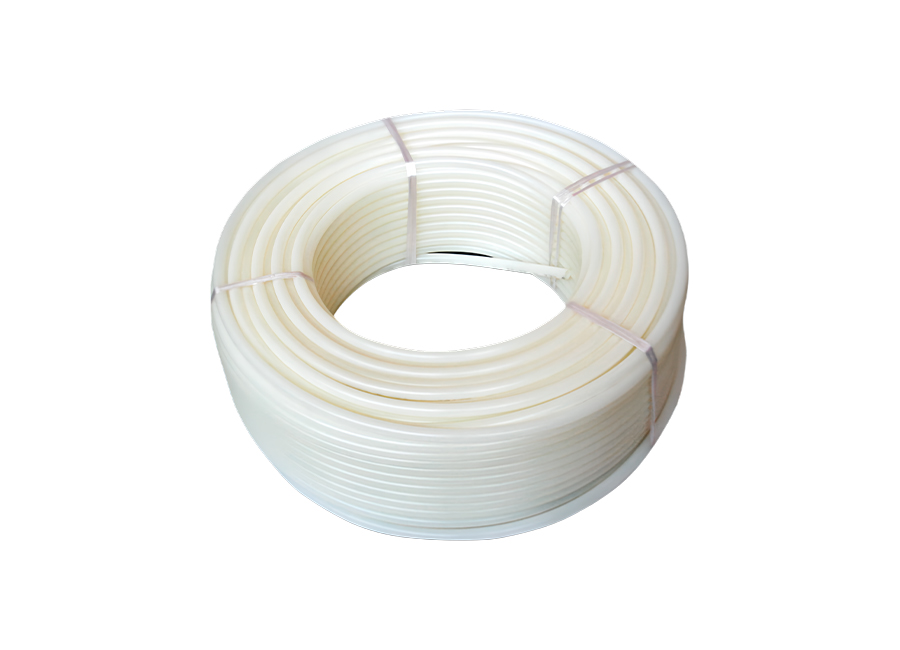
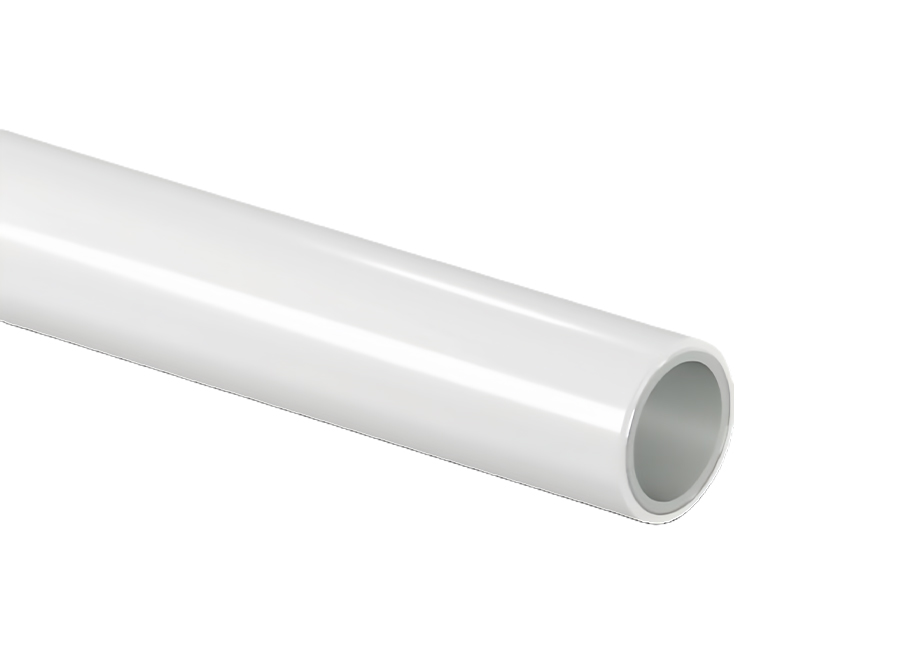
The Huada PE Pipe Series includes a wide range of pipes — HDPE, SRTP, PERT, and PERT aluminum-plastic composite pipes — all recognized for their corrosion resistance, pressure resistance, and environmental sustainability. While these products share core strengths, they differ in raw materials and manufacturing processes, making them suited to diverse applications.
HDPE and SRTP pipes are ideal for demanding engineering projects, including construction fire protection systems, underground pipelines, and other critical infrastructure. Their ability to withstand high pressure and resist corrosion makes them reliable choices for these applications. PERT and PERT aluminum-plastic composite pipes are specifically designed for domestic water supply, floor heating systems, and hot water applications, where flexibility, high-temperature resistance, and durability are required.
PE pipes from Jiangyin Huada are available in various sizes and pressure ratings, customizable to meet the unique requirements of each project — whether for water transportation, irrigation, or gas distribution. As a professional OEM PE Pipe Manufacturer and PE Pipe Factory, Jiangyin Huada's brand story is one of continuous progress and innovation, underpinned by an unwavering commitment to product diversity, quality, and green environmental practices. Products have earned the trust of customers across multiple industries, and the brand has become a recognized symbol of reliability in the pipe and pipeline sector internationally.