English
 中文简体
中文简体 русский
 عربى
عربى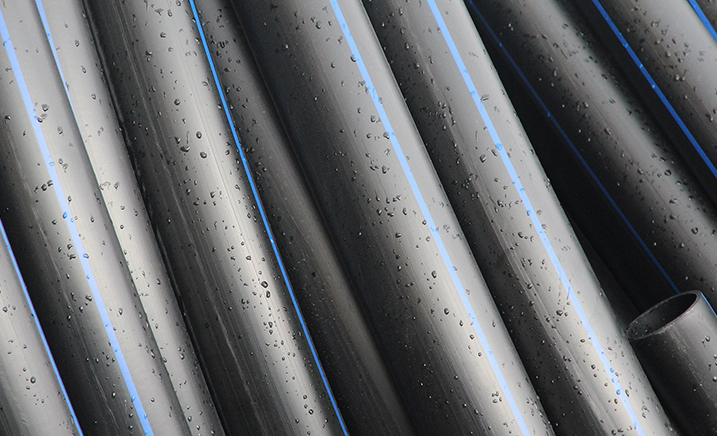
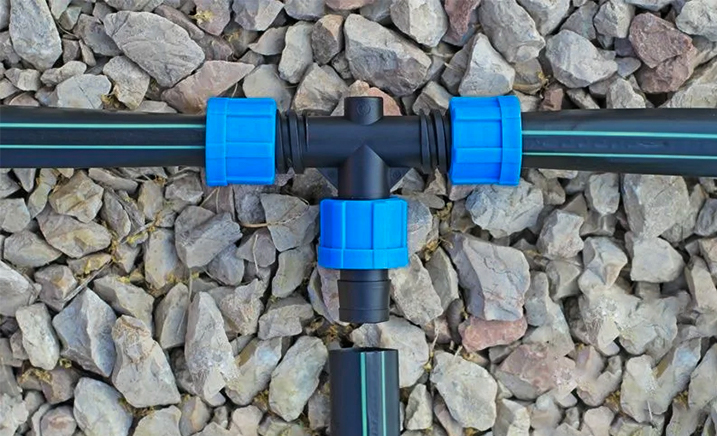
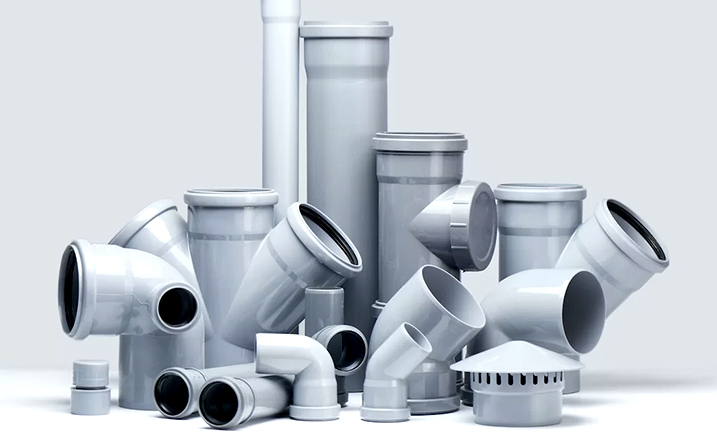
PE pipe — polyethylene pipe — is the most widely specified material for underground water systems worldwide, and for good reason. It outperforms traditional alternatives such as ductile iron, PVC, and concrete on virtually every practical measure: corrosion resistance, joint integrity, flexibility under ground movement, and total installed lifespan. For water utilities, municipal engineers, and construction contractors, understanding the core benefits of HDPE Pipe For Water Supply and related PE pipe products is the first step toward specifying a system that will perform reliably for 50 years or more with minimal maintenance.
This article covers the key performance advantages of PE pipe in underground water applications, explains how to interpret PE Pipe Pressure Rating for design purposes, and introduces Jiangyin Huada's comprehensive PE pipe product range — a trusted manufacturer supplying premium pipes and fittings to customers globally.
Content
- 1 The Core Case for PE Pipe in Underground Water Infrastructure
- 2 Key Benefits of PE Pipe for Underground Water Systems
- 3 Understanding PE Pipe Pressure Rating
- 4 HDPE Pipe For Water Supply: Why PE100 Grade Sets the Standard
- 5 About Jiangyin Huada: A Trusted PE Pipe Manufacturer
- 6 PE Pipe vs Alternative Materials: A Practical Comparison
- 7 Installation Best Practices for Underground PE Water Pipe
- 8 Frequently Asked Questions
The Core Case for PE Pipe in Underground Water Infrastructure
Underground water distribution systems face a demanding set of conditions: variable soil loads, ground settlement, seismic activity, aggressive soil chemistry, and internal pressure cycling over decades of service. PE pipe addresses all of these simultaneously. Studies conducted by water utilities across Europe and North America consistently show that leakage rates in PE pipe networks are 60–80% lower than in equivalent iron or PVC systems — a finding that translates directly into reduced water loss, lower pumping energy costs, and smaller maintenance budgets.
The material's combination of flexibility, chemical inertness, and fusion-jointed continuity makes Underground PE Water Pipe the rational choice for new installations and rehabilitation projects alike.
Key Benefits of PE Pipe for Underground Water Systems
Corrosion and Chemical Resistance
Polyethylene does not corrode. Unlike iron or steel pipework, Underground PE Water Pipe is completely unaffected by soil acidity, alkalinity, chlorides, sulfates, or the electrochemical reactions that cause tuberculation and pitting in metallic pipes. This immunity eliminates the need for cathodic protection, external coatings, or lined interiors — simplifying installation and reducing long-term maintenance costs.
Leak-Free Fusion Jointing
PE pipe systems are joined by butt fusion, electrofusion, or socket fusion, creating a homogeneous, monolithic joint that is at least as strong as the pipe wall itself. There are no gaskets, no mechanical couplings, and no potential leak paths at the joint — the leading cause of failure in gasketed piping systems. Field studies show that fusion-jointed PE networks can operate for more than 50 years without joint-related leakage.
Flexibility and Seismic Performance
The high flexibility of PE pipe — with a typical elongation at break exceeding 600% — allows the pipeline to accommodate ground movement, differential settlement, and seismic events without fracture. Following major earthquakes in Japan and New Zealand, PE water mains consistently outperformed rigid alternatives, suffering up to 90% fewer failures per kilometer than cast iron or concrete pipes in the same ground zones.
Hydraulic Efficiency
The smooth inner bore of PE pipe yields a Manning's roughness coefficient (n) of approximately 0.009, compared to 0.013–0.015 for concrete and 0.012–0.014 for cast iron. This translates to lower friction losses, higher flow rates for the same pipe diameter, and reduced pumping energy over the system's lifetime. For water utilities operating 24/7 pumping infrastructure, even a modest reduction in friction loss delivers measurable operational savings annually.
Lightweight and Fast Installation
PE pipe weighs approximately one-eighth of ductile iron for the same nominal bore and pressure rating. This dramatically reduces handling requirements, crane lift cycles, and trench time. In remote or access-restricted sites, lightweight coiled PE pipe can be pulled through directional drilling bores without heavy equipment — a method used extensively in trenchless rehabilitation of aging networks.
Understanding PE Pipe Pressure Rating
PE Pipe Pressure Rating is determined by the pipe's Standard Dimension Ratio (SDR) — the ratio of the outside diameter to the minimum wall thickness. A lower SDR number means a thicker wall relative to the diameter, and therefore a higher pressure rating. The material grade (PE80 or PE100) also plays a major role: PE100 pipe achieves higher pressure ratings at the same SDR than PE80 because of its superior minimum required strength (MRS).
| SDR | PE80 PN (bar) | PE100 PN (bar) | Typical Application |
|---|---|---|---|
| SDR 41 | 4 | 5 | Gravity drainage, low-pressure irrigation |
| SDR 26 | 6 | 8 | Rural water mains, non-pressure sewer |
| SDR 17 | 10 | 12.5 | Municipal water distribution |
| SDR 11 | 16 | 20 | High-pressure transmission mains, fire systems |
| SDR 7.4 | 25 | 32 | Very high-pressure industrial and gas applications |
When selecting a PE Pipe Pressure Rating for a project, engineers must account for water hammer (surge pressure), temperature derating factors for hot-water service, and a minimum design factor of safety of 1.25 above the maximum operating pressure. For standard municipal cold-water distribution operating at up to 10 bar, PE100 SDR 17 is the most commonly specified class.
HDPE Pipe For Water Supply: Why PE100 Grade Sets the Standard
High-density polyethylene (HDPE) pipe manufactured to PE100 grade represents the current state of the art in pressure pipe materials. The designation "PE100" confirms a Minimum Required Strength (MRS) of 10 MPa at 20°C over a 50-year design life — a threshold that gives engineers a robust and well-characterized basis for long-term system design.
Key reasons why HDPE Pipe For Water Supply has become the global standard for new water main construction include:
- Potable water safety: PE100 HDPE does not leach heavy metals, plasticizers, or taste/odor compounds. The material complies with drinking water contact regulations across major markets including EN 12201 (Europe), AWWA C901/C906 (North America), and GB/T 13663 (China).
- Slow crack growth resistance: Modern PE100 compounds include resistance to slow crack growth (SCG), the failure mode responsible for longitudinal cracking in older PE80 networks. SCG-resistant PE100 pipe has a predicted service life well beyond 50 years under normal operating conditions.
- UV stabilization: Carbon black at 2–2.5% concentration is compounded into standard black HDPE pipe to provide long-term protection against ultraviolet degradation during outdoor storage prior to installation.
- Wide diameter and pressure range: HDPE water pipe is produced in diameters from 20 mm to 1,600 mm and in pressure classes from PN4 to PN32, covering everything from domestic service connections to major transmission mains.
About Jiangyin Huada: A Trusted PE Pipe Manufacturer
Jiangyin Huada is a professional OEM PE Pipe manufacturer and factory with a proven track record in producing premium plastic pipes, fittings, and color masterbatch. The company's guiding principle is a commitment to excellence and innovation — delivering products that combine technical performance, environmental responsibility, and lasting reliability.
Huada's competitive position is built on four pillars: product diversity, consistent quality, green manufacturing practices, and dedicated customer service. These priorities have earned the company the trust and recognition of customers across multiple sectors, establishing its brand as a symbol of reliability in the pipe and pipeline industry.
The company's ongoing commitment to sustainable development — reducing environmental impact throughout the production process — positions Huada as a manufacturer aligned with the increasingly stringent environmental expectations of global construction markets.
The Huada PE Pipe Product Range
The Huada PE Pipe Series is a comprehensive portfolio engineered to address the full spectrum of water, infrastructure, and building service applications:
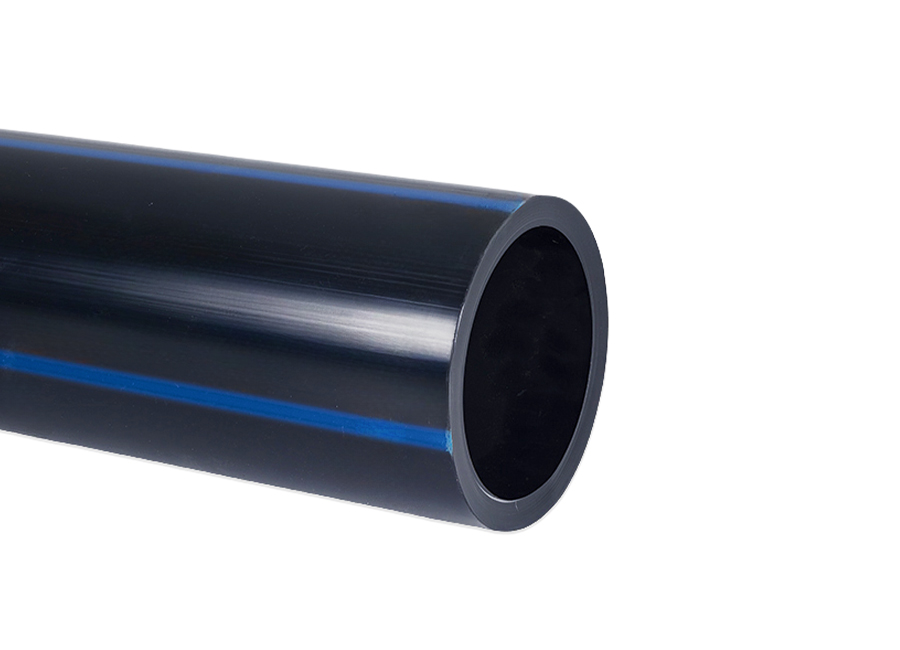
- HDPE Pipe: The core product for underground water supply and pressure distribution. Manufactured from high-density polyethylene with strong corrosion resistance, high pressure tolerance, and a long design service life. Suited for municipal water mains, industrial pipelines, fire protection networks, and trenchless rehabilitation projects.
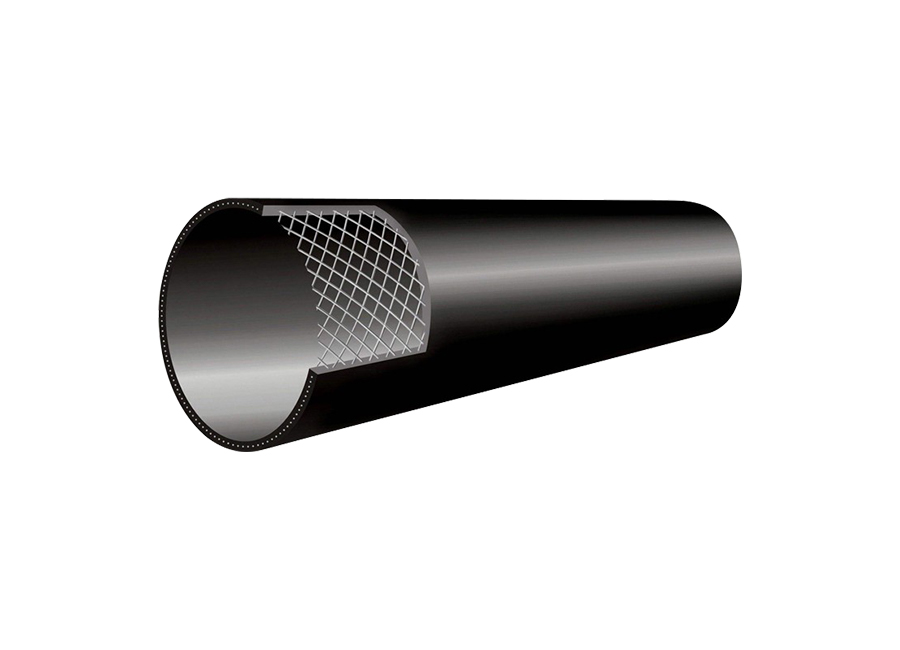
- SRTP (Steel-Reinforced Thermoplastic Pipe): A hybrid pipe combining a steel wire mesh reinforcement layer within a polyethylene matrix. This construction delivers exceptional hoop strength and pressure capacity for demanding engineering projects including construction fire protection systems and critical buried infrastructure where higher working pressures are required.
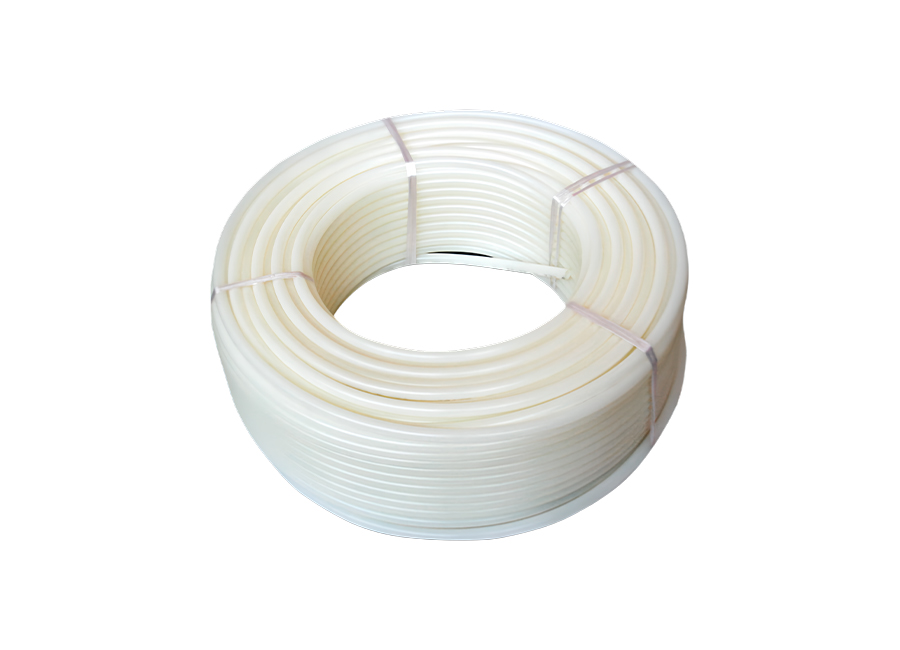
- PERT Pipe (Polyethylene of Raised Temperature resistance): Engineered for domestic hot water supply and hydronic floor heating systems. PERT offers flexibility, durability at elevated temperatures, and reliable long-term performance in building services applications where standard PE pipe would be unsuitable.
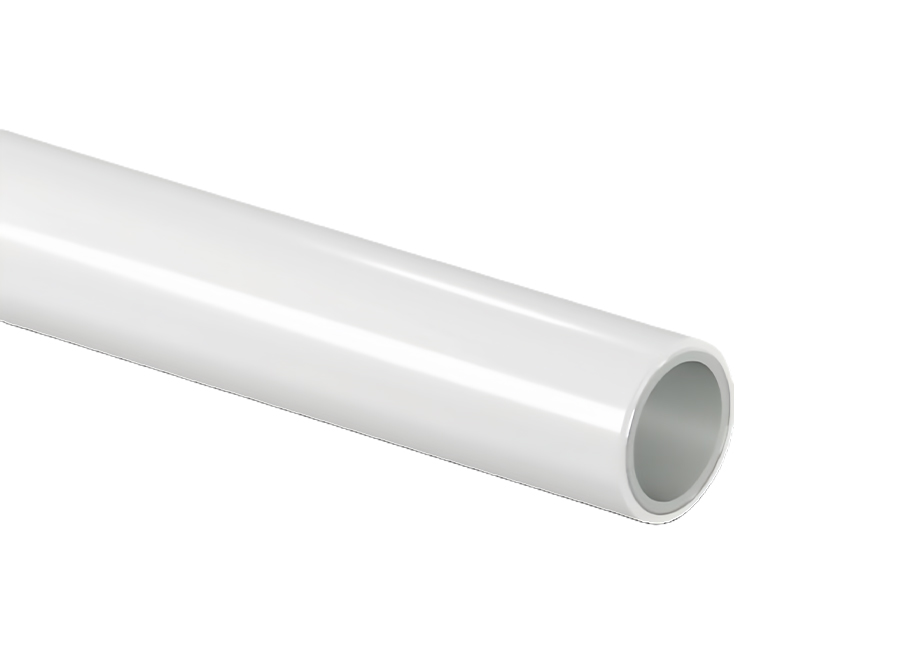
- PERT Aluminum-Plastic Composite Pipe: An advanced multi-layer construction combining PERT inner and outer layers with a welded aluminum interlayer. This design provides the flexibility of plastic with the dimensional stability of metal — ideal for domestic water supply, radiant heating manifolds, and other hot water applications where thermal expansion must be controlled.
| Product | Base Material | Key Strength | Primary Applications |
|---|---|---|---|
| HDPE Pipe | High-density polyethylene | Corrosion resistance, fusion jointing, long service life | Underground water supply, irrigation, gas distribution |
| SRTP | PE + steel wire mesh | High hoop strength, pressure capacity | Fire protection, critical buried infrastructure |
| PERT | Raised-temperature PE | Hot water resistance, flexibility | Domestic hot water, floor heating systems |
| PERT Aluminum Composite | PERT + aluminum interlayer | Dimensional stability, thermal expansion control | Domestic water supply, radiant heating manifolds |
All products in the Huada range are available in a wide selection of sizes and PE Pipe Pressure Rating classes, and can be customized to meet the specific requirements of individual projects — whether the application is potable water transportation, agricultural irrigation, or industrial gas distribution.
PE Pipe vs Alternative Materials: A Practical Comparison
For engineers and procurement teams evaluating material options for underground water projects, the following comparison highlights where PE Pipe consistently outperforms conventional alternatives on factors that matter most over the full project lifecycle:
| Parameter | PE Pipe | Ductile Iron | PVC | Concrete |
|---|---|---|---|---|
| Corrosion resistance | Excellent | Poor (requires coating) | Good | Moderate |
| Seismic performance | Excellent | Moderate | Poor–Moderate | Poor |
| Joint leak potential | Very low (fusion) | Moderate (gasket) | Moderate (gasket) | High |
| Design service life | 50+ years | 30–50 years | 25–50 years | 30–50 years |
| Installation weight | Very light | Heavy | Light–Moderate | Very heavy |
| Trenchless suitability | Excellent | Limited | Moderate | Not suitable |
Installation Best Practices for Underground PE Water Pipe
Correct installation practice is as important as material selection in determining the long-term performance of an Underground PE Water Pipe system. The following practices are industry-standard requirements:
- Bedding and embedment: Lay pipe on a 150 mm minimum compacted granular bedding layer. Use selected granular fill (particle size typically less than 20 mm) for the embedment zone up to 300 mm above the pipe crown. Avoid angular rock or debris in direct contact with the pipe wall.
- Minimum cover depth: For potable water mains, a minimum cover of 900 mm (or greater per local standards) is required to protect against traffic loading and frost penetration in cold climates.
- Fusion jointing quality control: All butt fusion and electrofusion joints must be made by a trained and certified operator using calibrated equipment. Record jointing parameters (temperature, pressure, time) for each joint in the project quality register.
- Pressure testing: Test the completed system to 1.5 times the maximum operating pressure for a minimum holding period of one hour before backfill is completed to final grade. Any joint showing visible deformation or leakage must be cut out and remade.
- Allowance for thermal expansion: Above-ground sections and exposed pipe runs must accommodate thermal movement. Underground installations are largely restrained by the surrounding soil, but entry points into structures and valve chambers require flexible connectors.
Frequently Asked Questions
Q1: What is the typical design service life of underground PE pipe for water supply?
A: PE100 HDPE Pipe For Water Supply is designed to a minimum service life of 50 years at rated pressure and 20°C operating temperature, in accordance with ISO 9080 extrapolation methodology. Many installed systems have been in continuous service for over 40 years with no pipe body failures, and industry data supports the expectation of 60+ year performance in typical cold-water distribution service.
Q2: How is PE Pipe Pressure Rating determined, and what does SDR mean?
A: The PE Pipe Pressure Rating (PN, in bar) is calculated from the material's MRS value, the SDR (Standard Dimension Ratio — outside diameter divided by minimum wall thickness), and a design coefficient of safety (C = 1.25 for water). A lower SDR means a thicker wall and a higher pressure rating. For example, PE100 SDR 11 is rated to PN20 (20 bar) for cold water service — appropriate for high-pressure transmission mains and fire protection systems.
Q3: Can PE pipe be used for hot water supply as well as cold water?
A: Standard HDPE pipe is rated for cold water (up to 20°C continuous service). For domestic hot water supply and floor heating, PERT pipe or PERT aluminum-plastic composite pipe — both available in the Huada product range — are the correct specifications. These grades maintain mechanical integrity at elevated temperatures (up to 70–95°C depending on the grade and pressure), where standard PE pipe would experience accelerated creep and reduced pressure capacity.
Q4: What jointing methods are available for Underground PE Water Pipe installation?
A: The primary methods are butt fusion (for pipe-to-pipe and pipe-to-fitting connections in diameters typically above 63 mm), electrofusion (using couplers and fittings with embedded resistance wire — suitable for all sizes and repair work), and socket fusion (for smaller diameter connections). All three methods produce a fully leak-free joint without gaskets. Mechanical compression fittings are also available for service connections and where heat fusion equipment is impractical.
Q5: Does Jiangyin Huada offer customized PE pipe specifications for OEM projects?
A: Yes. As a professional OEM PE Pipe manufacturer and factory, Jiangyin Huada offers customized production across the full Huada PE Pipe Series — including HDPE, SRTP, PERT, and PERT aluminum-plastic composite pipes — in a wide range of diameters, wall thicknesses, and pressure classes. Products can be tailored to meet specific project standards, dimensional requirements, and color coding conventions. Customers are encouraged to contact Huada directly to discuss technical requirements and supply arrangements.