English
 中文简体
中文简体 русский
 عربى
عربى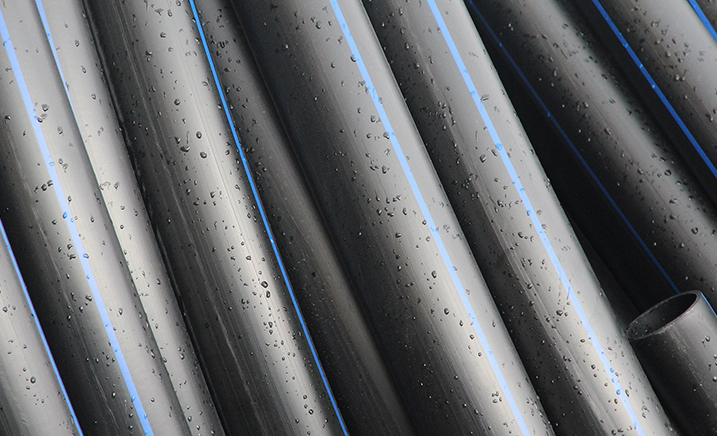
Content
- 1 What Is PE Pipe
- 2 Common Types of PE Pipe
- 3 Key Properties of PE Pipe
- 4 PE Pipe Size Chart and Pressure Rating Reference
- 5 How SDR Affects Pressure Rating
- 6 Where PE Pipe Is Used
- 7 How PE Pipes Are Connected
- 8 How to Select the Correct PE Pipe Size
- 9 About Jiangyin Huada
- 10 Frequently Asked Questions
- 10.1 Q1: What is PE pipe used for
- 10.2 Q2: What is the difference between PE and HDPE pipe
- 10.3 Q3: How long does PE pipe last
- 10.4 Q4: Is PE pipe safe for drinking water
- 10.5 Q5: What materials are PE pipes made from
- 10.6 Q6: How do I select the correct PE pipe size
- 10.7 Q7: What pressure can PE pipe withstand
- 10.8 Q8: What is SDR in PE pipe
- 10.9 Q9: Can PE pipes be used underground
- 10.10 Q10: How are PE pipes connected
What Is PE Pipe
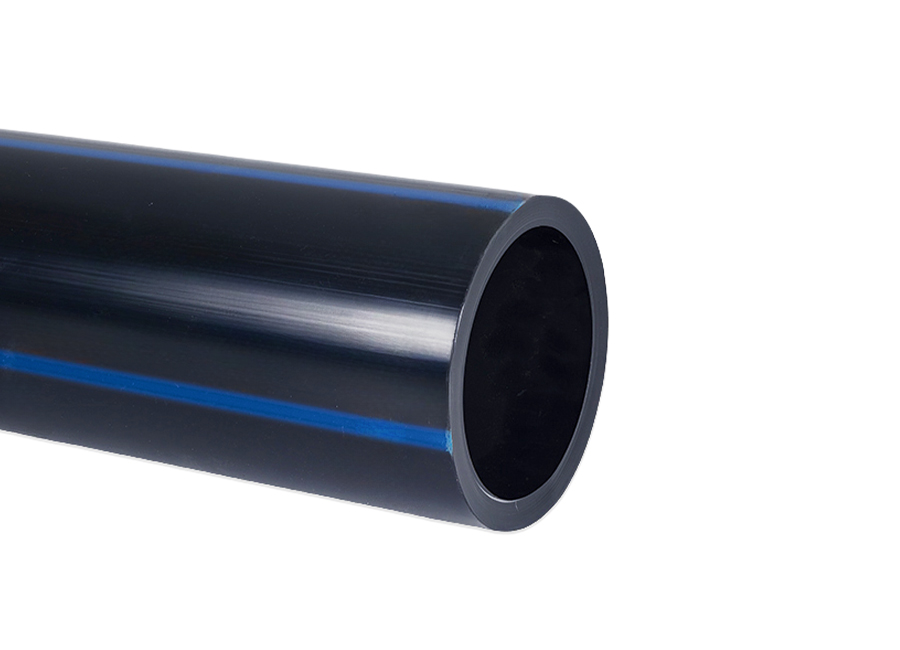
PE pipe is a plastic pipe made from polyethylene resin, produced in several formulations such as HDPE, SRTP, PERT, and PERT aluminum-plastic composite pipe, each suited to different pressure, temperature, and installation requirements. Because polyethylene resists corrosion, holds up under pressure, and stays flexible during installation, PE pipe is commonly selected for drinking water supply, gas distribution, irrigation systems, mining pipelines, and general industrial fluid transportation.
This guide walks through the common types of PE pipe, how size and pressure ratings are determined, where PE pipe is typically installed, and answers to the questions asked most often by buyers and installers.
Common Types of PE Pipe
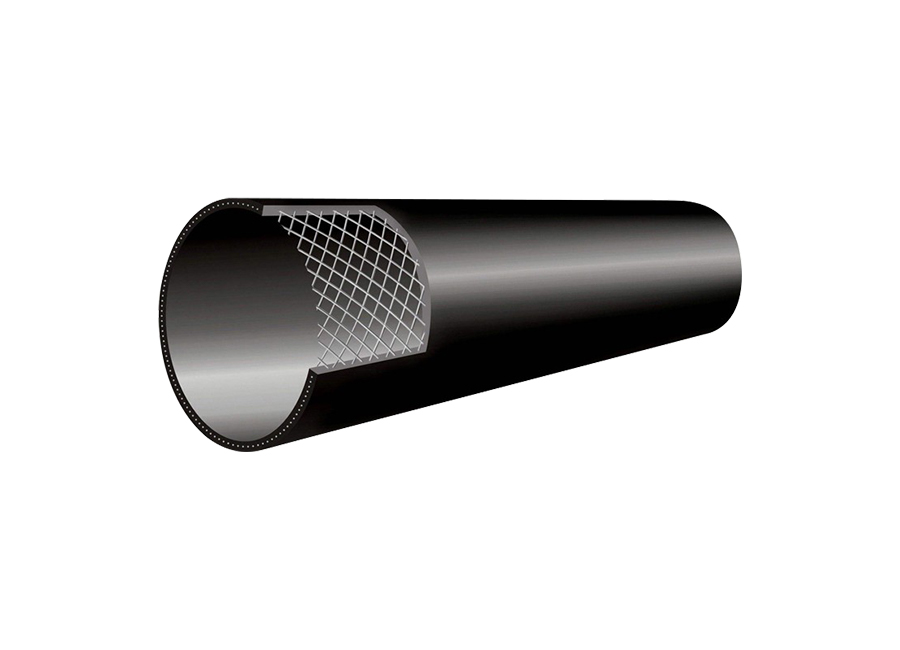
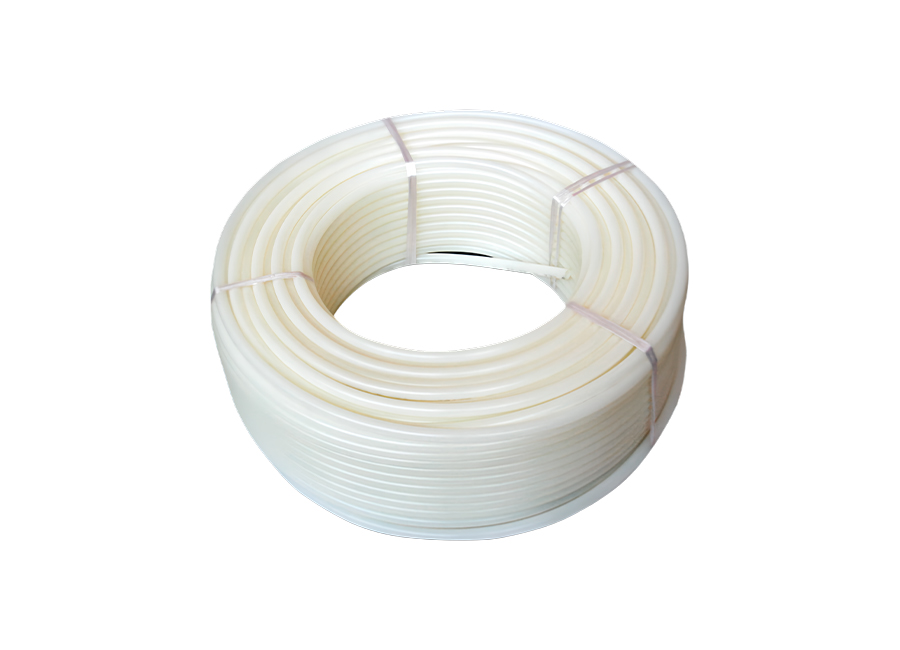
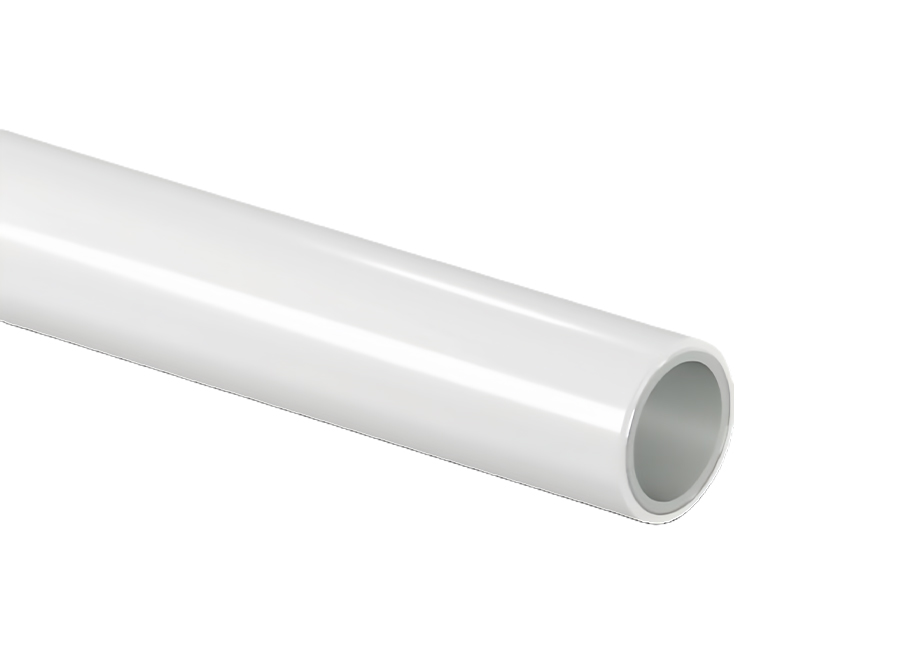
Not every PE pipe is built the same way. HDPE and SRTP pipe are generally chosen for demanding engineering projects, including construction fire protection systems and underground pipelines, since they hold up well under high pressure and resist corrosion. PERT and PERT aluminum-plastic composite pipe are designed more for domestic water supply, floor heating systems, and other hot water applications, offering flexibility and resistance to elevated temperatures.
| Pipe Type | Typical Application |
|---|---|
| HDPE pipe | Underground pipelines, water transportation, general engineering projects |
| SRTP pipe | Construction fire protection systems and pressure critical infrastructure |
| PERT pipe | Domestic water supply and floor heating systems |
| PERT aluminum-plastic composite pipe | Hot water applications requiring added flexibility and dimensional stability |
Typical PE Pipe Type Selection Across Common Projects
Figures represent general project distribution patterns and are shown for illustrative comparison only.
Key Properties of PE Pipe
High Flexibility
PE pipe bends and maneuvers around obstacles during installation more easily than rigid pipe materials, which can simplify routing around existing structures.
Chemical Resistance
PE pipe resists corrosion from a wide range of substances, which supports its use for water, irrigation, and general fluid transportation applications.
Impact Resistance
PE pipe withstands impacts during transportation, handling, and installation, reducing the chance of damage before the pipe is ever placed in service.
Long Service Life
PE pipe is designed to withstand degradation caused by environmental factors, including UV exposure and temperature fluctuations, supporting a long operating life once installed.
PE Pipe Compared With Traditional Metal Pipe
Ratings are relative and intended for general comparison; actual performance varies by exact material grade and project conditions.
PE Pipe Size Chart and Pressure Rating Reference
PE pipe size is described by nominal diameter, while pressure capacity is described using the standard dimension ratio, commonly written as SDR. SDR compares pipe diameter to wall thickness, so a lower SDR number means a thicker wall relative to diameter and a higher pressure rating, while a higher SDR number means a thinner wall and a lower pressure rating.
| SDR Class | Approx Max Operating Pressure |
|---|---|
| SDR 11 | Around 16 bar |
| SDR 13.6 | Around 12.5 bar |
| SDR 17 | Around 10 bar |
| SDR 21 | Around 8 bar |
| SDR 26 | Around 6 bar |
PE Pipe Pressure Rating Chart by SDR Class
Approximate reference values only; actual pressure rating depends on resin grade, temperature, and specific pipe design.
How SDR Affects Pressure Rating
As SDR increases, wall thickness decreases relative to pipe diameter, and pressure rating drops accordingly. This general downward trend is a useful reference point when comparing PE pipe options for a project, since it shows why a thicker walled pipe is often specified for higher pressure service.
General Trend Between SDR Class and Pressure Rating
Y axis represents approximate maximum operating pressure in bar; values are general reference figures only.
Where PE Pipe Is Used
PE pipe is applied across a wide range of water, fluid, and drainage projects, largely because the material combines flexibility with corrosion resistance across many different soil and chemical conditions.
| Application | Typical Use |
|---|---|
| PE pipe for irrigation system | Distributing water across agricultural fields with flexible, corrosion resistant piping |
| PE pipe for agricultural water supply | Supplying water to farm facilities and livestock operations |
| PE pipe for underground water lines | Buried water distribution lines that benefit from corrosion resistance and flexibility |
| PE pipe for mining applications | Transporting process water, slurry, or tailings in mining operations |
| PE pipe for industrial water system | Moving process water and industrial fluids within plant piping systems |
| PE pipe for geothermal system | Circulating fluid through ground loop piping in geothermal heating and cooling systems |
| PE pipe for drainage system | Carrying storm water or wastewater away from buildings and infrastructure |
How PE Pipes Are Connected
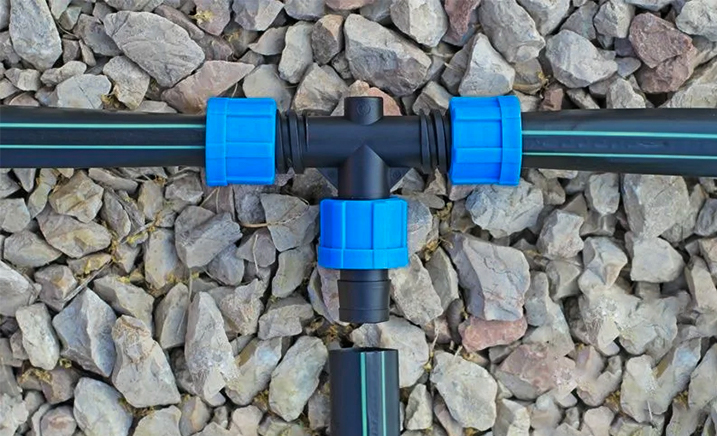
PE pipe sections are typically joined using one of three methods, chosen based on pipe size, pressure requirements, and site conditions.
- Butt fusion, where pipe ends are heated and pressed together to form a continuous joint, commonly used for larger diameter pipe.
- Electrofusion, where a fitting with an embedded heating element fuses to the pipe surface, often used in tighter spaces or smaller diameters.
- Mechanical fittings, which join pipe sections without heat fusion and are often used for repairs or connections to valves and other fixed components.

How to Select the Correct PE Pipe Size
- Confirm the required flow rate and velocity for the application to help determine the internal diameter needed.
- Check the operating pressure of the system and match it against the SDR class and pressure rating reference.
- Consider the installation environment, including whether the pipe will be buried, exposed, or used in a hot water system.
- Review chemical compatibility between the transported fluid and the pipe material.
- Confirm the preferred connection method, since butt fusion, electrofusion, and mechanical fittings each fit different site conditions.
About Jiangyin Huada
Jiangyin Huada produces a range of PE pipe products, including HDPE, SRTP, PERT, and PERT aluminum-plastic composite pipe, alongside color masterbatch used across the plastics industry. HDPE and SRTP pipe are generally applied to demanding engineering projects such as construction fire protection systems and underground pipelines, while PERT and PERT aluminum-plastic composite pipe are designed for domestic water supply, floor heating systems, and other hot water applications.
As an OEM PE pipe manufacturer and PE pipe factory, the company offers pipe in various sizes and pressure ratings that can be adjusted to project requirements, supporting applications across water transportation, irrigation, and gas distribution.
Frequently Asked Questions
Q1: What is PE pipe used for
PE pipe is used for drinking water supply, gas distribution, irrigation systems, mining pipelines, and general industrial fluid transportation.
Q2: What is the difference between PE and HDPE pipe
HDPE pipe is a specific high density type within the broader PE pipe family, generally chosen for higher pressure and more demanding engineering applications compared with other PE formulations.
Q3: How long does PE pipe last
Service life depends on operating pressure, temperature, installation quality, and environmental exposure, with properly installed PE pipe generally offering a long operating life under normal conditions.
Q4: Is PE pipe safe for drinking water
PE pipe manufactured for potable water applications is designed and formulated specifically for drinking water supply systems, distinct from pipe grades intended for other industrial uses.
Q5: What materials are PE pipes made from
PE pipe is made from polyethylene resin, with different formulations such as HDPE, PERT, and PERT aluminum-plastic composite adjusting the raw material blend for specific performance needs.
Q6: How do I select the correct PE pipe size
Pipe size is generally selected based on required flow rate, operating pressure, installation environment, and the SDR class that matches the pressure rating needed for the project.
Q7: What pressure can PE pipe withstand
Pressure capacity depends on the SDR class and pipe diameter, with common PE pipe pressure ratings ranging from around 6 bar to 16 bar depending on wall thickness.
Q8: What is SDR in PE pipe
SDR, or standard dimension ratio, compares pipe diameter to wall thickness, with a lower SDR number indicating a thicker wall and a higher pressure rating.
Q9: Can PE pipes be used underground
PE pipe is widely used for underground water lines and buried infrastructure, since it resists corrosion from soil conditions and tolerates ground movement better than more rigid pipe materials.
Q10: How are PE pipes connected
PE pipe sections are typically joined using butt fusion, electrofusion, or mechanical fittings, depending on pipe size, pressure requirements, and site conditions.