English
 中文简体
中文简体 русский
 عربى
عربى
Content
- 1 Is PVC Pipe Safe for Drinking Water Systems?
- 2 Why PVC Pipe Is Considered Safe for Potable Water
- 3 PVC Pipe vs CPVC Pipe: Key Differences
- 4 How Long Does PVC Pipe Last?
- 5 PVC Pipe Pressure Ratings by Schedule
- 6 Where PVC Pipe Is Used Across Applications
- 7 PVC Pipe vs HDPE Pipe: Performance Comparison
- 8 Connecting and Installing PVC Pipe
- 9 About Jiangyin Huada
- 10 Frequently Asked Questions About PVC Pipe
- 10.1 Q1. What is PVC pipe used for?
- 10.2 Q2. How long do PVC pipes last?
- 10.3 Q3. Is PVC pipe safe for drinking water?
- 10.4 Q4. What is the difference between PVC and CPVC?
- 10.5 Q5. What is Schedule 40 PVC pipe?
- 10.6 Q6. Can PVC pipes be used underground?
- 10.7 Q7. Is PVC resistant to chemicals?
- 10.8 Q8. How do you connect PVC pipes?
- 10.9 Q9. What pressure can PVC pipes withstand?
Is PVC Pipe Safe for Drinking Water Systems?
Yes, PVC pipe manufactured to potable water grade formulations is widely used and generally considered safe for drinking water systems. Modern PVC water pipe products rely on rigid, lead-free compounds without the plasticizers found in flexible PVC items, and this rigid PVC formulation has supported municipal and residential water infrastructure for several decades.
PVC pipe belongs to the broader plastic pipe family, and its combination of chemical resistance, smooth interior surface, and long service life is why it remains one of the most common materials specified for water supply, drainage, and irrigation piping around the world.
The sections below walk through why PVC water pipe is considered safe for potable use, how it compares with other plastic pipe options, and what to expect in terms of pressure rating, service life, and installation.
| 50+ YearsTypical Service Life | Lead-FreePotable Grade Formulation | Sch 40 / Sch 80Common Pressure Classes |
Why PVC Pipe Is Considered Safe for Potable Water
Safety for drinking water use comes down to a few material properties working together, rather than any single feature on its own.
Lead-Free Water Grade Formulation
Potable water grade PVC pipe is produced from rigid compounds that do not include the plasticizers used in flexible PVC products, and water grade formulations are developed specifically for contact with drinking water rather than general purpose plastic pipe use.
Smooth Interior Surface and Low Friction
The smooth bore of PVC pipe reduces scale buildup and resists the buildup of biofilm compared with some older pipe materials, which supports consistent water flow and water quality over the service life of the system.
Corrosion and Scale Resistance
Because PVC does not corrode the way metal piping can, it avoids the rust and corrosion byproducts that sometimes affect water taste, clarity, and long term pipe wall thickness in metal systems.
PVC Pipe vs CPVC Pipe: Key Differences
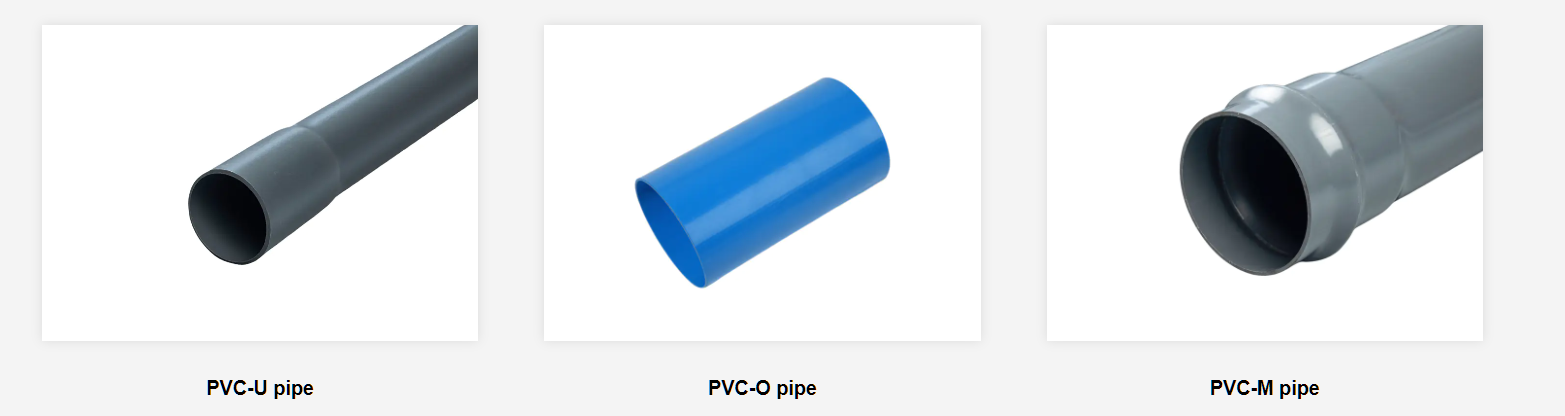
PVC and CPVC are often confused since they share a similar look, but they are formulated for different temperature ranges and applications.
| Aspect | PVC Pipe | CPVC Pipe |
|---|---|---|
| Typical Temperature Range | Up to around 60C for pressure use | Up to around 93C for pressure use |
| Common Application | Cold water supply, drainage, irrigation | Hot and cold water supply lines |
| Material Color | Typically white or grey | Typically cream or tan |
| Relative Rigidity | Rigid, standard wall thickness options | Rigid, slightly more heat resistant compound |
How Long Does PVC Pipe Last?
Service life is one of the most common questions asked about plastic pipe systems, and PVC generally holds up well when installed correctly and kept within its rated temperature and pressure range.
This is a general reference pattern rather than a single lab measurement, and it reflects why PVC pipe is often associated with a service life of 50 years or more under normal operating conditions, with only gradual change over that span when installation and pressure ratings are respected.
PVC Pipe Pressure Ratings by Schedule
Pressure rating depends on wall thickness, which is what the schedule or class designation actually describes. Thicker walled pipe of the same outer diameter carries a higher pressure rating.
These figures reflect typical ratings for common pipe diameters, and actual pressure rating decreases as nominal pipe diameter increases, so the specification sheet for the exact size in use should always guide final selection.
Where PVC Pipe Is Used Across Applications
PVC piping shows up across a wide mix of water related infrastructure, largely because the same chemical resistance and smooth bore that make it suitable for drinking water also help in drainage and irrigation settings.
PVC pipe for water supply and PVC drainage pipe applications remain the most common categories, while PVC pipe for irrigation systems and electrical conduit round out much of the remaining demand.
PVC Pipe vs HDPE Pipe: Performance Comparison
PVC and HDPE are both common plastic pipe materials, and each brings a different balance of strengths depending on the application.
PVC generally leads on chemical resistance and installation ease thanks to solvent cement joining, while HDPE tends to offer more impact flexibility and better performance in applications with frequent ground movement or freeze conditions.
Connecting and Installing PVC Pipe
Installation method affects both joint reliability and how quickly a system can be assembled on site.
Solvent Cement Welding
Most rigid PVC pipe and fittings are joined using solvent cement, which chemically fuses the pipe and fitting surfaces into a single continuous joint once cured, commonly used for water supply and drainage lines alike.
Threaded and Mechanical Connections
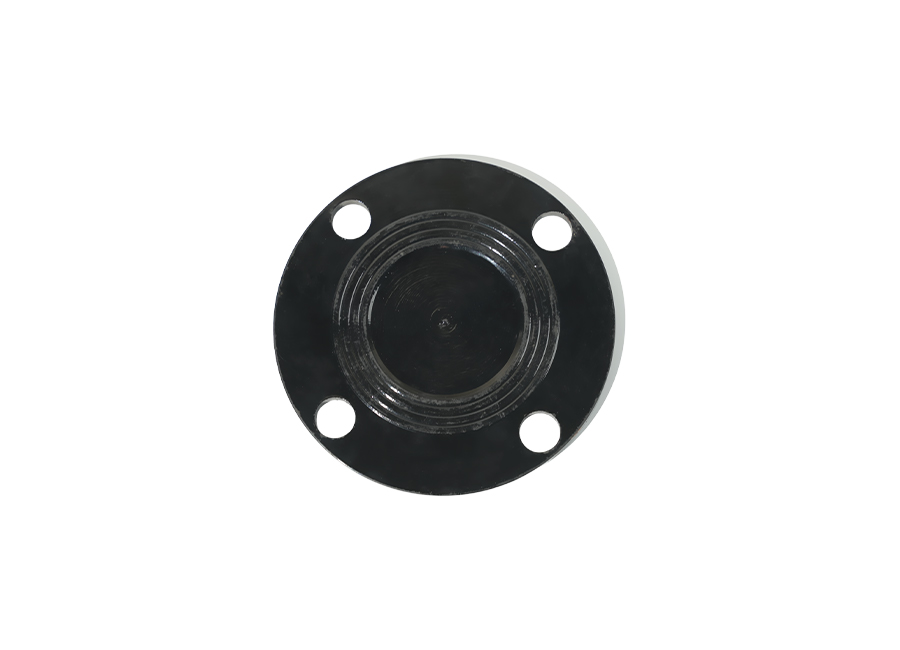
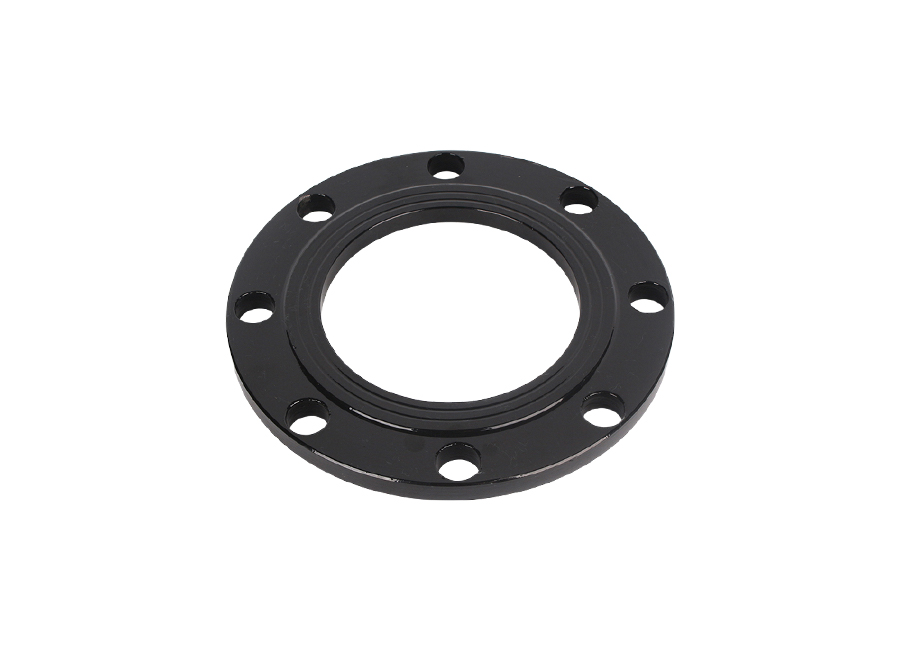
Threaded fittings, flanges, and mechanical couplings are used where a joint may need to be disassembled later, such as at pump connections or where PVC pipe transitions to metal piping. Buried PVC pipe used for water supply or irrigation is typically bedded in sand or fine fill and does not require special corrosion protection, unlike many metal pipe systems installed underground.
About Jiangyin Huada
Jiangyin Huada operates as a plastic pipe and fittings producer, with a PVC Pipe series built around resistance to corrosion, pressure, and chemicals for water supply, drainage, sewage, and irrigation applications. Pipes are produced with attention to durability and consistent wall thickness, supporting both residential and commercial plumbing projects.
The rigid PVC structure is intended to deliver long service life with minimal maintenance, while the lightweight design simplifies handling and installation on site. As an industrial PVC pipe supplier, sizes and pressure ratings can be adjusted to fit different project requirements, whether for water transportation, drainage, or agricultural irrigation.
Alongside its plastic pipe and fittings range, the company also produces color masterbatch, reflecting a broader focus on plastics manufacturing. Operating as an OEM PVC Pipe Manufacturer and a China PVC pipe factory, the business continues to expand its product diversity while placing emphasis on green practices and long term sustainable development.
As a PVC pipe supplier and PVC conduit pipe supplier, the company works with customers seeking chemical resistant PVC pipe and general purpose PVC piping for a range of construction and infrastructure projects.
Frequently Asked Questions About PVC Pipe
Q1. What is PVC pipe used for?PVC pipe is commonly used for water supply, drainage, sewage, irrigation, and electrical conduit applications in both residential and commercial settings. |
Q2. How long do PVC pipes last?PVC pipe is often associated with a service life of 50 years or more when installed correctly and kept within its rated pressure and temperature range. |
Q3. Is PVC pipe safe for drinking water?Potable water grade PVC pipe uses lead-free, rigid formulations developed for water contact and is widely used in drinking water infrastructure. |
Q4. What is the difference between PVC and CPVC?CPVC is formulated to handle higher temperatures than PVC, making it common for hot water lines, while PVC is generally used for cold water and drainage. |
Q5. What is Schedule 40 PVC pipe?Schedule 40 describes a common wall thickness and pressure rating standard for PVC pipe, generally rated to around 280 psi for common diameters. |
Q6. Can PVC pipes be used underground?Yes, PVC pipe is commonly buried for water supply, drainage, and irrigation lines, typically bedded in sand or fine fill during installation. |
Q7. Is PVC resistant to chemicals?PVC generally offers strong resistance to a wide range of chemicals, which is part of why it is used across water, drainage, and some industrial lines. |
Q8. How do you connect PVC pipes?Most rigid PVC pipe is joined using solvent cement, while threaded or mechanical fittings are used where a joint may need to be taken apart later. |
Q9. What pressure can PVC pipes withstand?Pressure rating depends on schedule and diameter, with common ratings ranging from around 160 psi up to 400 psi for smaller diameter Schedule 80 pipe. |
|