English
 中文简体
中文简体 русский
 عربى
عربى
Content
- 1 PVC Water Pipes for Drinking Water Systems: The Direct Answer
- 2 Understanding PVC Pipe Material And Construction
- 3 Why PVC Pressure Pipe Is Selected For Drinking Water Systems
- 4 Pipe Wall Structure And Joint Design Explained
- 5 Wall Thickness And Pressure Class Overview
- 6 Pressure Rating Comparison Across PVC Pressure Pipe Classes
- 7 Flow Capacity Trend By Nominal Pipe Diameter
- 8 Typical Application Distribution For PVC Water Pipe
- 9 Performance Comparison: PVC Pressure Pipe vs Standard PVC Drainage Pipe
- 10 Pipe Types And Material Grade Options
- 11 PVC Water Pipe Applications By Project Type
- 12 How To Choose The Right PVC Water Pipe Supplier And Product
- 13 Installation And Maintenance Best Practices
- 14 Working With A Professional PVC Water Pipe Supplier
- 15 Frequently Asked Questions
- 15.1 Q1: What is PVC pipe?
- 15.2 Q2: What are PVC pipes used for?
- 15.3 Q3: What types of PVC pipes are available?
- 15.4 Q4: Are PVC pipes suitable for drinking water?
- 15.5 Q5: How long do PVC pipes typically last?
- 15.6 Q6: What is the difference between PVC pressure pipe and drainage pipe?
- 15.7 Q7: What wall thickness is needed for drinking water supply?
- 15.8 Q8: Can PVC water pipe be used for irrigation systems?
- 15.9 Q9: How do I choose the right PVC water pipe supplier?
- 15.10 Q10: Can PVC pipes be custom manufactured for specific projects?
PVC Water Pipes for Drinking Water Systems: The Direct Answer
For drinking water systems, a PVC pressure pipe manufactured from potable water suitable PVC-U resin is generally the appropriate product selection, offering corrosion resistance, a smooth interior flow surface, and consistent pressure ratings across common residential and municipal supply pressures. Standard PVC drainage pipe and PVC irrigation pipe use different wall constructions optimized for non-pressurized or lower pressure flow, and they are not generally interchangeable with pressure rated drinking water pipe.
When sourcing from a PVC water pipe supplier for a drinking water project, the main considerations are the material grade of the resin, the pressure class matched to the system design pressure, wall thickness consistency, and joint method compatibility. This guide walks through pipe construction, structure, pressure class comparisons, common application patterns, and a practical selection framework for choosing the right product.
- PVC pressure pipe is generally the correct category for pressurized drinking water supply lines.
- Wall thickness and pressure class should always be matched to the actual system operating pressure.
- A qualified PVC drinking water pipe manufacturer will use resin formulations suited for potable water contact rather than general purpose compound.
- PVC drainage pipe, PVC irrigation pipe, and PVC pressure pipe serve different roles and should not be substituted for one another.
Understanding PVC Pipe Material And Construction
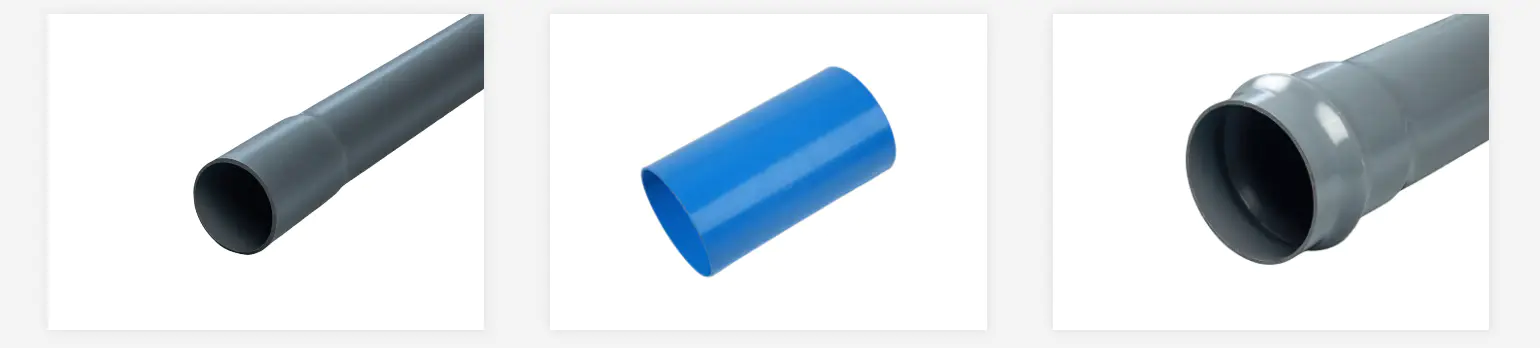
PVC pipe is produced from polyvinyl chloride resin combined with stabilizers and processing aids, then extruded into rigid pipe lengths of consistent wall thickness and diameter. The rigid structure of PVC pipe gives it strong resistance to corrosion, scaling, and chemical attack compared with many traditional metallic piping materials, which is part of why it has become such a widely used option across water supply, drainage, sewage, and irrigation projects.
Extrusion And Wall Consistency
During manufacturing, the resin compound is melted and forced through a die to form a continuous pipe with a uniform outer diameter and wall thickness. Consistent wall thickness is directly tied to pressure performance, so dimensional control during extrusion is one of the most important quality factors for any PVC water pipe intended for pressurized service.
Smooth Interior Surface
The interior bore of PVC pipe is naturally smooth, which keeps friction loss low and helps maintain steady flow rates over long pipe runs. This smooth bore also reduces the buildup of scale and sediment compared with some other piping materials, supporting more stable long term flow capacity.
Why PVC Pressure Pipe Is Selected For Drinking Water Systems
Drinking water distribution systems place specific demands on piping material, including resistance to internal water pressure, compatibility with potable water, and long term dimensional stability. PVC pressure pipe is generally well suited to these requirements when manufactured from a resin formulation intended for potable water contact.
Corrosion And Scale Resistance
Unlike metallic pipe, PVC pipe does not rust or corrode internally, which helps maintain consistent water quality and flow characteristics over the service life of the pipeline. This is a common reason municipal and residential drinking water projects continue to specify PVC water pipe for both new installation and pipeline replacement work.
Lightweight Handling And Installation
PVC pipe is considerably lighter than comparable metallic pipe of the same diameter, which generally simplifies handling, transport, and installation on site. Lighter pipe sections are easier to position and join, which can help installation crews maintain a steady project schedule.
Pipe Wall Structure And Joint Design Explained
The illustration below shows the general structure of a PVC pressure pipe segment and a socket joint connection, with the key dimensional and functional areas labeled for reference.
- 1. Outer Diameter (OD) - the overall outside measurement of the pipe, used to match fittings and sizing references.
- 2. Wall Thickness - the material thickness between the outer and inner surface, directly tied to pressure class.
- 3. Inner Bore (ID) - the internal flow passage diameter, which influences flow capacity.
- 4. Socket Joint Area - the enlarged section where a solvent weld or ring type joint connects two pipe lengths.
- 5. Pressure Class Marking - the printed reference on the pipe body identifying pressure rating and dimension class, applied by the manufacturer during production.
Wall Thickness And Pressure Class Overview
Pressure class and wall thickness move together, since a thicker pipe wall at a given diameter generally supports a higher rated working pressure. The table below outlines general relationships commonly seen across PVC pressure pipe classification.
| Pressure Class | Rated Working Pressure | Relative Wall Thickness | Typical Use Pattern |
|---|---|---|---|
| PN10 | 10 bar | Thinner | Low pressure residential branches |
| PN16 | 16 bar | Moderate | Standard residential and commercial supply |
| PN20 | 20 bar | Thicker | Municipal distribution mains |
| PN25 | 25 bar | Thickest | Higher pressure transmission lines |
Flow Capacity Trend By Nominal Pipe Diameter
Relative flow capacity generally increases with pipe diameter following the growth of internal cross sectional area. The chart below illustrates this general trend across common nominal diameters used in PVC water pipe systems.
This relative flow index follows the general scaling of internal cross sectional area with diameter, meaning a modest increase in nominal pipe size can meaningfully raise available flow capacity. Actual flow figures for a specific project should always be confirmed through proper hydraulic calculation for the system in question.
Typical Application Distribution For PVC Water Pipe
The column chart below shows a general, illustrative distribution of where PVC water pipe is commonly applied across project categories.
Municipal and residential drinking water distribution together account for the largest general share of PVC water pipe demand, followed by agricultural irrigation, drainage and sewage, and industrial piping applications.
Performance Comparison: PVC Pressure Pipe vs Standard PVC Drainage Pipe
The radar chart below compares general performance tendencies between pressure rated PVC pipe and standard non pressurized drainage pipe across six practical dimensions.
PVC pressure pipe generally shows a clear advantage in pressure handling and wall rigidity, which is why it is the correct category for pressurized drinking water supply lines. Standard drainage pipe still performs well on corrosion resistance and installation ease, reflecting its intended role in gravity fed, non pressurized systems.
Pipe Types And Material Grade Options
Several related PVC pipe types are available, each intended for a different role within a piping system. Understanding these categories helps avoid mismatched selection between a pressure rated line and a non pressurized drainage or conduit application.
| Pipe Type | Pressure Rated | Typical Role |
|---|---|---|
| PVC-U Pipe | Yes, in pressure grades | General water supply and pressure applications |
| CPVC Pipe | Yes | Hot and cold water plumbing lines |
| PVC Pressure Pipe | Yes | Drinking water supply and transmission mains |
| PVC Drainage Pipe | No | Gravity fed drainage and sewage systems |
| Conduit Pipe | No | Electrical cable protection and routing |
PVC Water Pipe Applications By Project Type
Looking at how PVC water pipe is used across different project categories helps clarify which product line and pressure class is generally appropriate.
Municipal And Residential Drinking Water
Distribution mains and household supply branches typically call for PVC pressure pipe matched to the local system operating pressure, sourced through a qualified PVC drinking water pipe manufacturer using potable water suitable resin.
Agricultural Irrigation Systems
PVC irrigation pipe carries water across field distribution networks, where lightweight handling and corrosion resistance help simplify installation across long buried or surface laid runs.
Drainage And Sewage Systems
PVC drainage pipe handles gravity fed wastewater and stormwater flow, using a wall construction suited to non pressurized service rather than the pressure rated wall of a supply line.
How To Choose The Right PVC Water Pipe Supplier And Product
Working through the following steps generally helps match the correct PVC water pipe product to a specific project.
- Confirm whether the application is pressurized supply, gravity drainage, or irrigation, since this determines the correct pipe category.
- Match the pressure class to the actual system operating pressure rather than selecting based on diameter alone.
- Confirm the resin grade is suitable for potable water contact when the project involves drinking water.
- Check wall thickness consistency and dimensional tolerance across the pipe lengths being supplied.
- Confirm the joint method, such as solvent weld or ring type joint, matches the fittings planned for the project.
- Discuss custom sizing with a custom PVC pipe manufacturer if the project requires diameters or lengths outside standard catalog offerings.
Installation And Maintenance Best Practices
Correct installation practice has a direct effect on the long term performance of any PVC water pipe system, regardless of the specific product line selected.
- Store pipe lengths on flat, level ground away from direct heat sources prior to installation.
- Clean and dry pipe ends and fittings thoroughly before applying solvent weld cement.
- Allow adequate cure time at solvent welded joints before pressurizing the line.
- Support buried pipe with proper bedding material to avoid point loading along the pipe length.
- Pressure test the completed system before placing it into regular service.
- Schedule periodic visual inspection of exposed piping and accessible joints as part of routine maintenance.
Working With A Professional PVC Water Pipe Supplier
Jiangyin Huada operates as a manufacturer of color masterbatch, plastic pipes, and pipe fittings, working across water supply, drainage, sewage, and irrigation piping applications. The company centers its operations around product diversity, consistent quality control, and environmentally considerate manufacturing practices within the pipe and pipeline industry.
As a PVC pipe manufacturer and PVC pipe supplier offering OEM production, Jiangyin Huada supports project teams that need a custom PVC pipe manufacturer relationship, matching diameter, wall thickness, pressure class, and material grade to a specific project specification. For drinking water projects, the company can be approached as a PVC drinking water pipe manufacturer supplying PVC pressure pipe manufactured from potable water suitable resin. The same production capability extends to PVC irrigation pipe manufacturer requests for agricultural supply lines and general PVC water pipe supplier needs across residential and municipal projects.
Rigid PVC pipe from this product range is designed with chemical resistance and low interior friction, supporting both residential and commercial plumbing systems, while its lightweight structure is intended to ease handling and installation across water transport, drainage, and agricultural irrigation projects.
Frequently Asked Questions
Q1: What is PVC pipe?
PVC pipe is a plastic piping product made from polyvinyl chloride, widely used for water supply, drainage, irrigation, and industrial applications.
Q2: What are PVC pipes used for?
Common uses include water supply systems, drainage systems, sewage pipelines, irrigation, electrical conduit, and general industrial piping.
Q3: What types of PVC pipes are available?
Common types include PVC-U pipe, CPVC pipe, PVC pressure pipe, PVC drainage pipe, and PVC conduit pipe.
Q4: Are PVC pipes suitable for drinking water?
Yes, PVC pipe manufactured from a potable water suitable resin grade can be used for drinking water systems, typically under the PVC pressure pipe category.
Q5: How long do PVC pipes typically last?
PVC pipes commonly deliver long service life depending on installation conditions, operating pressure, environmental exposure, and ongoing maintenance.
Q6: What is the difference between PVC pressure pipe and drainage pipe?
PVC pressure pipe is built with a wall thickness rated for pressurized flow, while standard drainage pipe is designed for gravity fed, non pressurized service.
Q7: What wall thickness is needed for drinking water supply?
The correct wall thickness depends on the pressure class required for the specific system, which should be matched to the actual operating pressure of the line.
Q8: Can PVC water pipe be used for irrigation systems?
Yes, PVC irrigation pipe is a common choice for agricultural distribution networks due to its lightweight structure and corrosion resistance.
Q9: How do I choose the right PVC water pipe supplier?
Look for a supplier that can confirm resin grade, pressure class options, dimensional consistency, and support for project specific sizing requirements.
Q10: Can PVC pipes be custom manufactured for specific projects?
Yes, a custom PVC pipe manufacturer can typically produce pipe matched to specific diameter, wall thickness, pressure class, and length requirements.