English
 中文简体
中文简体 русский
 عربى
عربى
Content
- 1 The Short Answer: Check Material Grade, Pressure Rating, And Production Consistency First
- 2 What PVC Pipe Is And Why Material Grade Matters
- 3 Pressure Ratings And Wall Thickness Options To Compare
- 4 Expected Service Life And Installation Environment
- 5 Common Applications Across Water And Industrial Systems
- 6 Comparing PVC Pipe Performance Dimensions At A Glance
- 7 How PVC Pipes Are Typically Joined
- 8 PVC Versus UPVC: What The Difference Means For Your Project
- 9 What To Check When Comparing A PVC Pipe Manufacturer For Bulk Orders
- 10 About Jiangyin Huada As A PVC Pipe Manufacturer
- 11 Frequently Asked Questions About PVC Pipe
- 11.1 Q1. What is PVC pipe used for
- 11.2 Q2. Is PVC pipe safe for drinking water
- 11.3 Q3. What sizes are available
- 11.4 Q4. How long does PVC pipe last
- 11.5 Q5. Can PVC pipe be used underground
- 11.6 Q6. What pressure can PVC pipe withstand
- 11.7 Q7. What is the temperature limit of PVC pipe
- 11.8 Q8. How do you join PVC pipes
- 11.9 Q9. Can PVC pipe be used for hot water
- 11.10 Q10. What is the difference between PVC and UPVC
The Short Answer: Check Material Grade, Pressure Rating, And Production Consistency First
Choosing a reliable PVC Pipe manufacturer generally comes down to three checks, confirming the material grade used in production, reviewing the pressure rating and wall thickness options available, and verifying that the manufacturer can hold consistent dimensions across large production runs. A manufacturer who can clearly explain material grade, pressure class options, and dimensional tolerance is usually the one worth building a long term supply relationship with. These three checks matter because a PVC pipe that looks correct on a spec sheet can still cause installation problems if wall thickness or roundness varies between batches.
The sections below cover pressure ratings, expected service life, common applications, joining methods, the difference between PVC and UPVC, and what to check when comparing a PVC pipe manufacturer for a bulk or OEM order.
- Confirm the material grade and whether it matches the intended application, such as water supply or drainage
- Review pressure class options against your project design requirements
- Ask about dimensional tolerance and batch to batch consistency
- Check production capacity and whether custom sizes or OEM packaging are available
What PVC Pipe Is And Why Material Grade Matters
Rigid Structure And Chemical Resistance
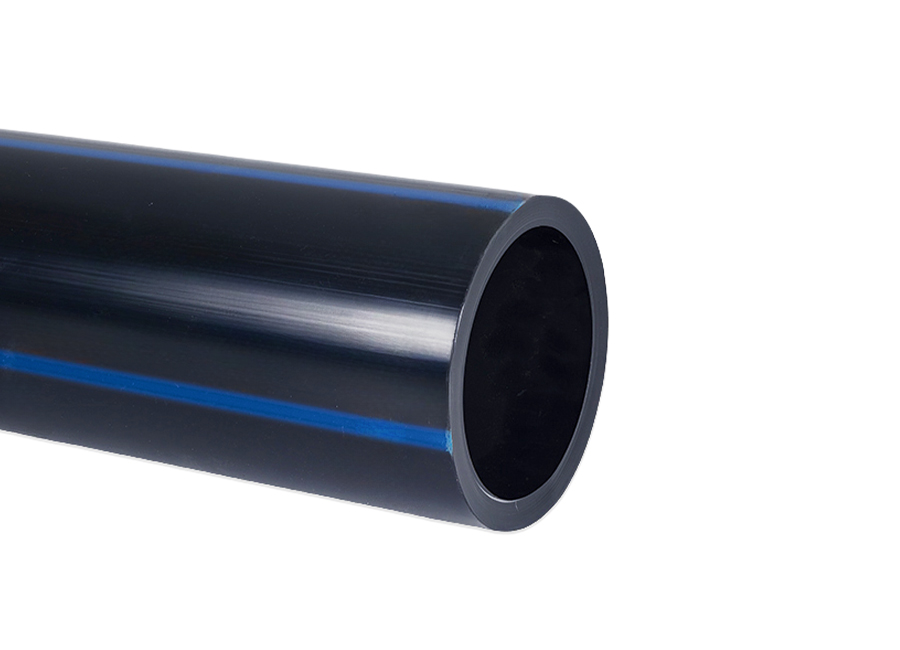
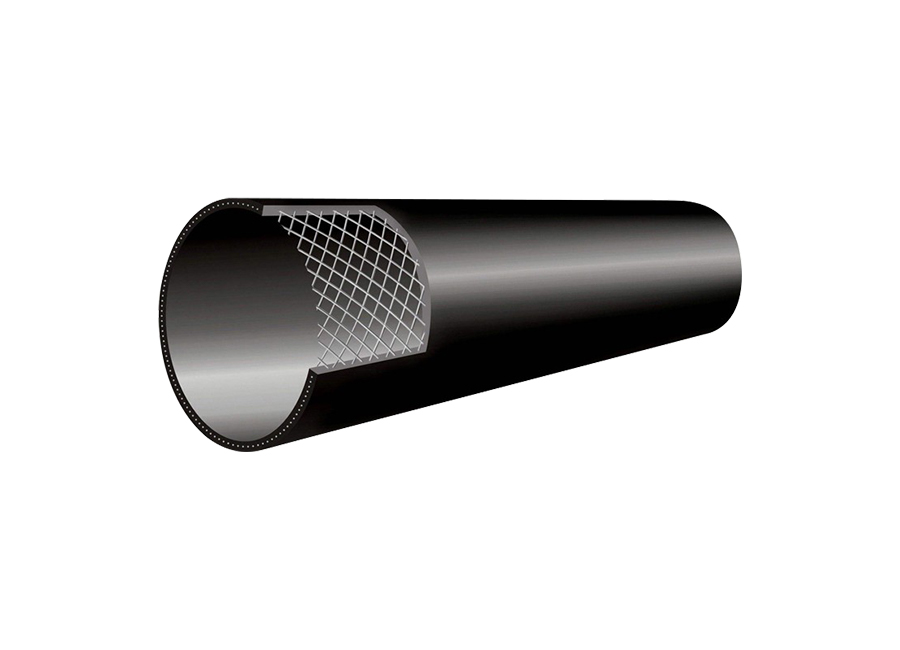
PVC pipe is made from a rigid form of polyvinyl chloride that resists corrosion, common waterborne chemicals, and the gradual wear that affects some metal piping over time. This rigid structure combined with a smooth interior surface is why PVC pipe is widely used for water supply, drainage, sewage, and irrigation systems where consistent flow and low maintenance matter. The lightweight nature of PVC pipe also makes handling and installation more straightforward compared with heavier pipe materials.
Why Material Grade Affects Long Term Performance
Material grade determines how a pipe performs under sustained pressure and how well it resists cracking under mechanical stress. A lower grade material may look similar on the outside, but it can behave very differently once installed under real operating pressure and temperature conditions, which is why buyers sourcing an industrial PVC pipe manufacturer usually ask for material specifications rather than relying on appearance alone.
Pressure Ratings And Wall Thickness Options To Compare
Pressure rating and wall thickness are closely linked, since a thicker wall generally allows a pipe to handle higher internal pressure at a given diameter. Manufacturers typically offer several duty classes so buyers can match pipe strength to the actual demands of the project rather than over specifying every line.
Bars represent a general relative comparison between duty classes and are not a substitute for the specific pressure rating on a product data sheet.
| Duty Class | General Wall Thickness Trait | Common Use Case |
|---|---|---|
| Standard Duty | Thinner wall relative to diameter | Low pressure drainage lines |
| Medium Duty | Moderate wall thickness | General water supply branches |
| Heavy Duty | Thicker wall for higher pressure | Main water supply lines |
| High Pressure Duty | Thickest wall in the general range | Industrial fluid handling systems |
Expected Service Life And Installation Environment
Properly installed PVC pipe is commonly associated with a long service life, and many industry references point to several decades of reliable performance under normal operating conditions. The exact figure depends heavily on installation quality, operating pressure, and how much the pipe is exposed to sunlight over its lifetime, since prolonged ultraviolet exposure is one of the main factors that can gradually affect PVC material.
Trend line is a general conceptual illustration of relative service life expectations and is not a measured performance guarantee.
Underground installation is one of the most common uses for PVC pipe, partly because burial naturally shields the material from direct sunlight while also providing mechanical protection from surface impact and temperature swings.
Common Applications Across Water And Industrial Systems
PVC pipe usage generally spans several major categories, with the specific product line chosen based on pressure needs, chemical exposure, and whether the system carries drinking water, wastewater, or industrial fluids.
Bars represent a general usage index based on common industry application patterns rather than a measured market statistic.
| Application | Common Consideration | Typical Selection Factor |
|---|---|---|
| Water Supply | Continuous pressure service | Higher duty class |
| Drainage | Gravity flow, lower pressure | Standard duty class |
| Sewage | Chemical and solids exposure | Corrosion resistant grade |
| PVC pipe for irrigation | Long buried runs, moderate pressure | Medium duty class |
| Industrial Systems | Variable chemical exposure | Application specific grade |
Comparing PVC Pipe Performance Dimensions At A Glance
Beyond a single pressure number, buyers generally weigh several performance dimensions together when comparing a PVC pipe supplier. The radar chart below gives a general illustrative profile of how a well made PVC pipe tends to score across six commonly referenced dimensions.
Scores illustrate a general performance shape for reference only and can shift depending on the specific grade and duty class being compared.
How PVC Pipes Are Typically Joined
Joining method affects both installation speed and long term seal reliability, so it is worth confirming which methods a manufacturer supports before finalizing an order.
- Solvent cement socket joints are common for pressure pipe, where a chemical bonding agent fuses the pipe and fitting together.
- Rubber ring push fit joints are frequently used for larger diameter drainage and sewage pipe, allowing some flexibility during installation.
- Threaded joints are used for smaller fittings and valve connections where sections may need to be removed later.
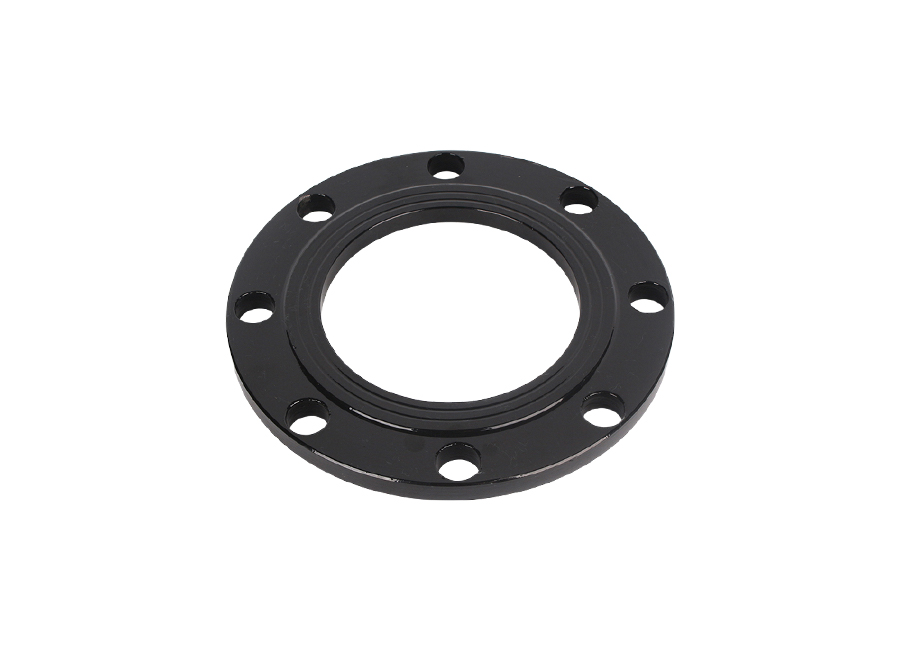
- Flanged joints are used where PVC pipe connects to metal pipework, pumps, or other equipment.
PVC Versus UPVC: What The Difference Means For Your Project
PVC broadly refers to polyvinyl chloride, which can be produced in either a plasticized flexible form or an unplasticized rigid form. UPVC specifically denotes the unplasticized version, which is the rigid material almost universally used for pressure pipe, drainage, and water supply systems, since flexibility is generally not a desirable property for structural piping. In everyday industry conversation, the terms PVC pipe and UPVC pipe are often used interchangeably, since nearly all rigid pipe products on the market fall into the unplasticized category. When comparing a UPVC pipe manufacturer against general PVC pipe listings, buyers are usually looking at the same rigid product family rather than two fundamentally different materials.
What To Check When Comparing A PVC Pipe Manufacturer For Bulk Orders
Bulk sourcing decisions carry more weight than a single unit purchase, since inconsistent quality across a large order can create problems across many installation sites at once. When comparing a PVC pipe supplier, buyers commonly review the following points.
- Production consistency across a China PVC pipe factory supplying multiple regions
- Availability of OEM PVC pipe manufacturer and custom PVC pipe supplier services for project specific sizing
- Wall thickness and roundness consistency across large production runs
- Range of duty classes available from an industrial PVC pipe supplier for different pressure needs
- Packaging suited to bulk freight without damage to pipe ends or fittings
- Technical support for sizing and application questions across water supply, drainage, and irrigation projects
About Jiangyin Huada As A PVC Pipe Manufacturer
Jiangyin Huada produces plastic pipes and fittings alongside color masterbatch products, with a long standing focus on the pipe and pipeline industry. The company's PVC Pipe line is manufactured using established production techniques suited for water supply, drainage, sewage, and irrigation systems, and is available across a range of sizes and pressure ratings to match different project requirements.
As an OEM PVC Pipe Manufacturer and PVC Pipe Factory, the company supports both standard catalog sizes and project specific configurations for customers sourcing PVC pipe for irrigation, water transport, or drainage applications. The company places emphasis on product diversity and consistent production quality, aiming to give bulk buyers a PVC pipe supplier that can support both everyday catalog orders and OEM production requests. Buyers comparing a China PVC pipe factory for ongoing supply can request technical specifications to confirm sizing and pressure rating before placing a production order.
Frequently Asked Questions About PVC Pipe
-
Q1. What is PVC pipe used for
PVC pipe is commonly used for water supply lines, drainage, sewage systems, agricultural irrigation, and various industrial fluid handling applications.
-
Q2. Is PVC pipe safe for drinking water
Pipe intended for potable water applications is generally manufactured using material formulations suited for that purpose, so it is best to confirm with the supplier that a specific product line is intended for drinking water use.
-
Q3. What sizes are available
PVC pipe is typically available across a wide range of diameters and pressure ratings, and many manufacturers can also produce custom sizes for specific project requirements.
-
Q4. How long does PVC pipe last
Properly installed PVC pipe is commonly associated with a long service life spanning several decades, though the actual figure depends on installation quality and exposure conditions.
-
Q5. Can PVC pipe be used underground
Yes, underground installation is one of the most common uses for PVC pipe, and burial also helps protect the material from long term sunlight exposure.
-
Q6. What pressure can PVC pipe withstand
Pressure capacity depends on the pipe class and wall thickness, with thicker walled and higher class pipe generally rated for greater pressure, so the product data sheet is the reliable reference.
-
Q7. What is the temperature limit of PVC pipe
PVC pipe pressure ratings are generally defined for cooler operating temperatures, and pressure capacity decreases as temperature rises, which limits its suitability for higher temperature service.
-
Q8. How do you join PVC pipes
Common joining methods include solvent cement socket joints, rubber ring push fit joints for larger diameters, threaded connections for fittings, and flanged joints for equipment connections.
-
Q9. Can PVC pipe be used for hot water
PVC pipe is generally not selected for hot water supply lines, since its pressure rating drops as temperature increases and other pipe materials are typically better suited for that use.
-
Q10. What is the difference between PVC and UPVC
UPVC refers specifically to unplasticized PVC, the rigid form used for nearly all pipe products, while PVC can also describe more flexible plasticized formulations used elsewhere.