English
 中文简体
中文简体 русский
 عربى
عربى
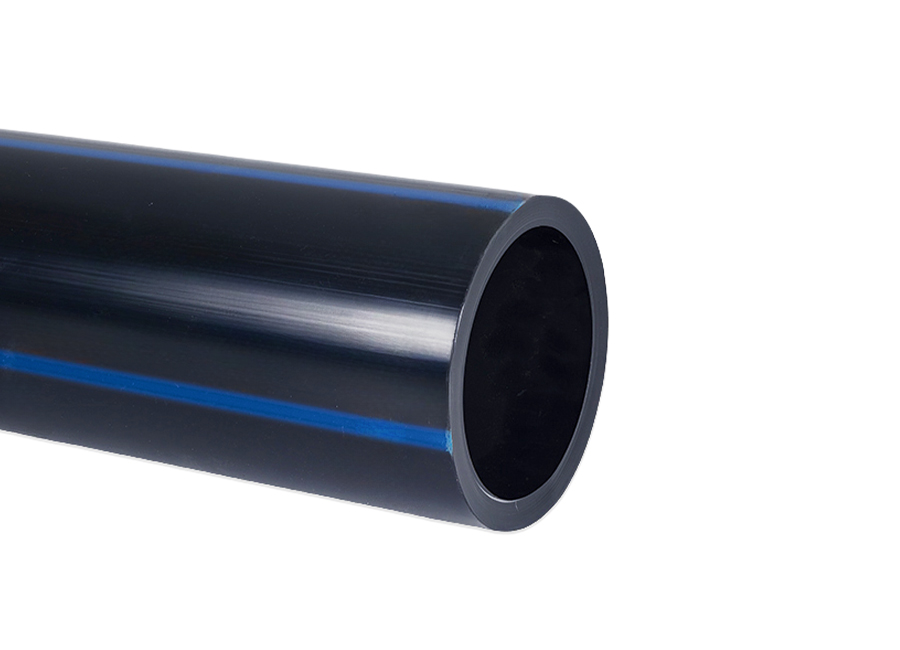
PE pipes, including HDPE pipe and other polyethylene pipe variants, are widely recognized for their exceptional durability. Under standard operating conditions, a quality PE pipe can last 50 years or more, with many HDPE water pipe installations documented to remain structurally sound for over 100 years in ideal environments. This longevity is one of the primary reasons contractors, engineers, and municipal planners consistently choose polyethylene pipe manufacturer products over traditional materials like steel, iron, or PVC.
The service life of a PE pipe is not a fixed number — it depends on pipe grade, wall thickness, installation method, operating pressure, temperature range, and the nature of the fluid transported. Understanding these variables helps end users and procurement teams select the right underground pipe or water supply pipe for their specific application.
Content
- 1 What Determines the Lifespan of a PE Pipe?
- 2 PE Pipe Lifespan by Material Type and Application
- 3 PE Pipe vs. Other Pipe Materials: A Lifespan Comparison
- 4 HDPE Pipe Pressure Rating and Its Effect on Service Life
- 5 How HDPE Pipe Performs Underground Over Decades
- 6 Extending the Service Life of PE Pipes: Best Practices
- 7 PE Pipe Fittings and Their Role in System Longevity
- 8 PE Pipes in Irrigation and Agricultural Water Systems
- 9 Customization Options from a Professional PE Pipe Manufacturer
- 10 Environmental Sustainability and End-of-Life Considerations
- 11 Frequently Asked Questions About PE Pipe Lifespan
What Determines the Lifespan of a PE Pipe?
The durability of polyethylene pipe is shaped by a combination of material science, engineering design, and field conditions. Here are the most critical factors that influence how long a PE pipe will last:
Raw Material Grade
PE pipes are classified by their material designation — PE63, PE80, PE100, and the newer PE100-RC. Higher-grade materials provide greater resistance to slow crack growth, rapid crack propagation, and chemical degradation. PE100 pipes are currently the industry standard for pressure applications and are rated for significantly longer design lifespans than earlier PE63 formulations.
Wall Thickness and SDR Rating
The Standard Dimension Ratio (SDR) defines the relationship between the outer diameter and the wall thickness of a pipe. Lower SDR numbers mean thicker walls and higher pressure ratings. For example, an SDR 11 pipe handles higher internal pressure than an SDR 17 pipe of the same diameter. Appropriate SDR selection directly extends service life under high-pressure conditions.
Operating Temperature
PE pipes perform best within a certain temperature range. Standard HDPE pipe is rated for temperatures up to approximately 60°C (140°F). For hot water applications — such as underfloor heating or domestic hot water supply — PERT (Polyethylene of Raised Temperature Resistance) pipes are specifically engineered to maintain integrity at elevated temperatures without derating lifespan.
UV Exposure
Unprotected polyethylene is susceptible to UV degradation. HDPE pipes intended for above-ground use incorporate carbon black (typically 2–2.5%) as a UV stabilizer, which can extend outdoor service life substantially. Underground pipe installations naturally avoid this concern altogether.
Installation Quality
Even the best PE pipe factory product can fail prematurely if installation is done incorrectly. Improper bedding, excessive bending beyond the minimum bend radius, or poor fusion joint quality can introduce stress concentrations that reduce service life. Following manufacturer guidelines and international standards (ISO 4427, EN 12201, ASTM F714) is essential.
Key Factors Affecting PE Pipe Lifespan (Impact Score 0–10)
This horizontal bar chart illustrates the relative impact of each factor on PE pipe service life, scored out of 10 by engineering consensus. Material grade and installation quality score equally high, reflecting the importance of both product selection and field execution. Operating temperature and chemical exposure are moderate but critical concerns for specific applications such as irrigation pipe and water supply pipe systems.
PE Pipe Lifespan by Material Type and Application
Different formulations of PE pipe are designed for different environments, and each carries its own expected service life. The table below summarizes the major PE pipe types, their typical applications, and estimated service durations under standard operating conditions.
| Pipe Type | Common Application | Typical Lifespan | Max Operating Temp |
|---|---|---|---|
| HDPE Pipe (PE100) | Water supply, gas distribution, underground pipe | 50–100+ years | 60°C |
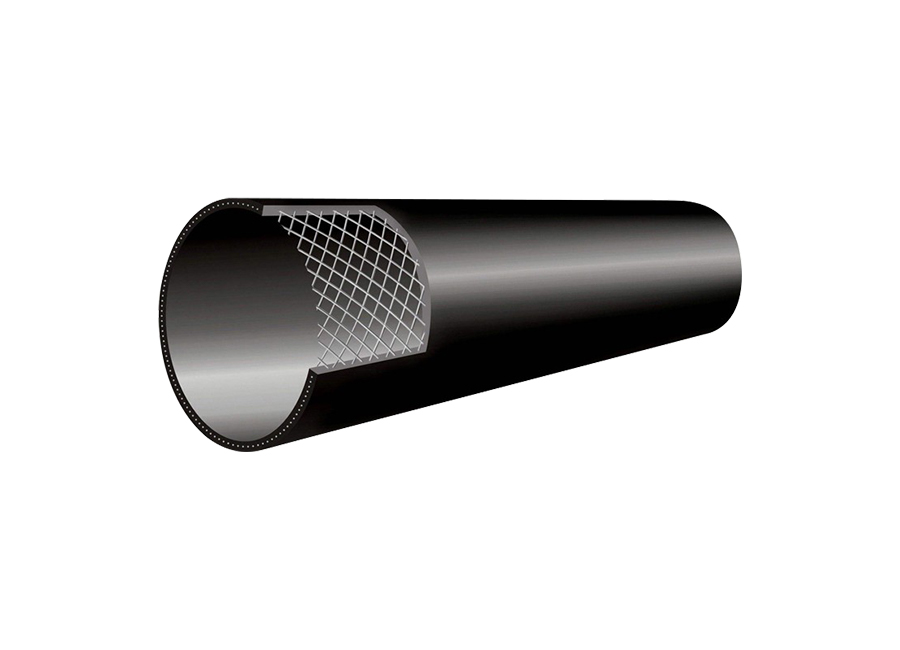
| SRTP Pipe | Fire protection, high-pressure infrastructure | 50+ years | 60°C |
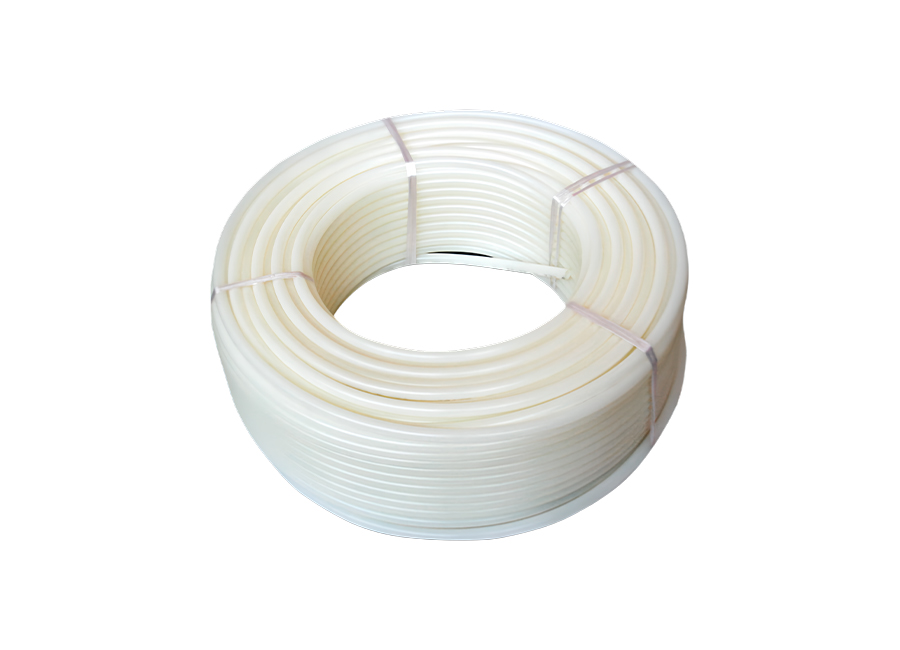
| PERT Pipe | Domestic hot water, underfloor heating | 50+ years | 95°C |
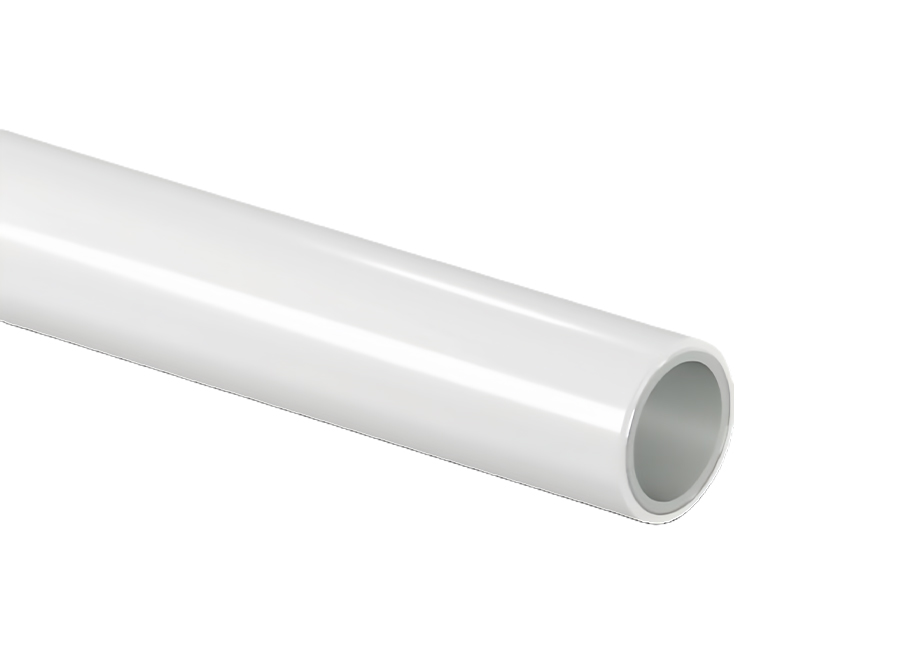
| PERT Aluminum Composite | Hot water supply, radiant heating | 50+ years | 95°C |
| HDPE Irrigation Pipe | Agricultural irrigation, drip systems | 40–60 years | 45°C |
These estimates are based on international standards including ISO 9080 and long-term hydrostatic testing. Actual service life may exceed or fall short of these figures depending on real-world installation and operating conditions.
PE Pipe vs. Other Pipe Materials: A Lifespan Comparison
One of the most compelling arguments for choosing HDPE pipe or other polyethylene pipe products is their lifespan advantage over conventional piping materials. When comparing polyethylene pipe manufacturer outputs to steel, cast iron, PVC, and concrete pipes, the differences become clear across multiple performance dimensions.
Performance Radar: HDPE vs Traditional Pipe Materials (Score 0–10)
The radar chart above compares HDPE pipe (blue) with conventional steel pipe (orange dashed) across six performance dimensions. HDPE consistently outperforms steel in corrosion resistance, flexibility, and environmental sustainability — three attributes directly tied to long-term reliability. Steel pipe may be adequate for short-term heavy load applications, but its vulnerability to rust and high installation cost make it a less economical choice over a 50-year horizon, especially for water supply pipe and irrigation pipe networks.
HDPE Pipe Pressure Rating and Its Effect on Service Life
Pressure is one of the leading causes of premature PE pipe failure when the wrong product is specified. Every HDPE pipe is assigned a Maximum Operating Pressure (MOP) based on its material grade, wall thickness, and design temperature. Operating a pipe consistently near its maximum rated pressure accelerates stress creep and reduces its theoretical service life.
A general engineering rule suggests operating PE pipes at no more than 80% of their stated MOP to achieve a full design life. For HDPE pipe used in municipal water distribution, this is typically well within normal operating parameters.
Estimated PE Pipe Service Life vs. Percentage of Rated Operating Pressure
This line chart shows how increasing the operating pressure toward the rated maximum significantly reduces the expected service life of a PE pipe. At 40–50% of the maximum operating pressure, a PE100 HDPE pipe can realistically achieve 95–100+ years of service. At 100% pressure utilization, service life drops sharply to around 20 years. The vertical dashed line marks the commonly recommended 80% threshold — a practical engineering guideline widely adopted by HDPE pipe supplier specifications and international standards.
How HDPE Pipe Performs Underground Over Decades
Underground pipe applications represent the largest volume use case for HDPE pipes globally. Municipal water distribution, natural gas distribution, sewage force mains, and telecommunications duct systems all rely on buried polyethylene pipe. The reason is clear: unlike metal pipes, HDPE does not rust, corrode, or become brittle from soil chemistry, microbial activity, or stray electrical currents.
Studies from Europe and North America have documented HDPE water pipe installations that have been in continuous service for over 40 years with no structural degradation. Accelerated aging tests — the primary tool used by standards bodies like ISO — project that properly installed PE100 underground pipe can remain functional well beyond the 100-year mark under typical municipal operating conditions.
The fusion-welded joints used in HDPE pipe systems (butt fusion, electrofusion) eliminate the leak-prone mechanical connections common in older water main technologies. This results in dramatically reduced water loss, lower maintenance frequency, and a total ownership cost that is significantly lower than alternatives over a 30–50 year project window.
Estimated Average Lifespan by Underground Pipe Material (Years)
This column chart compares the typical service life of five common underground pipe materials. HDPE pipe stands out with a lifespan of 100+ years under proper conditions, more than double that of steel (approximately 30 years) and significantly longer than traditional cast iron or concrete systems. PVC is competitive at around 50 years but lacks the flexibility and fusion-welded joint integrity of polyethylene pipe, making HDPE the preferred choice for long-term water supply pipe and underground pipe infrastructure investments.
Extending the Service Life of PE Pipes: Best Practices
Even the highest-quality product from a trusted PE pipe factory will underperform if not installed and maintained correctly. The following practices are recommended to maximize the operational lifespan of any PE pipe system.
- Select the correct SDR rating: Always match the SDR to the maximum expected operating pressure with a safety factor of at least 1.25.
- Use proper bedding material: Coarse sand or fine-graded aggregate at a minimum depth of 150mm beneath the pipe and 300mm above it provides load distribution and prevents point contact with sharp objects.
- Follow fusion welding standards: All joints should be made by trained personnel using calibrated butt fusion or electrofusion equipment. Never use solvent cement on polyethylene.
- Conduct pressure testing before backfill: Hydrostatic testing at 1.5× the MOP is standard practice to identify leaks or weak joints before the system is buried.
- Protect against UV in above-ground sections: Use carbon-black-stabilized HDPE or apply protective coatings for any section exposed to direct sunlight for extended periods.
- Maintain surge pressure control: Water hammer events, while less damaging to PE than to rigid pipes, should still be mitigated with air valves, surge tanks, or slow-closing valves.
- Keep records of installed pipe specifications: Maintaining an asset management database of pipe grades, installation dates, and pressure zones allows for proactive maintenance scheduling decades later.
PE Pipe Fittings and Their Role in System Longevity
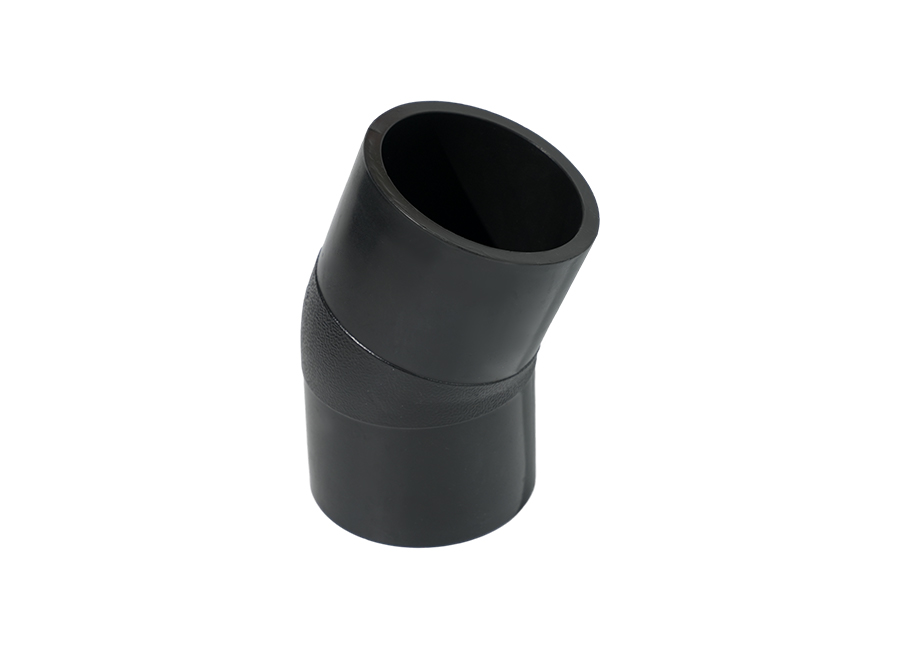
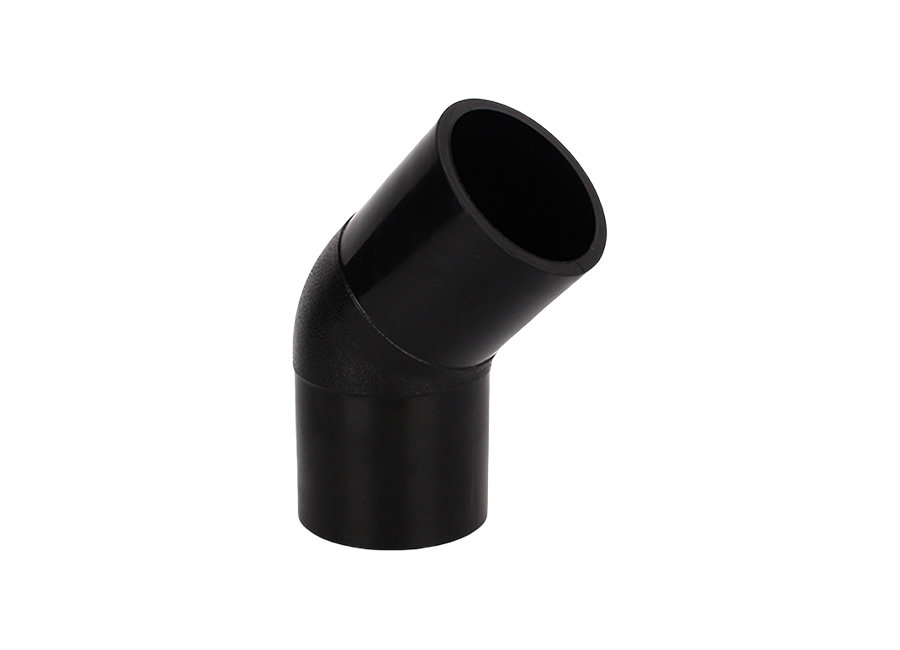
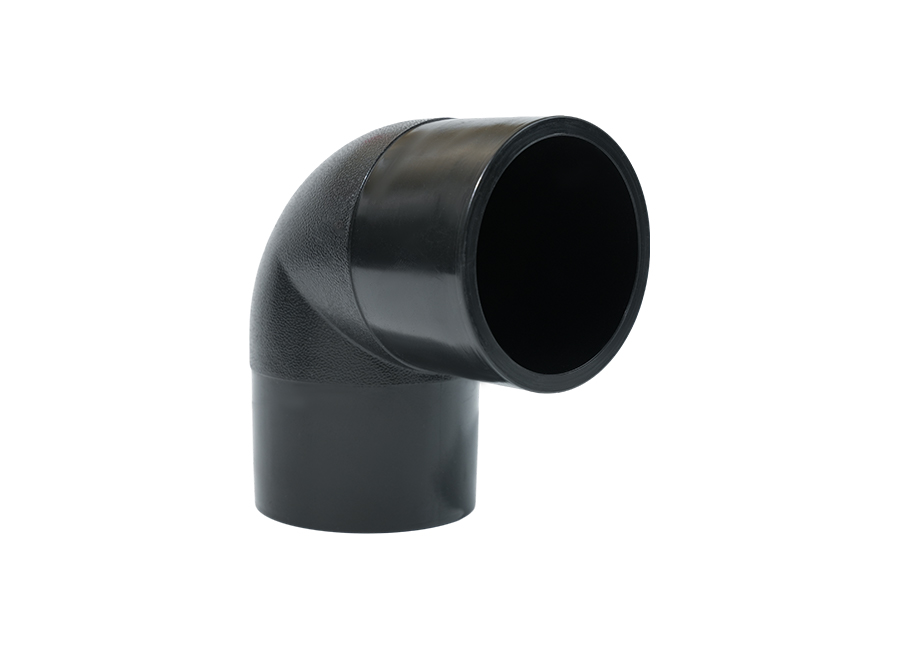
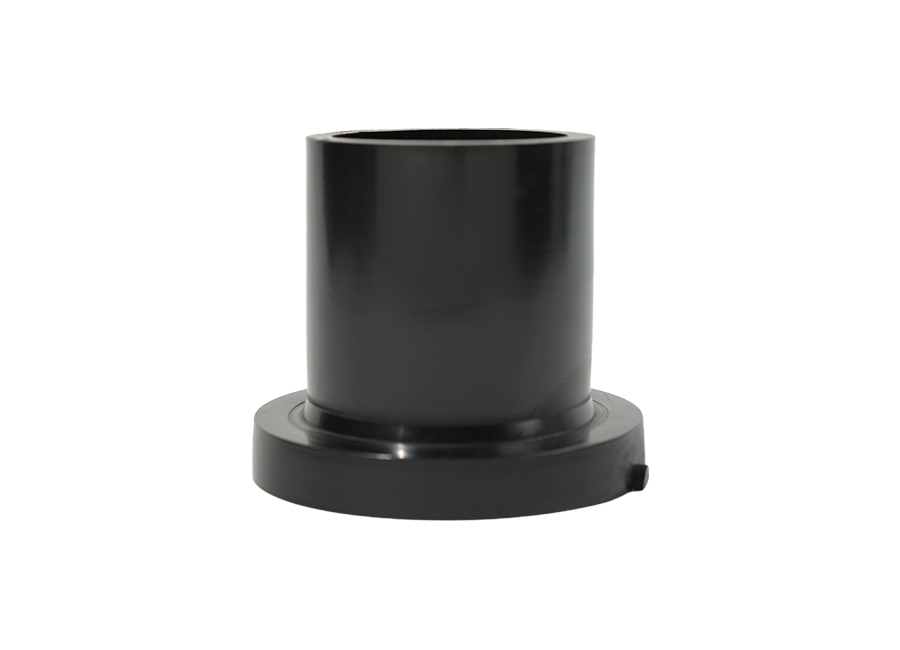
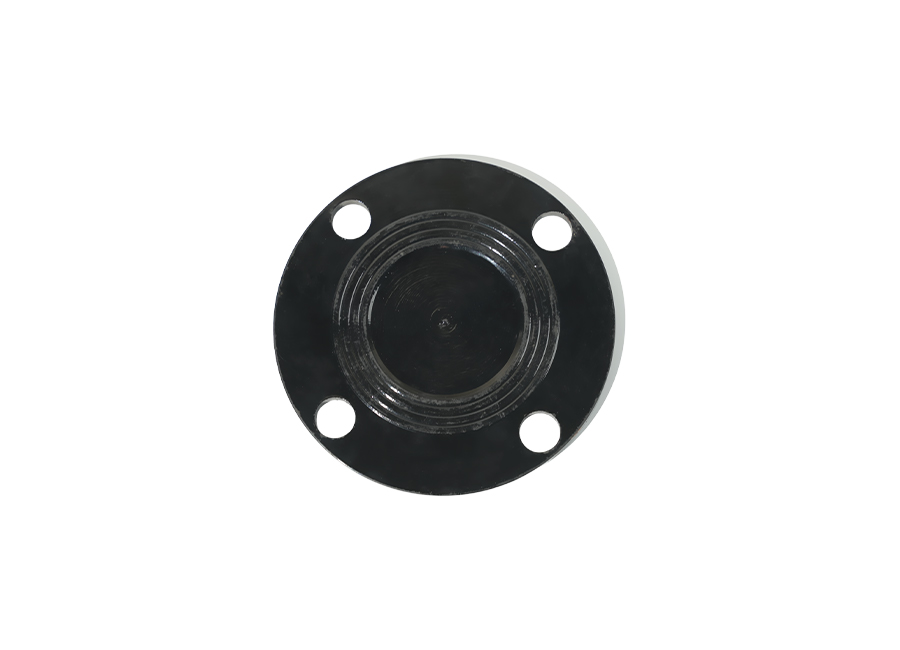
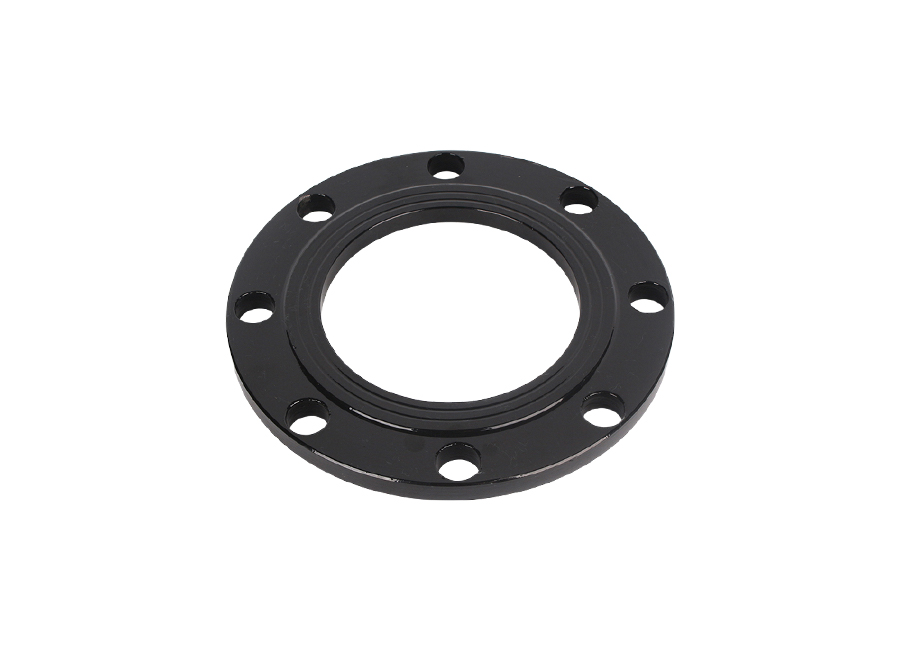
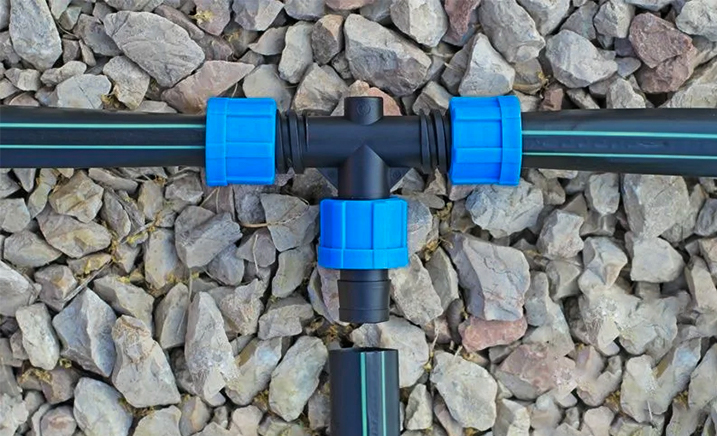
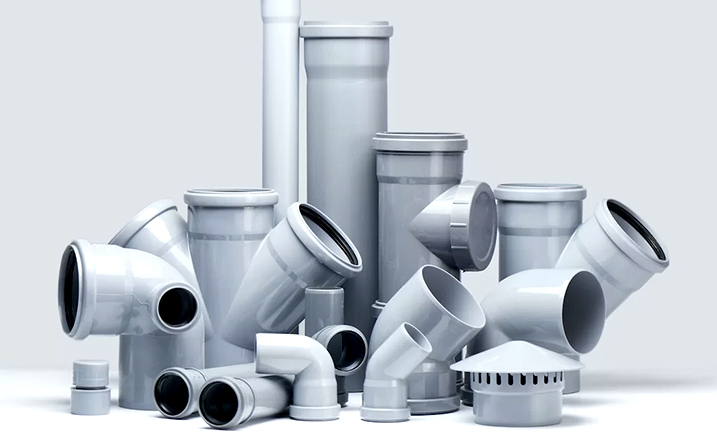
A PE pipe system is only as durable as its weakest component, and that weak point is most often the fittings and transitions. PE pipe fittings — including elbows, tees, reducers, end caps, and saddle fittings — must be made from the same or compatible grade of polyethylene as the pipe itself to ensure fusion compatibility and matching thermal expansion behavior.
Where transitions from PE to metal or other materials are required, using mechanical restraint couplings rated for the system pressure is critical. These transition points are historically the locations of highest failure risk and should be inspected more frequently during routine maintenance cycles.
When sourcing from a reputable HDPE pipe supplier, buyers should confirm that fittings are covered by the same quality certification as the pipe. In OEM PE pipe projects, customized fittings can often be designed to match specific connection geometries, valve sizes, or flange standards.
Common Failure Modes in PE Pipe Systems by Component (%)
This stacked bar chart reveals a critical insight: installation errors account for approximately 75% of failures at joints and fittings, and 70% at transition connections — far outweighing mechanical or thermal causes. This reinforces the importance of using certified installation crews and following welding protocols specified by the polyethylene pipe manufacturer. The pipe body itself fails primarily due to mechanical stress (about 44%), suggesting that over-pressure events and improper bedding are the leading pipe-level risks to address.
PE Pipes in Irrigation and Agricultural Water Systems
Irrigation pipe networks operate under very different conditions than municipal water mains. In agricultural environments, pipes face cyclic pressure loads from pump starts and stops, exposure to fertilizers and agrochemicals, temperature swings between day and night, and frequent UV exposure in above-ground sections. Despite all these stressors, HDPE irrigation pipe systems regularly achieve 30–50 years of trouble-free service in well-designed installations.
HDPE's resistance to a wide range of chemicals — including common fertilizers, herbicides, and pH-adjusted water — makes it the irrigation pipe of choice for modern farming operations. Custom PE pipe from an experienced PE pipe factory can be manufactured in diameter ranges from 20mm up to 1200mm, with pressure ratings from PN4 to PN25, covering virtually every agricultural and landscape application.
For drip and micro-irrigation applications, thin-walled HDPE lateral lines may have a shorter design life of 10–20 years due to their reduced wall thickness and constant outdoor exposure, but main distribution lines made from standard-grade HDPE pipe will routinely outlast the drip emitters and other precision components by decades.
Customization Options from a Professional PE Pipe Manufacturer
Modern HDPE pipe wholesale procurement allows engineers and procurement managers to specify pipes that go well beyond catalogue standards. Custom PE pipe options available from reputable OEM PE pipe manufacturers include:
- Diameter range: DN20 to DN1600mm, enabling use in everything from domestic plumbing to large-diameter trunk mains.
- SDR selection: SDR 6 through SDR 41, corresponding to operating pressures from PN2.5 to PN25 at 20°C.
- Color coding: Black (UV-stabilized, general use), blue (water), yellow (gas), orange (telecommunications), purple (reclaimed water).
- Coextrusion: Colored stripe pipes that combine UV-stabilized black body with a colored identification stripe.
- PE100-RC formulation: Enhanced resistance to slow crack growth for trenchless rehabilitation (pipe bursting, slip-lining).
- Coiled or straight lengths: Smaller diameters (up to DN160) can be supplied in coils of 50m, 100m, or 200m for efficient installation in irrigation pipe projects.
When requesting HDPE pipe wholesale pricing, buyers should also confirm compliance with applicable standards such as ISO 4427-2, EN 12201-2, AS/NZS 4130, or AWWA C901/C906, depending on the project location and regulatory environment.
Environmental Sustainability and End-of-Life Considerations
The long service life of PE pipes is itself a significant environmental advantage. Fewer replacements mean less excavation, less material waste, and lower carbon emissions from manufacturing and logistics. When a PE pipe does eventually reach the end of its design life, polyethylene is fully recyclable — it can be repelletized and reused in non-pressure applications such as drainage pipes, conduit, or agricultural film.
Life cycle assessments (LCA) consistently show that HDPE pipe systems have lower environmental impact scores than steel or ductile iron alternatives over a 50-year analysis period, when accounting for corrosion protection, maintenance, and replacement cycles. This aligns with the growing demand for sustainable infrastructure solutions from municipal and industrial clients worldwide.
50-Year Carbon Footprint Distribution: HDPE Pipe System (Indicative %)
This diagram illustrates how the carbon footprint of an HDPE pipe system is distributed across its 50-year lifecycle. The largest portion — approximately 35% — comes from initial manufacturing, reflecting the energy used in resin production and extrusion. Notably, the end-of-life phase represents a recycling credit (roughly 20% of total emissions), as polyethylene is fully recyclable into secondary applications. Operation and maintenance contributes only 15%, highlighting that once installed correctly, HDPE pipe systems demand very little ongoing intervention compared to corroding metal alternatives.
Frequently Asked Questions About PE Pipe Lifespan
Q1: How long do PE pipes typically last in underground water supply applications?
Under standard municipal operating conditions, PE pipes — especially PE100-grade HDPE water pipe — are designed for a minimum service life of 50 years, with many real-world and laboratory-tested systems projecting 100+ years of functional performance. The key factors are operating at conservative pressure ratios and ensuring quality installation.
Q2: Does HDPE pipe degrade over time if buried in soil?
HDPE pipe does not rust, corrode, or react with typical soil chemistry. It is immune to electrochemical corrosion that affects metal pipes. In aggressive soils (acidic, alkaline, or with high microbial activity), HDPE actually outperforms all metallic alternatives. Slow crack growth is the primary long-term concern, but PE100 and PE100-RC formulations are specifically engineered to resist this mechanism for decades.
Q3: Can PE pipe be used for hot water systems, and does heat reduce its lifespan?
Standard HDPE pipe is not recommended for sustained hot water above 60°C. For domestic hot water and underfloor heating systems, PERT (Polyethylene of Raised Temperature Resistance) and PERT aluminum-plastic composite pipes are the correct choice. These products are specifically designed to maintain their pressure rating and service life at temperatures up to 95°C when used within their rated parameters.
Q4: What is the difference between HDPE pipe and PE pipe?
HDPE (High-Density Polyethylene) pipe is a specific category within the broader PE (Polyethylene) pipe family. HDPE refers to polyethylene produced at high density (0.941–0.965 g/cm³), making it stiffer and stronger for pressure applications. The PE pipe category also includes LDPE, MDPE, LLDPE, and PERT grades, each suited to different applications. When engineers and procurement teams say "PE pipe" in the context of water supply or gas distribution, they almost always mean HDPE.
Q5: How can I verify the quality of PE pipe from a manufacturer or supplier?
Look for ISO 4427, EN 12201, or equivalent national standard certification on the pipe marking. Reputable HDPE pipe suppliers and polyethylene pipe manufacturers will provide third-party test reports covering MRS (Minimum Required Strength), OIT (Oxidation Induction Time), and carbon black dispersion. When evaluating an OEM PE pipe or HDPE pipe wholesale order, request a material data sheet with the resin compound designation (e.g., PE100, Bimodal HDPE) and ask for production batch traceability documentation.
Q6: Is PE pipe suitable for irrigation systems in regions with high UV exposure?
Yes, provided the correct grade is specified. Black HDPE pipe with a carbon black content of 2–2.5% is UV-stabilized and suitable for above-ground irrigation use in high-solar regions. Where pipes must be buried, UV resistance is not a concern. For drip line laterals that are left on the soil surface seasonally, buyers should specify UV-stabilized formulations and confirm the warranty period with the PE pipe factory.