English
 中文简体
中文简体 русский
 عربى
عربى
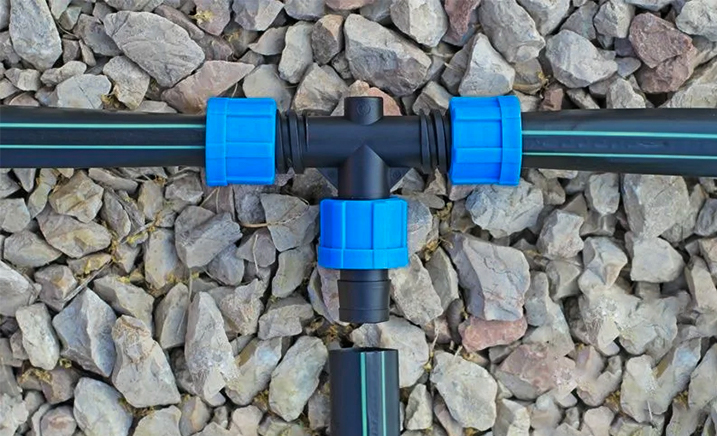
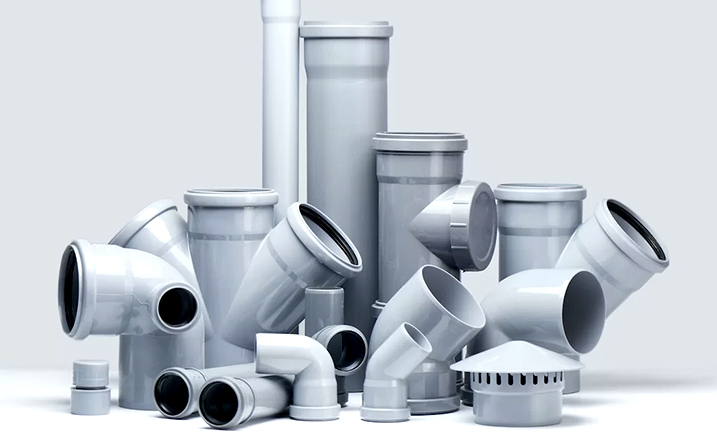
To connect PVC pipes without leaks, you must clean and dry both surfaces, apply PVC primer, coat with solvent cement, push together with a quarter-turn twist, and hold for 30 seconds — then allow a minimum 2-hour cure before flowing water. This sequence works across all standard PVC pipe fittings types and applies whether you are assembling PVC water pipe, PVC drain pipe, or PVC irrigation pipe systems. Skipping any step — particularly priming — is the primary cause of joint failure and slow leaks that appear days or weeks after installation.
PVC pipe is the most widely installed plastic pipe material in the world, with global consumption exceeding 15 million tonnes annually. Its dominance in residential plumbing, municipal drainage, agricultural irrigation, and industrial fluid management is driven by corrosion resistance, low installation cost, and a mature ecosystem of standardized pvc pipe parts and pvc plumbing fittings. However, that performance only materializes when joints are assembled correctly. This guide covers every method, fitting type, and technique needed to achieve leak-free PVC connections on first attempt.
Content
- 1 Understanding PVC Pipe Grades Before You Connect Anything
- 2 The Complete Solvent Cement Method: Step-by-Step for Leak-Free Joints
- 3 PVC Pipe Fittings Types: Choosing the Right Connector for Every Joint
- 4 Alternative Connection Methods: Push-Fit, Threaded, and Compression Joints
- 5 Critical Factors That Cause PVC Joint Leaks — and How to Prevent Each
Understanding PVC Pipe Grades Before You Connect Anything
The connection method and fitting selection depend heavily on the pipe schedule and application. Using the wrong fitting specification against a given pipe wall thickness leads to under-engagement in the socket, poor solvent weld surface area, and eventual joint separation.
Schedule 40 vs Schedule 80 PVC Pipe
Schedule 40 PVC pipe is the standard choice for residential plumbing, drainage, and irrigation at moderate pressures. It has a thinner wall and handles pressures up to approximately 450 psi for small diameters, dropping to around 140 psi for 4-inch pipe. Schedule 80 PVC pipe carries a thicker wall, handles pressures 25–40% higher than Schedule 40 equivalents, and is specified for industrial fluid handling, chemical processing, and any application with elevated mechanical stress. Schedule 80 fittings must be used with Schedule 80 pipe — the deeper socket engagement is engineered for the thicker wall, and mixing schedules compromises the weld area.
Both schedules share the same outer diameter (OD) for a given nominal pipe size, which means all standard pvc fittings specifications based on nominal pipe size (NPS) apply across both — it is the socket depth and wall engagement that differ.
Underground and Industrial Applications
Underground PVC pipe and industrial PVC pipe applications impose additional requirements. Below-grade installations must account for soil loading, thermal cycling, and potential ground movement — all of which place cyclic stress on joints. For these applications, joints should be fully cured (24 hours minimum at temperatures above 60°F) before backfilling, and rubber gasket push-fit joints are often preferred over solvent weld in large-diameter or buried runs because they accommodate pipe movement without transmitting stress to the joint.
This grouped bar chart compares the pressure ratings of Schedule 40 and Schedule 80 PVC pipe across five common nominal diameters. Schedule 80 consistently delivers 25–40% higher pressure capacity due to its thicker wall construction — a critical factor for industrial PVC pipe and high-pressure irrigation applications. Both schedules show the same pattern of declining pressure capacity as diameter increases, which is why large-diameter installations for underground PVC pipe systems rely more heavily on joint design and fitting quality rather than pipe schedule alone.
The Complete Solvent Cement Method: Step-by-Step for Leak-Free Joints
Solvent welding is the primary connection method for all pressure-rated PVC pipe in nominal sizes from 1/4 inch through 12 inches. It works by chemically dissolving the PVC surfaces on both the pipe end and the fitting socket, fusing them into a single continuous material as the solvent evaporates. When executed correctly, a solvent-welded joint exceeds the burst strength of the pipe itself.
- Cut the pipe square. Use a ratchet pipe cutter or fine-tooth saw. An angled cut reduces socket engagement area and creates a path for leaks. Cuts more than 2° off square are unacceptable for pressure applications.
- Deburr and chamfer the pipe end. Use a deburring tool or file to remove the raised burr from the cut edge and chamfer the outside edge at approximately 10–15°. This allows the pipe to slide into the fitting without scraping away wet cement from the socket walls.
- Dry-fit and mark alignment. Push the pipe fully into the fitting socket and mark a reference line across both. This line is used to confirm the pipe has fully bottomed out in the socket after cementing.
- Clean both surfaces. Wipe the outside of the pipe end and the interior of the fitting socket with a clean, dry rag. Remove all dirt, dust, oil, and moisture. Even a small amount of surface contamination can disrupt the chemical weld.
- Apply PVC primer (purple or clear). Use a dauber applicator to apply primer to the pipe end OD and the fitting socket ID. Work quickly — primer sets in under 30 seconds. The purple colorant in standard primer provides a visual confirmation that the step was completed, which is required by most building codes.
- Apply solvent cement immediately. While the primer is still wet, apply a liberal, even coat of PVC cement to the pipe end, then a medium coat to the fitting socket. For pipes over 2 inches, apply a second coat to the pipe end before assembly.
- Assemble with a quarter-turn push. Insert the pipe into the fitting with a slight rotation (approximately 90°) as you push fully home. Stop rotating once the pipe bottoms out — do not continue twisting as this can displace the cement bead. Confirm the alignment mark is at the fitting face.
- Hold for 30 seconds without movement. The initial set begins immediately. Any movement during the first 30 seconds can fracture the partially-set weld zone.
- Wipe excess cement and allow cure time. A uniform bead of cement around the socket face confirms sufficient material was applied. Cure times: 2 hours before low-pressure water; 24 hours for full pressure testing; 48 hours in cold conditions below 40°F.
The most common installation failure is skipping primer. Primer softens the PVC surface to a depth of 0.001–0.003 inches, creating a molecular-level fusion zone. Without it, the cement sits on the surface as an adhesive film rather than a chemical weld — and will eventually fail under pressure cycling.
PVC Pipe Fittings Types: Choosing the Right Connector for Every Joint
Selecting the correct fitting from the available range of pvc fittings types is as important as the installation technique. Using a fitting intended for drainage in a pressure application, or mismatching a coupling type to the pipe end condition, will produce a joint that fails regardless of how carefully it was assembled.
Couplings
PVC coupling types and types of pvc couplings cover several distinct forms. A standard coupling joins two pipes of the same diameter end-to-end in a straight run. A reducing coupling (also called a reducer bushing) transitions between two different pipe diameters. A repair coupling — also called a slip coupling — has no internal stop, allowing it to slide onto an existing pipe to bridge a cut-out damaged section without disturbing adjacent joints. For underground and buried applications, rubber-gasketed flexible couplings accommodate differential settlement and pipe movement without rigid attachment.
Elbows, Tees, and Crosses
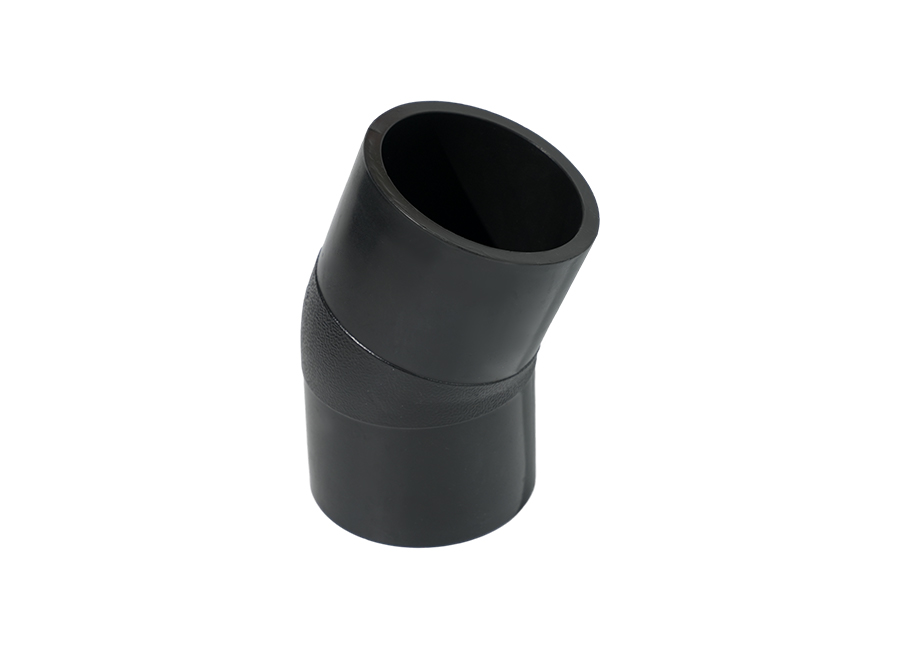
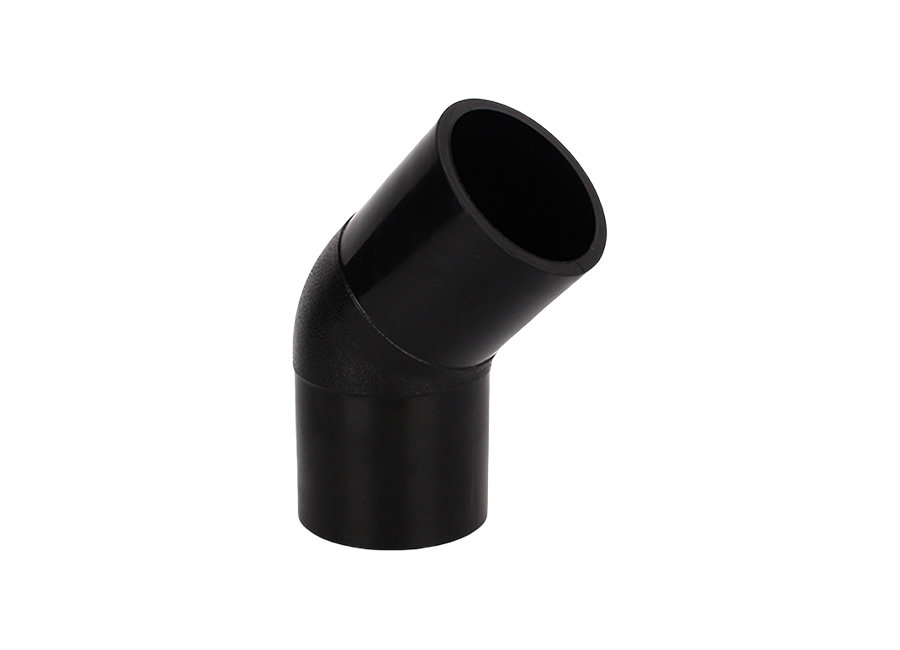
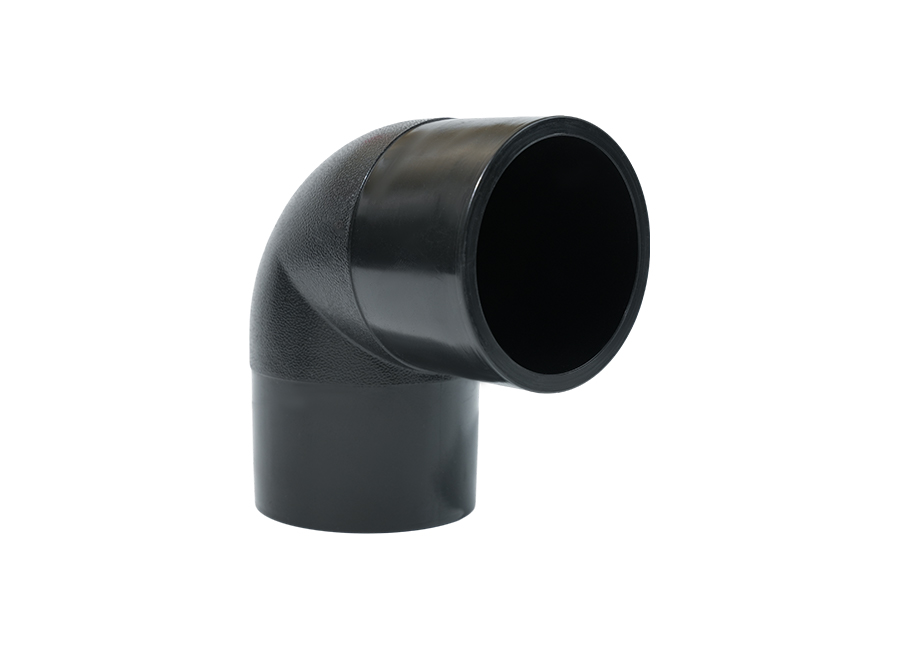
Elbows are available in 22.5°, 45°, and 90° configurations for pvc pipe attachments that change flow direction. The 45° elbow produces less turbulence and pressure loss than a 90° elbow and is preferred wherever the routing geometry permits. Tees create a branch connection at 90° to the main run and are available in equal (same diameter on all three ports) and reducing (smaller branch) forms. A cross fitting provides four-way connection in a single plane and is used in irrigation manifold assemblies and industrial distribution headers.
Unions, Adapters, and Flanges
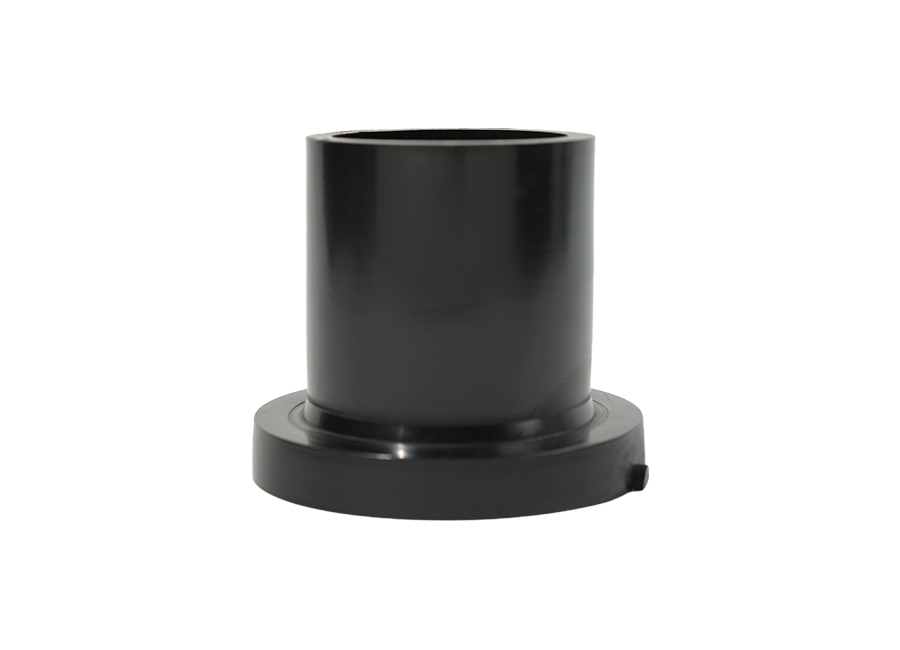
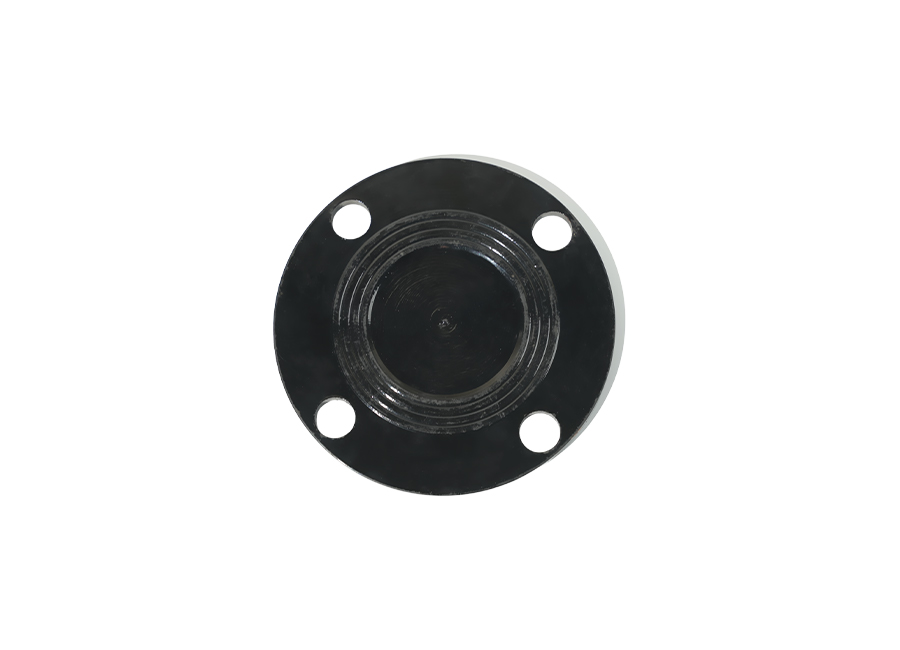
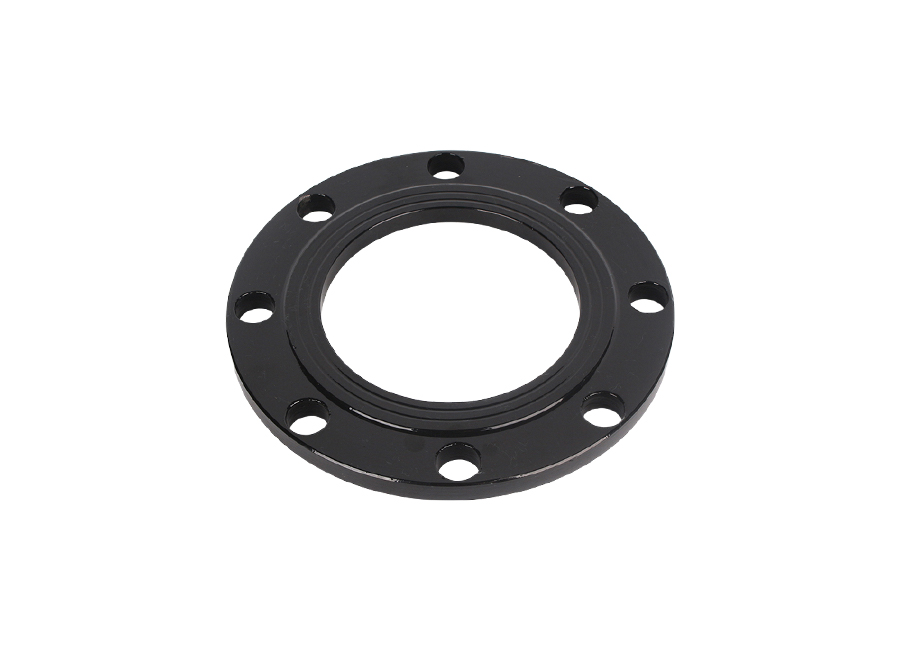
Unions are pipe connector types that allow a section of pipe to be removed and replaced without cutting. They consist of two socket ends that screw together at a center nut — making them essential wherever pumps, valves, or equipment require periodic removal. Adapters (male and female) transition from solvent-weld socket connections to threaded connections for valves, meters, and threaded equipment ports. Flanges are used in industrial PVC pipe systems where connections must mate with flanged pumps, tanks, or vessels, and where full-face bolted connections are required by system design.
| Fitting Type | Function | Connection Method | Typical Application |
|---|---|---|---|
| Standard Coupling | Straight join, same diameter | Solvent weld | Water supply, irrigation |
| Slip / Repair Coupling | Repair without disturbing run | Solvent weld | Pipe repair, retrofit |
| 90° Elbow | Right-angle direction change | Solvent weld | Plumbing, drainage |
| Tee (Equal) | Branch at 90° to run | Solvent weld | Irrigation manifolds |
| Union | Removable inline connection | Threaded + solvent | Pump / valve service |
| Flange | Bolted face-to-face connection | Bolted with gasket | Industrial piping systems |
| Push-Fit / Gasket | No-cement flexible joint | Rubber seal compression | Underground drainage, sewer |
This horizontal bar chart shows how PVC pipe fittings are distributed across major application sectors globally. Residential plumbing accounts for the largest single share at 33%, followed closely by agricultural irrigation at 28% — reflecting the widespread use of PVC irrigation pipe and associated fittings in crop water delivery systems worldwide. Municipal drainage and industrial process piping together account for a further 33%, underscoring the breadth of applications that depend on correct fitting selection and leak-free assembly techniques.
Alternative Connection Methods: Push-Fit, Threaded, and Compression Joints
While solvent welding is the primary method for pressure-rated PVC systems, several alternative pipe connector types are appropriate in specific contexts — particularly where the pipe cannot be kept dry, where disassembly is required, or where the application involves large diameters unsuited to solvent welding.
Push-Fit and Rubber Gasket Joints
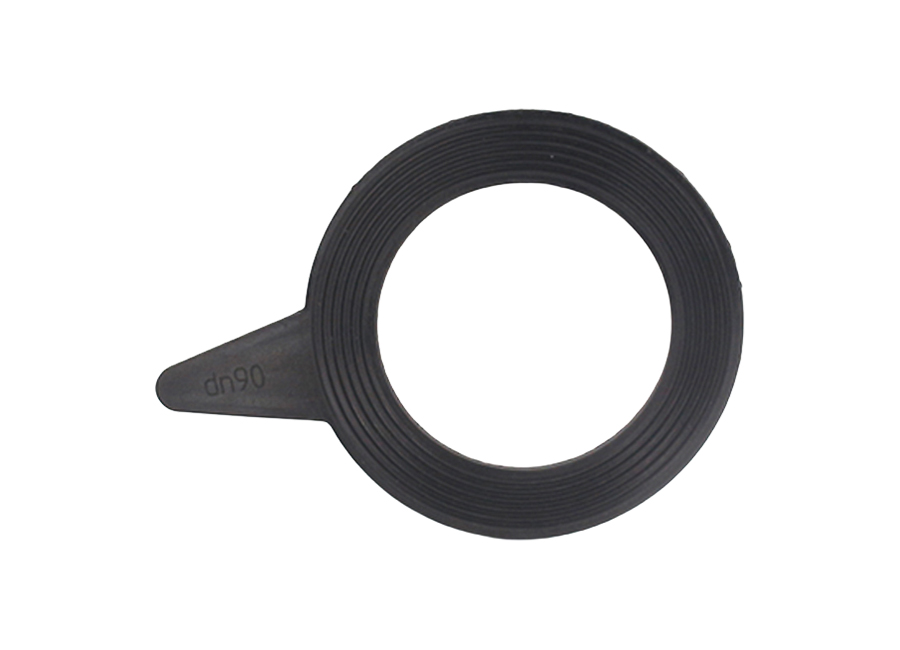
Push-fit joints use a rubber elastomeric gasket compressed between the pipe spigot and the fitting socket to create a seal. They require no adhesive, no cure time, and can be made on wet pipe — making them essential for underground drainage, sewer systems, and large-diameter water mains where solvent welding is impractical. The gasket joint also accommodates angular deflection (typically up to 5°) and thermal expansion, which is critical in buried systems where soil movement and temperature cycling occur. Push-fit connections are not suitable for continuous high-pressure applications — they are rated for drainage and low-pressure conveyance, not Schedule 40 or 80 pressure piping.
Threaded Connections with PTFE Tape
Threaded PVC connections use tapered NPT (National Pipe Thread) or straight BSP threads. Male adapters are solvent-welded to the pipe end, then threaded into a female threaded fitting or valve. Apply 2–3 wraps of PTFE (thread seal) tape to the male threads before assembly, wrapping in the direction of the thread to prevent unraveling during assembly. Do not over-tighten — PVC threads are brittle and can crack under excessive torque. Hand-tighten plus 1–2 turns with a strap wrench is the standard practice. Thread sealant compound (pipe dope) is an acceptable alternative to PTFE tape for PVC and provides slightly better vibration resistance.
Compression Fittings for Flexible PVC Pipe
Flexible PVC pipe — used in pond, aquarium, pool, and some irrigation applications — is typically connected using barbed fittings with hose clamps or compression-style fittings. Barbed fittings are pushed into the flexible pipe and secured with a stainless steel hose clamp positioned within 1/4 inch of the fitting shoulder. For higher-pressure flexible PVC pipe applications, compression unions with O-ring seals are preferred because they develop a positive seal under pressure rather than relying solely on clamp friction.
Critical Factors That Cause PVC Joint Leaks — and How to Prevent Each
Understanding failure modes is the most efficient path to eliminating them. The following are the documented causes of PVC joint leaks in order of frequency from field inspection data.