English
 中文简体
中文简体 русский
 عربى
عربى
Content
- 1 Contents
- 2 What PVC Fittings Are and Where They Are Used
- 3 Common PVC Fitting Types and an Identification Chart
- 4 PVC Pipe and Fitting Dimensions: Schedule 40 Sizing Reference
- 5 Threaded PVC Connectors Versus Slip On Fittings
- 6 PVC Elbow Fittings and Common Plumbing Bends: A Technical Overview
- 7 Couplings, Reducers and Pipe Connectors for Joining PVC Pipe
- 8 Pressure Rated PVC Fittings and Flanged Connections
- 9 Black PVC Pipe and Other Specialty PVC Materials
- 10 PVC Fittings Compared With HDPE Fittings
- 11 Installing a PVC Plumbing System: Step by Step Considerations
- 12 Drainage Pipe Fitting Names and General Pipe Fitting Glossary
- 13 PE and PVC Fitting Solutions from Jiangyin Huada
- 14 PVC Fittings: Frequently Asked Questions
Contents
As a company specializing in PVC fittings, we receive a lot of questions about fittings. These questions often have to do with pipe fitting sizes and dimensions, which makes sense because those topics can be confusing. Other questions are about the fittings themselves and what they are meant for. Compatibility and general pipe fitting knowledge can feel like a lot to take in when you are new to the world of PVC. If you are trying to expand your PVC knowledge, you can use this blog post as a pipe fitting study guide. This guide outlines all the major types of PVC fittings as well as how and why to use them. It is a long post, so use the contents list below to jump to the section you need.
- What PVC fittings are and where they are used
- Fitting types and an identification chart
- PVC pipe and fitting dimensions
- Threaded connectors versus slip on fittings
- Elbow fittings and common plumbing bends
- Couplings, reducers and pipe connectors
- Pressure rated and flanged fittings
- Black PVC pipe and specialty materials
- PVC fittings compared with HDPE fittings
- Installing a PVC plumbing system
- Drainage fitting names and glossary
- PE and PVC fitting solutions
- Frequently asked questions
What PVC Fittings Are and Where They Are Used
A PVC fitting is a molded plastic component that connects, redirects, branches, reduces or seals sections of PVC pipe within a piping system. Together, PVC pipe and PVC fitting components form the majority of residential water supply lines, irrigation networks, drain waste vent systems and many light industrial process lines. The reason PVC piping is so common comes down to a short list of practical qualities: it resists corrosion and scale buildup, it is lightweight compared with metal pipe, it is dimensionally consistent from batch to batch, and it is straightforward to cut, join and repair without specialized heavy equipment.
PVC water pipes and fittings are manufactured to recognized dimensional standards so that a pipe from one production run fits a fitting from another, provided both share the same nominal size and schedule class. That standardization is what makes a pipe fitting study guide like this one useful, because once you understand the naming conventions and sizing logic, the same logic applies across elbows, tees, couplings, reducers, adapters, caps and unions.
This guide walks through the major categories of PVC fittings, how PVC pipe and fitting dimensions are measured, the difference between threaded and slip style connections, and how PVC compares with HDPE pipe and HDPE fitting systems for projects where either material could be considered. Charts and reference tables are included throughout to make the sizing information easier to scan.
Common PVC Fitting Types and an Identification Chart
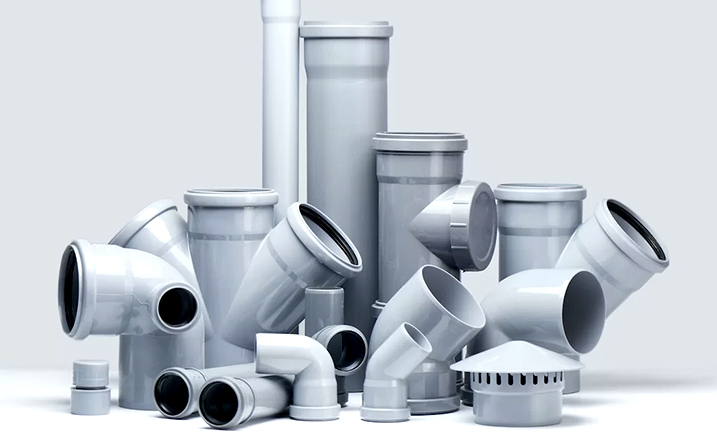
Different PVC pipe fittings are shaped for different jobs inside a piping run. Some change the direction of flow, some split a single line into two or more branches, and some simply join, reduce or close off a pipe end. The list below covers the fitting types that show up most often when people search for pvc fitting types or try to match a shape they are holding to a name.
Elbows
An elbow changes the direction of a pipe run, most commonly by 90 degrees or 45 degrees. Elbows are one of the most frequently ordered plumbing elbows pvc contractors keep on hand because almost every run needs at least one direction change.
Tees
A tee splits one line into a branch, forming a T shape. Tees are used anywhere a single supply or drain line needs to feed two directions, such as where a fixture branch leaves a main line.
Couplings
A coupling is a short, straight pipe connector fitting used to join two lengths of pipe in a straight run, extend a line, or repair a damaged section.
Reducers and Reducer Bushings
A reducer, sometimes installed as a reducer bushing, steps a line down from a larger nominal size to a smaller one, or steps it up in the reverse direction.
Adapters
Adapters transition between connection styles, most often between a slip (solvent weld) socket on one side and a threaded connection on the other, which is how a plastic pipe connector often meets a metal valve, pump or fixture.
Crosses
A cross has four openings arranged in a plus shape and is used less frequently than a tee, generally where two branch lines need to leave a main run at the same point.
Caps and Plugs
A cap fits over the outside of a pipe end to seal it, while a plug threads or fits into the inside of a fitting opening. Both are used to close off unused lines, whether temporarily during construction or permanently.
Unions
A union allows a pipe section to be disconnected and reconnected without cutting, which is useful anywhere future access for service or replacement is expected.
| Fitting Type | Typical Function | Common Connection Style |
|---|---|---|
| 90 and 45 degree Elbow | Change direction of flow | Slip or threaded |
| Tee | Branch a line in two directions | Slip or threaded |
| Coupling | Join two pipe lengths in a straight run | Slip |
| Reducer / Bushing | Step a line up or down in size | Slip or threaded |
| Adapter | Transition between slip and thread | Mixed |
| Cap | Seal the outside of a pipe end | Slip or threaded |
| Union | Allow disconnect and reconnect for service | Threaded |
PVC Pipe and Fitting Dimensions: Schedule 40 Sizing Reference
Getting the dimensions of Schedule 40 PVC pipe fittings right matters more than almost any other part of a piping project, because a fitting is sized to a specific outside diameter, not to the round number printed on the box. Nominal size is a label, while outside diameter is the measurement a fitting socket is actually molded to accept. Confusing the two is the most common reason a fitting will not slide onto a pipe.
Telescopic pvc pipe sizes, meaning pipe designed to step from one nominal size into the next through reducer fittings, follow the same outside diameter logic, so once one size is confirmed the rest of a telescoping run can be planned from the reference table below.
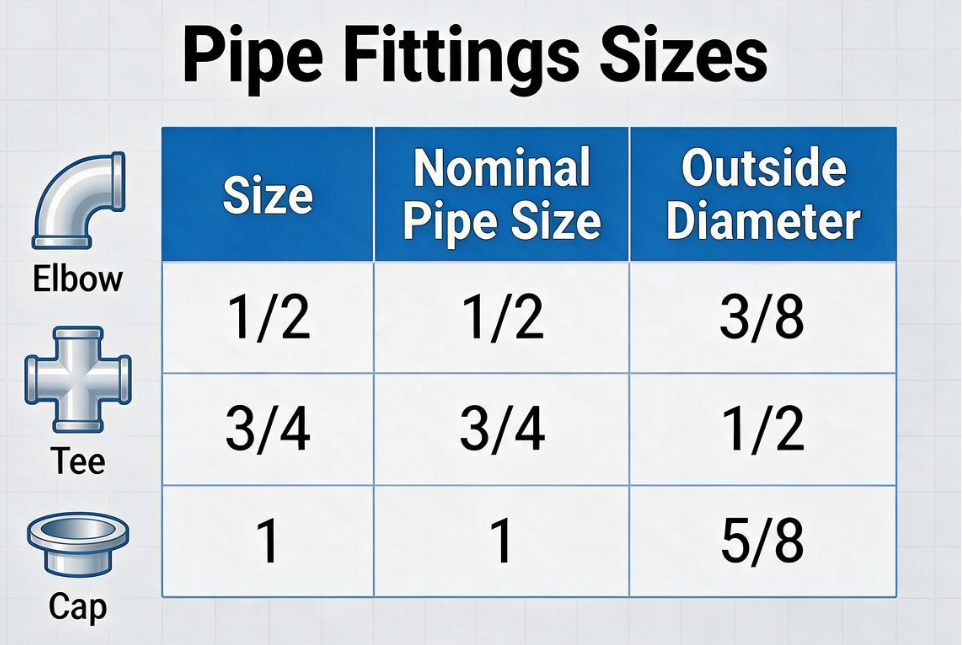
| Nominal Size | Outside Diameter (in) | Average Wall Thickness (in) |
|---|---|---|
| 1/2 inch | 0.840 | 0.109 |
| 3/4 inch | 1.050 | 0.113 |
| 1 inch | 1.315 | 0.133 |
| 1-1/2 inch | 1.900 | 0.145 |
| 2 inch | 2.375 | 0.154 |
| 3 inch | 3.500 | 0.216 |
| 4 inch | 4.500 | 0.237 |
Outside diameter in inches by nominal pipe size, Schedule 40 PVC
Average wall thickness in inches as nominal pipe size increases, Schedule 40 PVC
Threaded PVC Connectors Versus Slip On Fittings
Among the common types of water pipe connections used in PVC plumbing, two methods cover the large majority of installations: solvent weld slip fittings and threaded fittings. Choosing between them depends on whether a joint needs to be permanent or removable.
Slip On (Solvent Weld) Fittings
Slip on pvc fittings are joined using solvent cement, which chemically fuses the pipe and fitting surfaces into a single piece once cured. This method produces a permanent, generally leak resistant joint and is the standard approach for most buried, concealed or fixed piping runs.
Threaded PVC Fittings
A threaded pvc pipe connection uses molded threads combined with thread sealant or tape. Threaded pvc connectors are typically used where a line needs to connect to a valve, pump, meter or another component that must be removable for maintenance. Pvc pipe threaded joints should not be over tightened, since PVC threads are more brittle than metal threads and excess torque can crack the fitting.
| Factor | Slip On / Solvent Weld | Threaded |
|---|---|---|
| Removable | No, permanent once cured | Yes, can be disassembled |
| Typical use | Buried or fixed runs | Valves, pumps, fixtures |
| Assembly method | Primer and solvent cement | Sealant tape or paste |
PVC Elbow Fittings and Common Plumbing Bends: A Technical Overview
A pvc elbow fitting is one of the most frequently used components in any run, and understanding the common types of plumbing bends and fittings helps when planning a layout or reading a parts list. Standard pvc bends come in a small set of common angles, each suited to a different layout need.
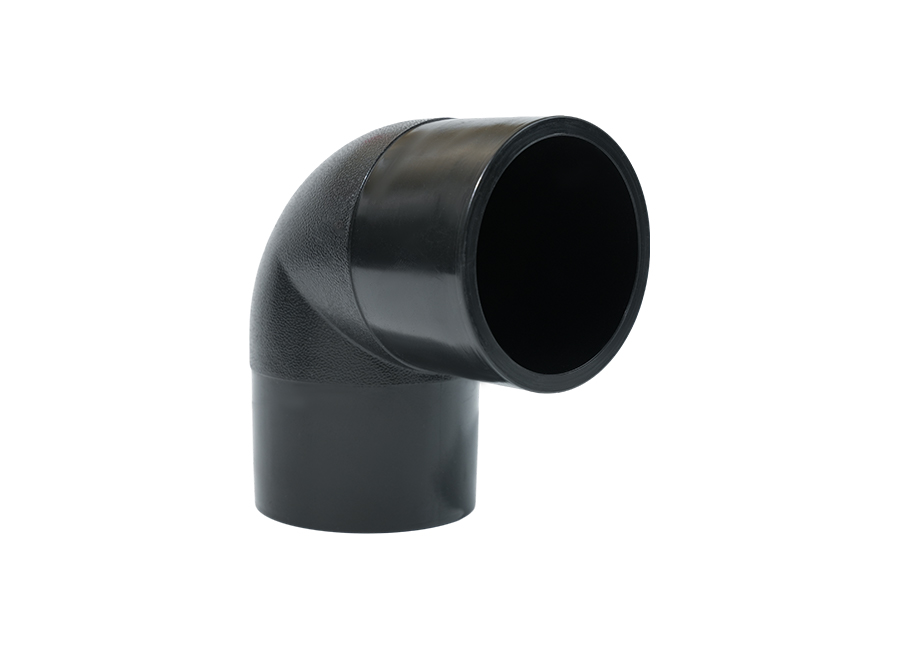
- 90 degree elbow, used for a full direction change, such as turning a line from a wall into a floor run
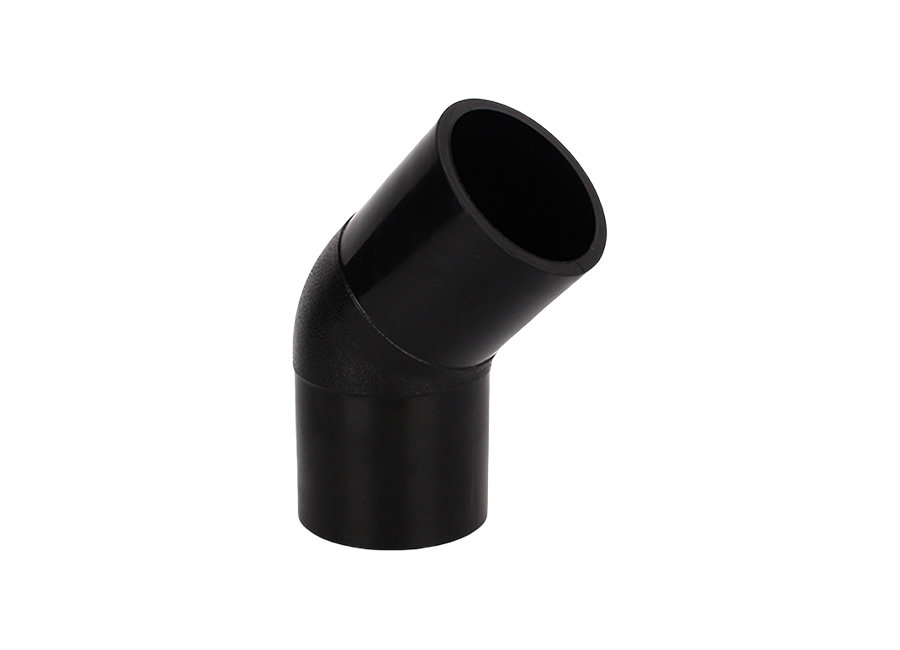
- 45 degree elbow, used where a gentler direction change reduces flow turbulence
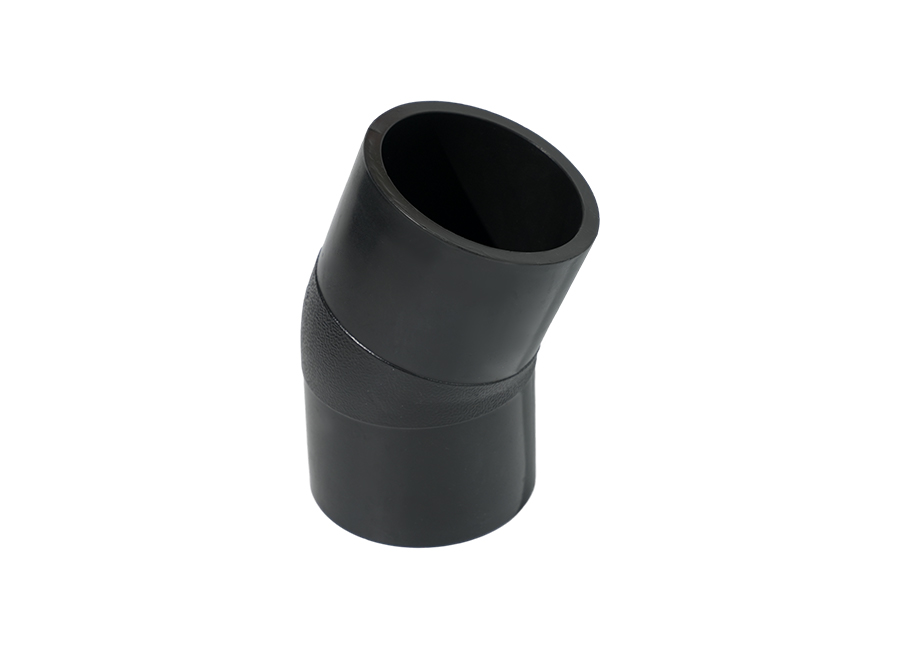
- 22.5 degree elbow, used for long, gradual sweeps, often in drainage runs
- Street elbow, which has one slip end and one spigot end, allowing it to connect directly into another fitting without a short pipe stub
Simplified structural view of a pipe entering a fitting socket at an elbow joint
Couplings, Reducers and Pipe Connectors for Joining PVC Pipe
A pvc coupling is the simplest pipe connector fitting available, joining two pipe ends in a straight line without a change in size or direction. For projects that only need to join PVC to PVC sections without changing pipe material, a plain straight coupling is usually the most direct option. A repair coupling, which has no internal stop ridge, is designed to slide fully onto one pipe end before centering over a cut or damaged section, which is useful when there is no room to swing pipe into place.
When two different pipe sizes need to meet, a reducer or reducer bushing steps the line down or up. A plastic pipe connector used as an adapter can also switch from slip to thread, or from PVC to another compatible fitting style, at a single transition point. Because wall thickness increases with pressure class as well as with nominal size, it is worth checking both dimensions before ordering a plastic pipe coupling for a pressurized line.
Approximate wall thickness in inches, Schedule 40 versus Schedule 80, for reference only
Pressure Rated PVC Fittings and Flanged Connections
Pressure pvc pipe fittings are rated in combination with the pipe they are installed on, since the pressure a system can handle depends on wall thickness, temperature and the specific schedule or pressure class used. Schedule 40 and Schedule 80 are the two most common pressure classes for threaded and solvent weld systems, with Schedule 80 offering thicker walls at the same nominal size for applications with higher pressure or higher mechanical stress.
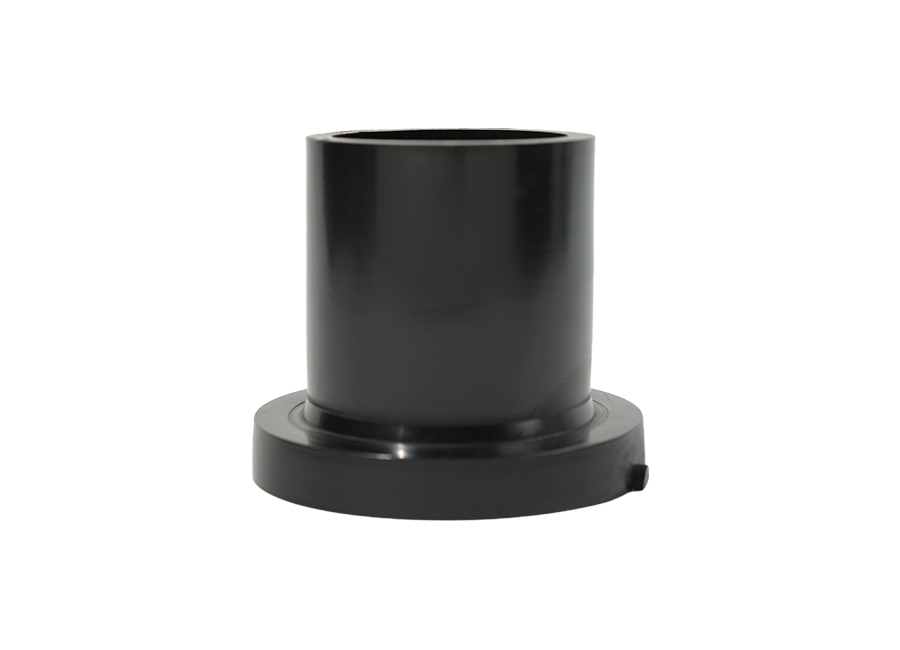
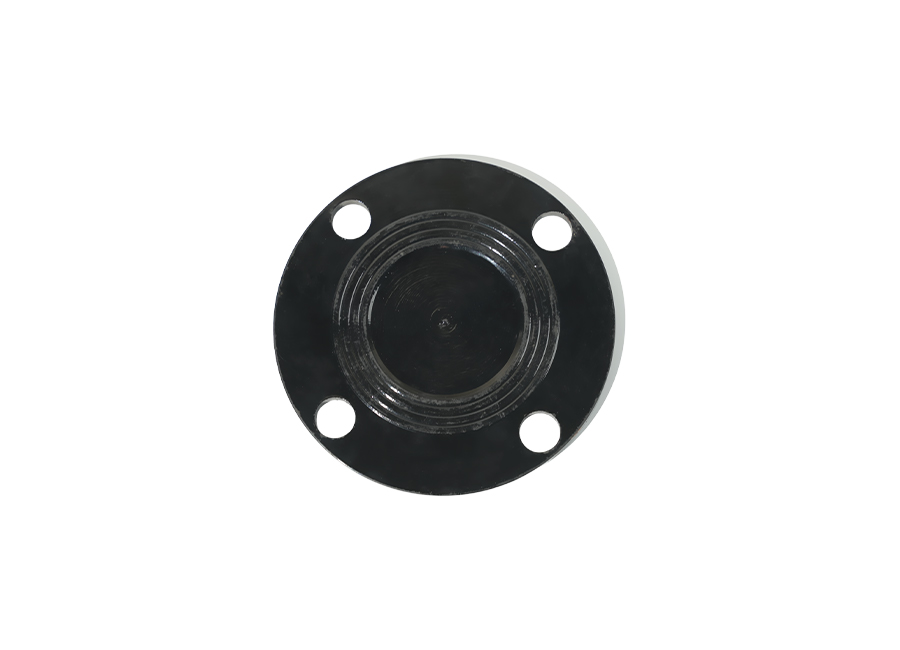
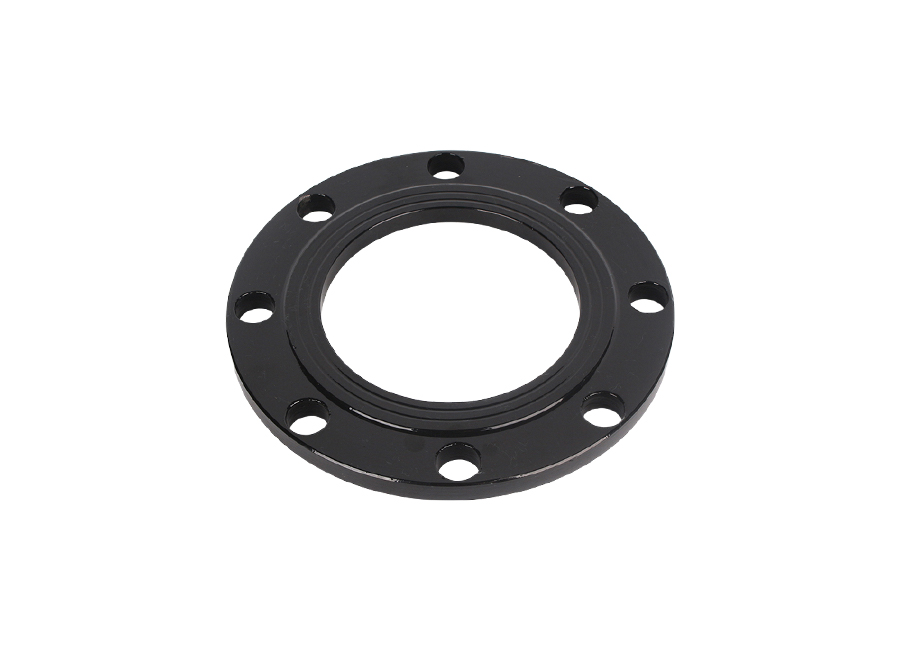
Pvc flanged pipe fittings use a bolted, gasketed connection instead of solvent cement or threads, which makes them a practical choice anywhere a line needs to connect to a pump, valve, tank or another piece of equipment that may need to be removed for service. Flanged joints also make sense at large diameters where solvent welding becomes impractical to execute reliably in the field.
Black PVC Pipe and Other Specialty PVC Materials
Black pvc pipe is typically formulated with additional carbon black for improved resistance to ultraviolet exposure, which makes it a common choice for above ground runs, electrical conduit and outdoor installations that stay in direct sunlight for extended periods. Standard white or gray PVC pipe can also be protected with paint or an external wrap when it must run outdoors, but black PVC is often selected specifically to reduce that extra step.
PVC Fittings Compared With HDPE Fittings
PVC pipe and HDPE pipe are both common plastic piping materials, but they are joined differently and suit somewhat different project profiles. PVC fitting connections rely on solvent welding or threading, both of which can be completed with hand tools and a short cure or sealing step. HDPE fitting connections generally rely on heat fusion, either butt fusion or electrofusion, which bonds the material itself rather than gluing or threading it together, and typically calls for dedicated fusion equipment.
Because HDPE pipe is more flexible than PVC pipe, it tolerates ground movement and can often be routed around minor obstacles with fewer fittings. PVC pipe and PVC fitting systems, by contrast, are rigid, which keeps runs straight and predictable and can simplify layout in structured, above ground or interior installations.
General relative comparison for reference purposes; actual performance depends on formulation, temperature and installation conditions
Neither material is a universal replacement for the other. PVC fitting systems tend to suit interior plumbing, irrigation and many drainage applications, while HDPE pipe and HDPE fitting systems are frequently selected for buried water mains, gas distribution and projects where flexibility and fused, joint free runs are an advantage.
Installing a PVC Plumbing System: Step by Step Considerations
This is not a complete pvc plumbing how to, since site conditions and local plumbing code always take priority, but the general sequence below outlines how a pvc plumbing system is typically assembled once pipe and fittings are on hand.
- Measure the run and mark the pipe, allowing for the depth the pipe will insert into each fitting socket
- Cut the pipe square using a pipe cutter or fine tooth saw
- Deburr the cut end and lightly chamfer the edge so it seats evenly in the socket
- Dry fit the layout before applying any cement, checking angles and fitting orientation
- Apply primer where required, followed by solvent cement to both the pipe end and fitting socket
- Insert the pipe with a slight twist and hold it in place for the manufacturer recommended set time
- Allow the full cure time listed by the cement manufacturer before pressurizing or testing the line
- Pressure test or flow test the completed pvc plumbing installation before it is covered or closed in
Following this sequence in order matters, since skipping the dry fit step is one of the most common reasons an installer ends up with a fitting cemented at the wrong angle.
Drainage Pipe Fitting Names and General Pipe Fitting Glossary
Drainage pipe fittings names can differ slightly from pressure fitting names, since drain waste vent fittings are shaped to keep waste flowing smoothly rather than to hold pressure. The list below covers terms that come up often when reading a drainage parts list or comparing different types of pipe fittings.
| Term | Description |
|---|---|
| Sanitary Tee | A tee with a gently curved branch, used in drain lines to reduce turbulence and blockage risk |
| Wye Fitting | A Y shaped branch fitting that joins a line at an angle rather than straight across |
| Cleanout Fitting | A fitting with a removable plug that provides access for clearing a blocked drain line |
| Vent Fitting | Connects a drain line to a vent stack to help equalize air pressure in the system |
| Trap Adapter | Connects a fixture trap to the drain line below it |
| Bushing | A reducing fitting that steps down the opening size inside another fitting |
PE and PVC Fitting Solutions from Jiangyin Huada
Color your world with excellence and innovation. Jiangyin Huada is a trusted source for premium color masterbatch, high quality plastic pipes and fittings. Our commitment to the pipe and pipeline industry, our focus on product diversity, the importance we place on product quality, and our dedication to environmental practices and sustainable development have helped our brand gain recognition over time. Our products have earned the trust of customers across many projects, and our brand has become associated with reliability.
As a professional OEM PE pipe manufacturer and PE pipe factory, our brand story is one of continuous progress and innovation. We aim to keep creating value for customers and contributing to the development of the piping industry, guided by sustained effort and consistent principles.
PVC Fittings: Frequently Asked Questions
Q1. What are PVC fittings used for
PVC fittings are used to connect, redirect, extend or terminate PVC pipes in various piping systems. They are commonly used for water supply, drainage, irrigation, plumbing and industrial applications.
Q2. What types of PVC fittings are available
Common PVC fittings include elbows, tees, couplings, reducers, adapters, crosses, caps and unions. Different connection types, sizes and pressure ratings are available to meet specific piping requirements.
Q3. What sizes of PVC fittings are offered
PVC fittings are available in a wide range of sizes to match different pipe dimensions. Standard sizes are commonly available, while custom sizes or specifications may also be produced according to project requirements.
Q4. How are PVC fittings connected to PVC pipes
Most PVC fittings are connected using solvent cement, which creates a strong, leak resistant joint. Some fittings are also available with threaded, compression or other connection methods depending on the application.
Q5. What are the advantages of PVC fittings
PVC fittings are lightweight, corrosion resistant, straightforward to install and generally require low maintenance. They also offer good chemical resistance, making them suitable for many water, drainage, irrigation and industrial piping systems.
Q6. How is the right PVC fitting chosen
The correct PVC fitting should be selected based on pipe size, connection type, pressure rating, temperature, fluid or medium and application environment. Sharing pipe specifications and application requirements makes it easier to identify a suitable fitting type.