English
 中文简体
 русский
 عربى
Content
- 1 What Does PVC Pipe Stand For?
- 2 What the Three Parts of the Name Mean
- 3 From Vinyl Chloride Monomer to Finished Pipe
- 4 PVC, UPVC, CPVC, and Other Pipe Grades
- 5 Where PVC Pipe Is Used
- 6 How to Read PVC Pipe Specifications
- 7 Quality Checks and Supplier Evaluation
- 8 Purchasing and Custom Manufacturing Notes
- 9 Frequently Asked Questions
- 9.1 Q1. Does PVC pipe stand for polyvinyl chloride pipe?
- 9.2 Q2. Is PVC the same as UPVC?
- 9.3 Q3. What is the difference between Schedule 40 and Schedule 80 PVC pipe?
- 9.4 Q4. Can PVC pipe be used for hot water?
- 9.5 Q5. How do I choose PVC pipe for a project?
- 9.6 Q6. What should I confirm before ordering from a manufacturer?
What Does PVC Pipe Stand For?
PVC pipe stands for polyvinyl chloride pipe. PVC is the abbreviation for polyvinyl chloride, a thermoplastic made by polymerizing vinyl chloride monomer. In pipe specifications, the letters describe the material, not a brand, pressure class, or manufacturing standard. That matters because two pipes called PVC can differ in wall thickness, compound, temperature rating, and joint design. If you are comparing quotes, confirm the exact material family and product standard before accepting a generic “PVC” description.
What the Three Parts of the Name Mean
Break the name into three parts. Poly means polymer, or many repeating units. Vinyl refers to vinyl chloride, the monomer building block. Chloride refers to chlorine atoms in the polymer chain. The full name therefore describes a polymer made from vinyl chloride units. Pipe compounds are not pure resin; stabilizers, lubricants, pigments, and impact modifiers may be added. The formulation affects impact strength, color, pressure capability, and UV behavior.
From Vinyl Chloride Monomer to Finished Pipe
Production starts with vinyl chloride monomer. Polymerization converts it into PVC resin. A pipe manufacturer blends the resin with additives, extrudes the compound through a die, calibrates the outside diameter, cools and marks the pipe, then cuts it to length. Fittings such as elbows, tees, couplings, and flanges are injection molded or fabricated. Performance depends on compound quality, wall thickness control, dimensional tolerance, and the joining system, not only the word PVC.
PVC, UPVC, CPVC, and Other Pipe Grades
PVC pipe is a family, not one formulation. The table summarizes common terms buyers see in specifications and quotations.
| Term | What it means | What to check |
|---|---|---|
| PVC | Polyvinyl chloride; broad material name | Compound grade, standard, pressure rating |
| PVC-U / UPVC | Unplasticized, rigid PVC | Impact class, temperature derating, joining method |
| CPVC | Chlorinated PVC with higher chlorine content | Hot-water rating, chemical compatibility, local code approval |
| PVC-M | Modified PVC compound with impact modifiers | Impact test data, pressure class, supplier formulation |
| PVC-O | Oriented PVC used in pressure pipe | Orientation process, pressure rating, availability |
For drainage, vent, and cold-water lines, PVC-U or UPVC is the familiar choice. CPVC is selected where higher temperature resistance is needed. PVC-M and PVC-O are pressure-pipe products with different processing and performance profiles. Do not substitute one family for another because the name starts with PVC.
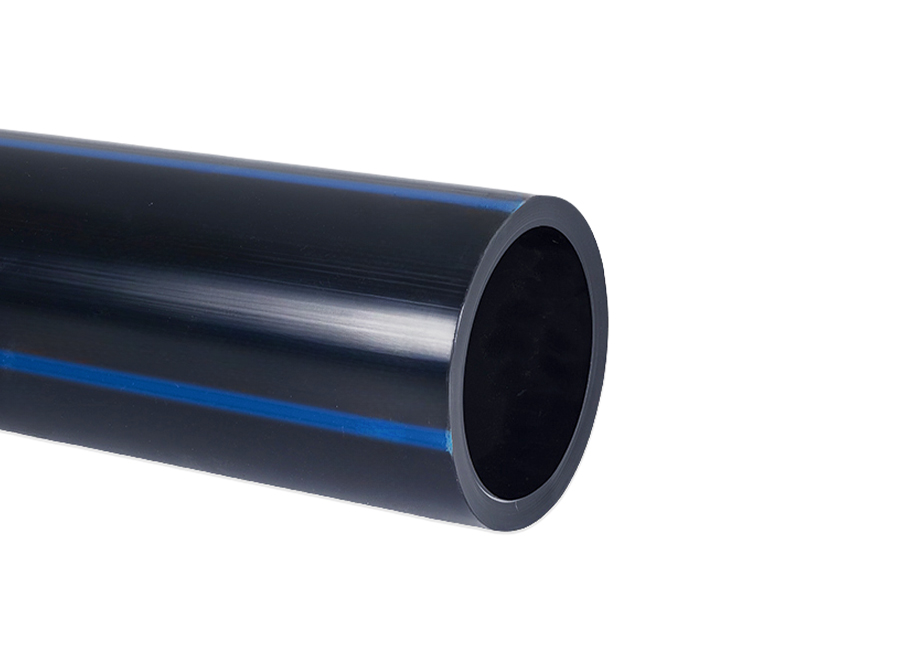
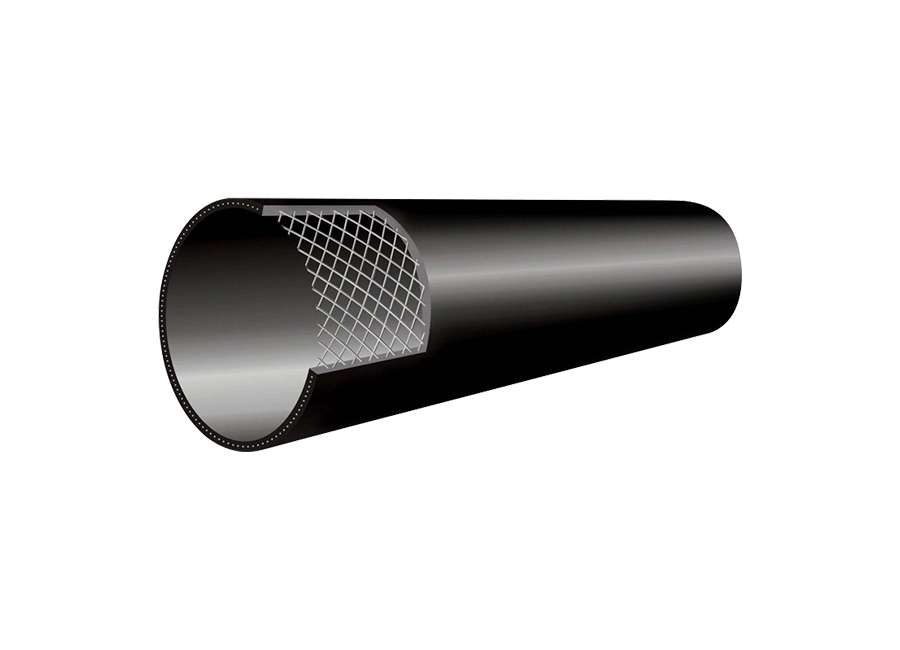
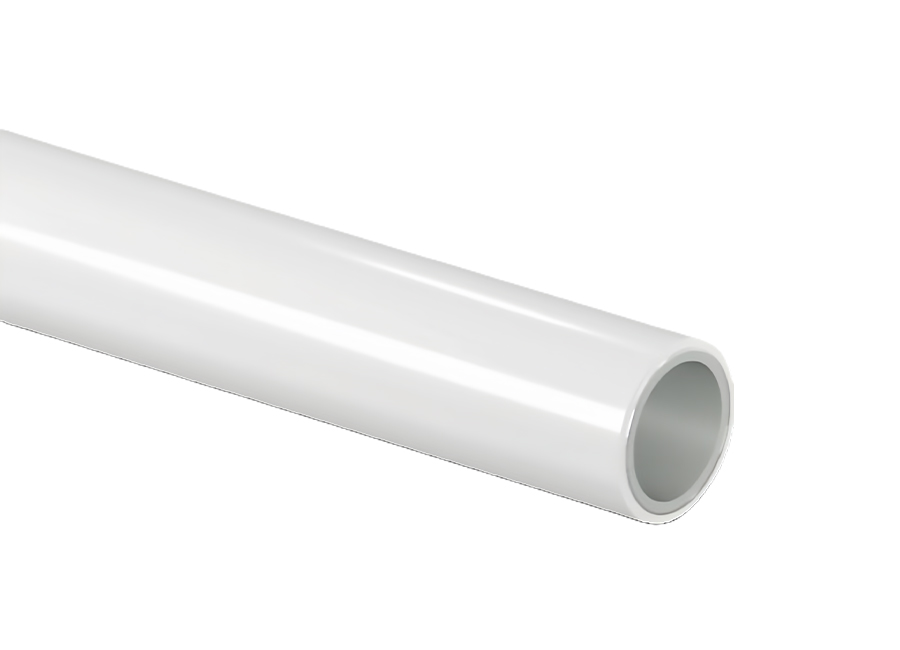
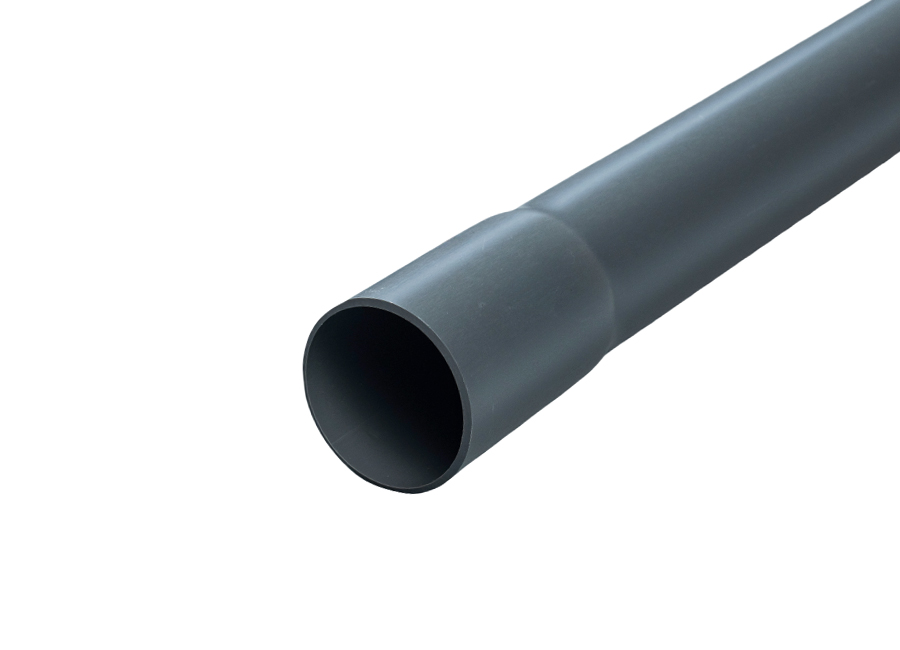 PVC-U Rigid Pipe for Water, Irrigation, and DrainageRigid PVC-U pipe with multiple pressure ratings and sizes for water supply, irrigation, cable protection, and drainage; verify service conditions before selecting.View Product →
Where PVC Pipe Is Used
PVC pipe appears in buried drainage, sewer laterals, vent stacks, electrical conduit, irrigation, water distribution, and some industrial chemical lines. Its smooth bore, light weight, and solvent-cement or gasketed joints make it practical for DWV and site utilities. Application alone does not select the pipe: check temperature, pressure, soil load, chemical exposure, UV, and support spacing. Review common PVC pipe applications against the actual service.
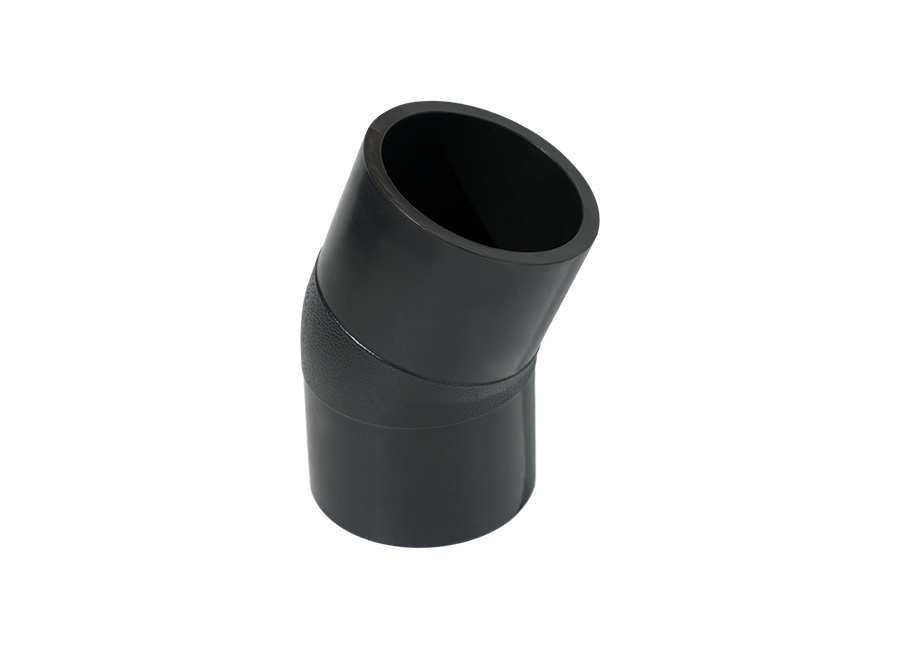
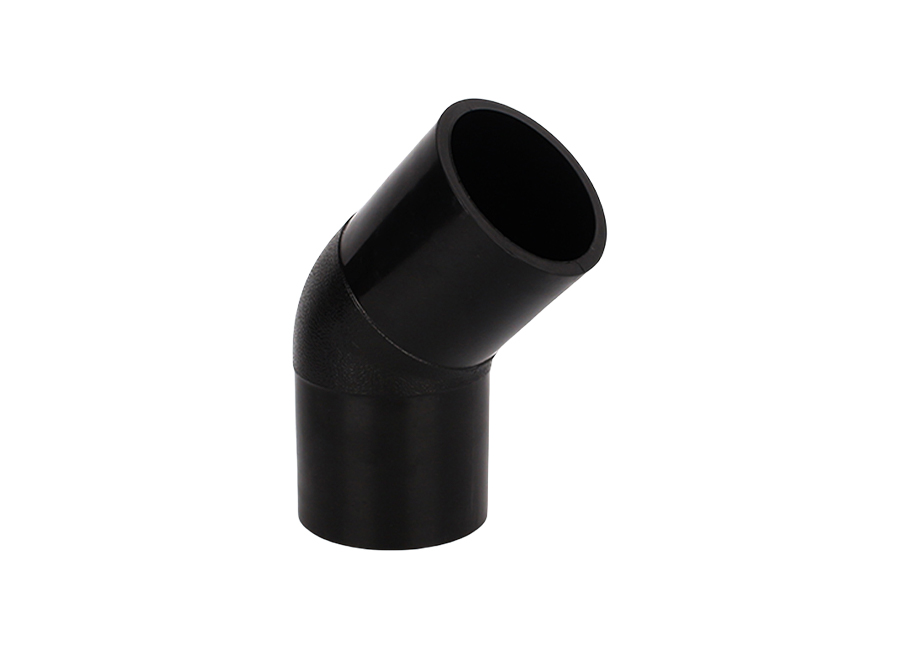
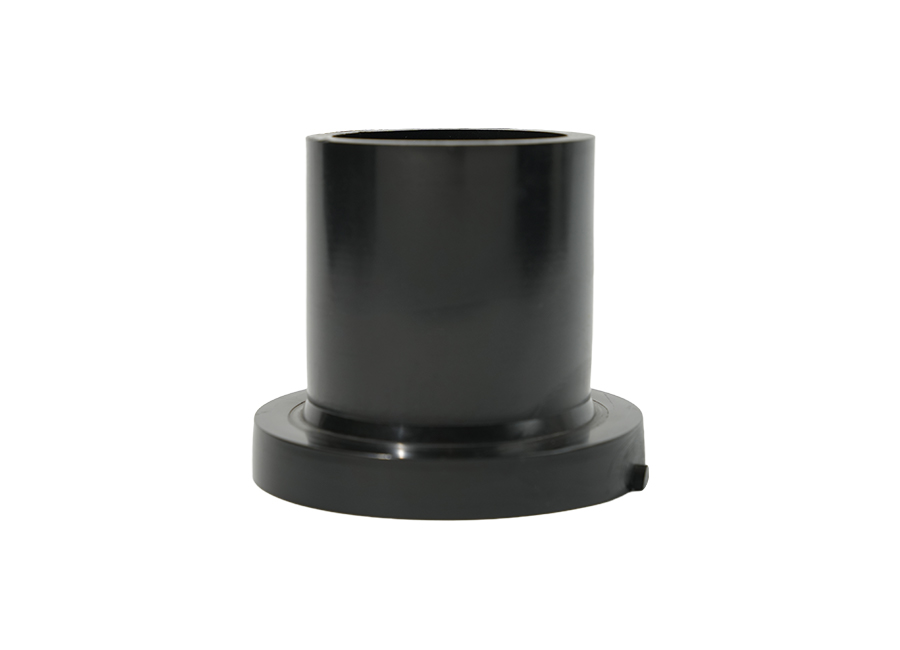
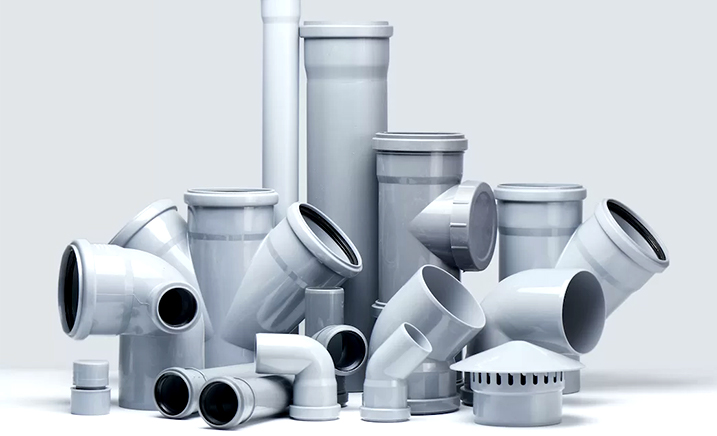
Fittings complete the system. A quote that lists pipe but not elbows, tees, reducers, and adapters can delay installation. Review the UPVC fittings range with the pipe order so dimensions and pressure classes match.
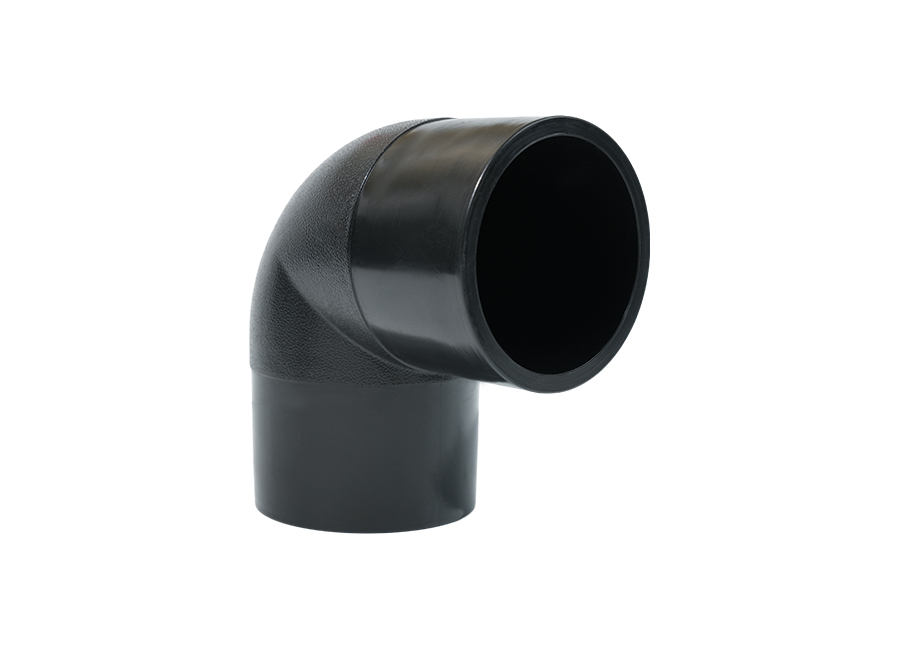
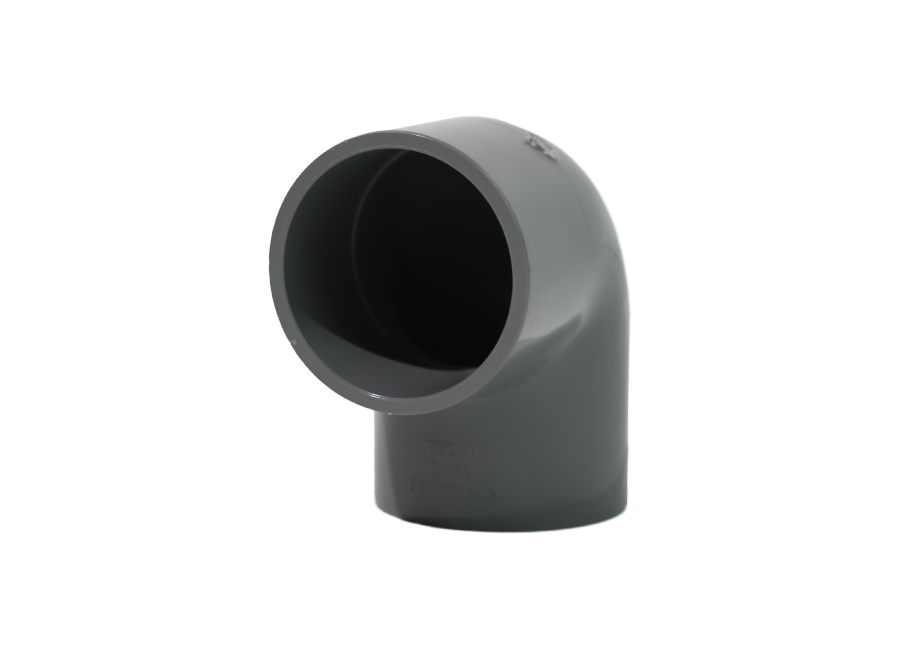 PVC 90 Degree Elbow for Pipe Direction ChangesPVC-U 90-degree elbow in 1.0 and 1.6 MPa ratings, 20–400 mm sizes, for water supply, irrigation, and drainage; match fittings to pipe dimensions and pressure class.View Product →
How to Read PVC Pipe Specifications
Pipe markings are more useful than a generic PVC label. A print line may show material, nominal diameter, schedule or SDR, pressure rating, standard, and manufacturer. Read them together.
- Nominal diameter: the stated size may not equal the exact outside diameter; compare it with the product standard.
- Schedule: Schedule 40 and Schedule 80 can share an outside diameter, but Schedule 80 has a thicker wall, smaller inside diameter, and usually a higher pressure rating.
- SDR: standard dimension ratio relates outside diameter to wall thickness. A lower SDR generally means a thicker wall within a product family, but confirm the manufacturer’s rating.
- Pressure rating: ratings are tied to temperature and service conditions. Do not apply a cold-water rating to hot service without derating or a different material.
- Standard: pressure PVC may cite ASTM D1785 or ISO 1452. Drain, waste, and vent pipe may cite ASTM D2665 in the U.S. market. Project specifications may add local requirements.
Schedule 40 and Schedule 80 are wall-thickness schedules, not universal pressure classes. A Schedule 80 pipe from one compound is not automatically suitable for every chemical or temperature.
Quality Checks and Supplier Evaluation
Ask for evidence that connects the product marking to the delivered lot: outside diameter and wall thickness measurements, visual inspection, impact testing where specified, and pressure testing for pressure-rated products. For potable water, confirm the compound and certification required by the destination market.
- Does the supplier state the exact product standard and compound grade?
- Are dimensional records and third-party reports matched to the size and lot?
- Are pipe and fittings compatible in dimensions and pressure class?
- Is UV stabilization adequate for storage and installation conditions?
- Are marking, packaging, and export documentation suitable for project handover?
Do not treat a certificate as proof of every size and lot. Underground design must also account for bedding, soil load, and deflection.
Purchasing and Custom Manufacturing Notes
PVC pipe pricing depends on resin grade, wall thickness, diameter, pressure rating, quantity, fitting content, packaging, and delivery terms. A low pipe price can mislead if fittings or adapters are quoted separately. Ask for a line-item breakdown for a full system.
For OEM or custom manufacturing, prepare a specification: material family, standard, sizes, pressure or drain service, joining method, color, marking, fitting list, packaging, and destination. If nonstandard lengths or print lines are needed, state them in writing. MOQ, lead time, and customization limits vary by size and compound, so confirm them against the order. For project procurement, request a sample or pre-production approval for color, marking, and joint fit where the schedule allows.
Frequently Asked Questions
Q1. Does PVC pipe stand for polyvinyl chloride pipe?
Yes. PVC stands for polyvinyl chloride. “PVC pipe” means a pipe made from a PVC compound. Precise specifications may call the material PVC-U, UPVC, PVC-M, PVC-O, or CPVC.
Q2. Is PVC the same as UPVC?
Not exactly. UPVC, also written PVC-U, is unplasticized or rigid PVC. The generic term PVC can include flexible compounds, so UPVC is more specific for many pipes.
Q3. What is the difference between Schedule 40 and Schedule 80 PVC pipe?
They are wall-thickness schedules. Schedule 80 has a thicker wall than Schedule 40 at the same nominal size, so it usually has a higher pressure rating but a smaller inside diameter.
Q4. Can PVC pipe be used for hot water?
Standard PVC-U pipe is generally for cold-water, drainage, and conduit service. CPVC is a different chlorinated material used in some hot-water applications. Check the marking, rating, and local code.
Q5. How do I choose PVC pipe for a project?
Start with the service: pressure or drainage, fluid, temperature, burial depth, and chemical exposure. Then select the material family, standard, wall thickness, and joining method. Review pipe and fittings together.
Q6. What should I confirm before ordering from a manufacturer?
Confirm the product standard, compound grade, sizes, pressure class, fitting list, test reports, marking, packaging, MOQ, lead time, and Incoterms. For custom work, approve a sample or specification sheet first.
For project-specific PVC pipe or fitting requirements, share the standard, sizes, pressure class, and destination with a manufacturer so the quotation can be checked against the actual specification.