English
 中文简体
中文简体 русский
 عربى
عربى
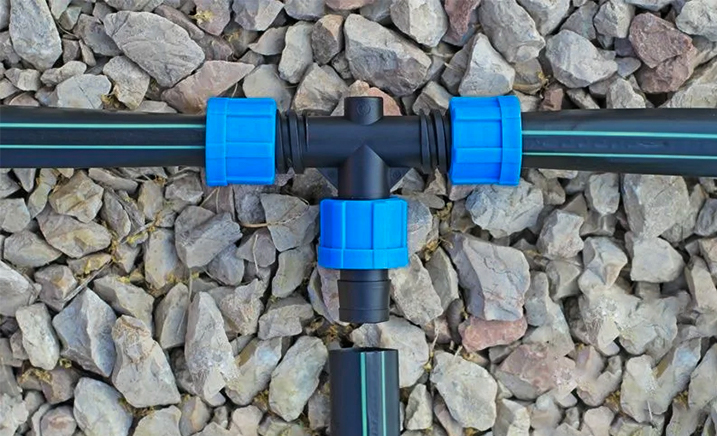
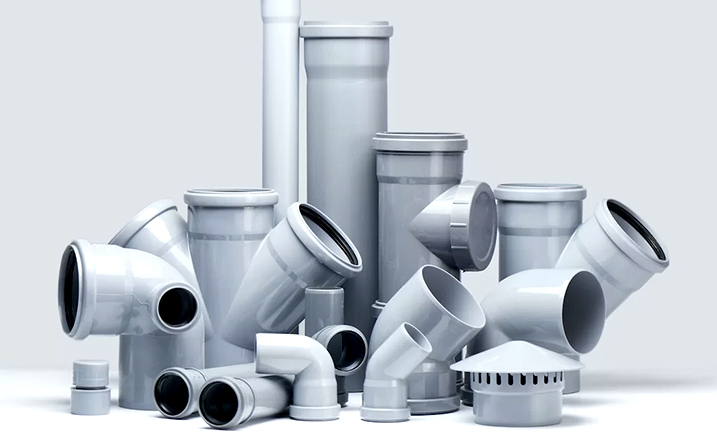
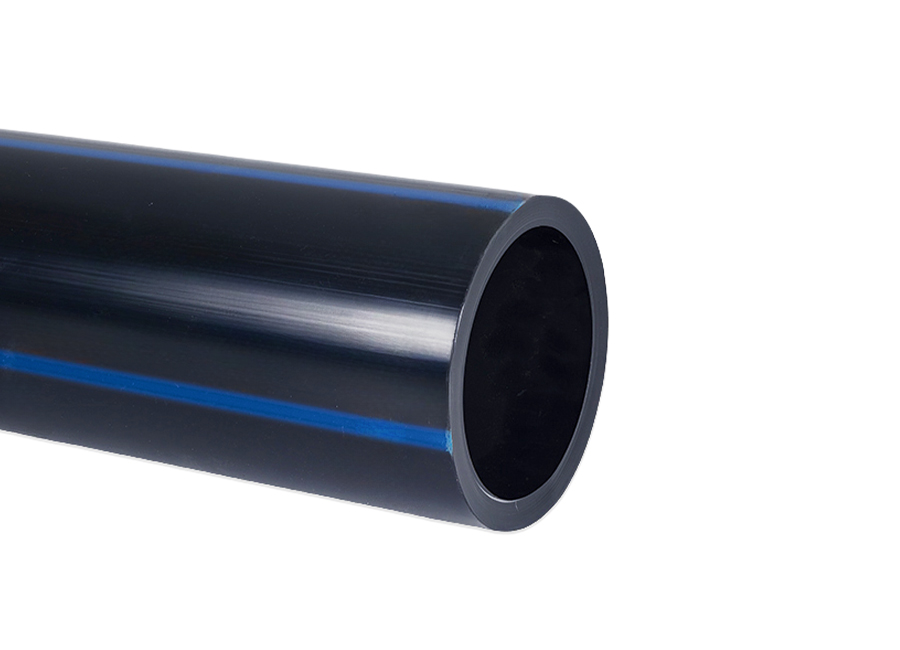
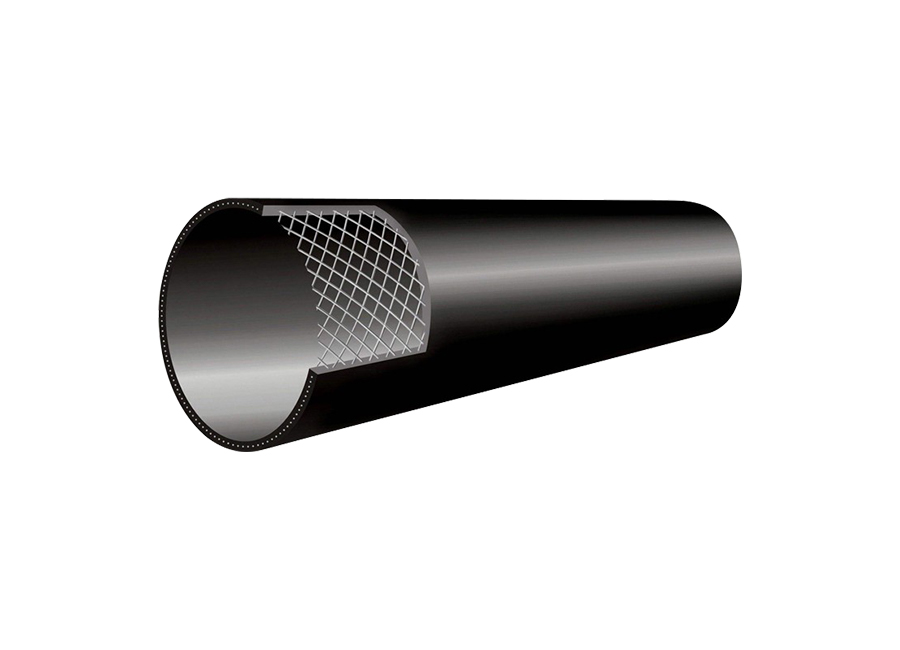
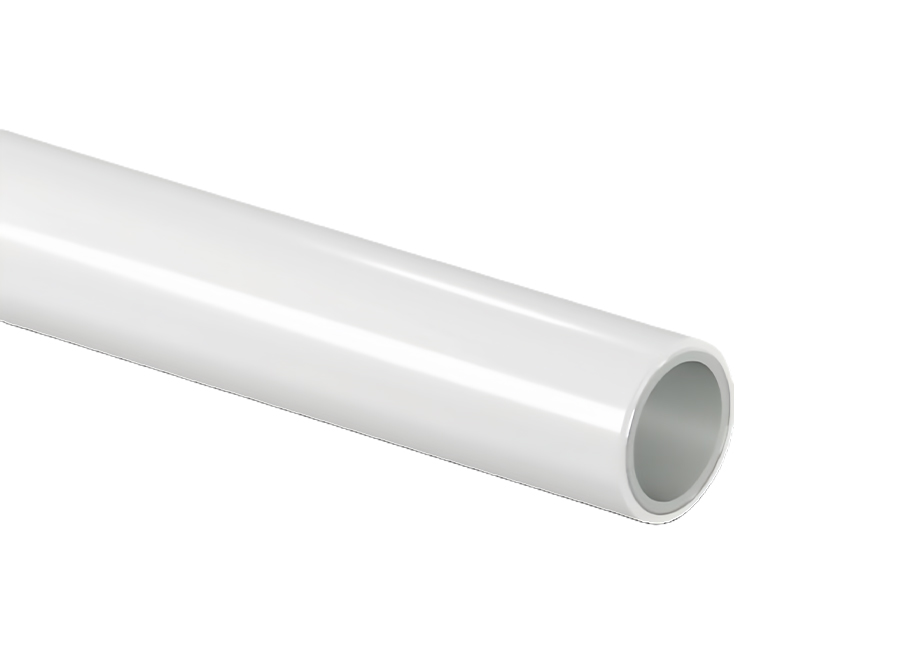
PVC-U pipe (unplasticized polyvinyl chloride pipe) is used primarily for water supply, drainage, irrigation, underground utility conduits, and chemical fluid transport — wherever a rigid, corrosion-resistant, pressure-capable pipe is needed at a lower installed weight than metal alternatives. Across residential, commercial, agricultural, and industrial projects, PVC-U Water Supply Pipe and Rigid PVC-U Drainage Pipe collectively represent the most widely installed plastic piping material globally, with over 40% of all new pipe installations in urban water infrastructure using PVC-U as the primary material.
This article covers the full picture: what schedule PVC-U pipe is, its core applications by sector, the different types of PVC plumbing fittings and connections used with it, how to select the correct pressure rating, and what makes it distinctly suitable for underground and chemical service environments.
Content
- 1 What PVC-U Pipe Is and How It Differs from Other PVC Types
- 2 Primary Applications: Where PVC-U Pipe Is Used and Why
- 3 Types of PVC Plumbing Fittings and Connection Methods
- 4 Understanding Pressure Ratings: Schedule 40 vs Schedule 80 vs PN Classes
- 5 Installation Best Practices for Long-Term Performance
- 6 About Jiangyin Huada
- 7 Frequently Asked Questions
What PVC-U Pipe Is and How It Differs from Other PVC Types
PVC-U stands for unplasticized polyvinyl chloride — meaning no plasticizer additives have been incorporated into the compound. This is what makes it rigid, dimensionally stable, and chemically inert compared to flexible PVC (PVC-P), which contains plasticizers that can migrate over time. The "U" designation is the defining characteristic: the absence of plasticizers gives PVC-U its structural stiffness, its ability to hold pressure, and its resistance to chemical permeation.
The term "schedule" in PVC pipe refers to the wall thickness standard — most commonly Schedule 40 and Schedule 80. A Pressure Rated PVC-U Pipe stamped with a schedule designation tells installers the pipe's wall thickness relative to its outer diameter, which in turn determines the maximum working pressure at a given temperature. Schedule 80 pipe has a thicker wall than Schedule 40 of the same nominal diameter, giving it a higher pressure rating but a reduced internal bore.
PVC-U vs. Other Pipe Materials: Key Property Comparison
Score scale 0–10; higher = better performance in each category
The grouped column chart reveals that PVC-U leads all three materials in corrosion resistance, installation ease, and cost efficiency, achieving a score of 9/10 across these three critical dimensions. Galvanized steel holds an advantage in pressure rating, making it relevant for very high-pressure industrial pipelines, but its susceptibility to internal corrosion, higher weight, and elevated installation labor cost make it a less practical choice for the majority of plumbing and water distribution projects. HDPE performs competitively in corrosion resistance but trails PVC-U in cost efficiency and is more challenging to join reliably in field conditions. For most municipal water supply, residential plumbing, and drainage applications, PVC-U delivers the most balanced performance profile of any piping material available.
Primary Applications: Where PVC-U Pipe Is Used and Why
The range of applications for PVC-U pipe is broader than most installers initially expect. Its combination of chemical inertness, pressure capability, UV stability, and low weight makes it the preferred choice across multiple distinct sectors:
Potable Water Supply and Distribution
PVC-U Water Supply Pipe is certified for potable water contact in most countries, conforming to standards such as ISO 1452, EN 1452, and AS/NZS 1477. It does not impart taste, odor, or harmful substances to drinking water, and its smooth internal surface (with a hydraulic roughness coefficient of approximately 0.007 mm) minimizes friction loss and resists biofilm accumulation. Municipal water authorities have been using PVC-U for trunk mains since the 1960s, and service records from European networks show pipe sections still in service after 50+ years with no structural degradation.
Underground Utility and Irrigation Networks
Underground PVC-U Pipe is widely used in agricultural irrigation, stormwater management, and sub-surface drainage networks. Its resistance to soil acids, alkaline groundwater, and root penetration makes it reliable in buried service without cathodic protection or external coating. When installed with appropriate bedding (as specified in installation standards), PVC-U pipe can tolerate significant traffic loading — a key requirement for pipes buried under roads and paved surfaces. Typical burial depths range from 600 mm to 1.5 m for residential service connections and up to 3 m for main distribution mains.
Drainage, Waste, and Vent Systems
Rigid PVC-U Drainage Pipe is the standard material for building drain, waste, and vent (DWV) systems in residential and commercial construction. It replaces cast iron and clay-based systems at a fraction of the installed weight — a 110 mm PVC-U pipe weighs approximately 2.0 kg/m compared to 11 kg/m for equivalent cast iron — without sacrificing flow capacity or noise performance when properly supported. It handles intermittent hot water discharge (up to 60°C continuous) from dishwashers, washing machines, and boiler relief valves without deformation.
Chemical Process and Industrial Fluid Transport
Chemical Resistant PVC-U Pipe is used extensively in chemical processing plants, water treatment facilities, and industrial cooling circuits where the pipe must withstand exposure to acids, alkalis, salts, and many organic solvents. At concentrations and temperatures within the material's rated service envelope, PVC-U resists hydrochloric acid up to 36%, sulfuric acid up to 70%, sodium hydroxide at all concentrations, and chlorine solutions used in disinfection systems. This resistance profile makes it indispensable in swimming pool circulation, electroplating lines, and effluent treatment piping.
PVC-U Pipe Application Share by Sector (%)
Based on global PVC-U pipe consumption data by end-use sector
The donut chart illustrates that water supply and drainage together account for 63% of total PVC-U pipe consumption globally — a reflection of the material's dominance in the most fundamental infrastructure sectors. Underground and irrigation applications add another 20%, highlighting how critical this material is for subsurface networks that form the backbone of agricultural productivity and stormwater management. Chemical and industrial applications, while representing only 12% by volume, represent a high-value segment where Chemical Resistant PVC-U Pipe provides a cost-effective alternative to exotic alloys and lined steel pipe in corrosive service. The "Other" segment includes conduit, telecommunications ducting, and specialty applications where PVC-U's electrical insulation properties are also exploited.
Types of PVC Plumbing Fittings and Connection Methods
Understanding the full range of types of PVC plumbing fittings is essential for designing leak-free, serviceable pipe systems. PVC-U is joined using several distinct connection methods, each suited to specific service conditions and installation contexts. The wrong fitting or connection type is one of the most common causes of field failures in otherwise correctly specified pipe systems.
Solvent Cement (Socket) Joints
The most common of all PVC plumbing connections, solvent cement jointing uses a chemical solvent that temporarily softens the outer surface of the pipe spigot and the inner surface of the fitting socket. When pushed together and allowed to cure, the surfaces fuse into a homogeneous bond with strength comparable to the pipe wall itself. This type of connection is permanent, requires no mechanical fasteners, and is suitable for pressures up to the pipe's full rated pressure. Cure time before pressurization varies from 15 minutes in warm dry conditions to several hours in cold or humid environments.
Rubber Ring (Push-Fit) Joints
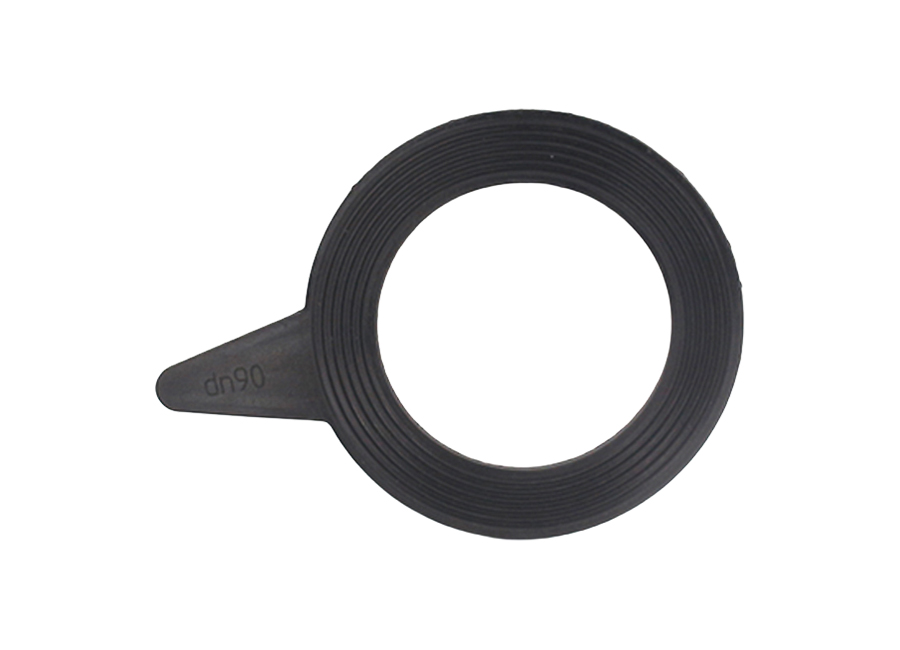
Used extensively in Underground PVC-U Pipe networks, rubber ring joints allow the pipe spigot to be pushed into a bell-end socket containing a pre-installed elastomeric ring. The ring is compressed by insertion and creates a watertight seal capable of accommodating angular deflection (typically 2–4°) and longitudinal movement due to thermal expansion. This flexibility makes rubber ring joints the preferred water pipe connector type for buried mains where ground movement, traffic loading, or thermal cycling would stress a rigid solvent-cemented joint system.
Threaded and Compression Fittings
Threaded PVC fittings names include male adapters, female adapters, and unions — used where connections must be demountable for maintenance or equipment isolation. BSPT or NPT threads are machined or molded into the fitting. Compression fittings, a distinct type of plumbing connection, use a mechanical nut and olive (or grab ring) to create a seal without solvent or threading tools — making them useful for retrofit situations or connections to metal pipe tails. Both methods are common in above-ground service installations where access for future maintenance is a design requirement.
PVC Coupler Types and Directional Fittings
The full range of PVC coupler types and directional fittings includes:
- Couplings and reducers — for straight connections and diameter changes along a run
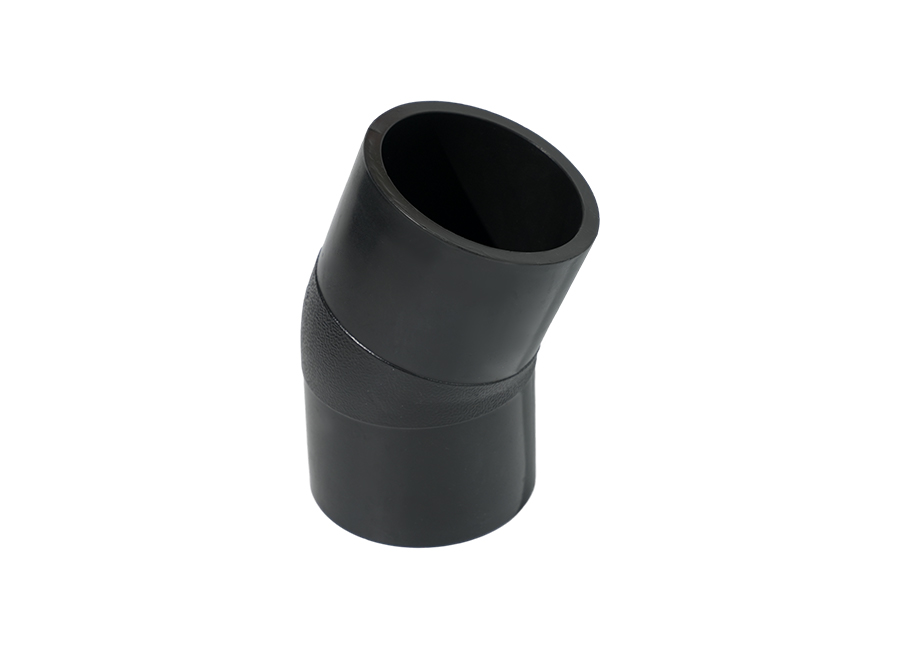
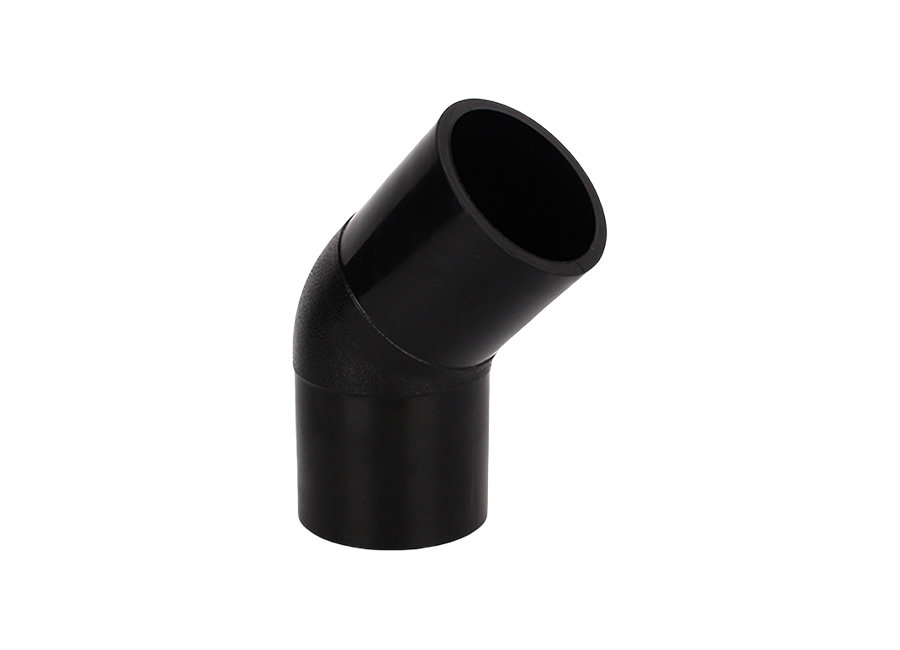
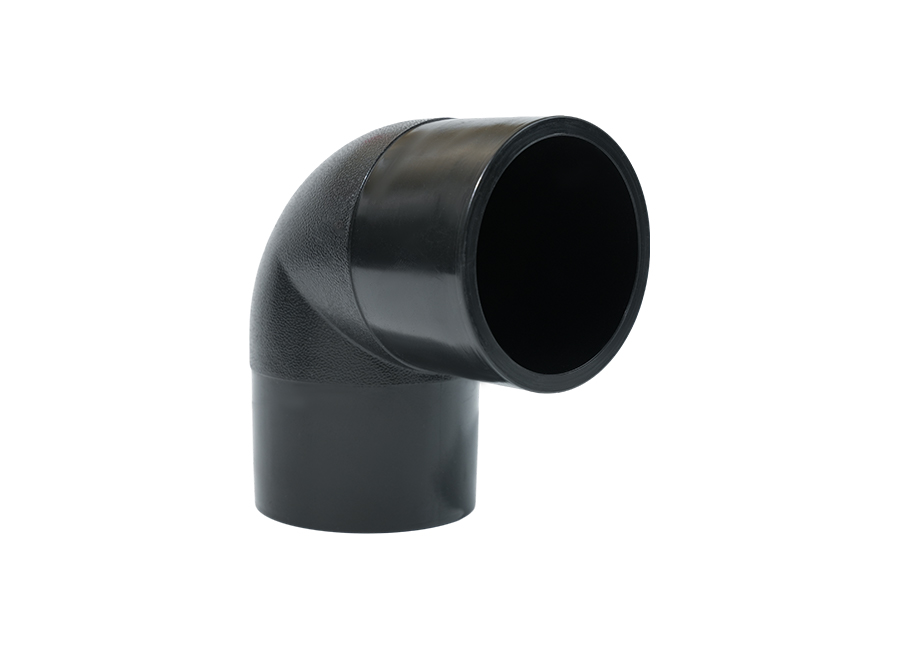
- Elbows (45° and 90°) — for directional changes; long-radius elbows preferred in pressure systems to reduce friction loss
- Tees and crosses — for branch connections; available in equal and reducing configurations
- Unions — three-piece demountable fittings that allow disassembly without cutting the pipe
- End caps and plugs — for terminating pipe runs or isolating branches
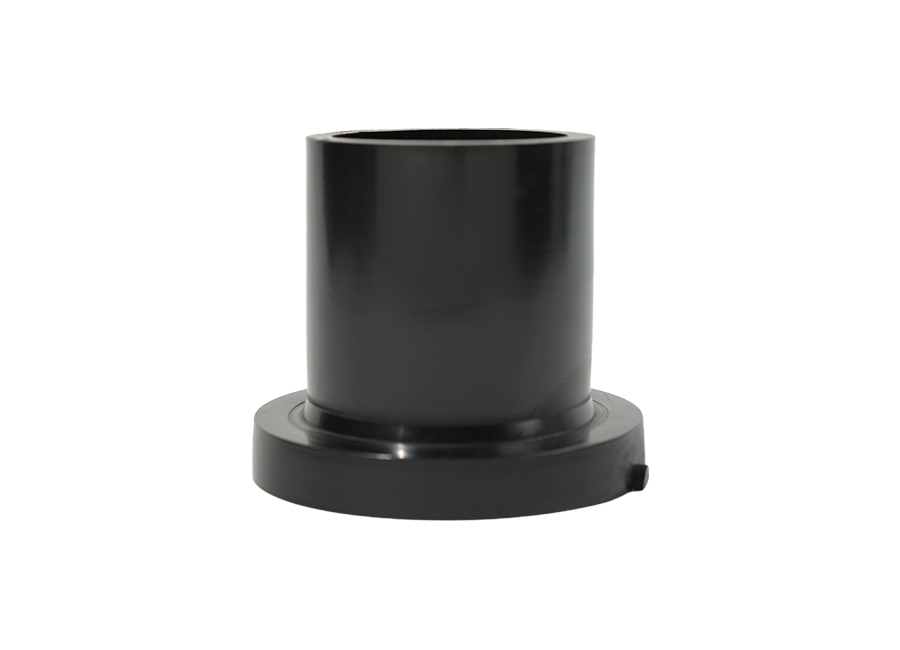
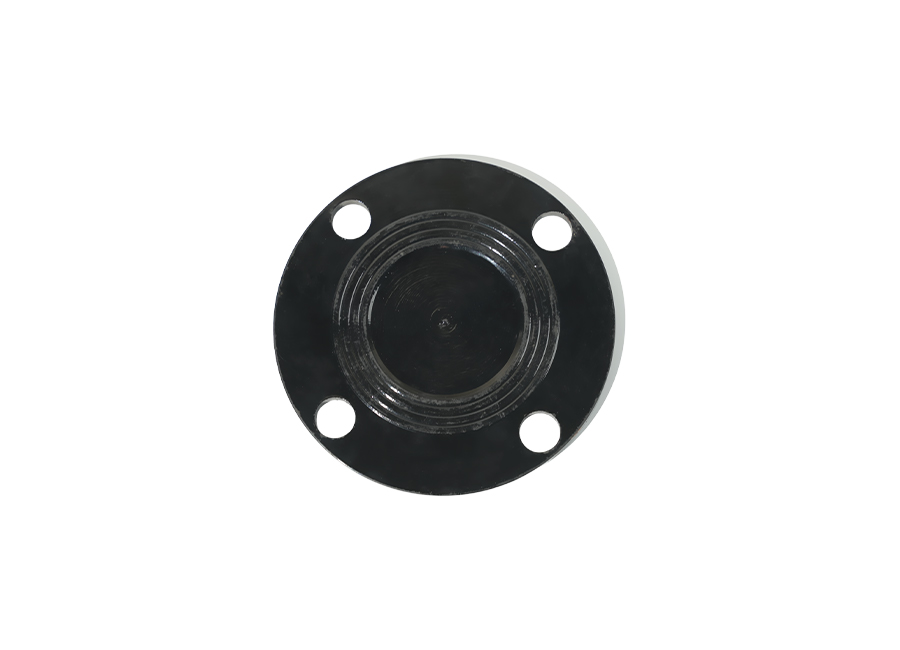
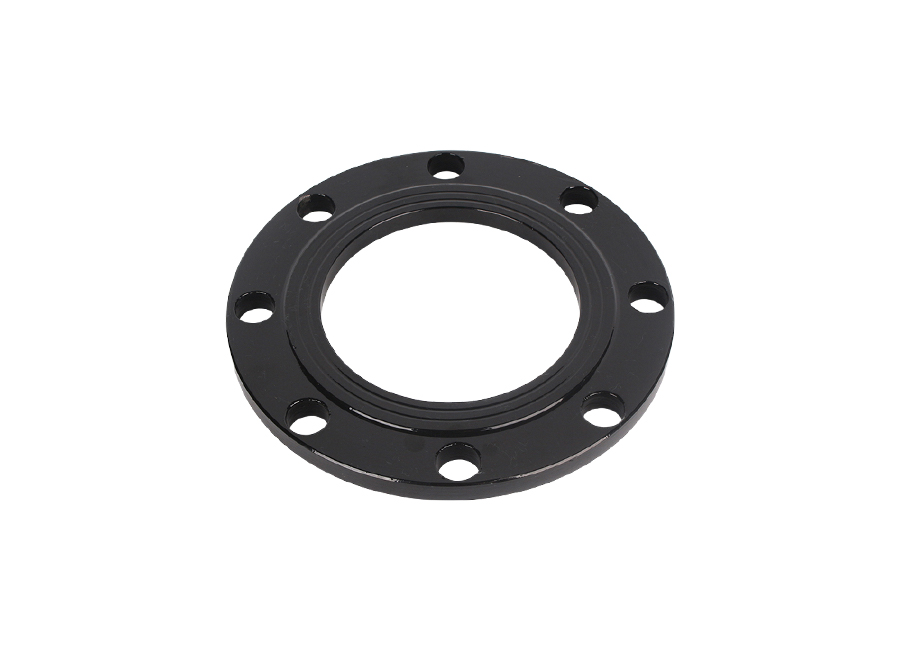
- Flanged adapters — for connection to valves, pumps, and equipment with standard flange drilling patterns
| Connection Type | Joint Method | Demountable | Pressure Rated | Best For |
|---|---|---|---|---|
| Solvent Cement Socket | Chemical fusion | No | Full pipe rating | Above-ground pressure systems |
| Rubber Ring Push-Fit | Elastomeric seal | Yes | Up to 16 bar | Buried mains, irrigation |
| Threaded (BSP/NPT) | Mechanical thread | Yes | Moderate | Appliance connections, valves |
| Compression Fitting | Mechanical seal | Yes | Up to 12 bar | Retrofit, meter connections |
| Flanged Adapter | Bolted flange | Yes | Full pipe rating | Pumps, tanks, large valves |
The correct selection among different types of PVC fittings and connection methods depends on three primary variables: whether the connection needs to be demountable in future, the operating pressure, and whether the pipe will be buried or accessible. For permanently buried Underground PVC-U Pipe mains, rubber ring joints are generally preferred over solvent cement because they tolerate ground movement without transmitting stress concentrations to the pipe body. Above-ground chemical dosing and process piping benefits from solvent cement or flanged connections, which provide the most reliable seal against chemical permeation over long service periods.
Understanding Pressure Ratings: Schedule 40 vs Schedule 80 vs PN Classes
A Pressure Rated PVC-U Pipe must be selected based on the maximum system working pressure, the operating temperature, and an appropriate safety factor. PVC-U pressure ratings are temperature-dependent — the rated pressure at 20°C is significantly higher than at 40°C or 60°C, because the material's modulus of elasticity (stiffness) decreases as temperature rises.
PVC-U Pipe Pressure Rating vs. Temperature (DN50 / 2 inch)
Indicative pressure-temperature derating for DN50 PVC-U; always verify against the specific product's certified rating data
The dual-line chart demonstrates the critical relationship between operating temperature and pressure rating for Pressure Rated PVC-U Pipe. At 20°C, Schedule 80 pipe achieves a working pressure of approximately 18 bar — more than sufficient for virtually all building services and water distribution applications. However, at 60°C (the upper end of hot water service), that same pipe's rating drops to around 7 bar, meaning systems with higher hot water pressures must either use thicker-walled fittings or a different pipe material for the hot sections. This temperature-derating relationship is why PVC-U is generally not recommended for continuous domestic hot water supply above 60°C, where CPVC or cross-linked polyethylene (PEX) are more appropriate alternatives. For cold and ambient temperature water supply applications, however, PVC-U's pressure ratings are entirely adequate for pressures encountered in municipal and building distribution systems.
Installation Best Practices for Long-Term Performance
Correct installation is as important as correct specification. The following practices apply to all types of plumbing connections in PVC-U systems and directly affect service life and leak frequency:
- Allow adequate cure time for solvent cement joints. Pressurizing before full cure — especially in cold weather — is the leading cause of joint failure in newly installed systems. Follow the adhesive manufacturer's minimum cure chart for the ambient temperature and pipe diameter.
- Install expansion loops or offsets for above-ground runs. PVC-U has a thermal expansion coefficient of approximately 0.07 mm/m/°C — a 10 m run exposed to a 30°C temperature swing will expand by 21 mm. Unrestrained expansion causes joint stress and eventual leakage.
- Use correct bedding for buried pipe. Lay Underground PVC-U Pipe on a compacted granular bed (typically 150 mm of clean sand or pea gravel) and provide uniform side support to prevent point loading that can cause ovalization or cracking under traffic loads.
- Protect from UV exposure in above-ground installations. While PVC-U has good UV stabilizer packages, prolonged direct sun exposure over many years can cause surface chalking and gradual embrittlement. Apply a UV-resistant paint or wrap, or use UV-stabilized pipe grades where long-term outdoor exposure is expected.
- Never over-torque threaded fittings. PVC-U threads are molded, not machined to metal tolerances. Hand-tight plus one to two turns with a strap wrench is the correct installation method — overtightening causes radial cracking in the fitting body, which may not be immediately visible but will fail under pressure.
Causes of PVC-U System Failure in Field Installations (%)
Field failure analysis data from plumbing inspection records; figures are representative distributions
The horizontal bar chart makes clear that premature pressurization of solvent-cemented joints is the single largest preventable cause of PVC-U system failure, responsible for 31% of field failures. This finding aligns with widespread field reports from plumbing inspectors and is entirely avoidable through disciplined adherence to cure time requirements. Thermal expansion stress — responsible for 24% of failures — is equally preventable with correct pipe support and expansion accommodation design. Together, these top two causes account for more than half of all field failures, confirming that installation quality has a greater impact on system reliability than the pipe material specification itself. Understanding the different types of plumbing connections and their correct installation requirements is the most practical investment a plumbing engineer or contractor can make in long-term system performance.
About Jiangyin Huada
PVC-U pipes, fully known as unplasticized polyvinyl chloride rigid pipes, are made from high-quality polyvinyl chloride resin as the main raw material. The surface of pipes is smooth, and the internal structure is uniform, offering strong pressure-bearing capacity and impact resistance. In terms of chemical stability, pipes are particularly outstanding — they resist the erosion of various chemicals such as acids, alkalis, and salts, and can maintain stable performance over a long period even under harsh environmental conditions. They are not easily affected by natural factors like ultraviolet light and oxygen, and can still maintain a good appearance and performance after long-term use. Additionally, due to their low density and lightweight, PVC-U pipes are more convenient in transportation and installation, significantly reducing construction costs.
Color your world with excellence and innovation — Jiangyin Huada, your trusted source for premium color masterbatch, high-quality plastic pipes, and fittings. It is because of our unwavering commitment to the pipe and pipeline industry, our emphasis on product diversity, the importance we place on product quality, and our dedication to green environmental practices and sustainable development that our brand has gradually gained recognition. Our products have earned the trust and praise of numerous customers, and our brand has become a symbol of reliability and trustworthiness.
Our brand story is one of continuous progress and innovation. We will continue to create more value for more customers and contribute to the development of the industry. We believe that through sustained efforts and adherence to our principles, our brand will continue to shine brightly and make a mark internationally.
Frequently Asked Questions
Q1: Can PVC-U pipe be used for hot water supply?
Standard PVC-U pipe is rated for continuous service up to 60°C, which covers most cold and ambient water supply applications but is not suitable for domestic hot water systems that regularly deliver water above 60°C. For hot water supply lines, CPVC (chlorinated PVC) or PEX pipe is the recommended alternative. Rigid PVC-U Drainage Pipe can handle intermittent hot water discharge from appliances (typically short-duration flows under 80°C) in DWV applications without issue.
Q2: What is the difference between Schedule 40 and Schedule 80 PVC-U pipe?
Both Schedule 40 and Schedule 80 have the same outer diameter for a given nominal pipe size, but Schedule 80 has a thicker wall, giving it a higher pressure rating and improved impact resistance at the cost of a smaller internal bore. Schedule 40 is used for the majority of general plumbing and water supply applications. Schedule 80 is specified where higher working pressures, additional mechanical protection, or aggressive fluid conditions require a more robust wall thickness.
Q3: How deep should PVC-U water pipe be buried?
The minimum burial depth for Underground PVC-U Pipe depends on local frost depth, traffic loading, and applicable codes. In temperate climates, a minimum cover of 600 mm is typical for service connections; municipal water mains are often buried at 900 mm to 1,200 mm. In areas subject to heavy vehicle traffic, deeper burial or concrete encasement may be required to protect the pipe from dynamic loading. Always follow local water authority specifications and installation standards for the specific project location.
Q4: Are there different types of PVC fittings for pressure and drainage systems?
Yes. Types of PVC plumbing fittings are categorized by their pressure rating and flow geometry. Pressure fittings (used in Pressure Rated PVC-U Pipe systems) have thicker walls, tighter dimensional tolerances, and are designed for full system pressure. DWV fittings for drainage and vent systems use longer-radius bends and swept tees to encourage self-cleansing flow — they are not pressure-rated and should never be substituted into pressurized supply systems. Mixing fitting types is a common specification error that can result in system failure.
Q5: Is PVC-U pipe safe for drinking water?
Yes — PVC-U Water Supply Pipe certified to potable water standards (such as ISO 1452, EN 1452, NSF/ANSI 61, or AS/NZS 1477) is safe for drinking water contact. It does not leach plasticizers (because none are present in PVC-U), does not impart taste or odor, and its smooth internal bore inhibits biofilm accumulation. Confirmation of potable water certification should be verified from the pipe manufacturer's documentation for any installation intended to supply drinking water.
Q6: How long does PVC-U pipe last underground?
Properly installed and correctly specified Underground PVC-U Pipe has a documented service life of 50 years or more in buried applications. European water utilities have pipe sections installed in the 1960s and 1970s that remain in service with no recorded structural failures. Service life depends on correct material selection for the soil and groundwater chemistry, adequate bedding and backfill, and avoidance of point loading or impact damage during installation. Pipe exposed to incompatible chemicals or solvents in contaminated ground may experience accelerated degradation and requires chemical resistance verification before installation.